








Personality assessment

Get along better with family and coworkers

Answer 50 statements for five traits and a four-letter type. The report names a habit that feels natural but may be hard for others to live with, and what helps with conflict.

Each score is compared with 596,850 people who answered the original wording of these statements, from a public-domain questionnaire researchers use.

Sign in when you finish to see your result. The full report is $30, with a 100% money-back guarantee.

In a bright meeting room, the same person leans over a long table while four coworkers turn toward them. Cups, water jug, plant, and blank papers are on it.
30-DAY REFUND 100% MONEY-BACK GUARANTEE

Begin with the clearest view of you

Start with Personality Type. Its five traits give the other assessments context as you read them.

Start here
Personality Type50 statements · Full report $30
Start Personality Type

Then explore work, interests, relationships, and more below.

What you’re like

Your work life

Life and self-esteem

A look inside

See what comes back.

This card shows a made-up sample person, using the same scoring as a real result, so the format is clear before taking the assessment.

Pages from the report

These are real pages from the sample report about a made-up person. Yours would come from your own answers.

  • Blind spot, from the sample report

    Conscientiousness

    Blind spot

    You finish what you start, and people can count on that. The flip side is that quitting can feel like a character failure when it may actually be an act of judgment. Imagine a plan that stopped making sense in week two but continued for three months because stopping would mean admitting the original choice was wrong. Persistence can protect a worthwhile commitment; it can also turn past effort into a reason to spend more. The time already invested is gone either way. The useful question is what you would choose if you were deciding today.

    A blind spot names something you do that feels right to you but can land badly on the people around you.

  • Type guide, from the sample report

    Remembering what matters
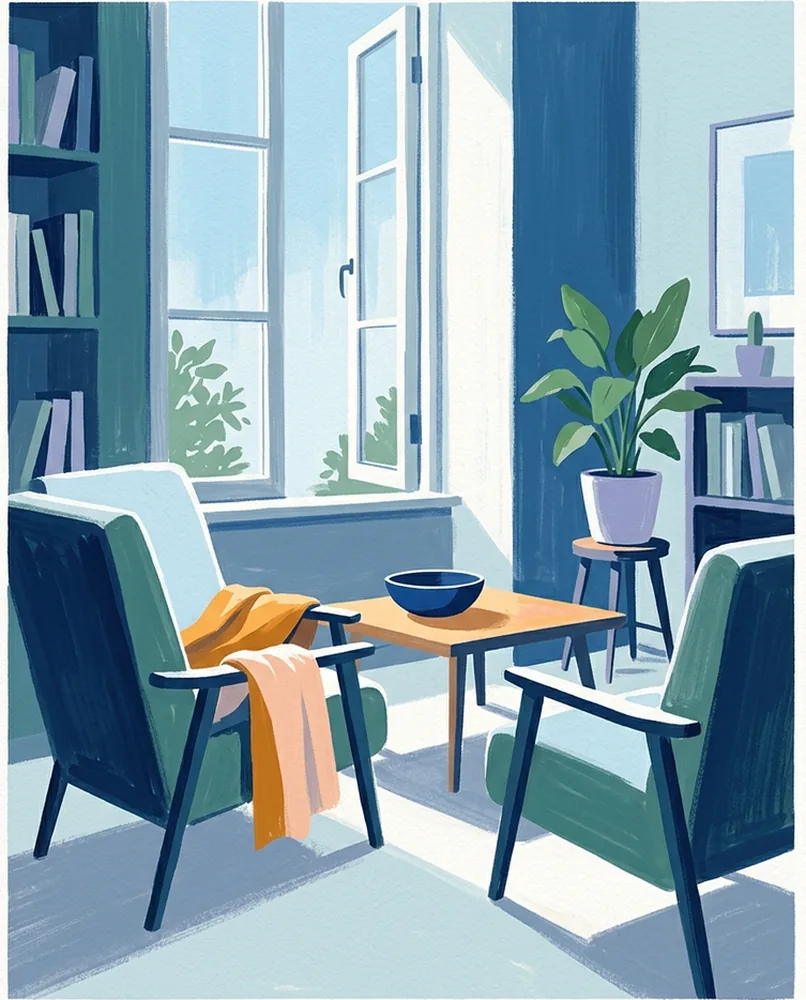
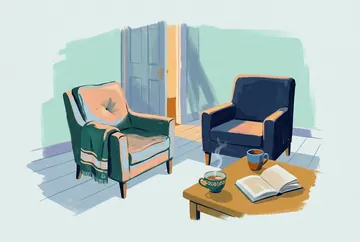
    Two armchairs face slightly toward each other beside a tall window, with a low table and bowl between them.

    Listening may be where they feel most at home in a conversation. They remember the sister whose car kept breaking down, ask whether it was finally fixed, and notice when a coworker skips lunch three days in a row. Over text, they may be the person who answers the actual message—all three parts of it—instead of sending a reaction and moving on.

    This attention creates a particular kind of safety. People sense that their words will not disappear as soon as the conversation ends. They do not merely hear what happened; they store enough of it to be useful later. That is one reason their care may be felt more strongly over time than in a single impressive conversation.
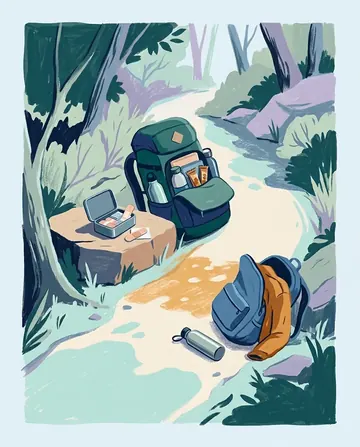

    The report includes your type guide, chapter by chapter, covering relationships, parenting, work, stress, and growth. Every card has a painting.

  • With other people, from the sample report

    At work
    What may feel easy

    Coworkers who meet deadlines, give you a heads-up before plans change, and let you work without constant interruptions may feel easiest because they make reliability visible. You are likely to repay that trust with careful preparation, useful follow-through, and attention to details others miss. The strength can become easy to overlook, though: when you quietly prevent problems, people may see only that the work went smoothly. Naming what you handled helps your contribution remain part of the team’s understanding rather than becoming an expectation no one discusses.

    Where friction may show up

    A teammate who leaves things to the last minute can pull you into a Friday scramble you had planned around. A boss who changes direction every other week may create the same strain, especially when each new priority arrives without acknowledging what must be dropped. In a fast brainstorm, the decision may also go to whoever talks first, before you have had time to form your view. Your quietness may look like agreement even when you are noticing important practical risks.

    What they might bring

    Speed, experimentation, and a willingness to change course when something is not working. This can loosen your attachment to a carefully prepared plan and help a team learn faster. The useful version of that energy also explains the reason for the change and protects enough structure for people to act on it.

    When you are much alike

    A teammate like you may bring patience and a shared instinct to keep things running. The catch is that two people who quietly cover gaps can create a system that depends on uncredited extra work. Everyone benefits from the result, but no one sees the cost until one of you is exhausted or unavailable.

    The report describes how people with your type tend to get along in relationships, as friends, and at work.

The whole sample report, section by section

Your full report, with pages like these written about you, is $30.

Read the sample report

How it works

  1. Answer the statements

  2. See your scores

    Sign in to see and keep them

  3. $30

    Read the full report

    Every section from this assessment, in depth

The report describes what you tend to do, giving you something to think with rather than a verdict.

What decades of research reveal

These findings come from published research on personality traits. They describe patterns across large groups, not predictions about what will happen to any one person.

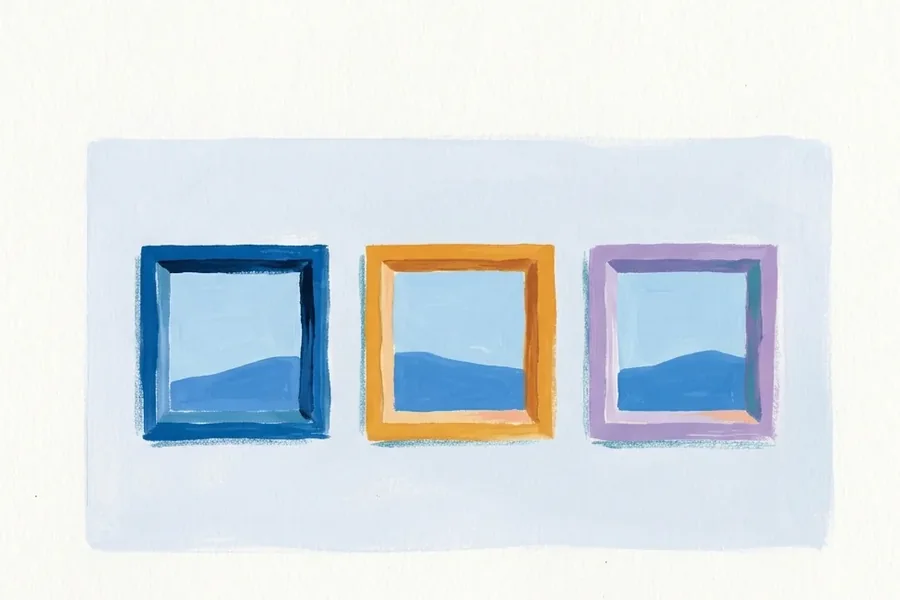
  • Three equal square windows line a pale wall, each framing one distant blue hill, with navy, amber, and soft violet frames.

    Traits predicted life outcomes as well as family money

    Personality traits predicted how long people lived, whether marriages ended, and what work people ended up doing about as well as family money and cognitive ability did.

    Roberts, Kuncel, Shiner, Caspi & Goldberg (2007). Perspectives on Psychological Science 2(4), 313–345.

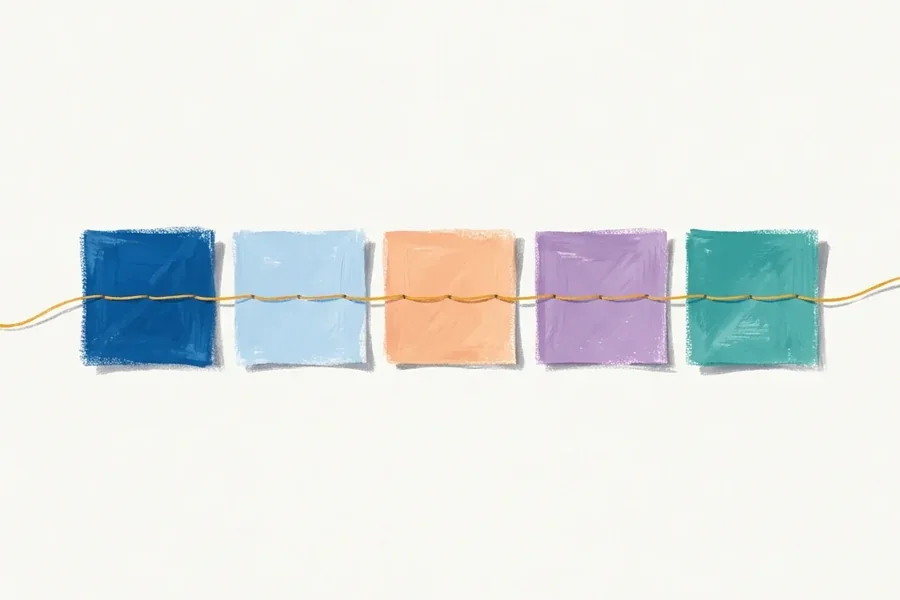
  • Five differently colored cloth squares lie in a row, joined by one amber thread stitched through all five.

    Across five occupations, conscientiousness predicted performance

    Conscientiousness, which covers planning ahead, staying organized, and finishing what you start, predicted job performance across five kinds of work, while extraversion related to it in managing and sales.

    Barrick & Mount (1991). Personnel Psychology 44(1), 1–26.

  • Viewed from above, a pale blue water surface has a tiny gray pebble at center and one faint ripple ring.

    Higher conscientiousness went with slightly longer life

    Across 20 long-term studies, the correlation between conscientiousness and how long people lived was real but small, at 0.11. Persistence and being organized were the strongest parts of the trait.

    Kern & Friedman (2008). Health Psychology 27(5), 505–512.

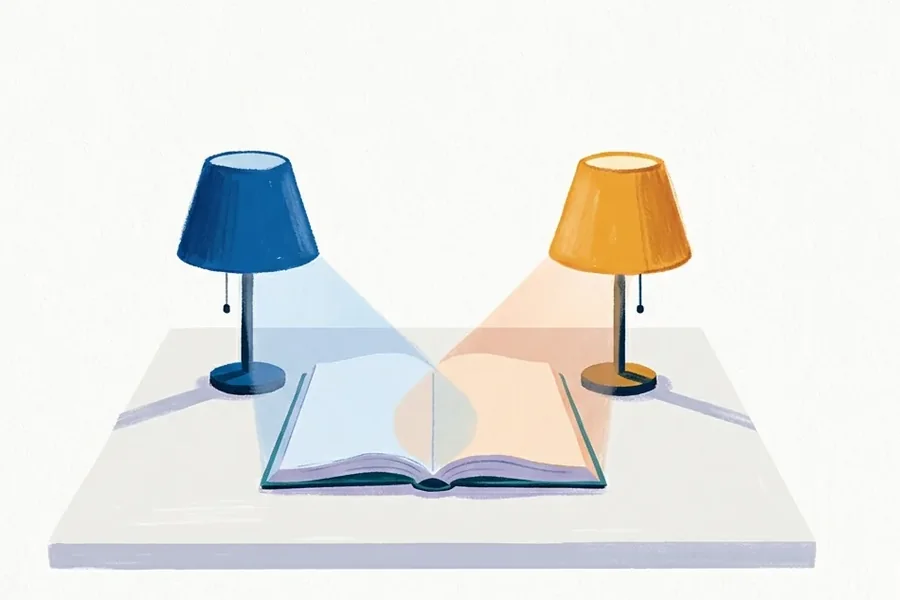
  • Matching table lamps, one blue and one amber, flank an open book with blank pages, casting equal pools of light across it.

    Conscientiousness added as much as intelligence

    Across studies of more than 70,000 students, conscientiousness added as much as intelligence to predicting later academic performance after earlier school results were accounted for.

    Poropat (2009). Psychological Bulletin 135(2), 322–338.

What will your five traits reveal?

See my results

The science

Questions come from published work. We show what your score is measured against.

Nomigram offers separate assessments, each scored and reported on its own. The questions in each come from published instruments, with authors and publication years named on that assessment’s page, while the few we wrote ourselves are labeled as ours. When an assessment compares your score with other people, it names the reference group, and when it compares you with nobody, it says so.

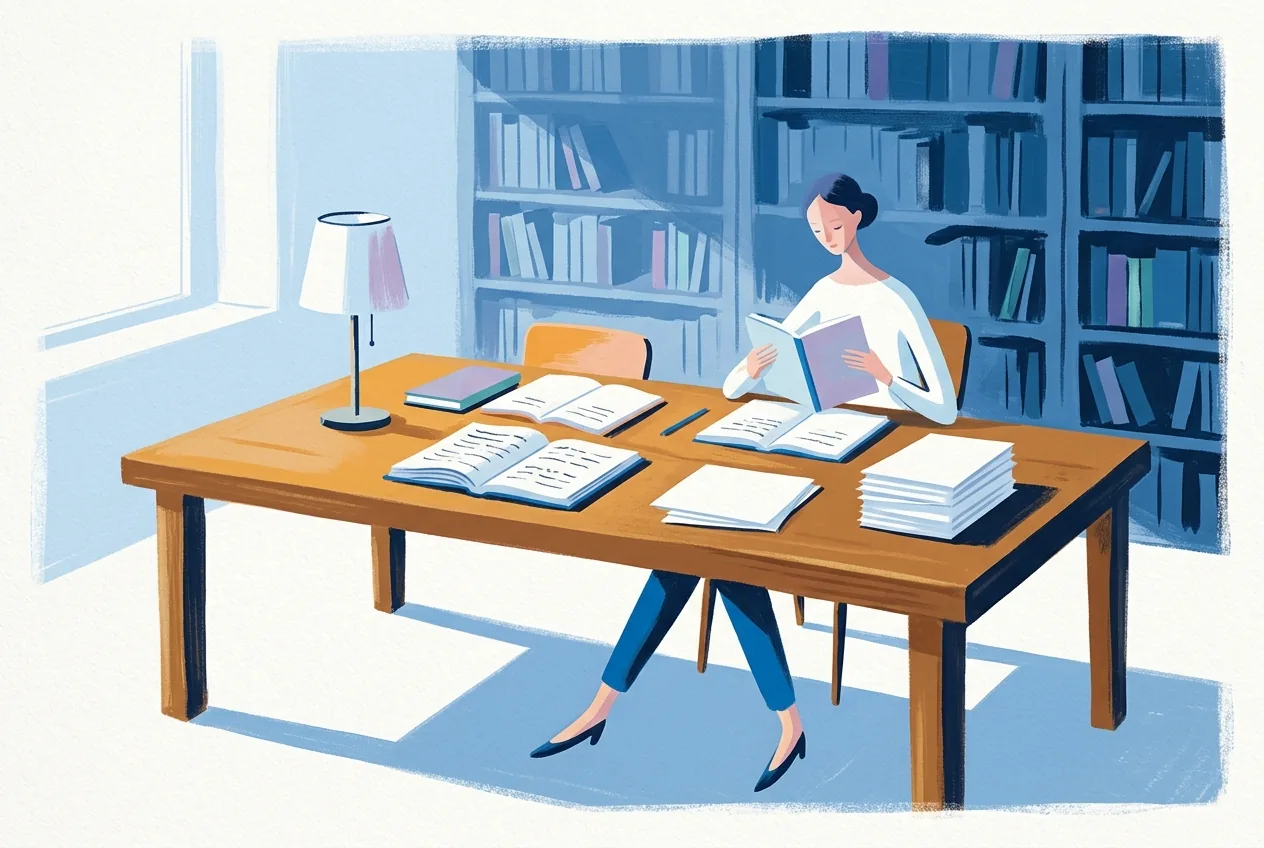
A painted study has open notebooks, papers under a lamp, bookshelves in blue shadow, and a person reading at the far end.
  • 7

    Assessments

    Source, authors, and year

    Each assessment is scored from questions published by researchers or a government agency. Its source, authors, and year are named on that assessment’s own page.

  • 541

    Statements and questions

    What every assessment asks

    Every score comes from answers to that assessment’s own questions and nothing else. No answer is borrowed or estimated from elsewhere, even when two of them ask the same statement, because each keeps a separate answer.

  • 596,850

    Respondents

    Reference group for Personality Type

    These respondents answered the original personality statements online from 2016 to 2018. This reference group belongs to Personality Type alone. Every other assessment names its own group or says plainly that it compares you with no one.

Start your assessment.

100% money-back guaranteeNot happy with your full report? Ask for a refund within 30 days.