
Types / Work styles
See work from four angles
See how work gets done, and how it reaches others.
Work styles gives people a clearer way to think about how they act alongside others. Browse the four scales, then take a short assessment to see which one leads and how the rest blend into the result.

Where these four come from
Work styles uses four of the ten scales published by DeYoung, Quilty, and Peterson in 2007, each adding detail to a broad personality trait. Every scale is separate, so everyone uses all four and a result names which one leads. Initiator, Host, Moderator, and Planner are our names for those scales. They describe preferences and habits, not how good anyone is at a job.
The work compass
The four scales
- Assertiveness InitiatorAssertiveness covers taking charge, speaking up, acting first, influencing others, and seeing yourself as a leader.
- Enthusiasm HostEnthusiasm covers warming to people, making friends, showing positive feelings, enjoying shared fun, and revealing how much you are caught up in a moment.
- Politeness ModeratorPoliteness covers respecting authority, avoiding pushiness, limiting pressure on others, and deciding how directly to impose your will.
- Orderliness PlannerOrderliness covers liking things organized, following schedules, keeping details in place, wanting work done just right, and following rules.
-
Everyone uses all four
A result shows the blend across all four scales and names which one leads. Two or more can lead together, and all four can be close together. That is a real result, not a missing one.
-
Where the statements come from
The assessment uses 40 public-domain statements from the International Personality Item Pool. They form four of the ten scales published by DeYoung, Quilty, and Peterson in 2007. The Personality Type assessment already asks 19, so someone who has taken it answers 21 here.
-
What this cannot tell
These are self-descriptions, so they describe what someone tends to do instead of how well they do it. They can’t make a hiring decision, give a job fit verdict, or predict a career. Nothing here measures ability.
Explore the four styles
Each card explains one scale and how it can look at work. Everyone has all four, so these are four views of a person, not four kinds of person.
-

Initiator
Takes the lead, speaks up early, and pushes ideas and decisions into motion.
-
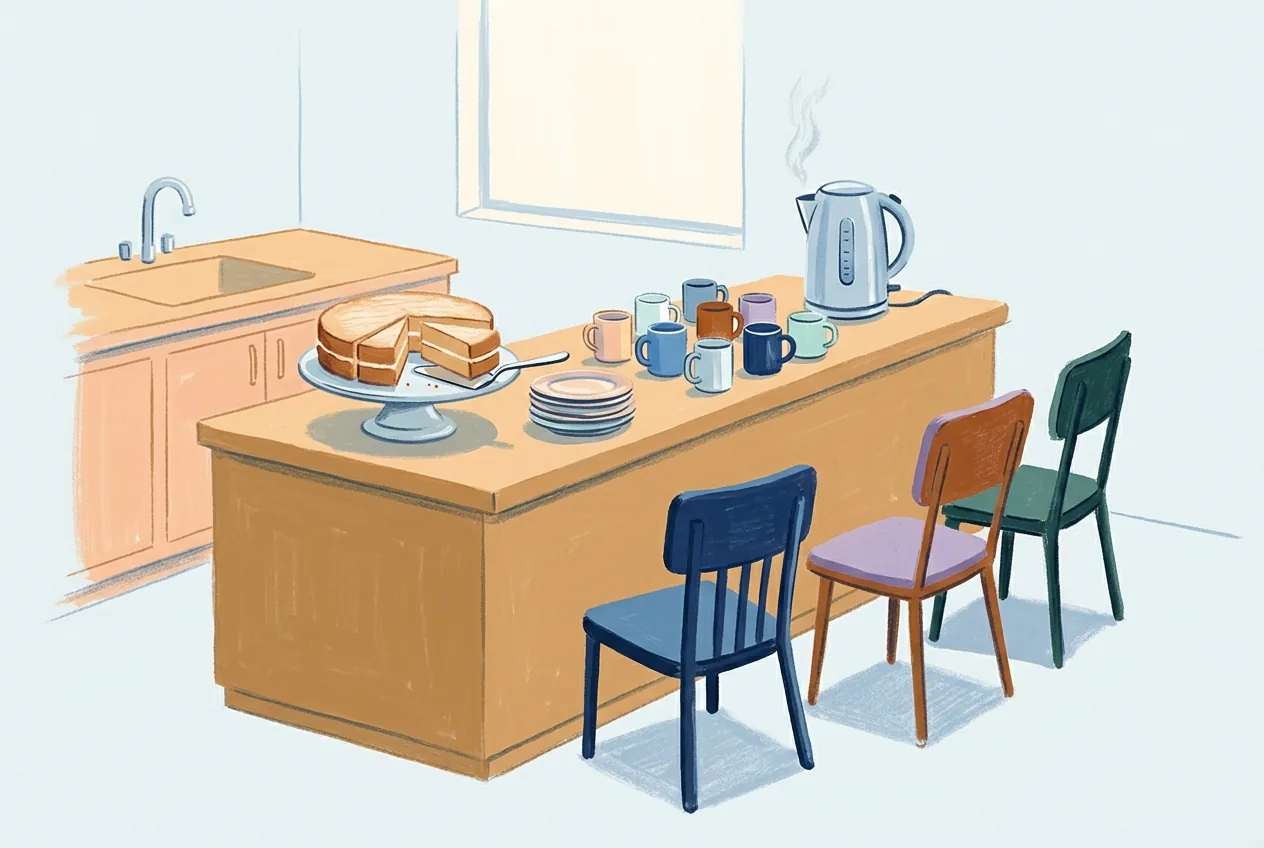
Host
Brings warmth and energy to working relationships, helping people feel welcome and involved.
-

Moderator
Cooperates, respects boundaries and authority, and avoids pressing others too hard.
-
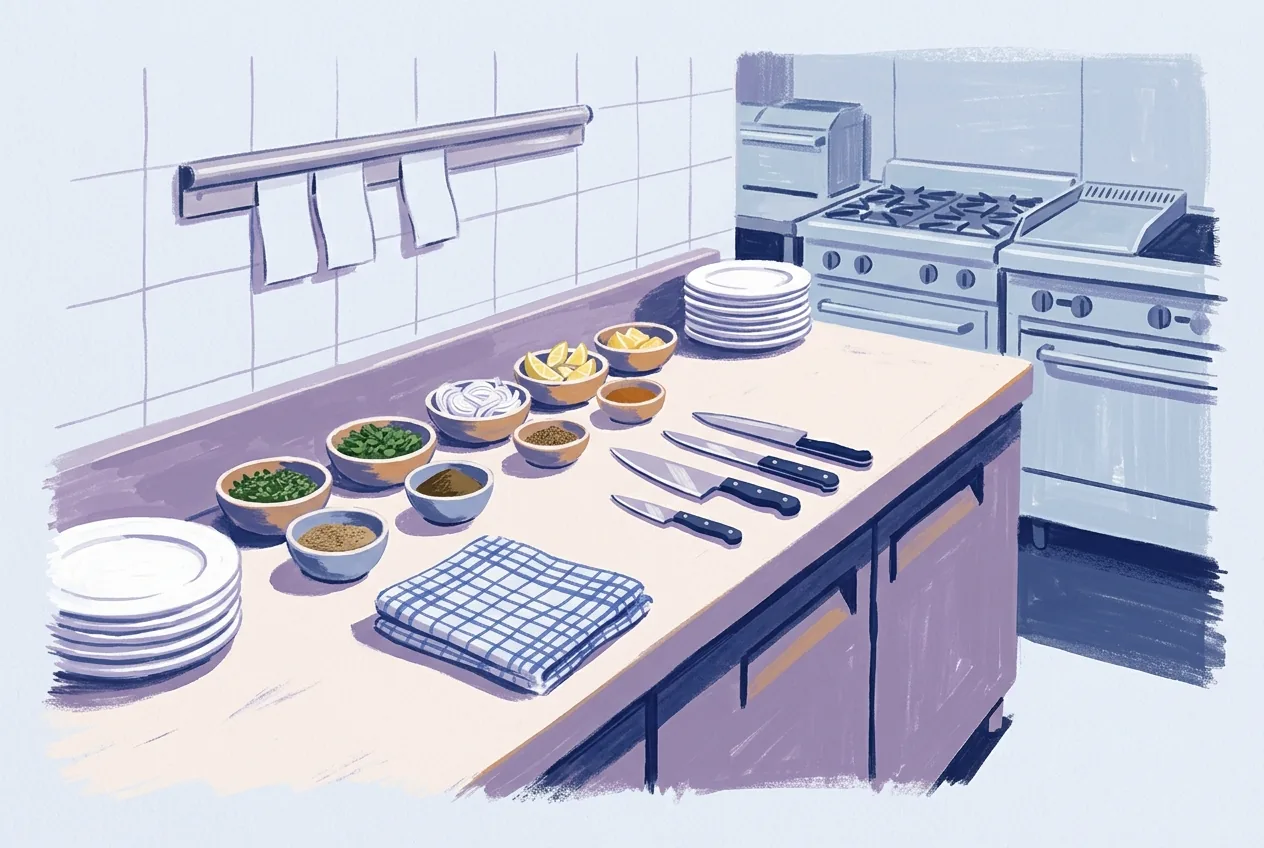
Planner
Creates order, follows plans, and keeps rules and details from slipping through.
Find the style that leads
40 statements show which style leads and how Initiator, Host, Moderator, and Planner blend in the result.

Questions
Is one style better than another?
No. Each scale describes a preference, and both ends of each one bring something useful along with something that can get in the way. The four styles aren’t a ranking, and one doesn’t automatically suit a particular job.
Can more than one style lead?
Yes to both possibilities. Styles close together at the top share the lead, while all four close together make a balanced blend with no leading style. That’s a result, not a failure to produce one.
Where do the four names come from?
The four names are ours, written for this site. The scales underneath them are published and public domain. A researcher named the scales Assertiveness, Enthusiasm, Politeness, and Orderliness, while Initiator, Host, Moderator, and Planner are our labels.
How is this different from Personality?
The Personality Type assessment gives five broad traits. Work styles takes four narrower scales from three of those traits and reads them against each other, which gives a different view of the same ground. 4 of its 40 statements also appear, worded the same way, in the Personality Type assessment, and each assessment keeps its own answers. Neither assessment is more accurate.
Where does this come from?
The statements are public domain and come from the International Personality Item Pool.[1] They form four scales published in a 2007 paper.[2] A result is compared with 480 adults from the Eugene-Springfield community sample in Oregon who answered the statements by mail between 1994 and 2002. The group’s own answers give the average, the spread and the percentile.
- 1 The statements come from the International Personality Item Pool (ipip.ori.org), which is in the public domain. They form four scales published by DeYoung, Quilty, and Peterson in 2007, reworded to “you”.
- 2 DeYoung, C. G., Quilty, L. C., & Peterson, J. B. (2007). Between facets and domains: 10 aspects of the Big Five. Journal of Personality and Social Psychology, 93(5), 880–896. Table 5. Link