
Types / Interest types
Interest types
Find work that holds your attention.
This library brings together 30 interest types, each pairing two kinds of work that can hold your attention. Browse the pairings and example jobs, or take the Career assessment to find yours and use it as a starting point for work worth exploring.

Where these types come from
John Holland, a psychologist, developed this approach so you could compare yourself with kinds of work described in the same words instead of guessing. You can find occupations described with the same six interests in the job database run by the U.S. Department of Labor, which lets each type page show example jobs. Your interest type is your top two interests in order, strongest first, from combinations of Realistic, Investigative, Artistic, Social, Enterprising, and Conventional. You can use it to explore work, but it does not measure how good you are at anything or settle a career decision.
The interest hexagon
Six interests
- RRealisticPractical, hands-on work with tools, machines, plants, or animals.
- IInvestigativeObserving carefully, researching questions, and working through complex problems.
- AArtisticOpen-ended work that makes room for self-expression, imagination, and original ideas.
- SSocialTeaching, advising, caring for, and working alongside other people.
- EEnterprisingLeading, influencing, persuading, and getting new ventures off the ground.
- CConventionalClear structure, accurate records, data, and systems people can count on.
-
SFirst letter
Your strongest pull
Your first letter marks the interest that pulls at you most strongly, from hands-on Realistic work to structured Conventional work. It points to the kinds of work and settings you are most likely to want, not a job you have to choose.
-
SEFirst two letters
Your type
Add your second-strongest interest. Order matters: the first letter is the stronger pull, while the second adds texture to it. The same two interests can therefore create two different pairings, depending on which one leads.
How the two interests relate
Every one of the 30 interest types lands in one of these three positions on the hexagon. Use the same positions to filter the cards below and compare pairings that are close, separated, or across from each other.
-
Side by side
Side by side on the hexagon12 types
A pair like Social and Enterprising, or SE, shares a natural thread, so one kind of work can often use both kinds of attention.
-
One type between
One type between them on the hexagon12 types
A pair like Social and Conventional, or SC, is related, but each interest brings something the other does not.
-
Across
Across from each other on the hexagon6 types
A pair like Realistic and Social, or RS, is not a contradiction, and it may point to work that changes between different kinds of attention.
All 30 interest types
Showing all 30 types.
Realistic
The Doer
Practical, hands-on work with tools, machines, plants, or animals.
5 types- RI+ Investigative
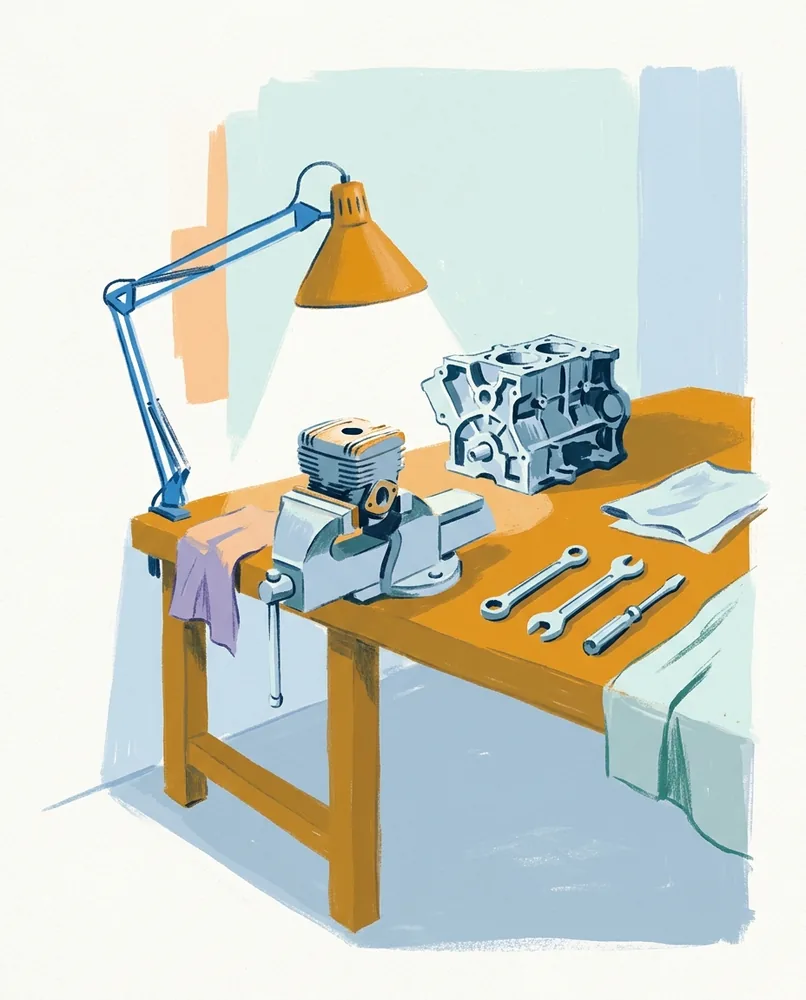
The Tinkerer
Quick to put your hands on the problem, then understand the system that produced it.
Side by side on the hexagon - RA+ Artistic

The Maker
someone who comes alive when a physical thing becomes both useful and unmistakably yours.
One type between them on the hexagon - RS+ Social

The Mender
someone who finds practical work most worthwhile when a real person is better off because you did it.
Across from each other on the hexagon - RE+ Enterprising

The Wrangler
at home turning practical work into an organized effort—from the materials to the people to the finish line.
One type between them on the hexagon - RC+ Conventional
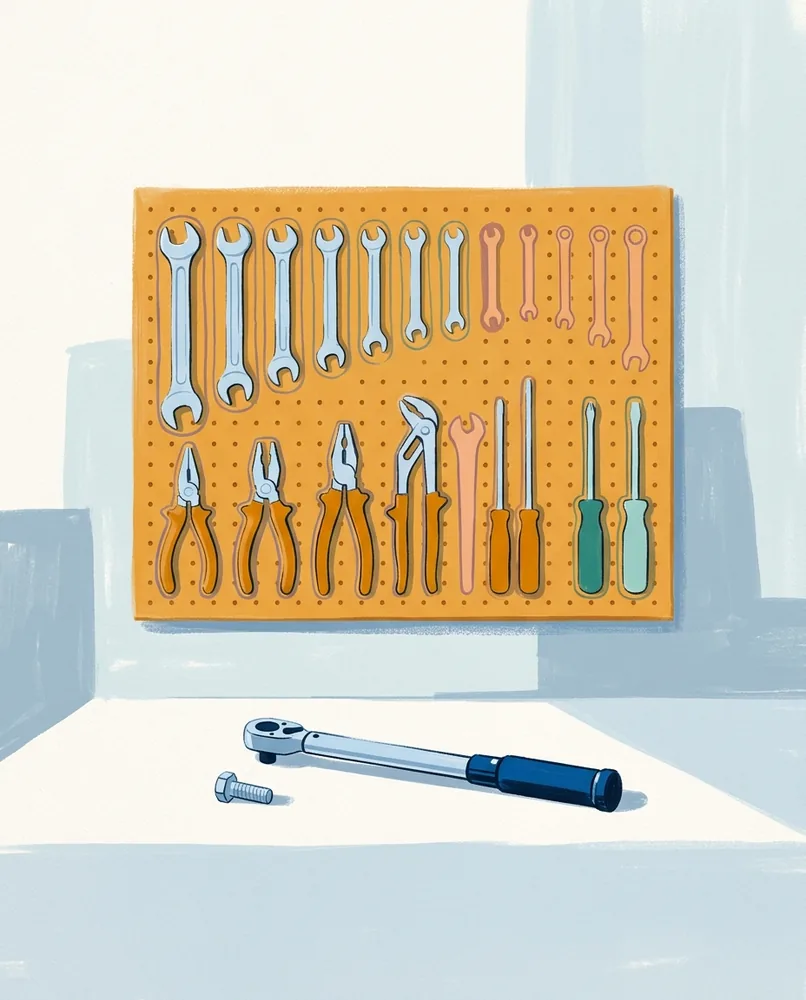
The Mechanic
Fond of a tidy toolbox, a dependable method, and a job done carefully enough that the next person can trust it.
Side by side on the hexagon
No Realistic types match this filter.
Investigative
The Thinker
Observing carefully, researching questions, and working through complex problems.
5 types- IR+ Realistic

The Experimenter
Curious enough to test a hunch in the backyard before trusting it.
Side by side on the hexagon - IA+ Artistic

The Theorist
Game for an old puzzle, especially one that needs a new explanation that still holds up.
Side by side on the hexagon - IS+ Social

The Sage
Glad to explain what you’ve figured out, as long as someone’s curious.
One type between them on the hexagon - IE+ Enterprising

The Tactician
Not one to let a careful answer stay in a drawer when it could settle a decision.
Across from each other on the hexagon - IC+ Conventional

The Codebreaker
Up for chasing one stray number until the whole sheet adds up.
One type between them on the hexagon
No Investigative types match this filter.
Artistic
The Creator
Open-ended work that makes room for self-expression, imagination, and original ideas.
5 types- AR+ Realistic
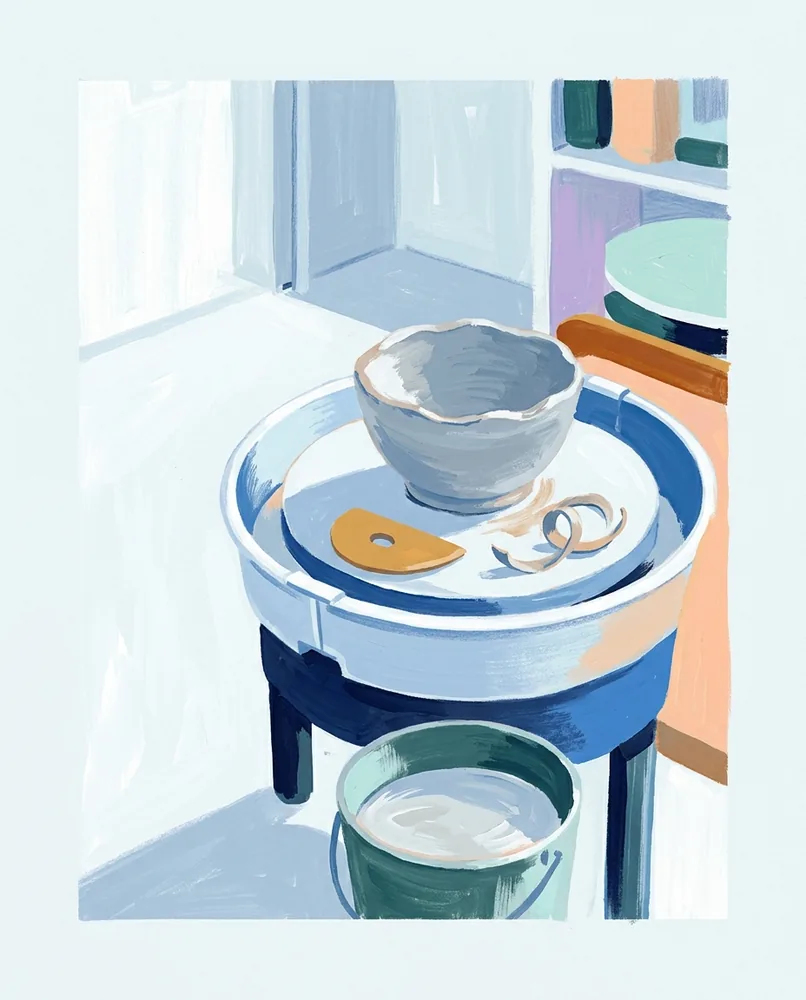
The Sculptor
Happiest when imagination becomes something tangible—and someone can use, notice, or feel it.
One type between them on the hexagon - AI+ Investigative

The Worldbuilder
as interested in why an idea works as in imagining it in the first place.
Side by side on the hexagon - AS+ Social

The Storyteller
someone who wants to make something that reaches people—and stay curious about what they receive from it.
Side by side on the hexagon - AE+ Enterprising

The Headliner
someone who needs an idea to reach another person before it feels fully alive.
One type between them on the hexagon - AC+ Conventional

The Curator
Particular about how things look, and just as particular about where they belong.
Across from each other on the hexagon
No Artistic types match this filter.
Enterprising
The Persuader
Leading, influencing, persuading, and getting new ventures off the ground.
5 types- ER+ Realistic

The Pioneer
Ready to turn a workable idea into something real—and make it pay its way.
One type between them on the hexagon - EI+ Investigative

The Navigator
Ready to take the lead once the evidence checks out.
Across from each other on the hexagon - EA+ Artistic

The Showrunner
Energized by getting creative projects made and in front of people.
One type between them on the hexagon - ES+ Social
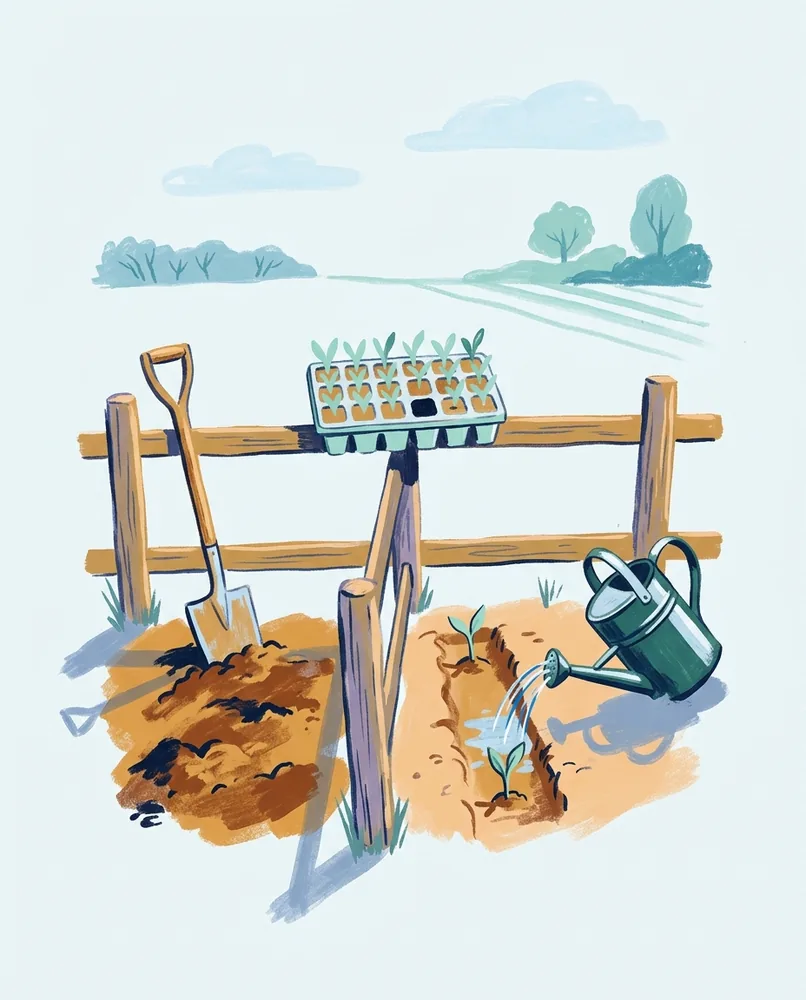
The Ambassador
energized by turning shared energy into movement—especially when the goal matters to people, not just to you.
Side by side on the hexagon - EC+ Conventional

The Director
Comfortable with a budget in one hand and a plan in the other.
Side by side on the hexagon
No Enterprising types match this filter.
Conventional
The Organizer
Clear structure, accurate records, data, and systems people can count on.
5 types- CR+ Realistic
The Keeper
happiest when every tool, part, and record has a place that still works for someone else.
Side by side on the hexagon - CI+ Investigative

The Archivist
Set on getting information right, tracing where it came from, and filing it where people can find it.
One type between them on the hexagon - CA+ Artistic

The Editor
Hooked on making creative work fit together, down to the last comma and the feeling it leaves behind.
Across from each other on the hexagon - CS+ Social

The Linchpin
Someone who likes keeping things organized so people get what they need, especially when the situation is busy or unclear.
One type between them on the hexagon - CE+ Enterprising

The Planner
Likely to have the budget and schedule worked out before the project starts.
Side by side on the hexagon
No Conventional types match this filter.
Find your own two letters
Rate 30 work activities from the O*NET Interest Profiler, a free U.S. Department of Labor tool, to find which of the 30 interest types is yours. Then see what draws or drains you, which jobs to explore, and how strong interests can narrow what you consider.

Questions
Where does this come from?
The numbered sources match the table on our method page. The personality statements come from the public-domain International Personality Item Pool, and the percentiles compare your answers with a published open data set of several hundred thousand people.
- 2 Nauta, M. M. (2010). The development, evolution, and status of Holland’s theory of vocational personalities. Journal of Counseling Psychology, 57(1), 11–22.
How do these assessments compare with other sites?
The six interests behind Nomigram’s Career assessment are the interests other sites often connect with RIASEC or Holland codes. They are Realistic, Investigative, Artistic, Social, Enterprising, and Conventional. Each of our 30 interest types pairs two of them, with the first interest listed before the second. Your type therefore describes a two-interest pattern, while your interest code contains your top three interests.
Nomigram is not affiliated with, endorsed by or sponsored by the Myers & Briggs Foundation, The Myers-Briggs Company or NERIS Analytics Limited, and the names are used here only to explain how our assessments relate to them. MBTI, Myers-Briggs and Myers-Briggs Type Indicator are trademarks or registered trademarks of the Myers & Briggs Foundation, Inc. in the United States and other countries. 16Personalities is a trademark of NERIS Analytics Limited.
Social
The Helper
Teaching, advising, caring for, and working alongside other people.
5 typesThe Medic
Quick to notice what needs doing—and willing to help in a way people can feel.
Across from each other on the hexagonRead the typeThe Guide
Inclined to ask what is really wrong before deciding how to help.
One type between them on the hexagonRead the typeThe Encourager
Full of ways to help that involve imagination, expression, and a little play.
Side by side on the hexagonRead the typeThe Coach
Big on helping people—and on finding the spark that gets them moving.
Side by side on the hexagonRead the typeThe Steward
The one who looks after people by making sure nothing slips through the cracks.
One type between them on the hexagonRead the typeNo Social types match this filter.