
Personality and Character
Honesty and humility, sixth trait

See how six traits and 24 facets, the narrower habits inside each trait, describe the way you tend to come across at work and with the people around you. The sixth, honesty and humility, examines how you tend to respond when taking more would go unnoticed, a question no five-trait assessment covers.
Free interpretation of your answers when you sign in
The full report is $50.
100% money-back guaranteeNot happy with your full report? Ask for a refund within 30 days.
For a shorter five-trait view with a four-letter type, take Personality Type. Try Personality Type
Step 1 of 24
Describe yourself as you are now, not as you think you should be or hope to become.
Statement 1: You don’t pretend to be more than you are.
Statement 2: You like to do frightening things.
Statement 3: You talk a lot.
Statement 4: You love your enemies.
Statement 5: You can’t settle in until your surroundings are arranged.
Statement 6: You believe in the importance of art.
Statement 7: You would never accept credit for work someone else did.
Statement 8: You rarely feel tense while waiting to learn how something turned out.
Statement 9: You’re good at making impromptu speeches.
Statement 10: You rarely complain.
You’ll need to agree to the Terms of use to continue. None of these answers have been added to the research pool, and you can agree later.
What decades of research reveal
These findings come from published research on personality traits. They describe patterns across large groups, not predictions about what will happen to any one person.
-
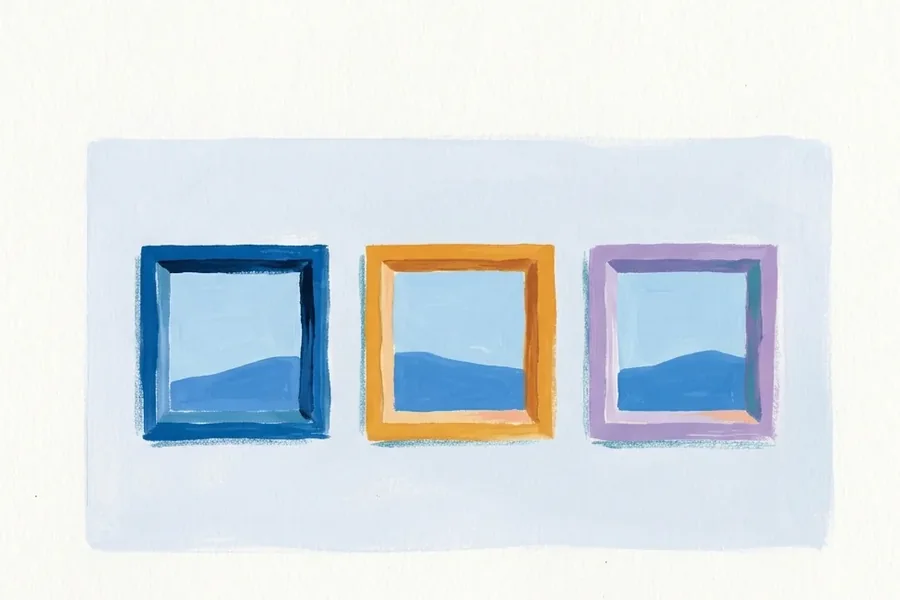
Traits predicted life outcomes as well as family money
Personality traits predicted how long people lived, whether marriages ended, and what work people ended up doing about as well as family money and cognitive ability did.
Roberts, Kuncel, Shiner, Caspi & Goldberg (2007). Perspectives on Psychological Science 2(4), 313–345.
-
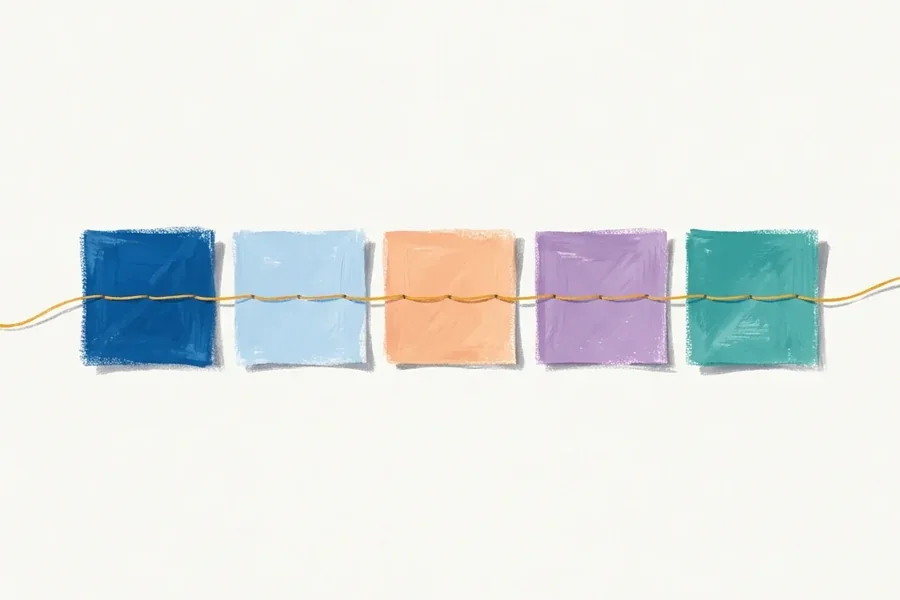
Across five occupations, conscientiousness predicted performance
Conscientiousness, which covers planning ahead, staying organized, and finishing what you start, predicted job performance across five kinds of work, while extraversion related to it in managing and sales.
Barrick & Mount (1991). Personnel Psychology 44(1), 1–26.
-
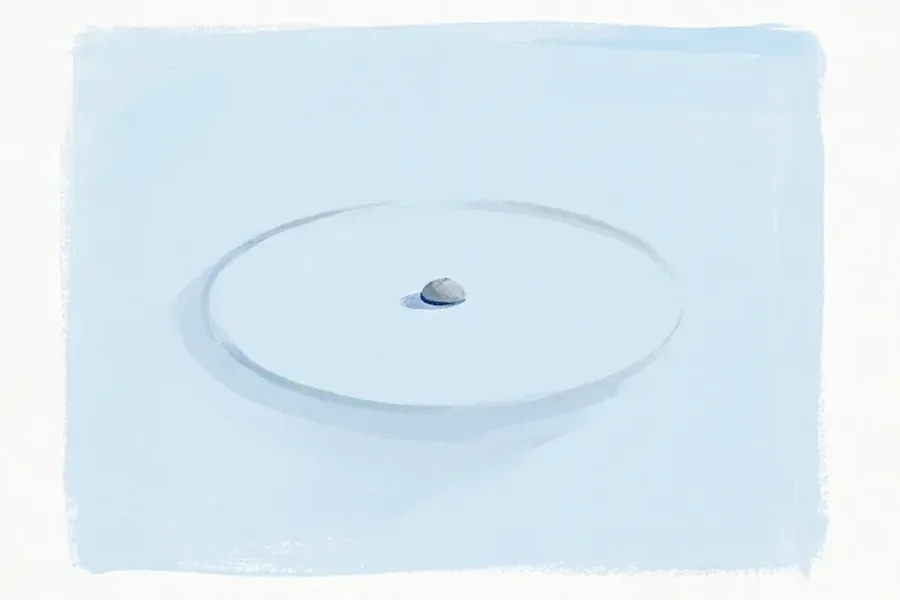
Higher conscientiousness went with slightly longer life
Across 20 long-term studies, the correlation between conscientiousness and how long people lived was real but small, at 0.11. Persistence and being organized were the strongest parts of the trait.
Kern & Friedman (2008). Health Psychology 27(5), 505–512.
-
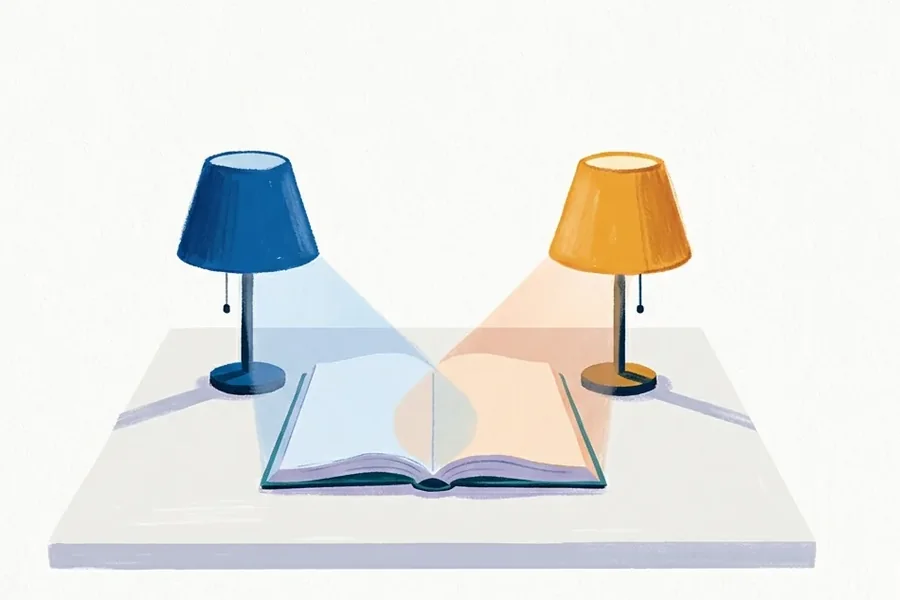
Conscientiousness added as much as intelligence
Across studies of more than 70,000 students, conscientiousness added as much as intelligence to predicting later academic performance after earlier school results were accounted for.
Poropat (2009). Psychological Bulletin 135(2), 322–338.
What does it measure?
You’ll see five broad traits familiar from five-trait personality models, plus honesty and humility. Each trait has four narrower facets, while the sixth adds fairness, sincerity, modesty, and your relationship with status and money.
Honesty and humility
How much you value sincerity, fairness, modesty, and staying free from the pull of status or money.
More drawn to status , More drawn to fairness
Emotionality
How much you feel physical risk, worry, need for support, and other people’s emotions.
More emotionally steady , More emotionally responsive
Extraversion
How much you express yourself, seek company, speak up, and bring energy into your surroundings.
More comfortable apart , More energized with people
Agreeableness
How you react when people annoy or wrong you, from letting things go to becoming irritated or firm.
More ready to push back , More ready to let go
Conscientiousness
How much you organize, work steadily, notice details, and think ahead before acting.
More open to spontaneity , More guided by plans
Openness
How much you seek beauty, ideas, imagination, and ways of seeing the world beyond convention.
More drawn to what works , More drawn to new possibilities
What is this assessment?
240 statements
Ratings use the scale from Very Inaccurate to Very Accurate, 10 at a time
6 traits
- Honesty and humility
- Emotionality
- Extraversion
- Agreeableness
- Conscientiousness
- Openness
Honesty and humility is the sixth trait left out of five-trait assessments
24 facets
Each trait has 4 facets, with scores out of 5
460 adults
Eugene-Springfield Community Sample adults who answered every statement by mail, 1994 to 2003

You’ll answer statements built from six traits found by studying the words people use for personality across many languages. The 240 public-domain statements come from scales Ashton, Lee, and Goldberg published in 2007. We rewrote them in direct “you” language without changing what they measure.
You’ll rate each statement on a five-point scale from Very inaccurate to Very accurate, ten at a time. Your scores are compared with 460 adults from the same study’s community sample in Oregon, and the group’s own answers give the average, the typical range and your percentile.
Why take it here?
See the sixth trait
You’ll see honesty and humility alongside the other five traits, adding a clearer view of fairness, sincerity, modesty, and your attitude toward status or money.
See what’s inside
You’ll get 24 facets rather than six broad scores alone, so your result can show which narrower patterns help define each trait.
Compare yourself fairly
You’ll compare your scores with 460 adults from the 2007 study’s community sample, with the group’s own answers giving the average, the typical range and your percentile.
Paid back in full
If you decide the full report was not worth buying after reading it, you can have everything you paid returned within 30 days of purchase without giving a reason.

What the full report shows about you
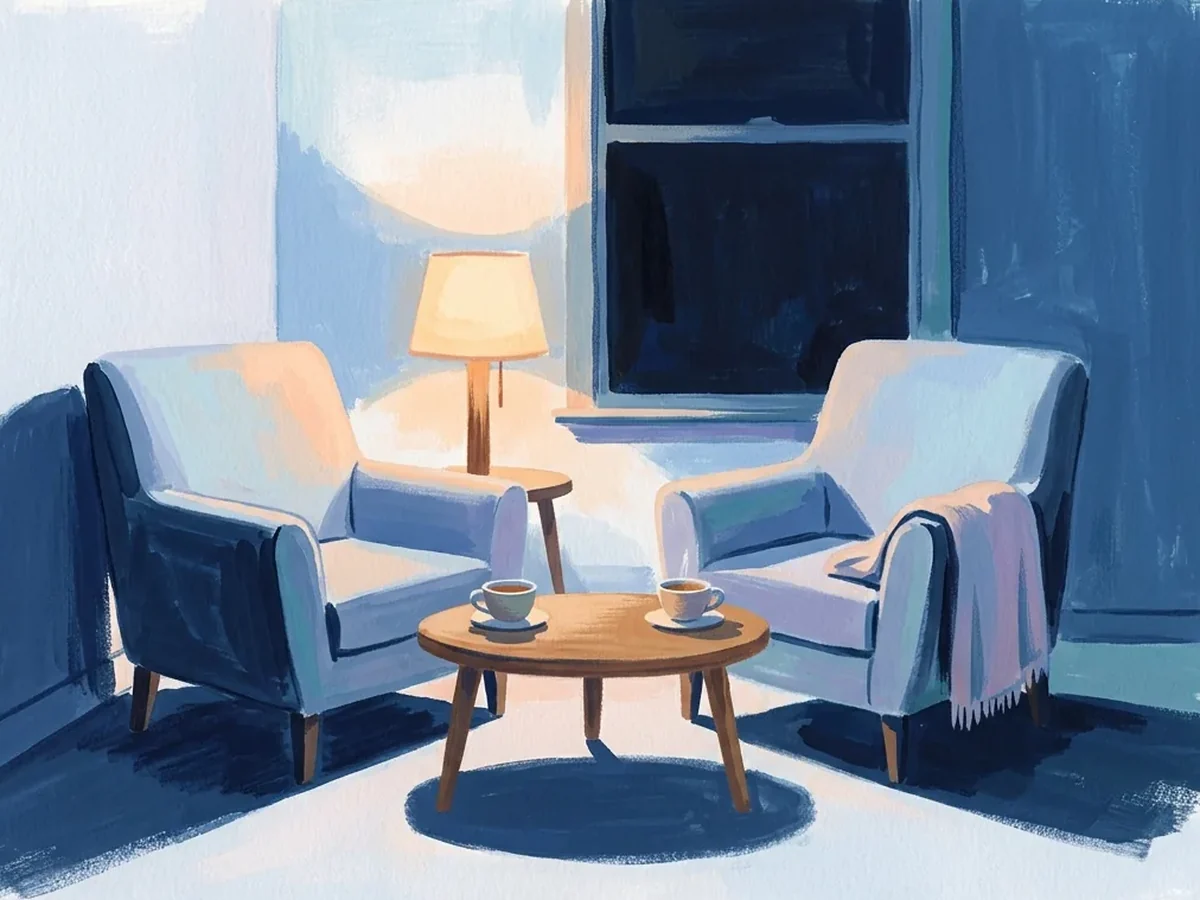
The paintings, sections, and reading times here come from a made-up person’s report. Your report would be written from your own answers.
-
The sixth trait
What you do when nobody would know, how you respond after a line is crossed, and what the sixth trait adds.
- How you treat people
- What the sixth trait adds
- Honesty and humility
about 13 min
-
The other five traits
What each trait gives you, what it costs you, and the blind spot it leaves.
- Emotionality
- Extraversion
- Agreeableness
- Conscientiousness
- Openness
about 20 min
-
Work and relationships
How you come across at work, with people, and to people unlike you, and what tends to help.
- At work
- With people
- How people unlike you see you
about 7 min

Contents
13 sections, 12,697 words, about 46 minutes.
- About this report about 1 min
The sixth trait
How you treat people about 5 min- What the sixth trait adds about 3 min
- Honesty and humility about 5 min
The other five traits
Emotionality about 4 min- Extraversion about 4 min
- Agreeableness about 4 min
- Conscientiousness about 4 min
- Openness about 4 min
Work and relationships
At work about 2 min- With people about 1 min
- How people unlike you see you about 4 min
How you answered
Your answers about 5 min


Common questions
Why are there 240 statements?
You’ll answer ten statements for each of 24 facets, the narrower habits that make up each broad trait, so your report can show the detail within those broader traits. You’ll see a short breather note after every 60 statements.
How is this different from a five-trait assessment?
You’ll see one additional trait here: honesty and humility. This assessment also groups some ideas differently. Patience and a quick temper belong more to agreeableness here, while feeling for other people belongs more to emotionality. Emotionality is not an anger score. The two assessments use different statements, so they give you separate results rather than one result translated into two systems.
Where do the statements come from?
You’ll answer public-domain scales published in 2007 by Ashton, Lee, and Goldberg in Personality and Individual Differences. They were created as a free alternative to the official research questionnaire, which is for research use only and is not used here. We reworded the statements to address you directly. The reliability figures describe the original wording, not ours. In the original study, facet reliability ran from .69 to .88 and trait reliability from .88 to .92, with trait scores closely matching the official questionnaire.
What happens to my answers?
We keep your personal information private and never sell it, while anything that identifies you goes only to the companies needed to run the site and take a payment. To delete your account and everything saved in it, email us at hello@nomigram.com from the account’s own address.
How do these assessments compare with other sites?
The six traits in Nomigram’s Personality and Character assessment come from the HEXACO model, developed by Kibeom Lee and Michael C. Ashton. HEXACO adds honesty and humility to five traits close to the Big Five. This assessment uses 240 public-domain IPIP statements written for those traits and facets, rather than the researchers’ own inventory. The model and the inventory are separate, so the questions and scoring are not the same.
Nomigram is not affiliated with, endorsed by or sponsored by the Myers & Briggs Foundation, The Myers-Briggs Company or NERIS Analytics Limited, and the names are used here only to explain how our assessments relate to them. MBTI, Myers-Briggs and Myers-Briggs Type Indicator are trademarks or registered trademarks of the Myers & Briggs Foundation, Inc. in the United States and other countries. 16Personalities is a trademark of NERIS Analytics Limited.
Other assessments
Each assessment gives you its own result, and completing another adds that result to your results page alongside the others.
What you’re like

See your patterns
Personality Type
You get a reading of how you work, how you are with people close to you, and what happens under pressure. The report also names the habit that feels natural to you but may be hardest for others to live with.
Take the assessment
Discover detail within each trait
Personality Facets
Your 30 personality facets show where two parts of the same trait point in different directions, such as being exact about deadlines but loose about tidiness. You can see what each contrast may mean for the people around you.
Take the assessment
Your work life

Find work that fits
Career
You see which parts of a working day pull you in and which drain you. The report names where a strong interest may narrow the work you consider and gives you example jobs to look into.
Take the assessment
How you work with others
Work styles
You see which of four work styles leads for you, what feels reasonable under pressure, and how the same behavior may land on someone working differently. You learn where friction starts with colleagues and how to work with the other three styles.
Take the assessment
Life and self-esteem

Find where attention matters most
Five pillars
You rate health, money and work, relationships, outlook on life, and beauty twice, for how each is going and how much it matters to you. The report starts with the part where what you want and what you have are furthest apart.
Take the assessment
Understand your self-esteem
Self-esteem
Answer 10 statements about how you regard yourself, then see what tends to raise or lower self-esteem. Learn how your score tends to move over the years, how steady it usually is, and where it shows at work and in close relationships.
Take the assessment