
Types / Personality facets
Inside the five traits
See the differences, beneath the broad score.
Thirty facets show the narrower parts beneath five broad personality traits. Browse the library to see what each scale describes, then take the assessment for a reading across all 30.

What a facet adds
A facet is one of six narrower parts inside a broad trait. Each one comes from four public-domain statements published in 2014, giving 30 facets across five traits. Two people with the same broad score can land in opposite places underneath. These scales describe positions on their own, with no comparison to other people, and they don’t diagnose, predict, or measure ability.
One broad scale
Conscientiousness
Leaves things around Keeps things tidySix parts of Conscientiousness
- Task confidence Feels less sure Feels capable
- Tidiness Leaves things around Keeps things tidy
- Keeping promises Treats rules flexibly Stands by promises
- Hard work Does what’s needed Goes the extra mile
- Follow-through Struggles to start Carries plans through
- Careful decisions Acts on impulse Thinks things through
-
Thirty narrower scales
Five traits have six facets each, making 30 scales in all. Each facet uses four statements from a public-domain set published in 2014. The names on these cards are ours, written in plain English for this site.
-
When parts pull apart
A person can come out high on a trait and low on one of its six parts. Someone might finish every task and still leave the desk in a state. The broad score and the narrower details can point in different directions.
-
Know what it measures
The typical range comes from 320,128 U.S. adults who answered the original statements online during the roughly 12 years before 2014. It compares a score with their published average and spread, instead of presenting a percentile. The reading offers no diagnosis, prediction, or statement about ability.
Browse all 30 facets
The cards are grouped beneath the five broad traits. Each trait name links to its own page, where the six related facets are explained together.
Extraversion
See the trait pageWhere your energy tends to come from, and how readily you direct it toward people, activity, and the outside world.
-
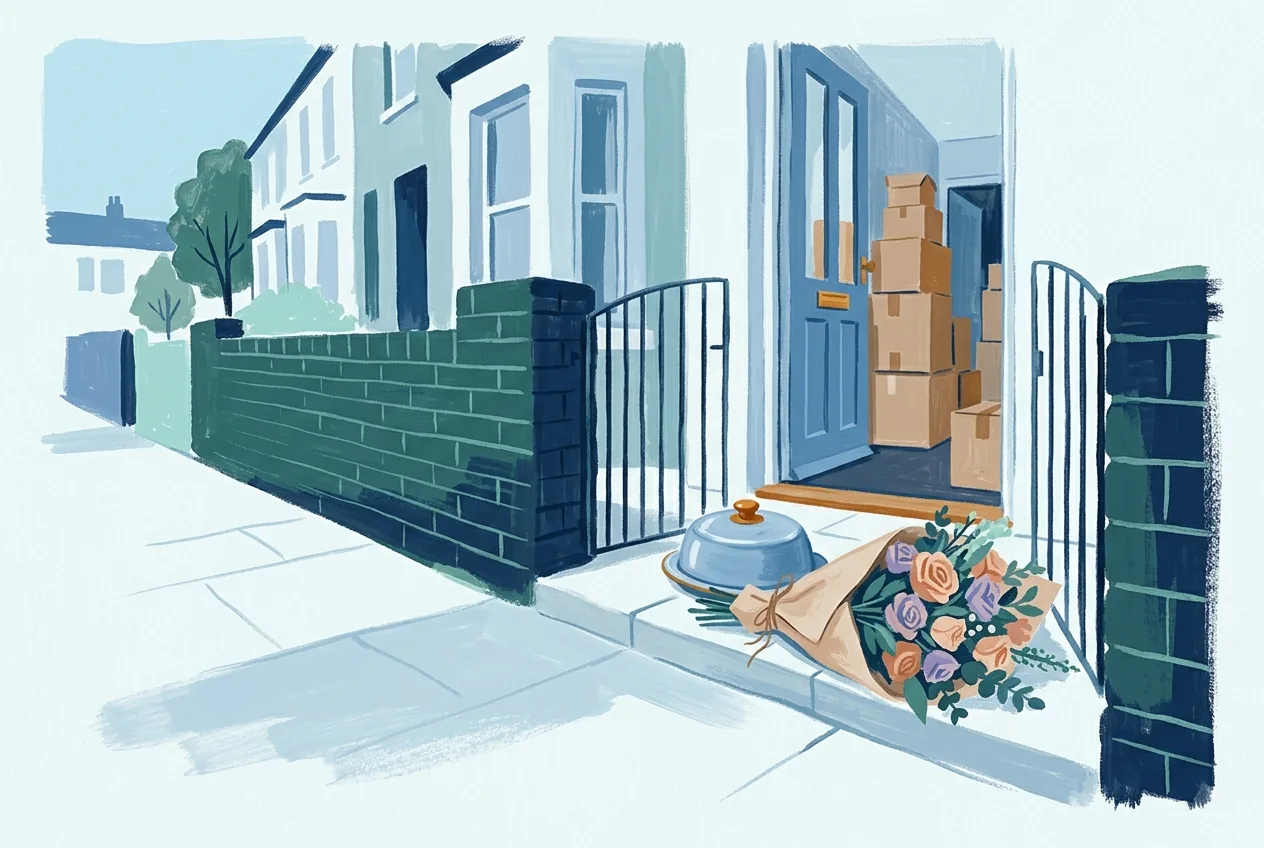
Making friends
How naturally you connect with people and feel comfortable around them.
-

Crowd comfort
How much you enjoy crowds, large gatherings and talking with many people.
-
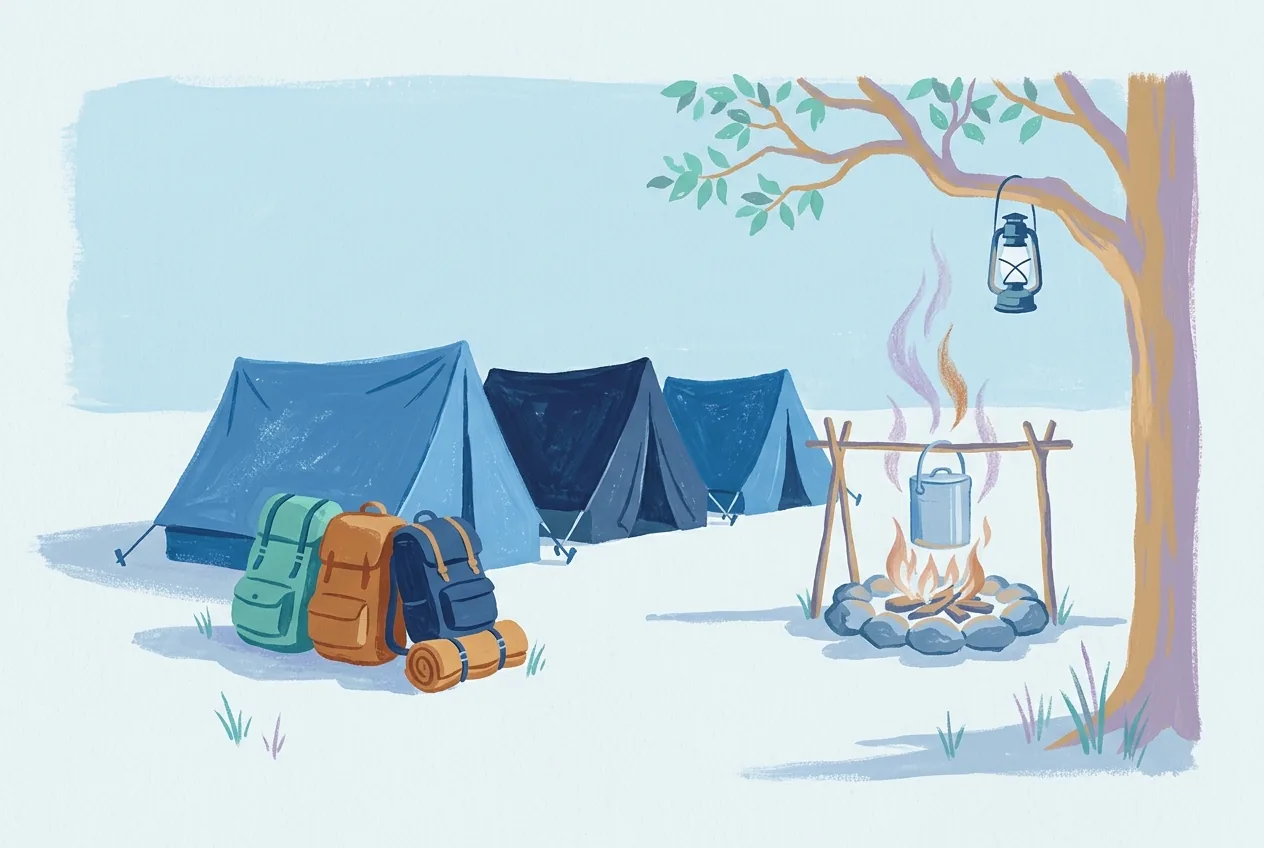
Taking charge
How readily you lead, take control and decide what should happen next.
-
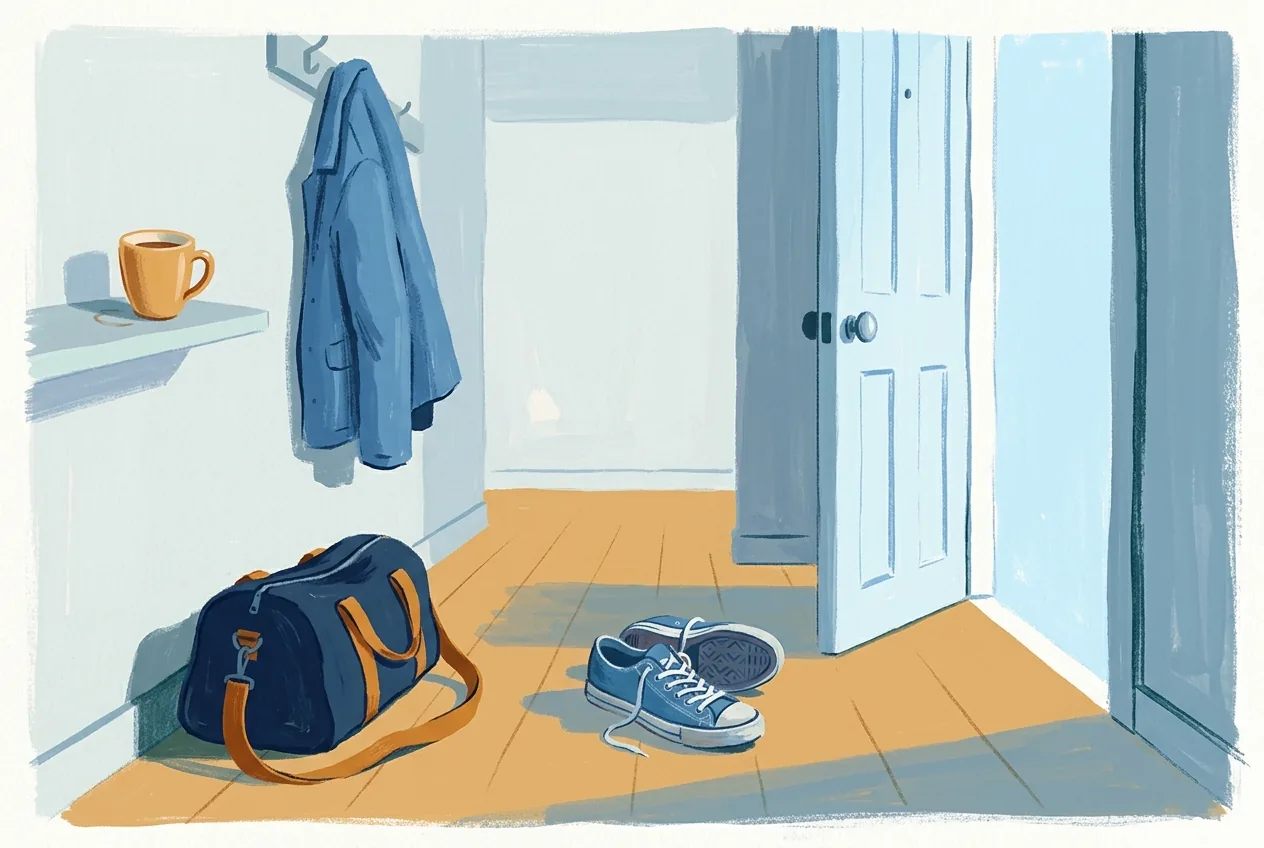
Life pace
How much you like staying busy, active and involved throughout your day.
-

Thrill seeking
How much you seek excitement, adventure, and experiences with some risk.
-
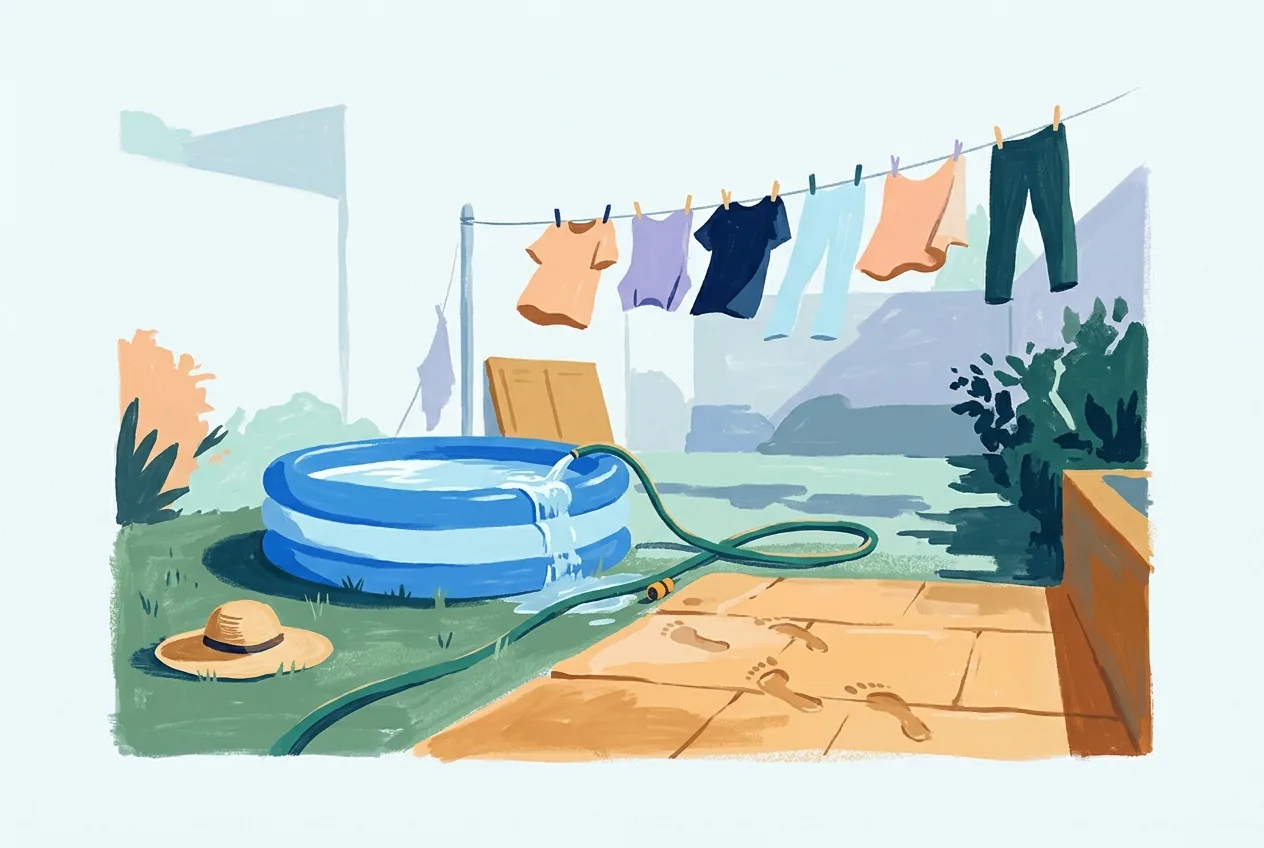
Joy
How readily you feel joy, have fun and look on the bright side.
Agreeableness
See the trait pageHow readily you make room for other people, and how you balance cooperation with your own needs, standards, and point of view.
-

Trust in people
How readily you believe that other people are honest and mean well.
-
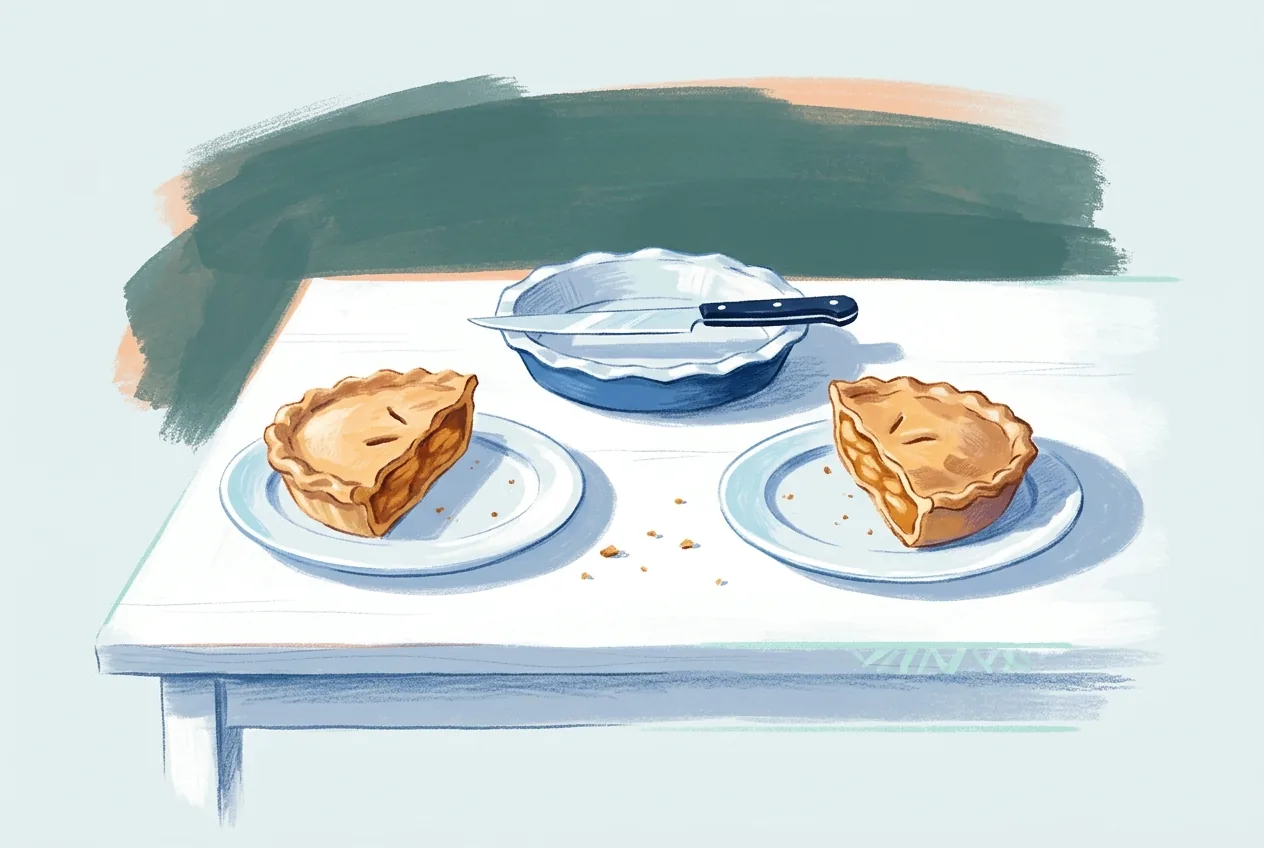
Fair dealing
How strongly you avoid using, cheating or exploiting people to get ahead.
-
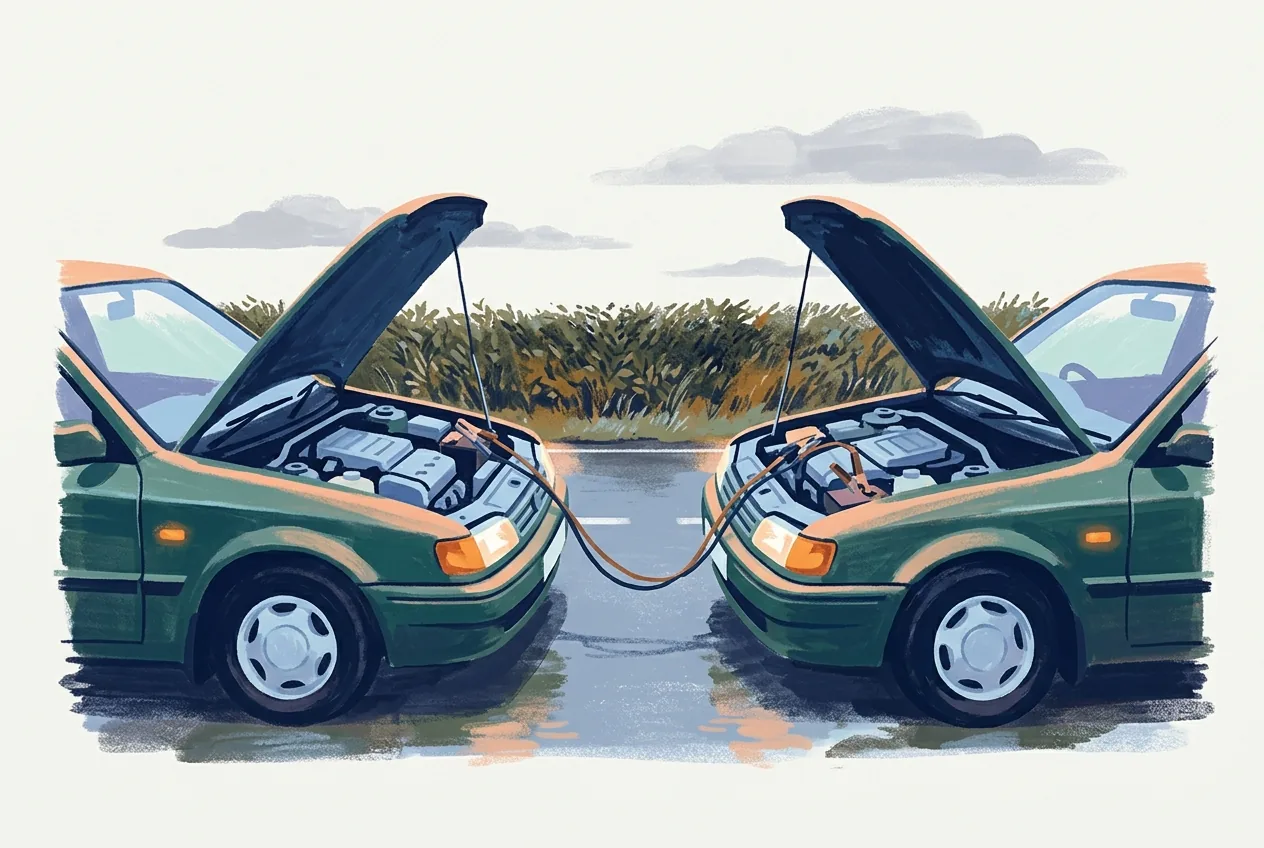
Helping others
How naturally you notice others’ needs and make time to help them.
-
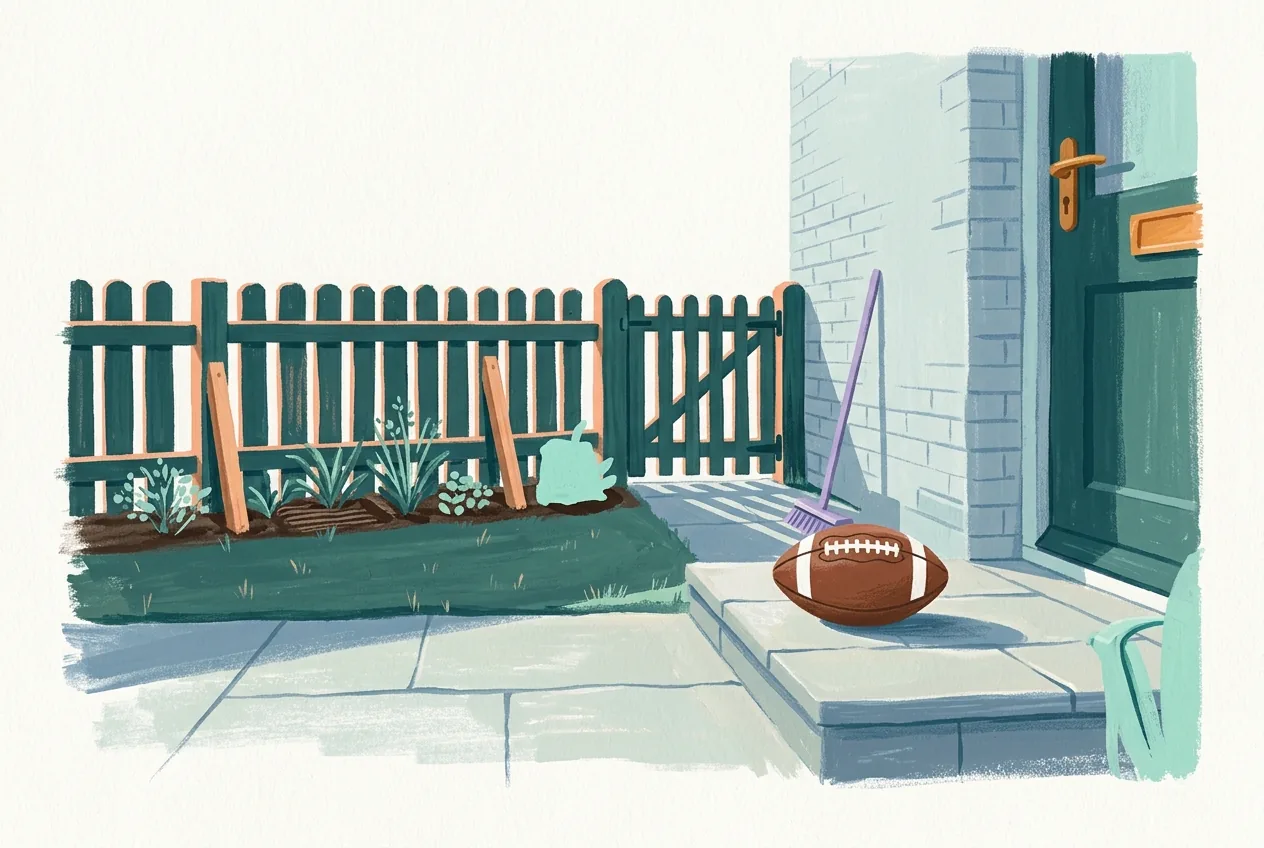
Keeping peace
How much you avoid fights, insults, retaliation and escalating disagreements.
-

Humility
How much you avoid seeing yourself as better than others or boasting.
-

Concern for people struggling
How strongly you respond to people who are struggling or worse off.
Conscientiousness
See the trait pageHow strongly you turn intentions into plans, systems, and finished work.
-
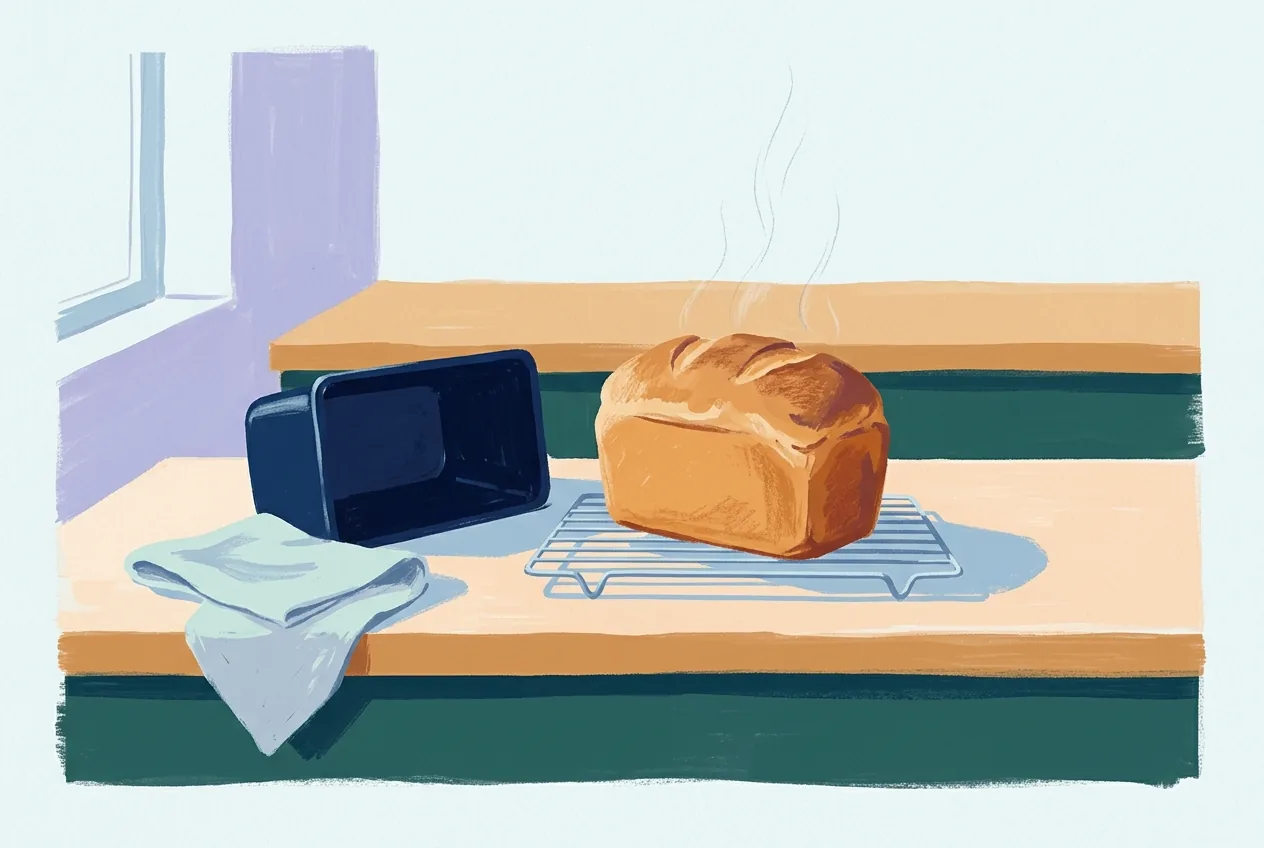
Task confidence
How sure you feel that you can complete tasks and handle things smoothly.
-

Tidiness
How naturally you put things away, tidy up and keep your surroundings orderly.
-

Keeping promises
How firmly you keep your word, tell the truth and follow rules.
-
Hard work
How strongly you push yourself to work hard and do more than expected.
-

Follow-through
How consistently you prepare, start tasks, carry out plans and keep going.
-
Careful decisions
How much you pause to think before acting or making a decision.
Emotional stability
See the trait pageHow strongly and how long difficult feelings tend to move through you.
-

Calm outlook
How calmly you face possible problems, fear and stressful situations.
-
Even temper
How steadily you handle irritation, anger and situations that test your patience.
-

Steady mood
How steady your mood feels and how comfortable you feel with yourself.
-
Social ease
How comfortably you approach people and draw attention in social situations.
-
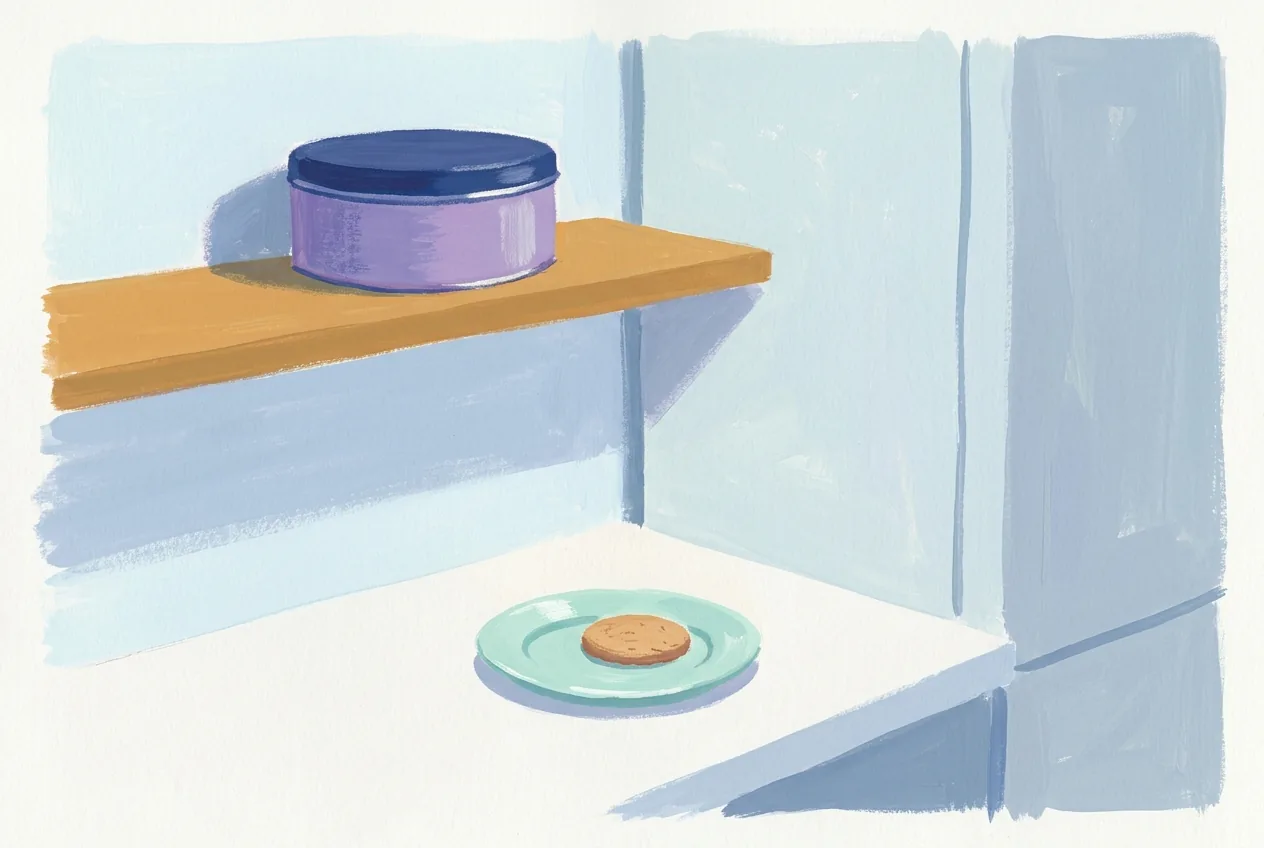
Self-restraint
How readily you resist cravings, temptation and the urge to overindulge.
-
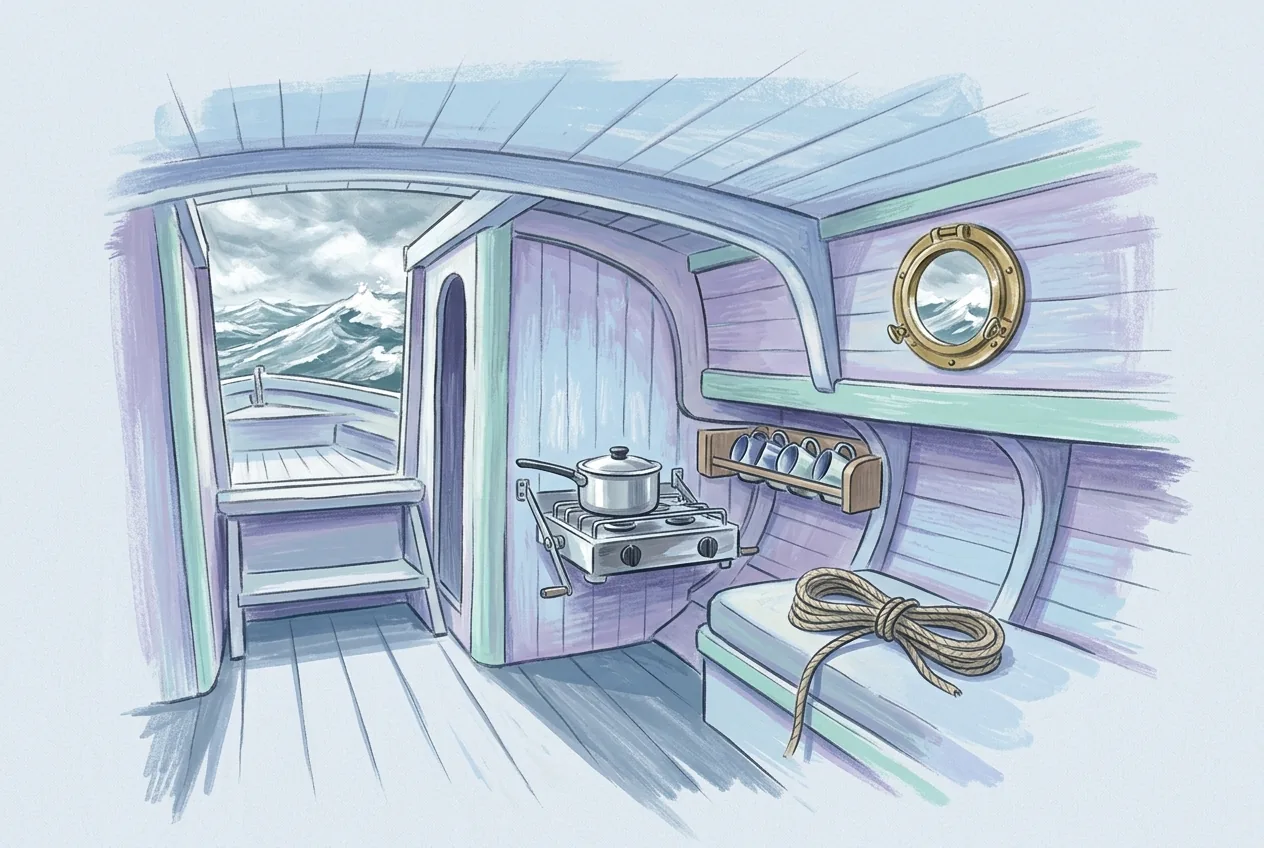
Calm under pressure
How calmly you respond when demands pile up and situations feel overwhelming.
Openness
See the trait pageHow readily your attention moves toward ideas, imagination, possibilities, and experiences that are not yet familiar.
-
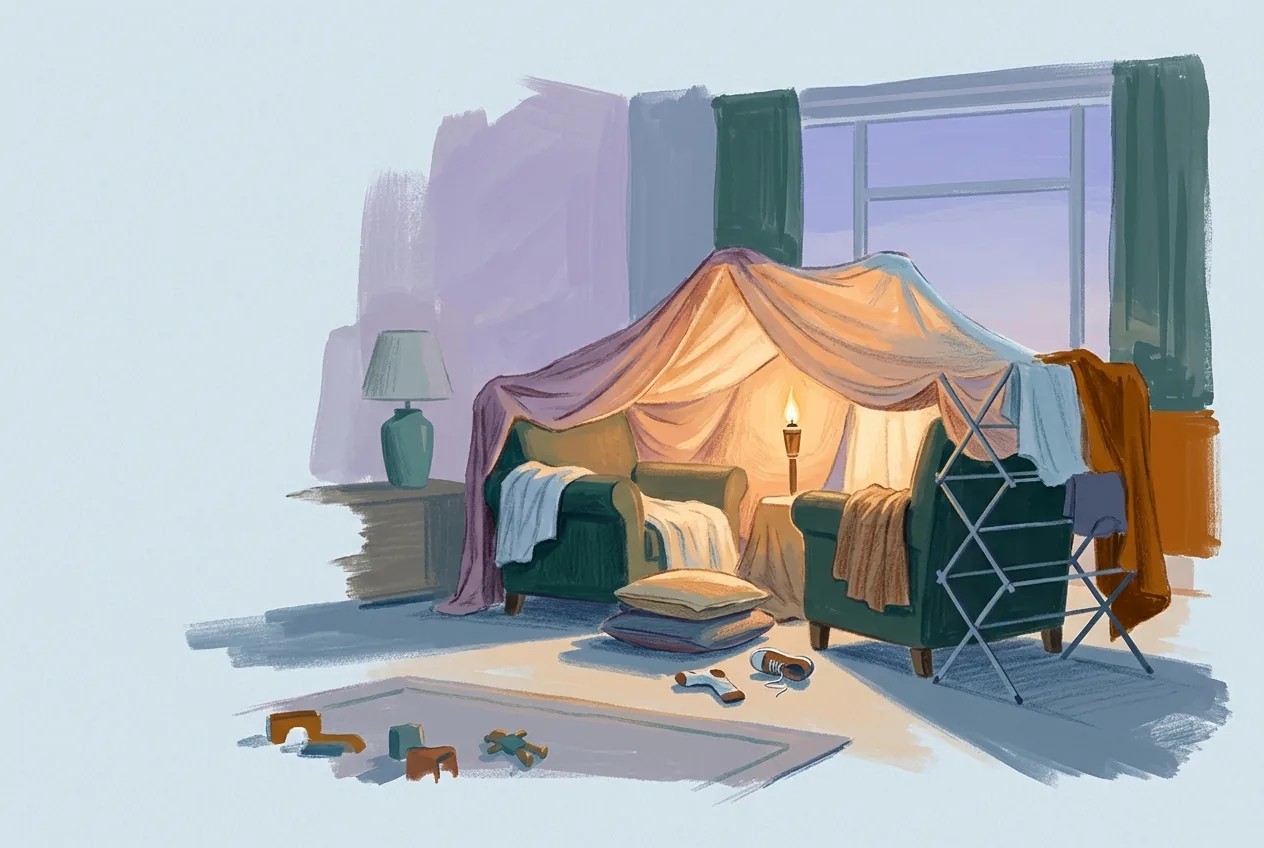
Vivid imagination
How vividly you imagine, daydream and become absorbed in thoughts or fantasy.
-

Love of beauty
How strongly art, poetry and beauty catch your attention and matter to you.
-

Emotional awareness
How closely you notice your own feelings and sense what others feel.
-

Welcoming change
How readily you choose variety, welcome change and move beyond familiar routines.
-

Love of ideas
How much you enjoy abstract, theoretical or philosophical questions and discussion.
-

Questioning tradition
How readily you question authority, convention and established ways of seeing things.
Find all 30 parts
Answer 120 short statements to see where the result lands across all 30 facets.

Questions
How is this different from the five traits?
This uses the same five traits, cut into finer parts. The Personality Type assessment gives the five broad scores and the four-letter type, while this one gives the 30 facets underneath. 14 of its 120 statements also appear, worded the same way, in the Personality Type assessment, and each assessment keeps its own answers. This assessment has no comparison group, while the Personality Type assessment does.
What if a facet disagrees with its trait?
That happens often, and it’s the reason to look at facets at all. A broad score is an average of six parts, so one part can point the other way. Nothing is wrong when the details don’t line up neatly.
Who is the reader compared with?
A score is compared with 320,128 U.S. adults who answered the original statements online during the roughly 12 years before 2014. Their published average and spread provide a typical range for each facet, instead of a percentile or rank. The site’s other assessments also name the group used for comparison.
Where do the 30 facet names come from?
The statements and their grouping into 30 facets are published and public domain. The names on the cards are ours, written for this site so they read as plain English instead of research labels.