
Feels overwhelmed
When several demands arrive together, people toward this end may lose track of priorities. The situation can make ordinary decisions feel difficult and narrow attention to whichever problem seems most urgent.
Types / Personality facets / Calm under pressure
A facet inside Emotional stability
How calmly you respond when demands pile up and situations feel overwhelming.
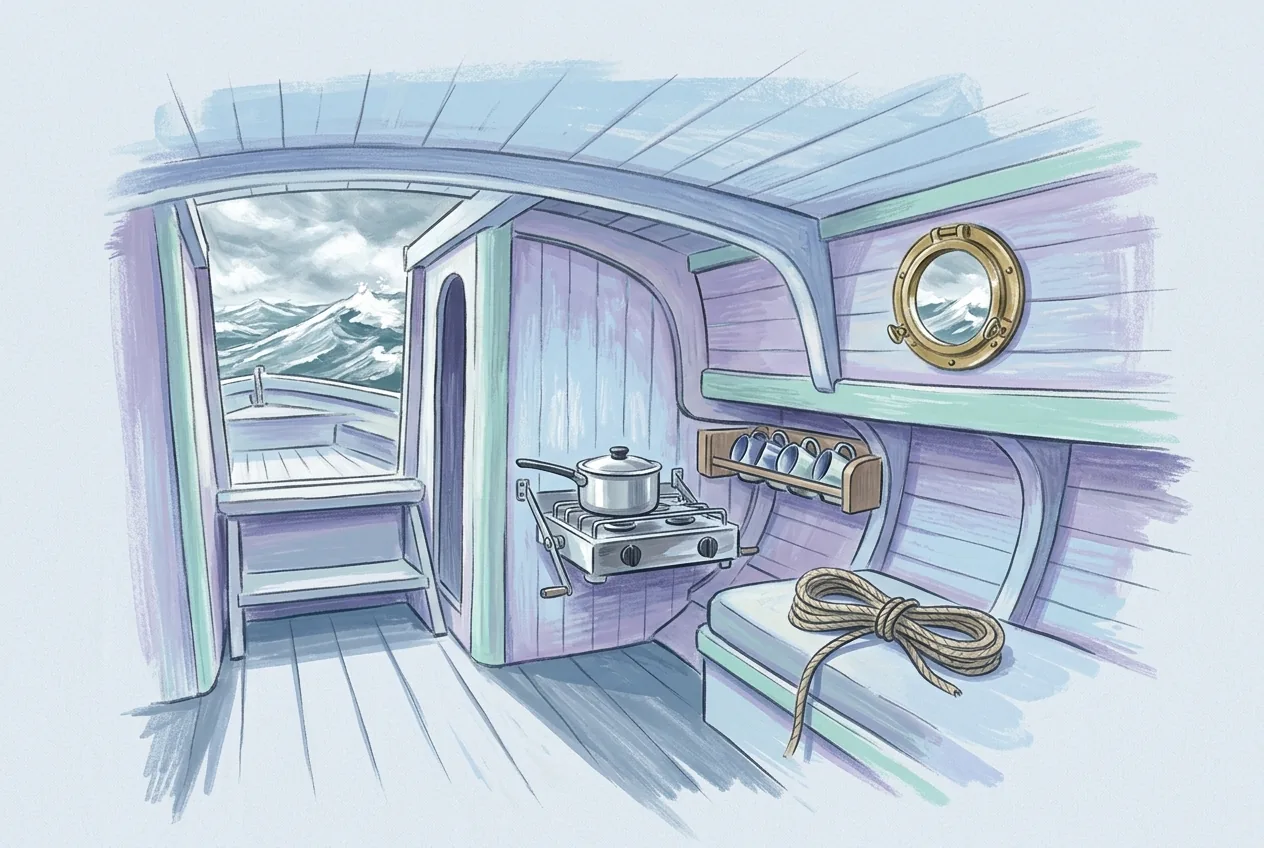
This one is about staying composed when demands pile up and events feel difficult to manage. The lower end means pressure can bring overwhelm and a sense that you cannot deal with everything.
This is one scale with two ends, not two camps. Most people land somewhere between them, and neither end is better. The labels describe different ways of answering the statements.
When several demands arrive together, people toward this end may lose track of priorities. The situation can make ordinary decisions feel difficult and narrow attention to whichever problem seems most urgent.
People toward this end usually keep enough mental room to sort demands when events become difficult. They often choose a next step, answer questions, and continue with what needs doing while others are still orienting themselves. That steadiness can also hide how much strain has accumulated until rest becomes unavoidable.
Emotional stability is the average of six facets, and Calm under pressure is one part of it. Someone can land differently on each of the six scales, so the broad result doesn’t tell the whole story.

How calmly you face possible problems, fear and stressful situations.
How steadily you handle irritation, anger and situations that test your patience.

How steady your mood feels and how comfortable you feel with yourself.

How comfortably you approach people and draw attention in social situations.
How readily you resist cravings, temptation and the urge to overindulge.
How calmly you respond when demands pile up and situations feel overwhelming.
Answer 120 short statements for a reading across all 30 facets, with each scale explained in plain English.

No. Each end comes with something that helps and something that gets in the way. Some scale names sound like faults in everyday English, but an end label describes what the statements asked about, not a grade.
It happens often, and it’s the reason these 30 facets exist. A broad score is an average of six parts, so one part can point the other way. Nothing is wrong when a facet and its broad trait don’t match perfectly.
A score is compared with 320,128 U.S. adults who answered the original statements online during the roughly 12 years before 2014. Their published average and spread provide a typical range for the facet, showing how the score compares with that group.