
Gives in easily
People toward this end often act on an immediate want before considering its later cost. A short-term choice can take priority over a plan when the opportunity is close and the result feels distant.
Types / Personality facets / Self-restraint
A facet inside Emotional stability
How readily you resist cravings, temptation and the urge to overindulge.

Your ability to resist cravings and stop yourself from overindulging. The lower end means temptation is harder to resist and giving in can happen more often or intensely.
This is one scale with two ends, not two camps. Most people land somewhere between them, and neither end is better. The labels describe different ways of answering the statements.
People toward this end often act on an immediate want before considering its later cost. A short-term choice can take priority over a plan when the opportunity is close and the result feels distant.
People toward this end usually keep a longer-term aim in view when an immediate reward is available. They can pause, follow a limit, or leave an appealing option alone, which supports plans that require repetition. That control can also make pleasure feel scheduled when spontaneity would matter.
Emotional stability is the average of six facets, and Self-restraint is one part of it. Someone can land differently on each of the six scales, so the broad result doesn’t tell the whole story.

How calmly you face possible problems, fear and stressful situations.
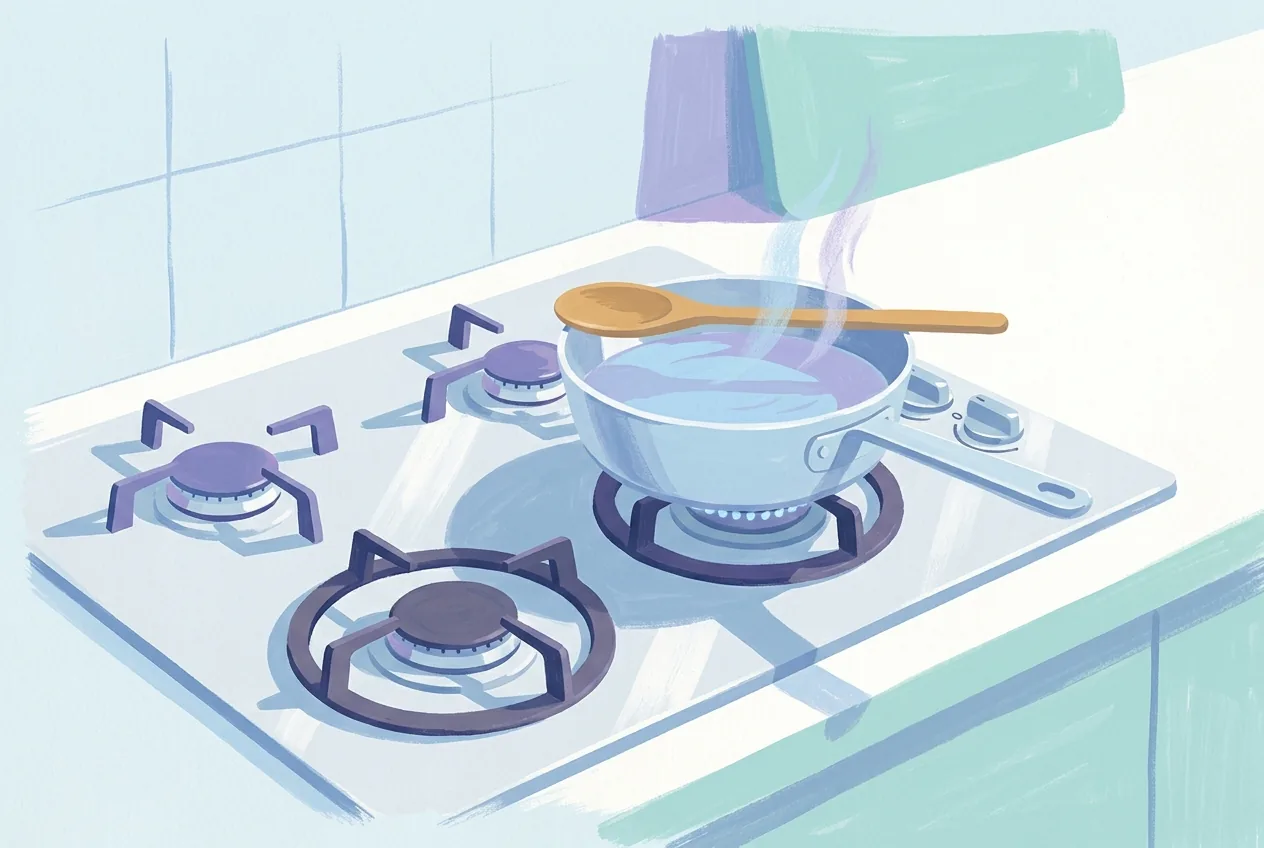
How steadily you handle irritation, anger and situations that test your patience.

How steady your mood feels and how comfortable you feel with yourself.

How comfortably you approach people and draw attention in social situations.
How readily you resist cravings, temptation and the urge to overindulge.
How calmly you respond when demands pile up and situations feel overwhelming.
Answer 120 short statements for a reading across all 30 facets, with each scale explained in plain English.

No. Each end comes with something that helps and something that gets in the way. Some scale names sound like faults in everyday English, but an end label describes what the statements asked about, not a grade.
It happens often, and it’s the reason these 30 facets exist. A broad score is an average of six parts, so one part can point the other way. Nothing is wrong when a facet and its broad trait don’t match perfectly.
A score is compared with 320,128 U.S. adults who answered the original statements online during the roughly 12 years before 2014. Their published average and spread provide a typical range for the facet, showing how the score compares with that group.