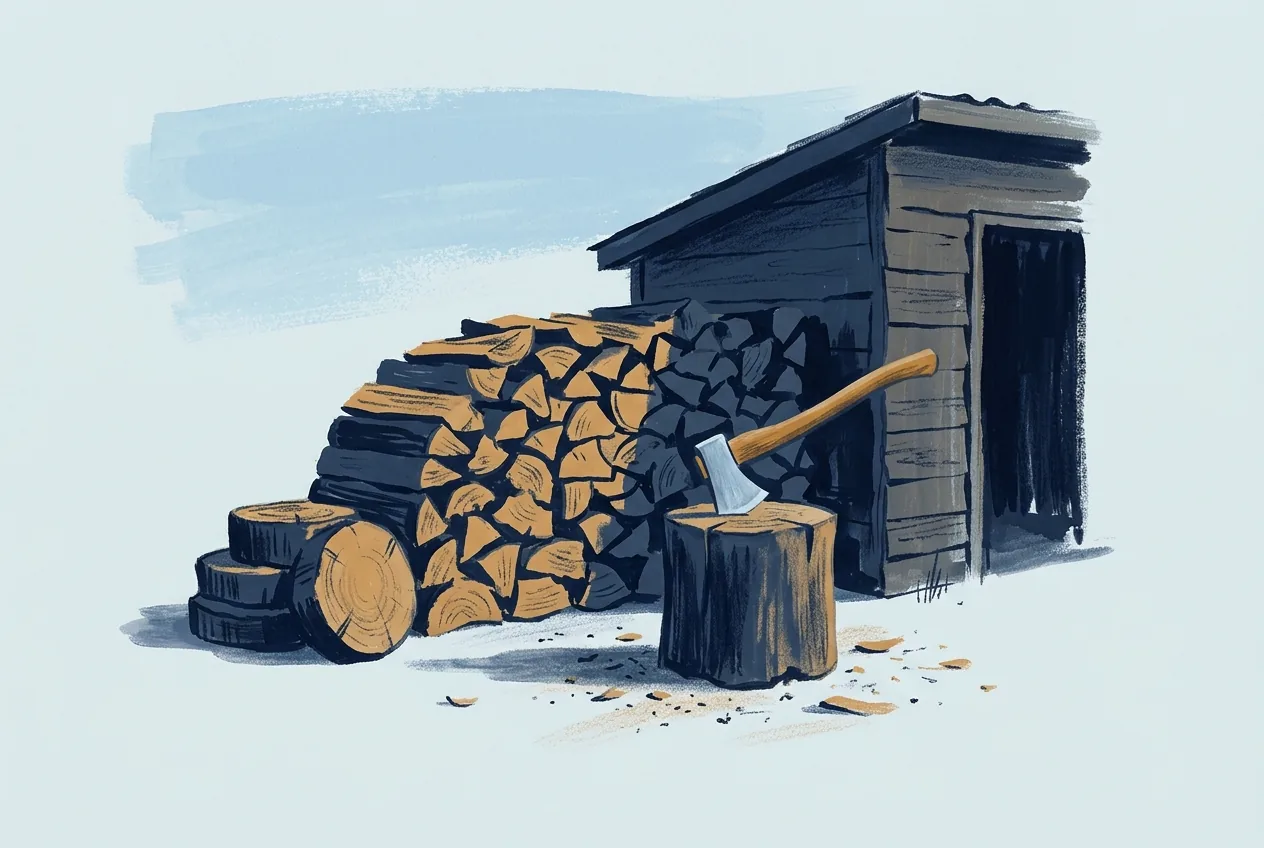
People toward this end usually aim to complete the assigned part of a job without adding extra hours or polish. This can preserve time for rest, family, or other priorities. It can also leave ambitious projects less developed when the first workable result is enough to move on.
Types / Personality facets / Hard work
A facet inside Conscientiousness
Hard work
How strongly you push yourself to work hard and do more than expected.
What this facet measures

Your usual effort, including whether you work beyond what is required. A lower score means you generally do what is needed without adding extra effort.
The two ends
This is one scale with two ends, not two camps. Most people land somewhere between them, and neither end is better. The labels describe different ways of answering the statements.
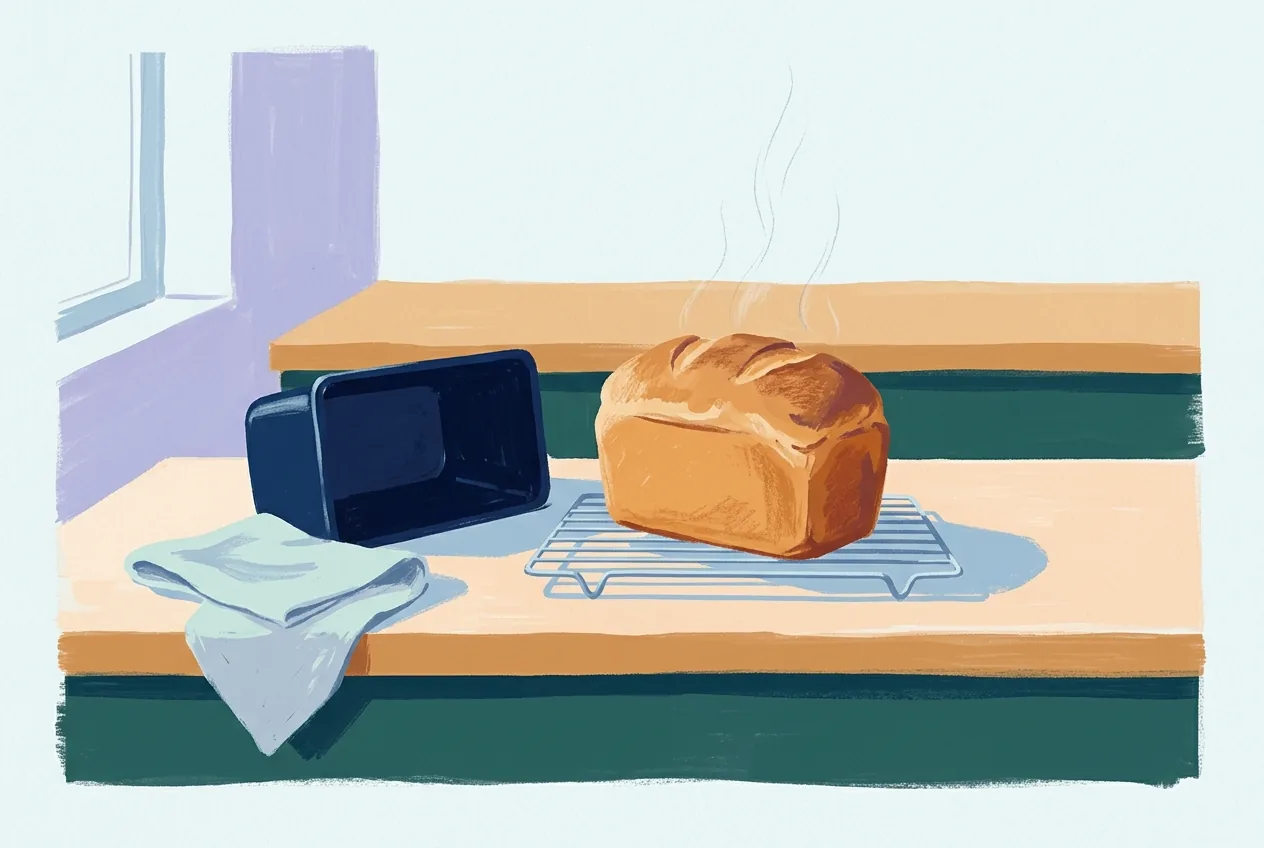
People toward this end often put additional energy into a task, refining details, solving one more problem, or helping after their own part is complete. This can raise the quality of shared work. The same drive can consume evenings and make a reasonable stopping point feel like unfinished business.
The six parts of Conscientiousness
See the Conscientiousness page →Conscientiousness is the average of six facets, and Hard work is one part of it. Someone can land differently on each of the six scales, so the broad result doesn’t tell the whole story.
-

Task confidence
How sure you feel that you can complete tasks and handle things smoothly.
-

Tidiness
How naturally you put things away, tidy up and keep your surroundings orderly.
-

Keeping promises
How firmly you keep your word, tell the truth and follow rules.
Hard work
How strongly you push yourself to work hard and do more than expected.
-

Follow-through
How consistently you prepare, start tasks, carry out plans and keep going.
-

Careful decisions
How much you pause to think before acting or making a decision.
See where all 30 land
Answer 120 short statements for a reading across all 30 facets, with each scale explained in plain English.

Questions
Is a low score a bad score?
No. Each end comes with something that helps and something that gets in the way. Some scale names sound like faults in everyday English, but an end label describes what the statements asked about, not a grade.
What if this part disagrees with its trait?
It happens often, and it’s the reason these 30 facets exist. A broad score is an average of six parts, so one part can point the other way. Nothing is wrong when a facet and its broad trait don’t match perfectly.
Who is this score compared with?
A score is compared with 320,128 U.S. adults who answered the original statements online during the roughly 12 years before 2014. Their published average and spread provide a typical range for the facet, showing how the score compares with that group.