Types / Personality facets / Tidiness

A facet inside Conscientiousness

Tidiness

How naturally you put things away, tidy up and keep your surroundings orderly.

What this facet measures

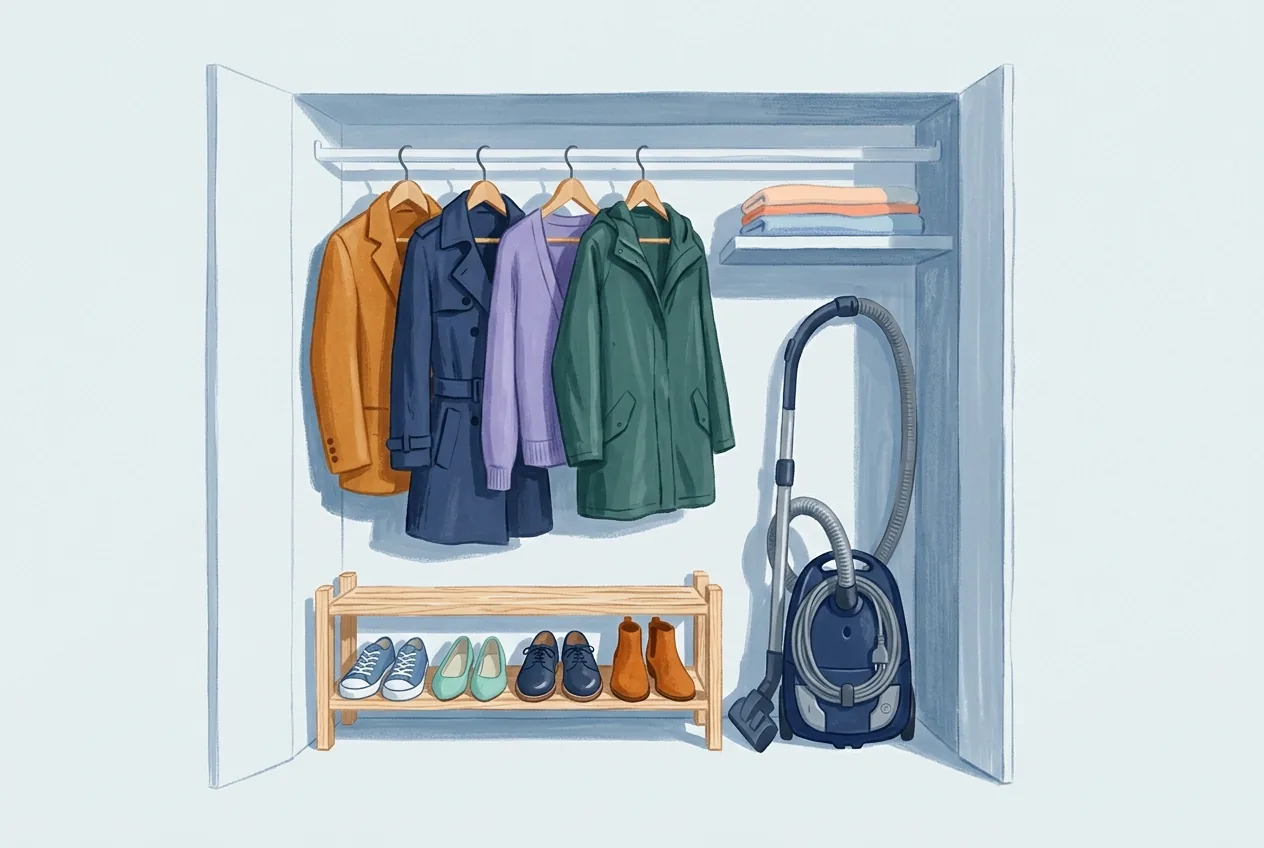
An open hall closet holds paired shoes, evenly spaced coats, a vacuum cleaner with its cord coiled, and folded things stacked above.

This one is about putting things away, keeping spaces orderly, and avoiding messes. A lower score means things are more likely to remain where you last used them.

The two ends

This is one scale with two ends, not two camps. Most people land somewhere between them, and neither end is better. The labels describe different ways of answering the statements.

Leaves things around

People toward this end often keep objects close at hand, letting a desk, kitchen counter, or project bag reflect what they are using. This can make active work feel accessible, though unfinished piles and misplaced items can make the next task harder to begin.

Keeps things tidy

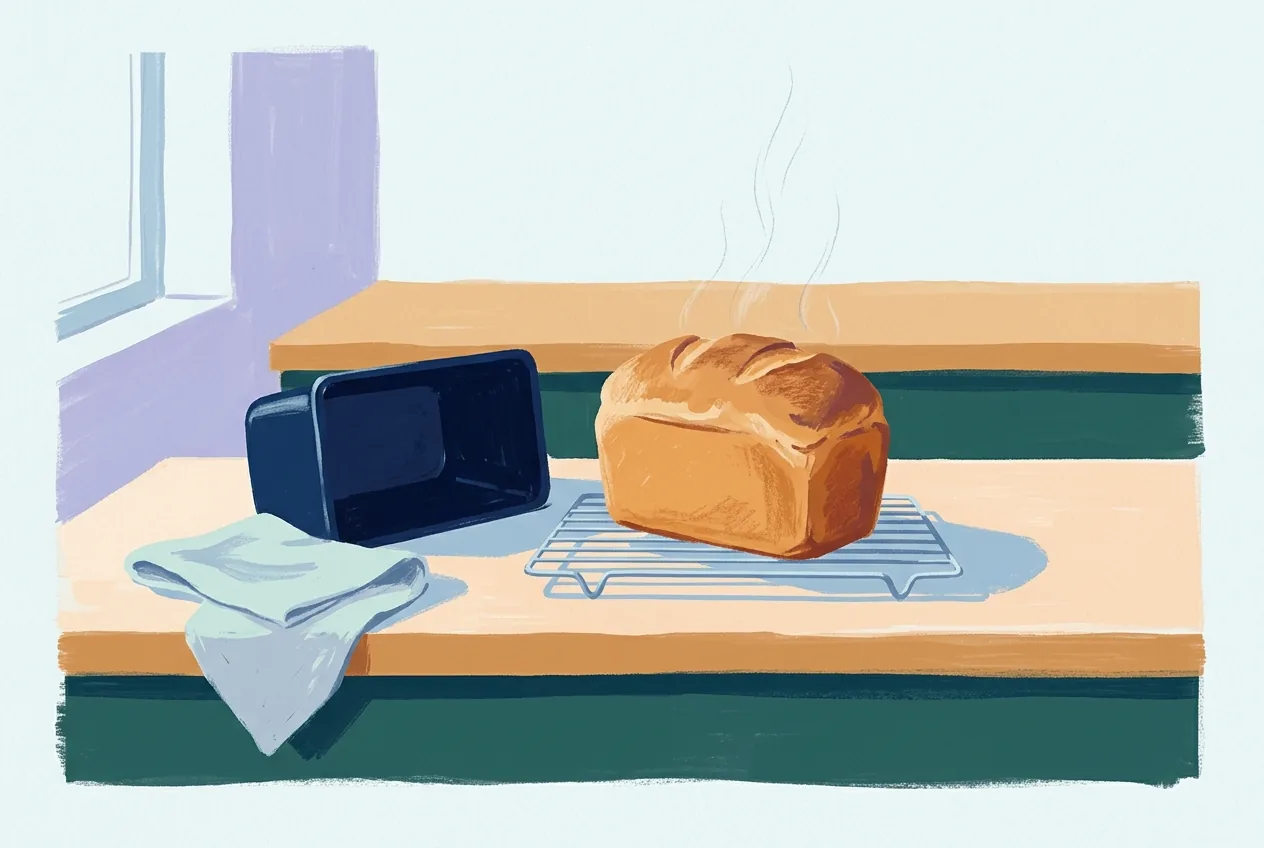
People toward this end often return objects to known places, clear surfaces after use, and arrange materials so they can be found quickly. This can reduce small distractions and make shared spaces easier to use. The same order can become a daily burden when every interruption feels like something that needs fixing.

See where all 30 land

Answer 120 short statements for a reading across all 30 facets, with each scale explained in plain English.

Questions

Is a low score a bad score?

No. Each end comes with something that helps and something that gets in the way. Some scale names sound like faults in everyday English, but an end label describes what the statements asked about, not a grade.

What if this part disagrees with its trait?

It happens often, and it’s the reason these 30 facets exist. A broad score is an average of six parts, so one part can point the other way. Nothing is wrong when a facet and its broad trait don’t match perfectly.

Who is this score compared with?

A score is compared with 320,128 U.S. adults who answered the original statements online during the roughly 12 years before 2014. Their published average and spread provide a typical range for the facet, showing how the score compares with that group.