Types / Work styles / Host

A closer look at one scale

Host

You may bring warmth and momentum to work by making ideas inviting, conversations lively, and collaboration easier to join.

Hosts at work

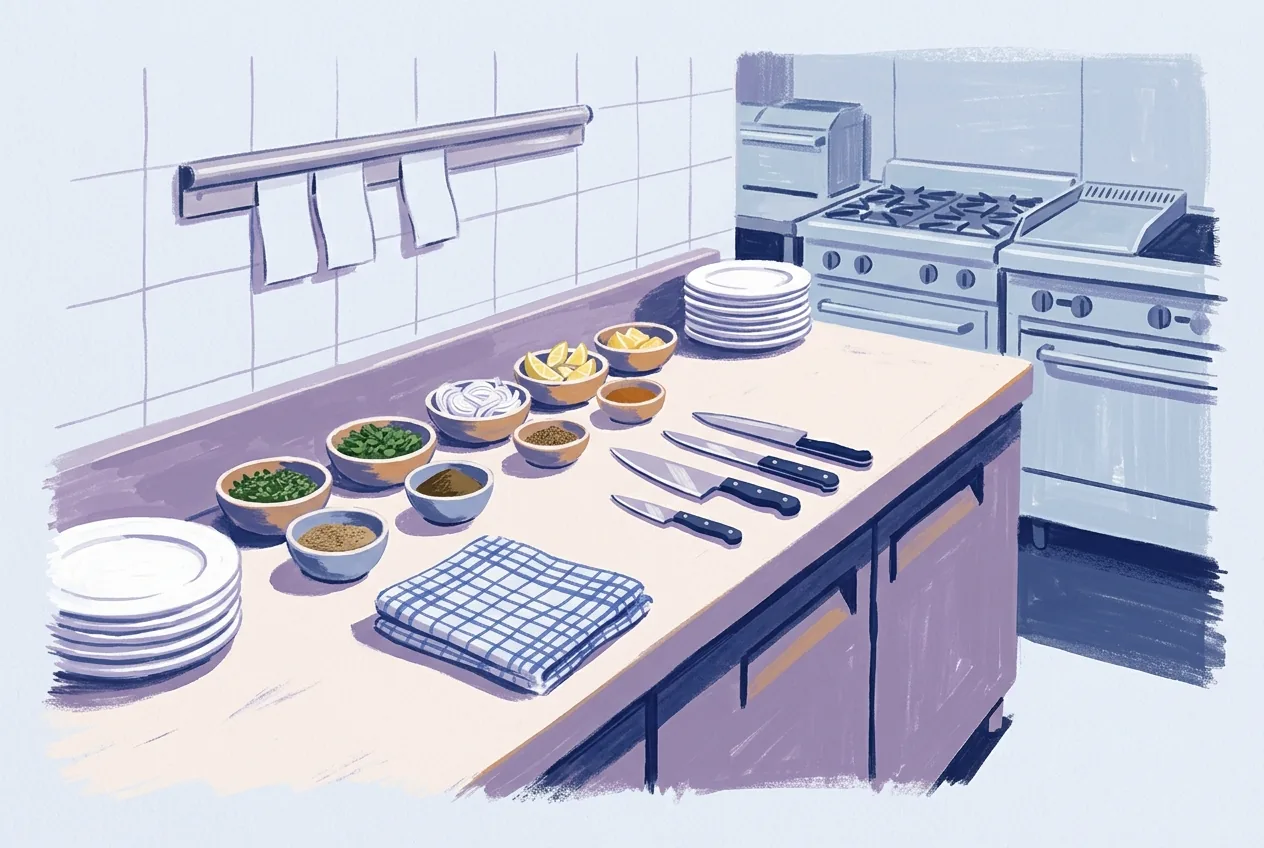
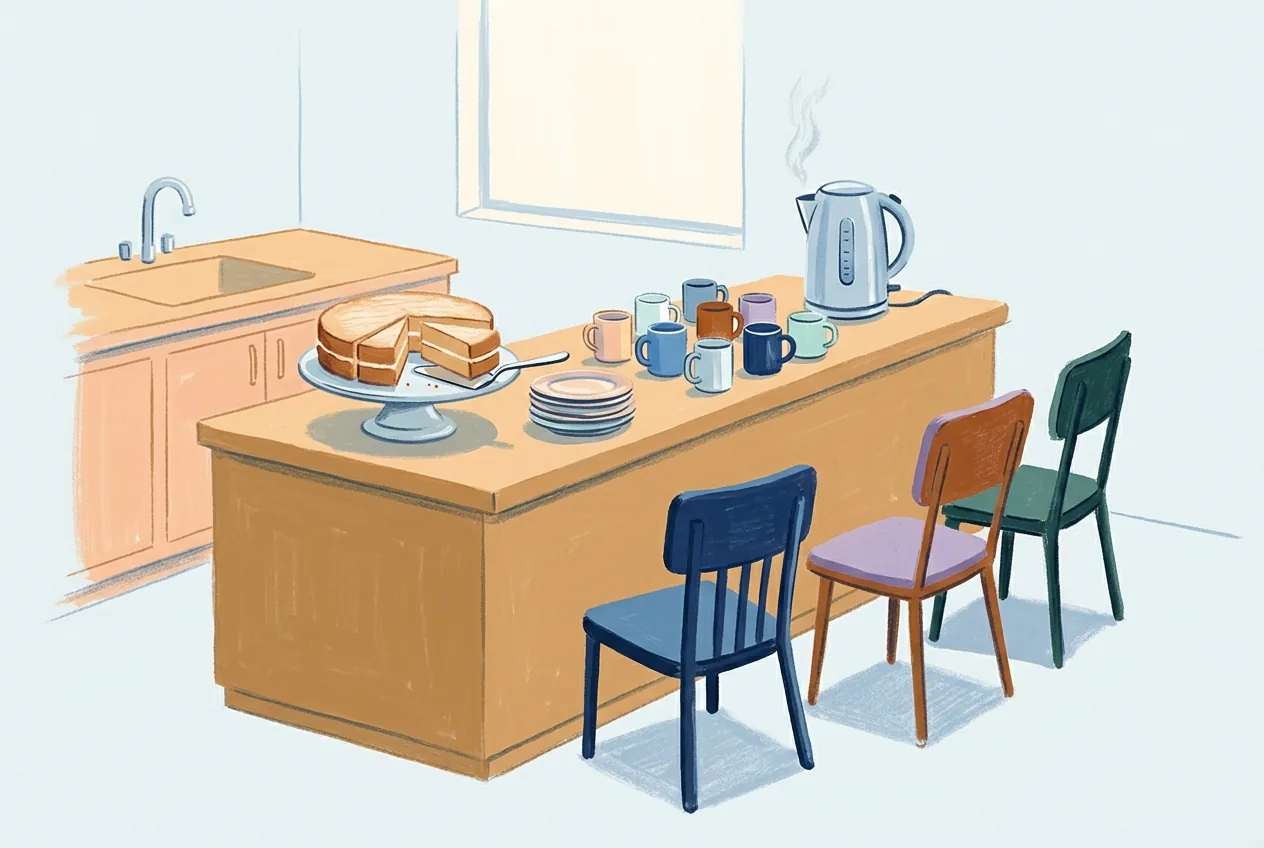
A steaming kettle, sliced cake, mismatched mugs, small plates, and three chairs fill a bright office kitchen.

Hosts warm to people quickly and bring visible feeling into shared work. The Enthusiasm scale covers making friends, showing positive feelings, enjoying shared fun, and responding with energy to other people. Hosts tend to look for the human current in a project, not only its tasks. Conversation, celebration, and encouragement help them build the connection that makes collaboration feel worth the effort.

People around Hosts may mistake their openness for a lack of seriousness. Their energy often means they are investing in the group and trying to make participation easier. A Host can make a difficult meeting feel more alive, yet the same ease with people can blur priorities or make quiet colleagues feel pulled into constant interaction. Hosts may need more deliberate space for work that asks for sustained solitude.

Four revealing moments

These are the four moments where Hosts are easiest to spot at work. The pattern can look different across settings.

When leading

When Hosts lead, they often open the meeting with warmth, connect people to the purpose, and keep appreciation visible. Their energy can turn a collection of tasks into shared work. It can also make every problem a conversation, even when the group needs a quiet hour and a clear decision.

When being led

Hosts tend to work best with a manager who explains the human meaning of the work and acknowledges useful effort. They can become frustrated by cold instructions, long stretches without contact, or feedback that treats enthusiasm as decoration. A distant manager may leave them unsure whether the connection is working.

Under pressure

Under pressure, Hosts often increase contact. They check in, encourage the group, and try to keep discouragement from spreading. That care can hold people together, but it may also fill the day with messages and meetings when focused work, clear priorities, or a quiet reset would help more.

In disagreement

In disagreement, Hosts often begin by restoring warmth and finding the feeling underneath the position. They may soften a point so the relationship stays open. Others can mistake that for avoiding the issue, while the Host may see bluntness as a needless threat to cooperation.

How Hosts come across

Hosts often feel welcoming from the outside. They remember small details, show excitement when someone contributes, and make a routine update feel like a shared effort. Some coworkers may also find their constant availability distracting or their optimism hard to match on a difficult day. Planners may appreciate the goodwill while wishing for fewer interruptions and firmer structure. Hosts may experience that reserve as indifference, while Planners are often protecting attention and trying to keep promises precise. Each style is caring about the work, through a different doorway.

Working alongside Host

Tell a Host when their encouragement helped, then put the next practical step in writing. If you need quiet time, name the length and purpose of the pause instead of disappearing. A clear boundary lets the Host stay connected without having to guess whether the relationship or the work is in trouble.

Find the style that leads

40 statements show which style leads and how all four work styles blend in the result.

Questions

Is Host a real thing?

The scale underneath is published and public domain. The name and everything this page says about how the style looks at work are ours, written for this site from what the scale covers. The page says so plainly instead of dressing its interpretation up as a finding.

Can the leading style change?

It can, because the four scores are close together for plenty of people, so a small change in answers can reorder the top two. Taking the assessment again on a different day and comparing the results is reasonable. A repeat result doesn’t promise stability or change.

Where does this come from?

The statements are public domain and come from the International Personality Item Pool.[1] They form four scales published in a 2007 paper.[2] A result is compared with 480 adults from the Eugene-Springfield community sample in Oregon who answered the statements by mail between 1994 and 2002. The group’s own answers give the average, the spread and the percentile.

  • 1 The statements come from the International Personality Item Pool (ipip.ori.org), which is in the public domain. They form four scales published by DeYoung, Quilty, and Peterson in 2007, reworded to “you”.
  • 2 DeYoung, C. G., Quilty, L. C., & Peterson, J. B. (2007). Between facets and domains: 10 aspects of the Big Five. Journal of Personality and Social Psychology, 93(5), 880–896. Table 5. Link