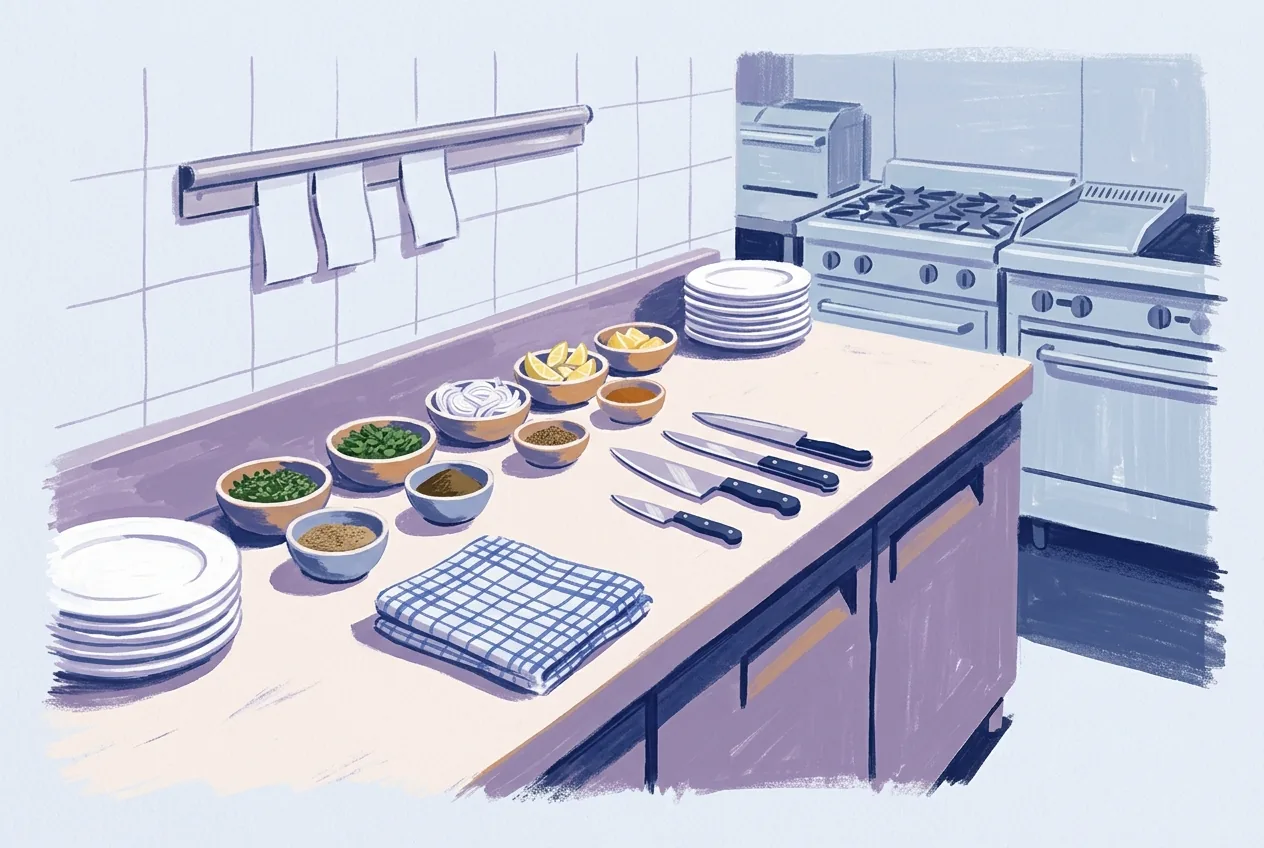
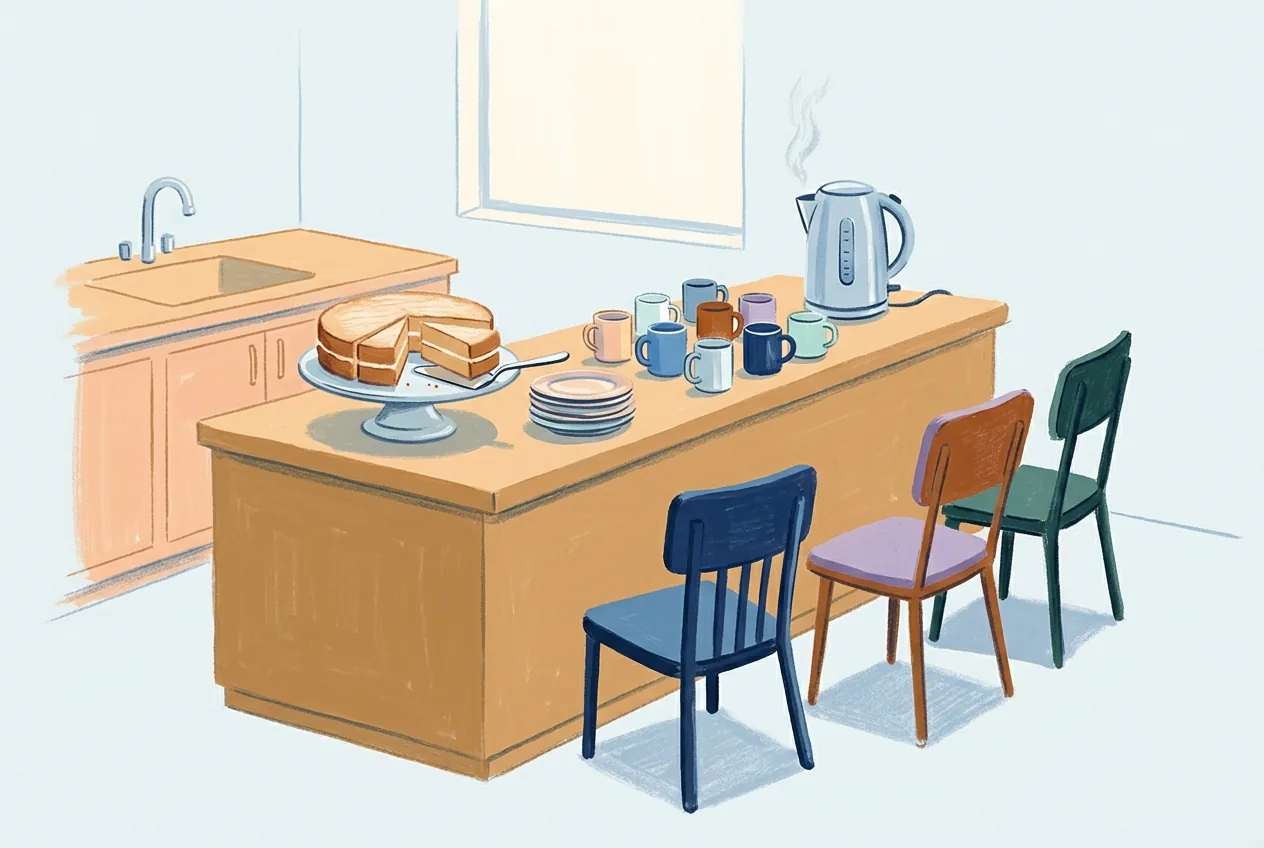
When Planners lead, they often define the sequence, keep the shared document current, and check that each handoff is ready. Their preparation lets other people work with fewer surprises. It can also slow a project when the plan becomes more important than adapting to new information.
Types / Work styles / Planner
A closer look at one scale
Planner
You may bring reliability to work by organizing the path, checking the details, and making sure important promises do not disappear.
Planners at work

Planners bring order to work by keeping its parts visible and in place. The Orderliness scale covers liking things organized, following schedules, keeping details in place, wanting work done just right, and following rules. Planners tend to make a plan because sequence reduces preventable mistakes. A calendar, checklist, or well-kept shared spreadsheet gives them a way to protect quality while several demands compete.
People around Planners may read their care as inflexibility or a wish to control every detail. Often, they are trying to make a promise dependable and prevent small omissions from becoming large repairs. Their structure can steady a busy team, yet the same standards may make an improvised solution feel unfinished. Planners may need to distinguish a detail that protects the result from one that only protects their sense of order.

Four revealing moments
These are the four moments where Planners are easiest to spot at work. The pattern can look different across settings.
Planners tend to work best with a manager who sets stable priorities, gives useful notice, and defines what finished means. They can become frustrated by moving targets, casual commitments, or last-minute requests that ignore existing work. Vague praise is less useful to them than a clear standard and a reason for the change.
Under pressure, Planners often return to the list, sort the urgent from the merely visible, and protect the next reliable step. That can restore control quickly. It can also make them slow to abandon a plan after the facts have changed, especially when changing course feels like losing work already done.
In disagreement, Planners often point to the agreed process, the written requirement, or the detail that could cause trouble later. They may believe precision is a form of respect for the work. Others can hear criticism in that precision, while the Planner may be trying to prevent a repair nobody has budgeted for.
How Planners come across
Planners often feel dependable from the outside. They remember the deadline, notice the missing attachment, and make it easier for a group to trust its own commitments. Some coworkers may also feel judged by their standards or constrained by their need for advance notice. Hosts may value the structure while wishing for more spontaneity and visible warmth. Planners may experience that energy as disruption, while Hosts are often trying to keep people connected to the purpose. Each can respect the other once the need beneath the habit becomes visible.
Working alongside Planner
Give a Planner the deadline, the standard, and early notice when one of them changes. If an exception is needed, explain what makes it necessary and what can be dropped. That lets the Planner revise the plan with purpose instead of treating every surprise as a preventable mistake.
Three other views
All work styles →Find the style that leads
40 statements show which style leads and how all four work styles blend in the result.

Questions
Is Planner a real thing?
The scale underneath is published and public domain. The name and everything this page says about how the style looks at work are ours, written for this site from what the scale covers. The page says so plainly instead of dressing its interpretation up as a finding.
Can the leading style change?
It can, because the four scores are close together for plenty of people, so a small change in answers can reorder the top two. Taking the assessment again on a different day and comparing the results is reasonable. A repeat result doesn’t promise stability or change.
Where does this come from?
The statements are public domain and come from the International Personality Item Pool.[1] They form four scales published in a 2007 paper.[2] A result is compared with 480 adults from the Eugene-Springfield community sample in Oregon who answered the statements by mail between 1994 and 2002. The group’s own answers give the average, the spread and the percentile.
- 1 The statements come from the International Personality Item Pool (ipip.ori.org), which is in the public domain. They form four scales published by DeYoung, Quilty, and Peterson in 2007, reworded to “you”.
- 2 DeYoung, C. G., Quilty, L. C., & Peterson, J. B. (2007). Between facets and domains: 10 aspects of the Big Five. Journal of Personality and Social Psychology, 93(5), 880–896. Table 5. Link