Types / Personality facets / Life pace

A facet inside Extraversion

Life pace

How much you like staying busy, active and involved throughout your day.

What this facet measures

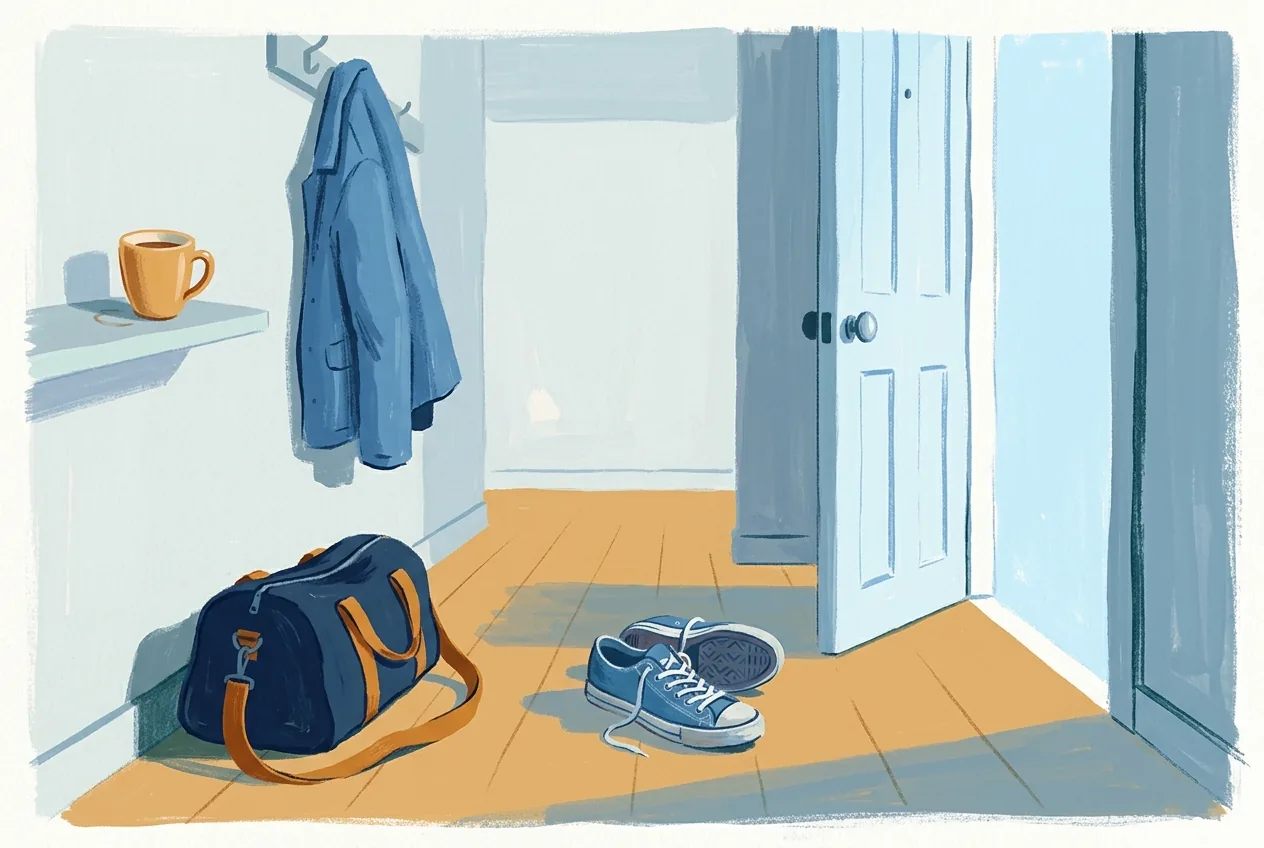
Light from an open front door falls into a hallway, with sneakers and a packed duffel bag on the floor, a coat hanging partly off its hook, and a coffee mug on a small shelf.

Whether you like staying busy, moving quickly, and filling spare time with activity. The lower end prefers taking things slowly, with more ease and space.

The two ends

This is one scale with two ends, not two camps. Most people land somewhere between them, and neither end is better. The labels describe different ways of answering the statements.

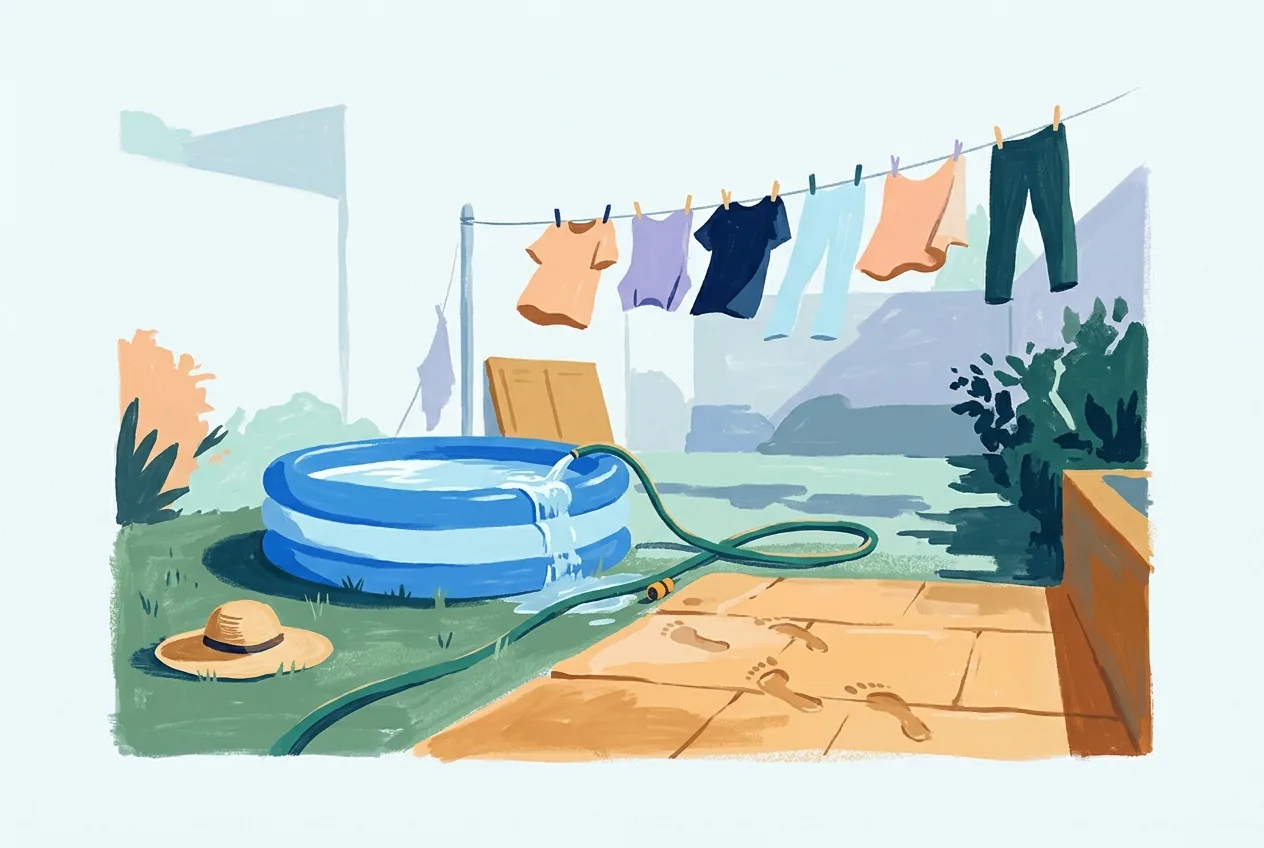
Takes it easy

People toward this end often leave room in the day for an unhurried breakfast, a long walk, or a task done carefully. Their approach can help others feel less pushed and more present. When urgency rises, though, they may take longer to switch gears or join a fast-moving effort.

Stays constantly busy

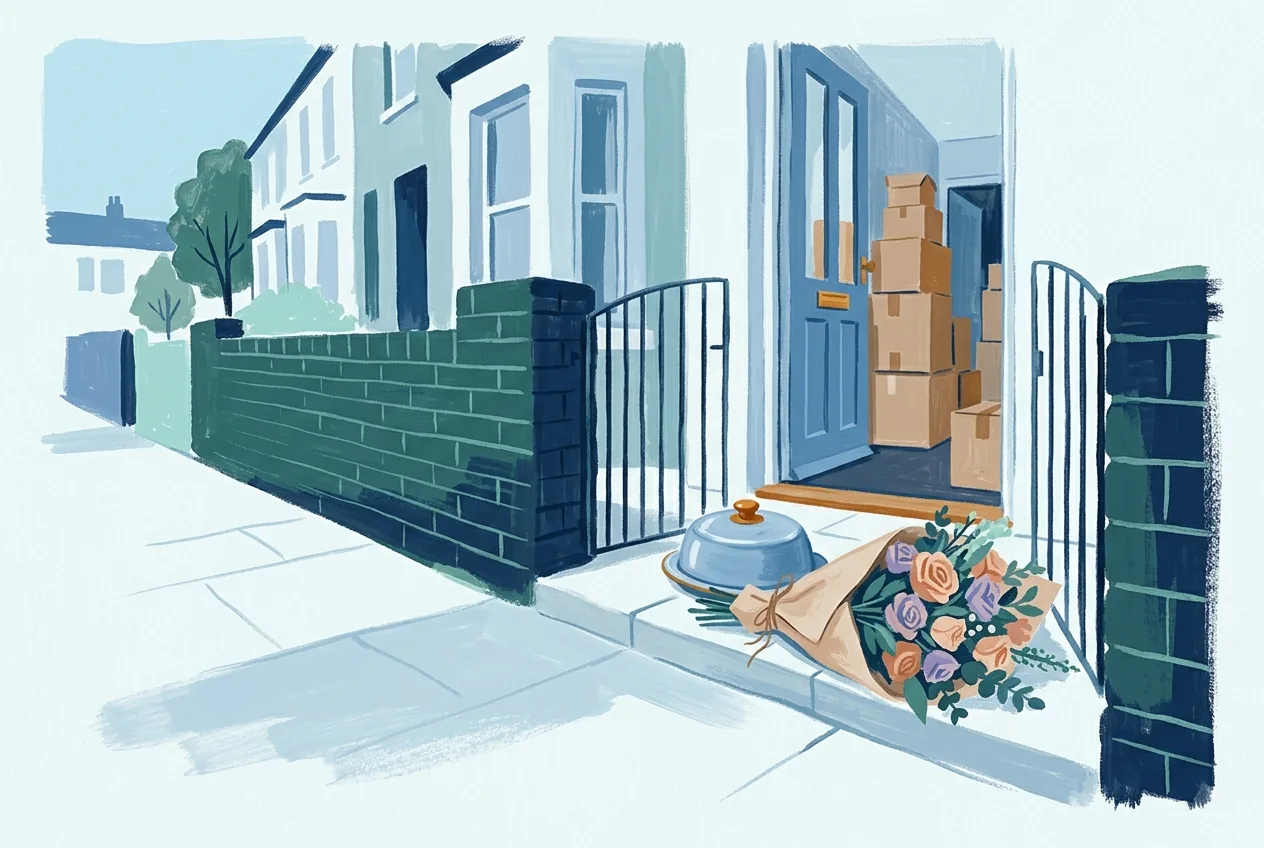
People toward this end often fill an open afternoon before it arrives, moving from errands to projects to plans with friends. Their momentum can turn intention into visible progress. The same drive may make rest feel wasteful, and others can experience the constant motion as pressure to keep up.

See where all 30 land

Answer 120 short statements for a reading across all 30 facets, with each scale explained in plain English.

Questions

Is a low score a bad score?

No. Each end comes with something that helps and something that gets in the way. Some scale names sound like faults in everyday English, but an end label describes what the statements asked about, not a grade.

What if this part disagrees with its trait?

It happens often, and it’s the reason these 30 facets exist. A broad score is an average of six parts, so one part can point the other way. Nothing is wrong when a facet and its broad trait don’t match perfectly.

Who is this score compared with?

A score is compared with 320,128 U.S. adults who answered the original statements online during the roughly 12 years before 2014. Their published average and spread provide a typical range for the facet, showing how the score compares with that group.