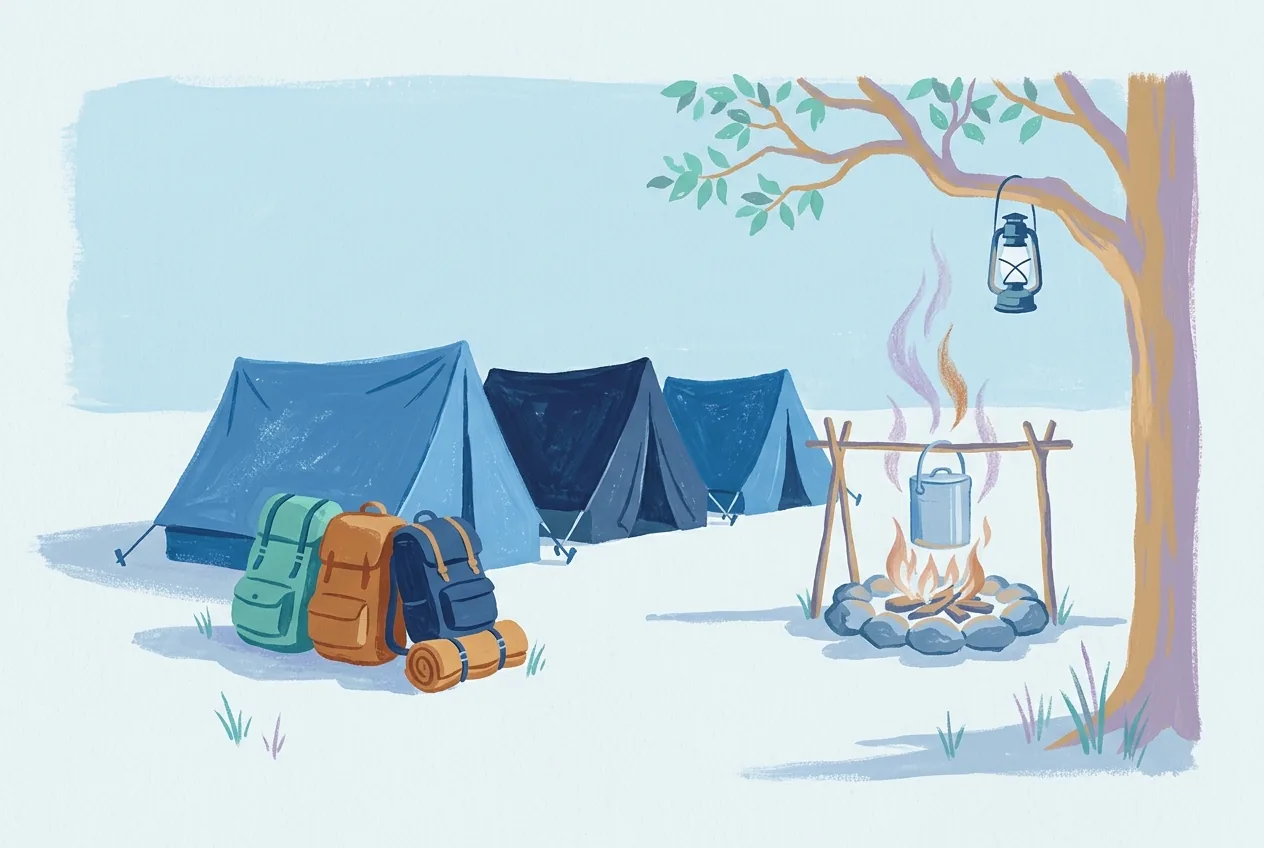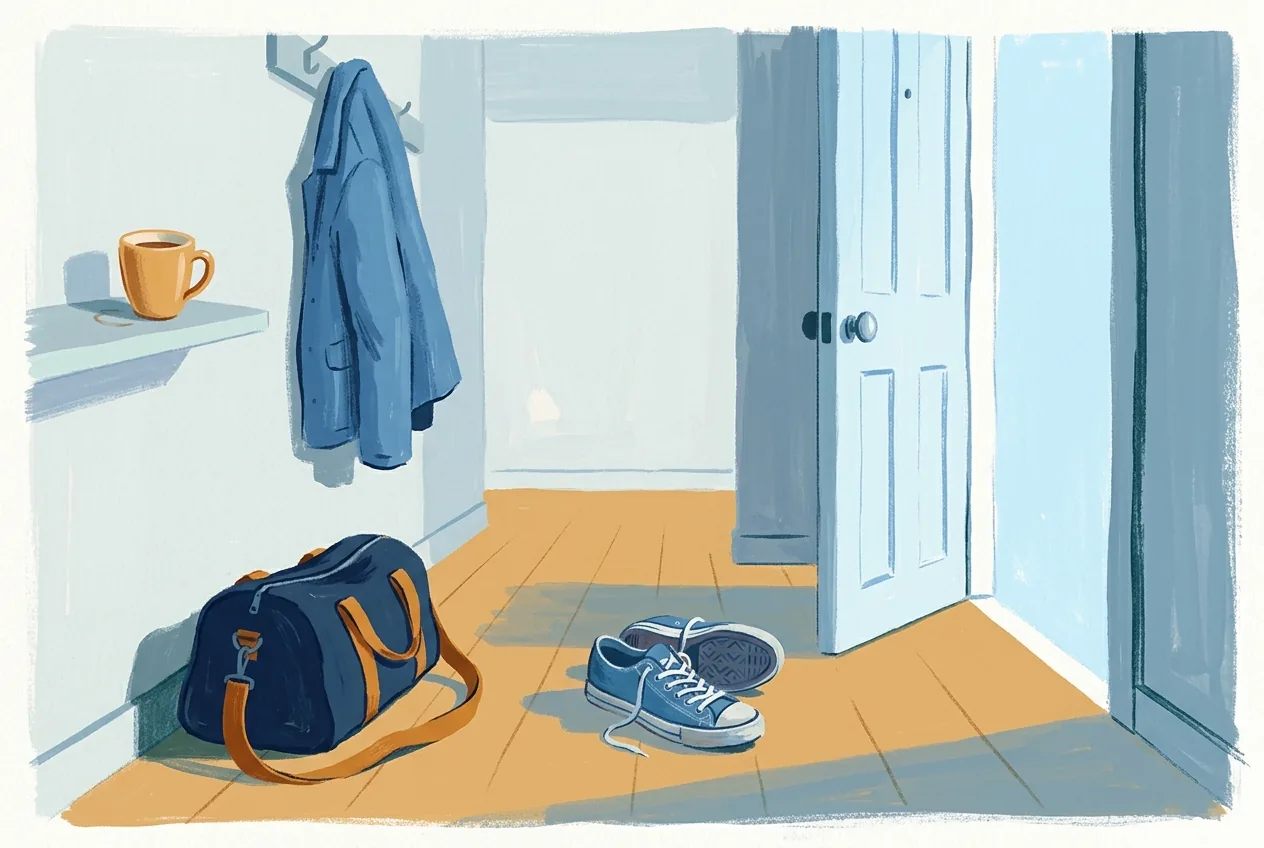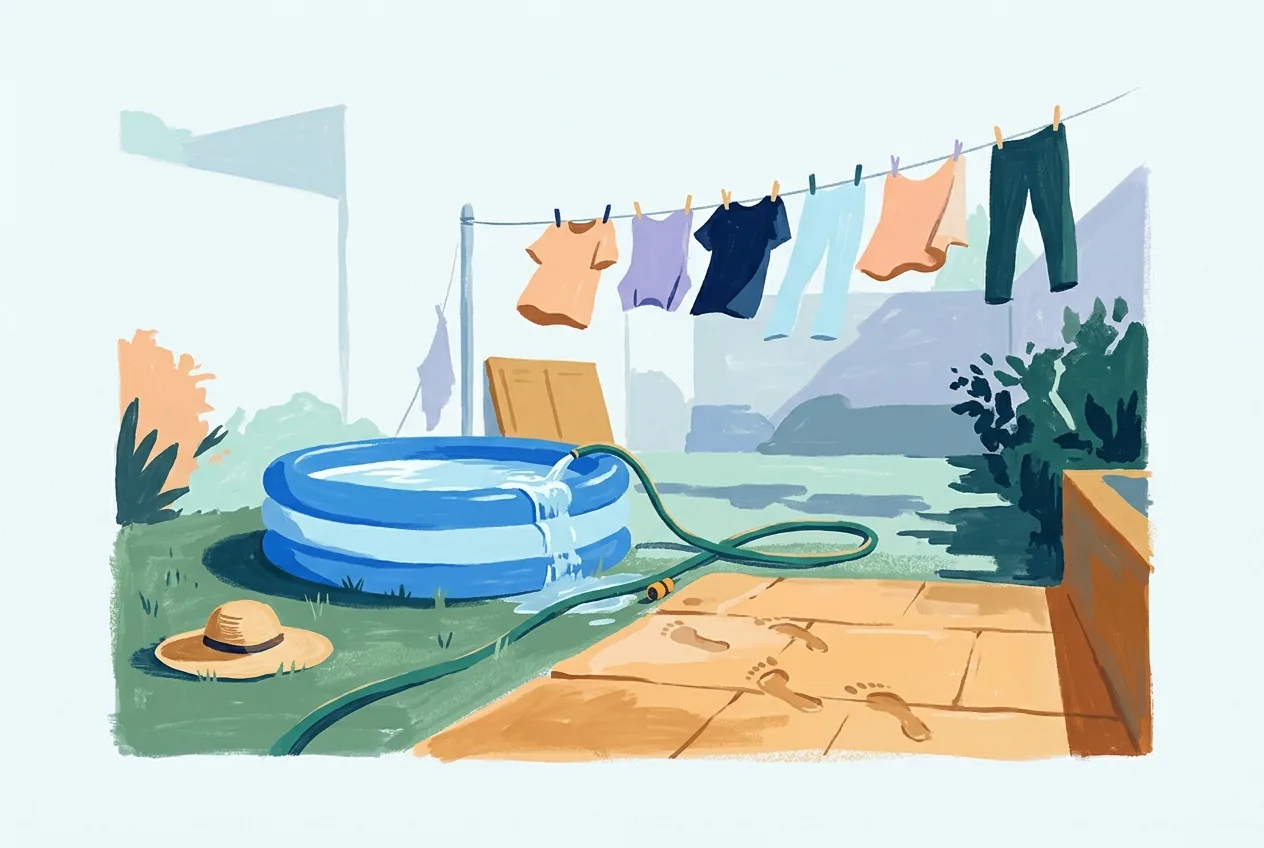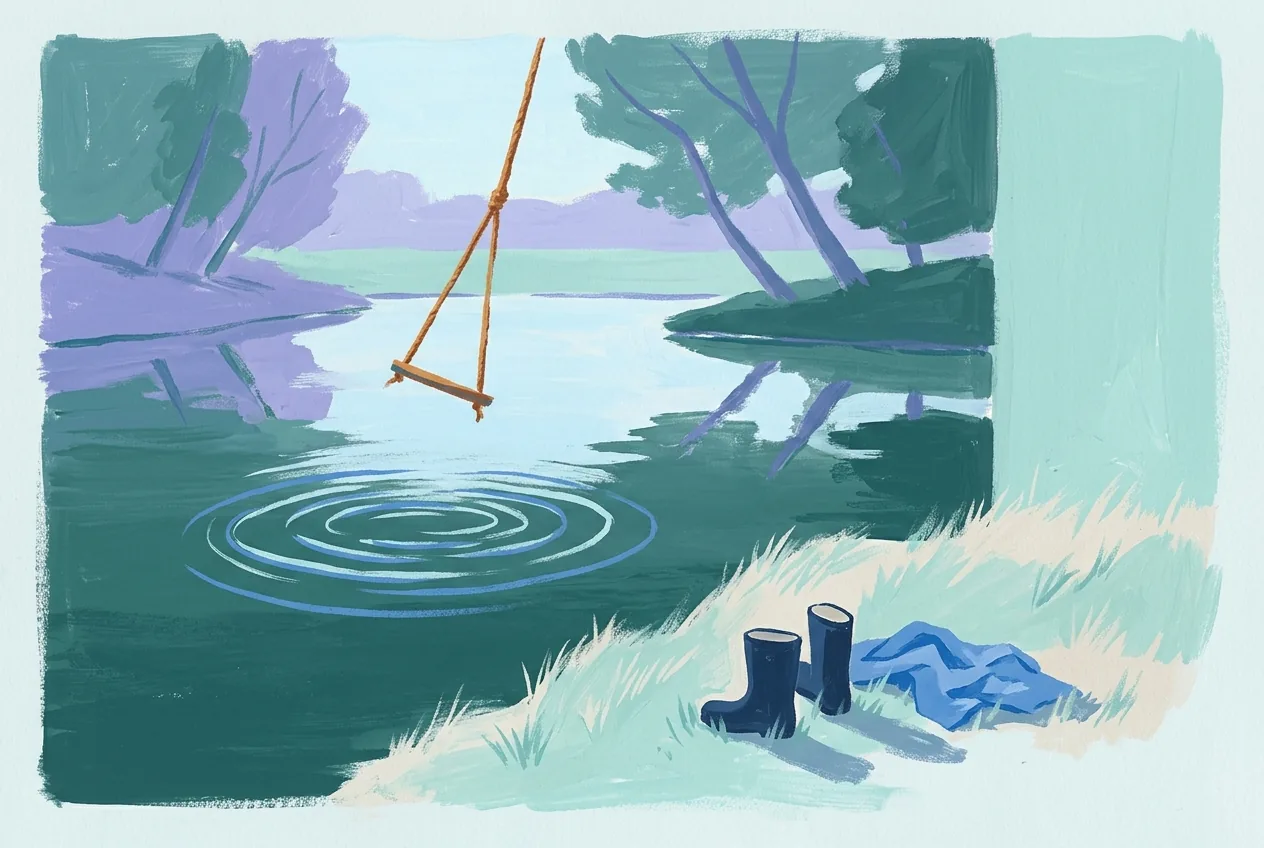
People toward this end often choose the familiar restaurant, the marked trail, or the plan with clear conditions. They can enjoy depth without needing intensity, and their caution helps a group avoid needless trouble. The tradeoff is that repeated safety can narrow the experiences available to them.
Types / Personality facets / Thrill seeking
A facet inside Extraversion
Thrill seeking
How much you seek excitement, adventure, and experiences with some risk.
What this facet measures

Higher scores favor excitement, adventure, and experiences with some risk in everyday life. Lower scores favor calm, predictability, and safety over intense stimulation.
The two ends
This is one scale with two ends, not two camps. Most people land somewhere between them, and neither end is better. The labels describe different ways of answering the statements.
People toward this end often say yes to the steep trail, last-minute trip, or unfamiliar activity with a story worth telling. Their appetite for intensity can break routine and energize a group. It can also underprice consequences, leaving companions to manage risks they didn’t choose.
The six parts of Extraversion
See the Extraversion page →Extraversion is the average of six facets, and Thrill seeking is one part of it. Someone can land differently on each of the six scales, so the broad result doesn’t tell the whole story.
-

Making friends
How naturally you connect with people and feel comfortable around them.
-

Crowd comfort
How much you enjoy crowds, large gatherings and talking with many people.
-

Taking charge
How readily you lead, take control and decide what should happen next.
-

Life pace
How much you like staying busy, active and involved throughout your day.
Thrill seeking
How much you seek excitement, adventure, and experiences with some risk.
-

Joy
How readily you feel joy, have fun and look on the bright side.
See where all 30 land
Answer 120 short statements for a reading across all 30 facets, with each scale explained in plain English.

Questions
Is a low score a bad score?
No. Each end comes with something that helps and something that gets in the way. Some scale names sound like faults in everyday English, but an end label describes what the statements asked about, not a grade.
What if this part disagrees with its trait?
It happens often, and it’s the reason these 30 facets exist. A broad score is an average of six parts, so one part can point the other way. Nothing is wrong when a facet and its broad trait don’t match perfectly.
Who is this score compared with?
A score is compared with 320,128 U.S. adults who answered the original statements online during the roughly 12 years before 2014. Their published average and spread provide a typical range for the facet, showing how the score compares with that group.