People toward this end often let familiarity build gradually. They may prefer a quiet conversation with one person, where attention can deepen without an entrance full of strangers. That selectiveness can protect time and make each bond feel deliberate, though others may mistake reserve for disinterest.

Types / Personality facets / Making friends
A facet inside Extraversion
Making friends
How naturally you connect with people and feel comfortable around them.
What this facet measures

How readily you warm to people and start connections. The lower end keeps more distance and seeks less social contact.
The two ends
This is one scale with two ends, not two camps. Most people land somewhere between them, and neither end is better. The labels describe different ways of answering the statements.
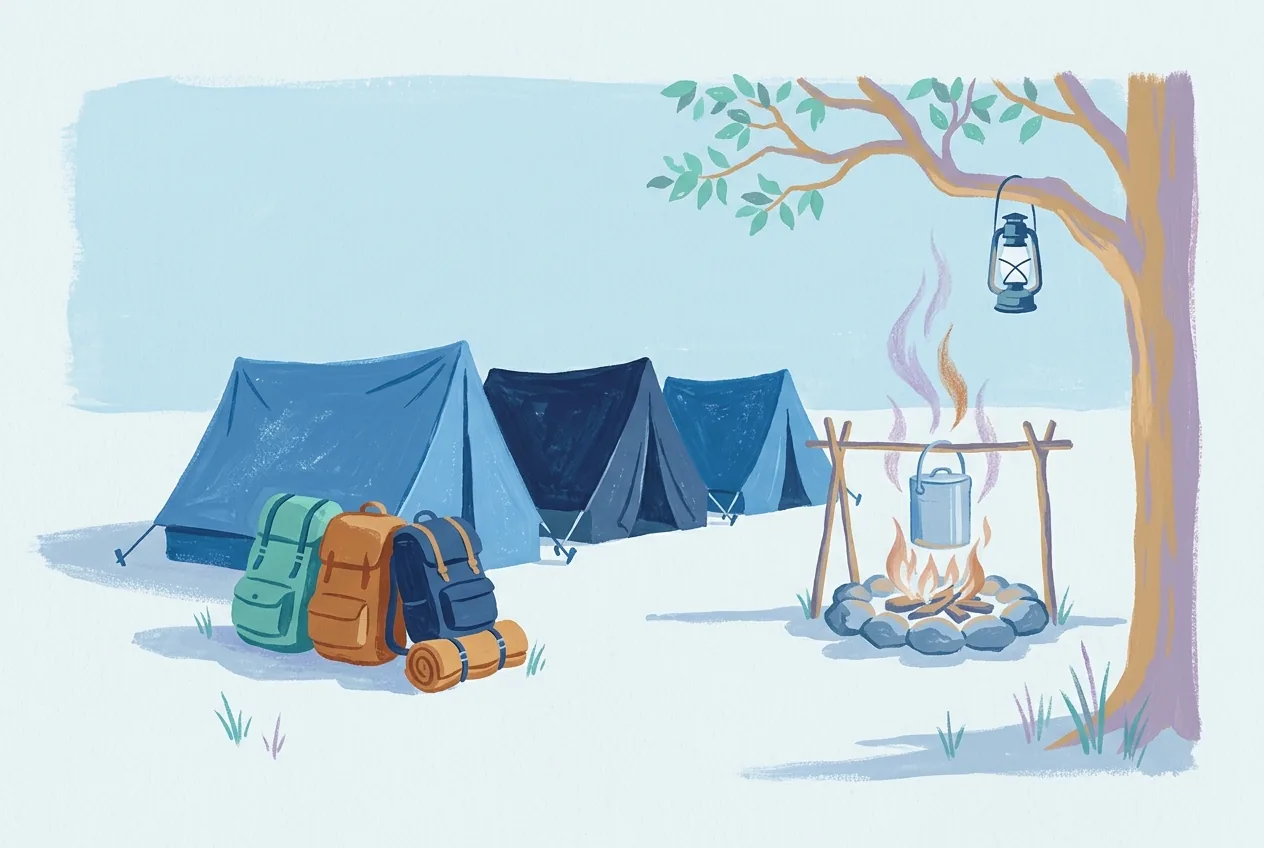
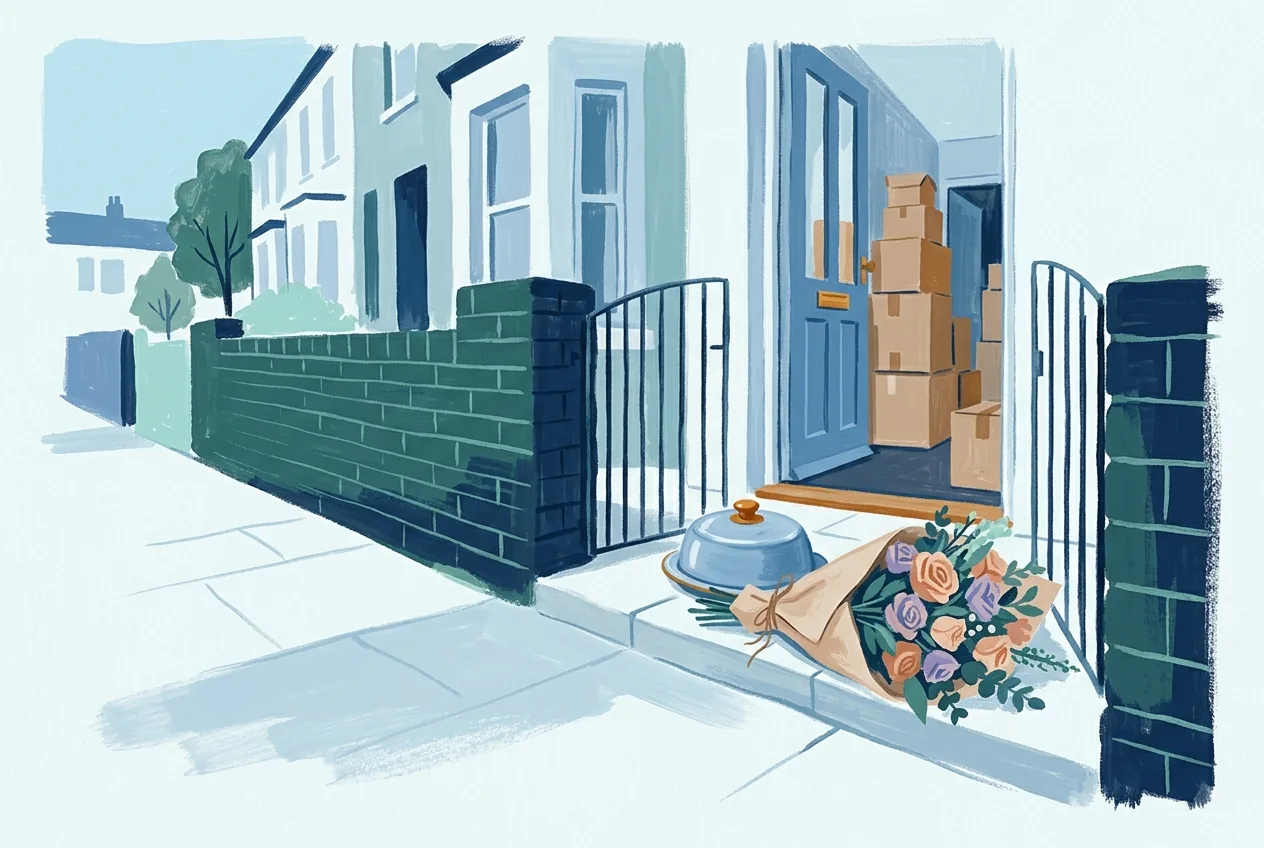
People toward this end often make the first move, from introducing themselves at a workshop to inviting a new colleague for coffee. Their openness gives relationships many places to begin. It can also scatter attention across too many acquaintances, leaving less time for the few people who need sustained care.
The six parts of Extraversion
See the Extraversion page →Extraversion is the average of six facets, and Making friends is one part of it. Someone can land differently on each of the six scales, so the broad result doesn’t tell the whole story.
Making friends
How naturally you connect with people and feel comfortable around them.
-

Crowd comfort
How much you enjoy crowds, large gatherings and talking with many people.
-

Taking charge
How readily you lead, take control and decide what should happen next.
-

Life pace
How much you like staying busy, active and involved throughout your day.
-

Thrill seeking
How much you seek excitement, adventure, and experiences with some risk.
-

Joy
How readily you feel joy, have fun and look on the bright side.
See where all 30 land
Answer 120 short statements for a reading across all 30 facets, with each scale explained in plain English.

Questions
Is a low score a bad score?
No. Each end comes with something that helps and something that gets in the way. Some scale names sound like faults in everyday English, but an end label describes what the statements asked about, not a grade.
What if this part disagrees with its trait?
It happens often, and it’s the reason these 30 facets exist. A broad score is an average of six parts, so one part can point the other way. Nothing is wrong when a facet and its broad trait don’t match perfectly.
Who is this score compared with?
A score is compared with 320,128 U.S. adults who answered the original statements online during the roughly 12 years before 2014. Their published average and spread provide a typical range for the facet, showing how the score compares with that group.