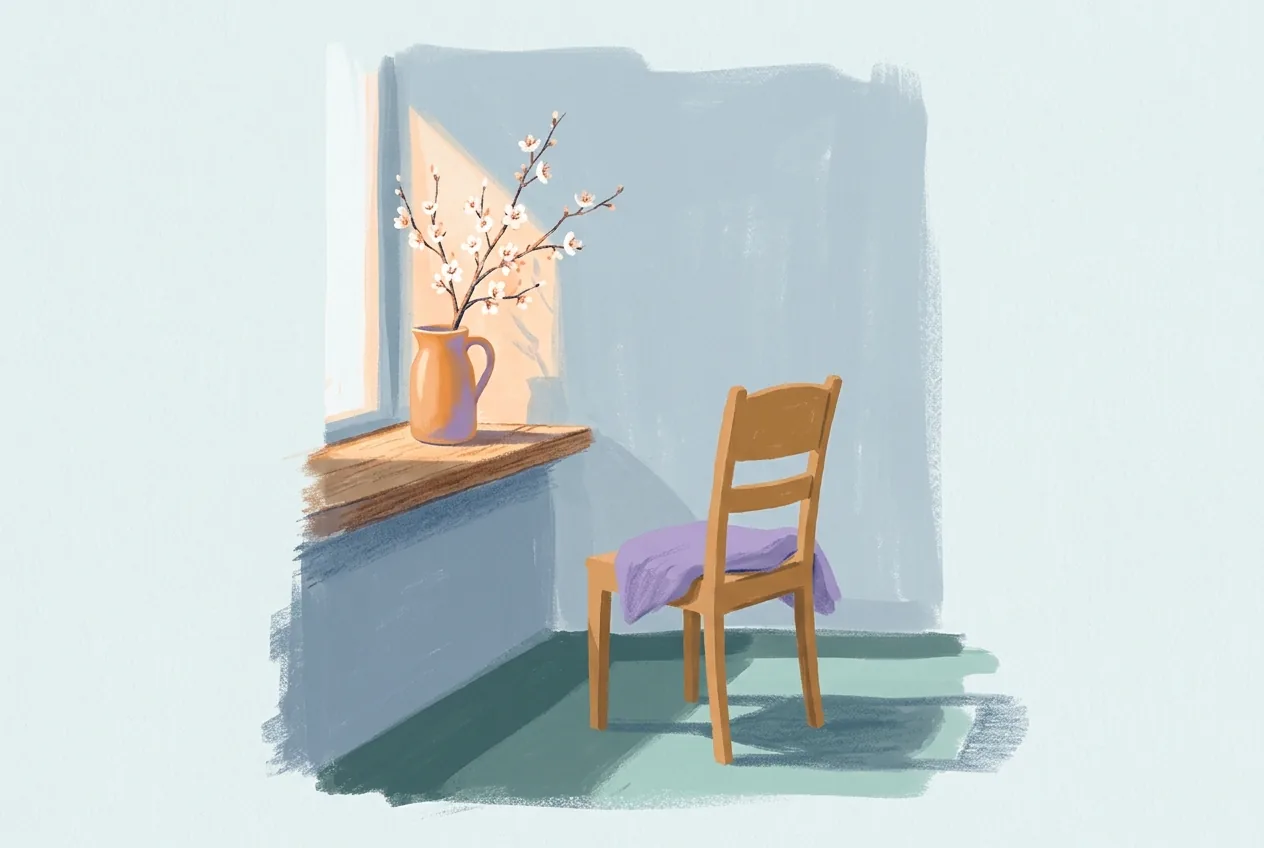
Someone toward this end tends to focus on the task, room, or conversation directly in front of them. That focus can make practical decisions feel clear and keep attention from drifting when details matter. The cost is that possibilities may go unexplored, especially when a useful answer requires time away from the immediate problem.
Types / Personality facets / Vivid imagination
A facet inside Openness
Vivid imagination
How vividly you imagine, daydream and become absorbed in thoughts or fantasy.
What this facet measures

Your readiness to daydream, imagine, and become absorbed in thoughts beyond what is immediately present. The lower end keeps attention more readily with what is real and at hand.
The two ends
This is one scale with two ends, not two camps. Most people land somewhere between them, and neither end is better. The labels describe different ways of answering the statements.
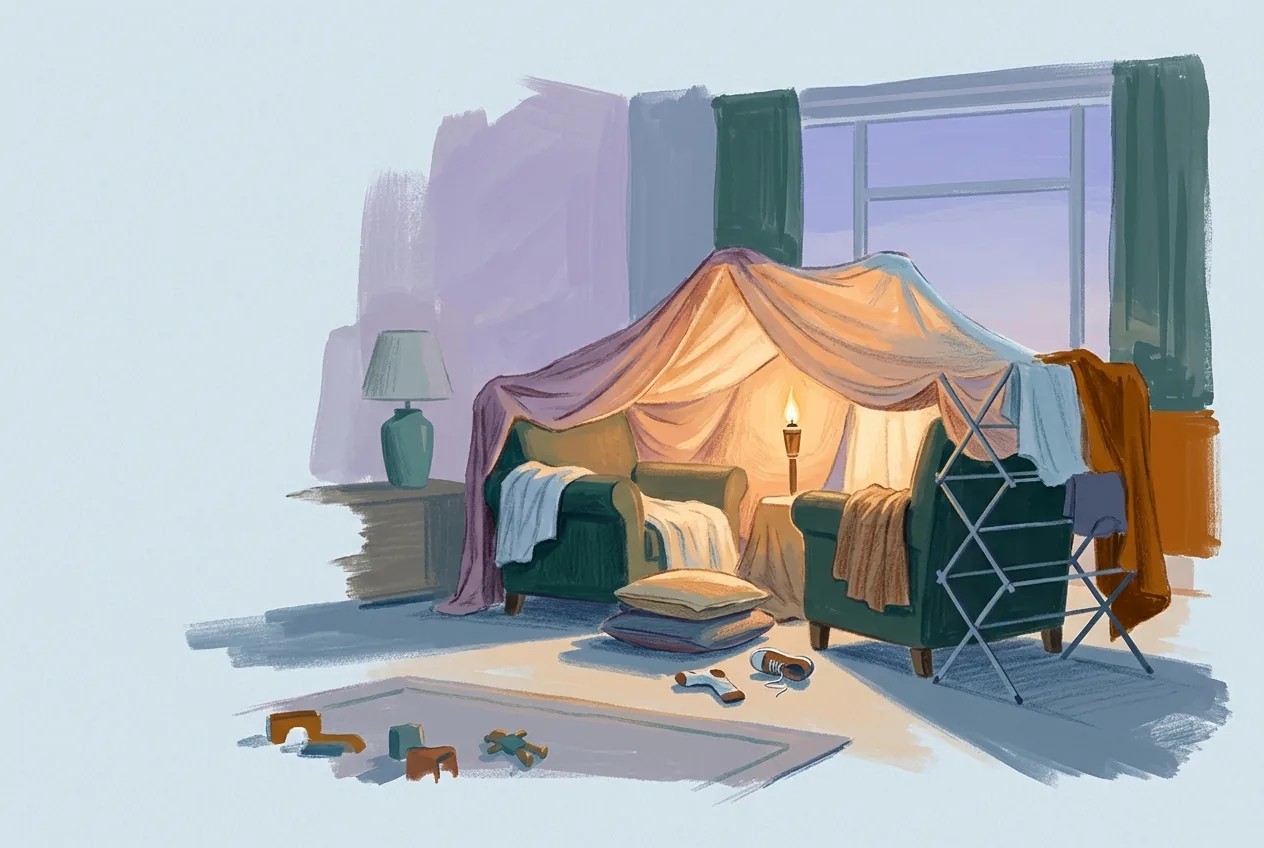
Someone toward this end often turns a walk, a quiet room, or a half-formed thought into a private story or possibility. That inner range can bring fresh connections to writing, planning, and ordinary problems. The cost is that attention may leave the practical moment, and a workable plan can become less satisfying than a more interesting one.
The six parts of Openness
See the Openness page →Openness is the average of six facets, and Vivid imagination is one part of it. Someone can land differently on each of the six scales, so the broad result doesn’t tell the whole story.
Vivid imagination
How vividly you imagine, daydream and become absorbed in thoughts or fantasy.
-

Love of beauty
How strongly art, poetry and beauty catch your attention and matter to you.
-

Emotional awareness
How closely you notice your own feelings and sense what others feel.
-

Welcoming change
How readily you choose variety, welcome change and move beyond familiar routines.
-

Love of ideas
How much you enjoy abstract, theoretical or philosophical questions and discussion.
-

Questioning tradition
How readily you question authority, convention and established ways of seeing things.
See where all 30 land
Answer 120 short statements for a reading across all 30 facets, with each scale explained in plain English.

Questions
Is a low score a bad score?
No. Each end comes with something that helps and something that gets in the way. Some scale names sound like faults in everyday English, but an end label describes what the statements asked about, not a grade.
What if this part disagrees with its trait?
It happens often, and it’s the reason these 30 facets exist. A broad score is an average of six parts, so one part can point the other way. Nothing is wrong when a facet and its broad trait don’t match perfectly.
Who is this score compared with?
A score is compared with 320,128 U.S. adults who answered the original statements online during the roughly 12 years before 2014. Their published average and spread provide a typical range for the facet, showing how the score compares with that group.