
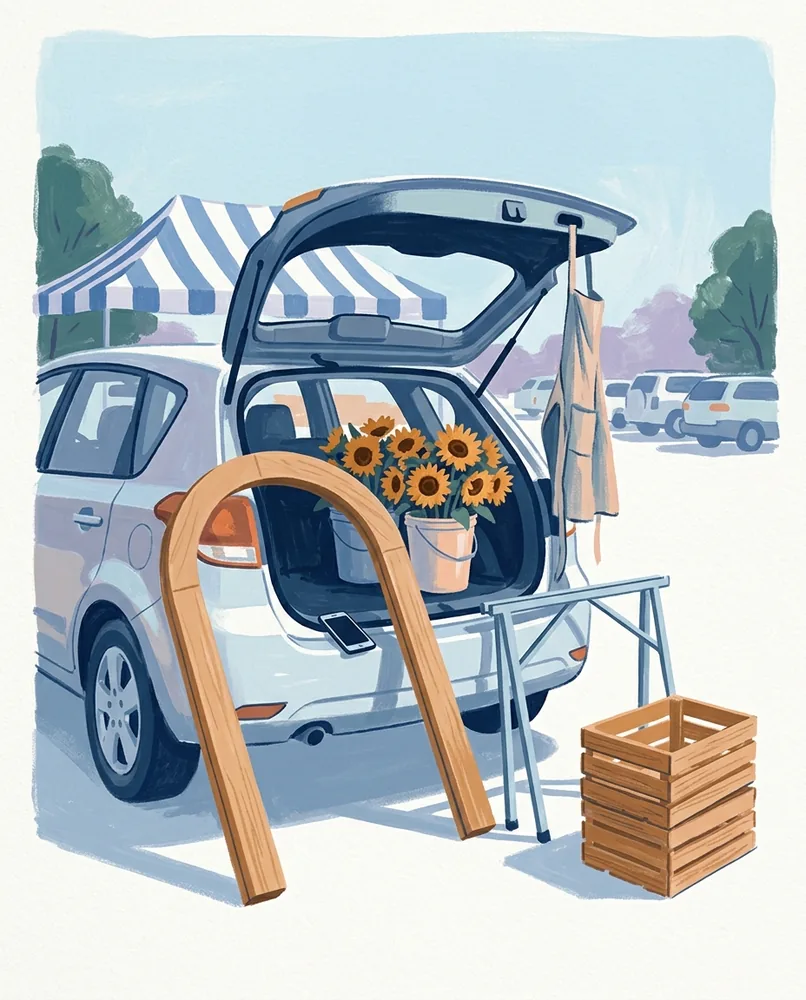
It’s 7:15 on a school morning. An ENFJ is packing lunches, helping with a fourth-grade water-cycle poster, texting the carpool about a schedule change, and asking the quiet child at the counter what she is nervous about today. For ENFJs, parenting may feel like a blend of care, coordination, and possibility. They notice what each child needs, imagine what they might grow into, and start building the conditions that could help them get there. That is a powerful kind of attention. It can also make it hard for them to tell the difference between supporting a child’s development and quietly directing it.
The home they build
1/4Read
How conversation feels

An ENFJ’s home may have a strong current of conversation. Dinner comes with questions about the best part of the day, an unfair rule at school, or what each person is becoming. They are not asking only for information; they are trying to know the inner life of their family.
When a child talks, an ENFJ may hear a clue about their confidence, values, friendships, and future. That attention can make children feel seen. The cost is that a child who needs privacy may experience their interest as an invitation they are expected to accept.
When enthusiasm fills the room

An ENFJ’s Openness may keep family life curious and imaginative. A rainy Saturday can become a cardboard city, a museum expedition, or an elaborate answer to a question nobody planned to ask. Their Extraversion may bring cousins, neighbors, teammates, and classmates into the house until belonging feels abundant.
They are often good at turning an ordinary moment into an experience with meaning. But not every child wants the experience enlarged. Sometimes the most supportive version of their enthusiasm is offering the idea, then letting a child decline it without having to explain why.
Rules that teach judgment

An ENFJ’s Agreeableness and Conscientiousness may lead them to make rules with children rather than simply announce them. A screen-time change might become a family conversation about sleep, school, and fairness, followed by a plan to revisit what is working. They want structure to teach judgment, not just produce obedience.
That approach can build cooperation, but it can also make every limit feel like a negotiation and every disagreement like a relationship problem. Children still need to learn that a loving parent can set a boundary without securing enthusiastic agreement first.
Warmth with structure
The pattern behind these letters often combines warmth with structure: they may encourage a child’s effort while also keeping track of responsibilities, routines, and follow-through. The strength is that children can feel both believed in and guided.
The tension is that their involvement can become so complete that there is little room for a child to struggle privately, make a low-stakes mistake, or discover a direction they did not suggest. Their job is not to remove every obstacle. It is to make enough safety around the obstacle that their child can meet it.
Part of the Personality Type reportThe rest of this chapter is in the Personality Type report
With The Mentor, close attention can help each child grow toward possibility, while raising the question of when guidance becomes direction.
The Personality Type report gives you the whole guide to your own type, read alongside your own results, so you can see how your patterns affect work, relationships, and daily decisions.
Free interpretation of your answers when you sign in The full report is $30.
