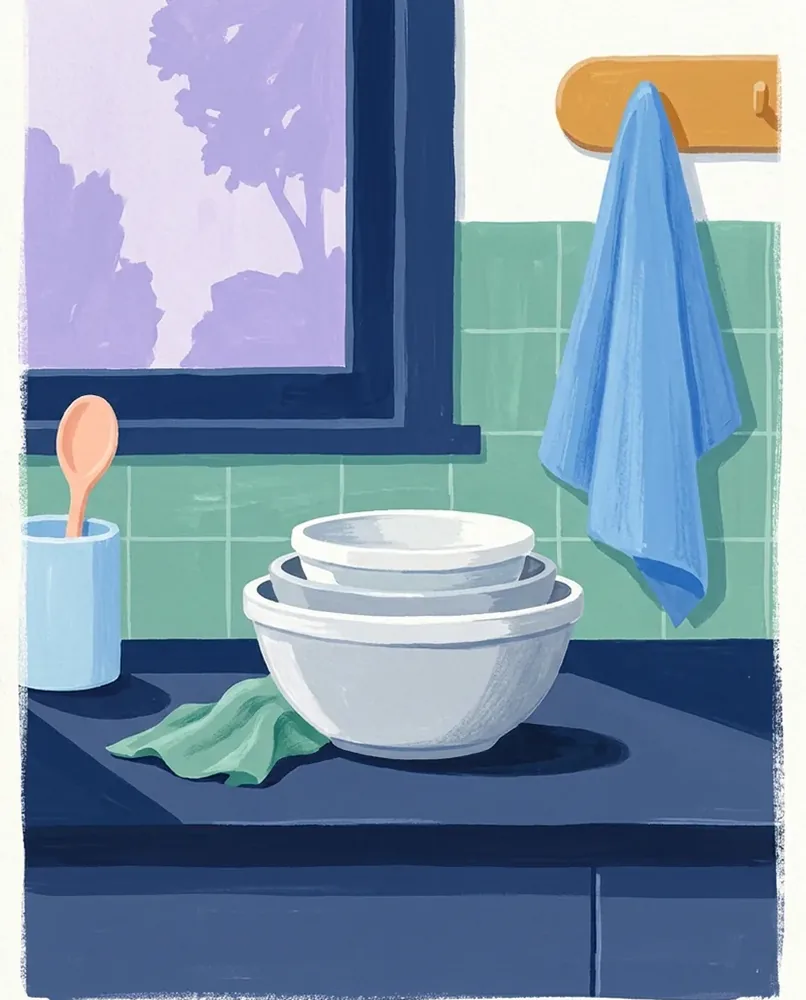
Types / Personality types / Expansive Spark

Personality typeEN · Expansive Spark

The Mentor.

Someone who says yes easily, gets things moving, and keeps adding ideas and people to the plan.

ENFJ

Extraversion, Intuition, Feeling, Judging.

ENFJ · Personality typeThe Mentor
An open car hatch holds sunflower buckets and a tipped wooden arch, with empty crates, a folded trestle, and a canopy nearby.

The Mentor at a glance

…a man has as many social selves as there are individuals who recognize him…

William James, The Principles of Psychology, vol. 1, chapter X

The clinic’s holiday party has been the same potluck in the same break room for years, and the planning meeting is almost over. Then one person suggests a new idea: everyone draws a coworker’s name and writes a card about one thing that made that person’s year easier. The cards will be read before the cake. By the end of the meeting, she has matched the names, chosen a deadline, and paired the new night-shift nurse with the charge nurse who trained her. If they have these letters, they may recognize the instinct from the inside. They are not only imagining a warmer gathering. They are already noticing who might feel included, what would give the idea meaning, and what needs to happen for it to become real. That is the pattern often associated with The Mentor: people-oriented energy joined to purpose, encouragement, and follow-through.

What drives them

1/3

Seeing people grow

A coiled hose lies beside a thriving vegetable bed at dusk, with dark, watered soil between the rows.

They tend to notice growth in motion. A shy coworker who finally presents at the staff meeting may stay with them for days, especially if they helped her rehearse over lunch. The reward is not simply being thanked. It is seeing a person’s confidence become visible to them and to everyone else.

They often look for the sentence, introduction, opportunity, or vote of confidence that might help someone take a next step. The cost is that another person’s potential can begin to feel like their assignment. When they can see a path forward, it may be difficult to accept that someone does not want to take it, is not ready, or will choose a different path entirely.

Making gatherings worthwhile

A wooden spinning top turns on a bare tabletop, with a blurred rim and a long shadow beside it.

They also tend to want experience to add up to something. A book club, a team, or a family reunion can be pleasant and still leave them wondering what it is building. They may ask what a group could become, what value it could offer, or how its members could leave stronger than they arrived.

This gives their warmth direction: they are often less interested in gathering people merely to fill a room than in creating a shared sense of meaning. The cost is restlessness with maintenance. Traditions, routines, and small talk may seem empty when they are actually giving people continuity, comfort, or a place to belong.

Turning care into action

A cast-iron woodstove burns with its door open, beside a basket of split logs on the hearth.

Their ideas often arrive with a date attached. If they tell new neighbors they will introduce them around, a backyard dinner may be on the calendar by the weekend, with name tags in case people need help crossing the first awkward minutes. They turn social possibility into an invitation, a list, and a next step.

That follow-through makes their encouragement believable: people can see that they meant it. But a generous promise can quietly become a permanent obligation. Before they volunteer, they can ask whether they are offering help, or automatically becoming the person responsible for the whole outcome.

How their letters work together

1/4

ENFJ on four scales

ENFJ sits on the Extraversion, Intuition, Feeling, and Judging side of its four scales.

The shaded half of each scale shows where every ENFJ falls. Take the personality assessment and your own dots will appear too.

Attention and imagination

Nested mixing bowls in graduated sizes are stacked on a kitchen counter in clear morning light.

The central combination is social attention plus imagination, care, and structure. They may notice what is happening between people, imagine what could improve it, feel personally invested in the human result, and then organize the next move. That sequence can make them look effortlessly capable from the outside, even when it is costing them considerable attention.

Their Openness and Agreeableness tend to aim curiosity toward people. They may wonder why a friend keeps choosing the same kind of boss, what their nephew would study if nobody expected him to become an engineer, or what a tense conversation is really protecting. They are often interested in the person beneath the behavior and the future hidden inside a current decision.

The strength is humane imagination: people do not look like fixed categories to them. The cost is that they may keep explaining someone’s behavior long after their repeated choices have supplied enough evidence.

Making encouragement visible

Four candles of different heights burn together on a shallow dish, with wax pooled between them.

Their Extraversion and Agreeableness often move what they notice into the shared space. Where another caring person may keep a good opinion private, they are more likely to say in the meeting that Priya is the reason the report finally makes sense. Public encouragement can give someone a durable sense of being seen, and it can teach a group to recognize contributions it might otherwise overlook.

Yet praise is not received in a vacuum. Someone who is wary of attention may hear recruitment, performance pressure, or a demand to become the person they just described. Ask before turning your belief in someone into a public moment.

From hunch to plan

A stone arch set into a garden wall has a keystone at the top catching the sunlight.

Their Openness and Conscientiousness can turn a hunch about people into a working plan. If older neighbors seem lonely after the senior center closes, their concern may become a Sunday supper rotation, a shared cooking list, and rides for the neighbor who stopped driving.

This is one reason others may experience them as a force for momentum: they do not merely identify a human need; they connect it to people, timing, and logistics. The same habit can move faster than consent. A plan designed for people is still a plan done to them if they decide what people need before asking.

When care becomes commitment
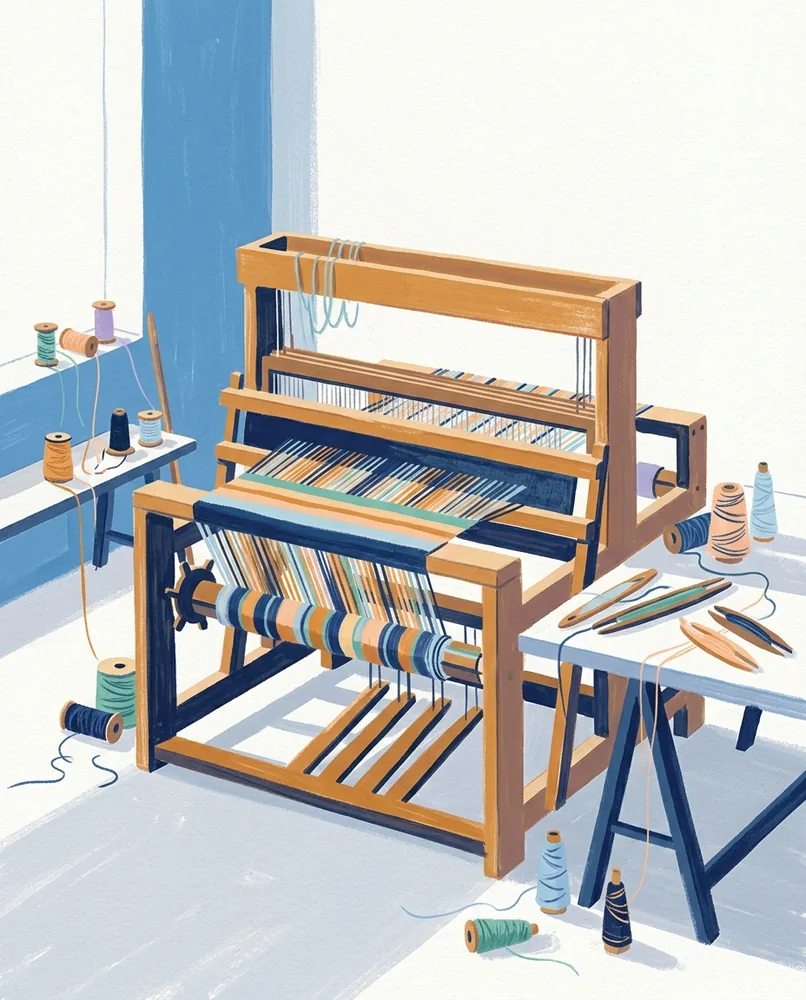
A floor loom holds tightly stretched warp threads, with a hand's width of striped weaving begun at the bottom.

Their Agreeableness and Conscientiousness can make a promise feel morally substantial. Tell a friend they will help her prepare for an interview, and they may be running practice questions Tuesday and texting “You’ve got this” Thursday morning. Reliability becomes one of their ways of caring. People learn that their encouragement has weight because they show up after the inspiring conversation is over.

The cost is that every sincere “I can help” can become a claim on their future time. Put all four tendencies together and one coffee with a friend can end with a new possibility for her life, an offer to help, and a date on their calendar to check in. That is generous, imaginative, and practical. It is also three new commitments created by one conversation.

They may experience this as natural responsiveness rather than overextension because each step makes sense on its own. The useful pause is before the sequence begins: What did she actually ask for? What belongs to her to decide? What can they offer without quietly taking ownership? They may need to distinguish being supportive from being continuously available.

How other people see them

1/4

Warmth as attention

A picture frame faces the wall on a mantelpiece, with a clock and vase standing on either side.

People may notice their energy before they notice the care underneath it. Someone who does not know them well might interpret their warmth as a love of small talk, networking, or being onstage.

From the inside, they may be tracking who has gone quiet, whether the person by the coffee maker seems alone, or how to make a new colleague feel less lost. Their social ease is often a form of attention. The cost is that others may assume they enjoy constant access, when being available to people can be worthwhile and tiring at the same time.

When encouragement becomes an agenda

A hallway mirror reflects an empty room and a vase of flowers on the table opposite.

Their encouragement can be misread as an agenda. When they tell a coworker she would make a strong team lead, they may simply be naming a possibility they clearly see. Someone who has been pressured or used before may wonder what they want from her, whether they are recruiting her for a project, or whether praise will turn into expectations.

They may feel puzzled because the belief came before the request. They can clarify that the belief is encouragement, not a request for the other person to take anything on. Their invitations to imagine can also sound like criticism of what already exists.

When they ask, “What if we did it differently this year?” they may mean that the group is capable of more. A coworker who loved last year’s version may hear that her work was inadequate or that the familiar thing is being taken away. Their intention is possibility; the other person’s experience may be evaluation. Naming what they appreciate before proposing what could change gives people a bridge between the two.

Adapting across relationships
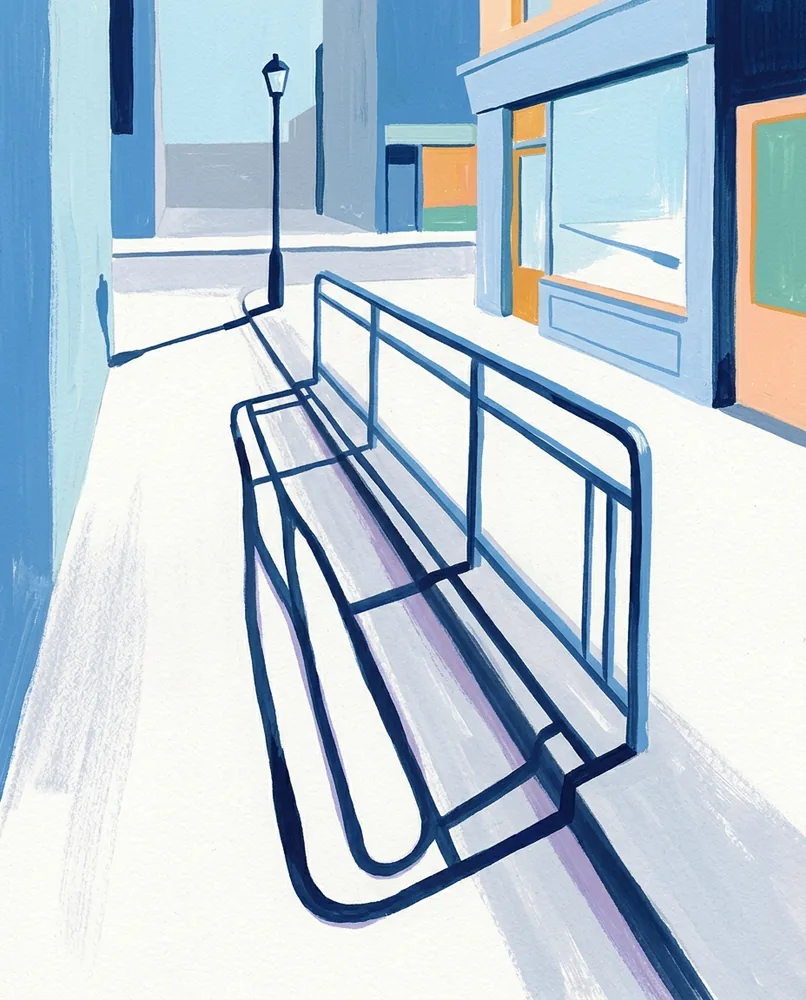
A sidewalk railing casts a shadow far longer and more irregular than the railing itself.

They may also become a slightly different version of themselves with their grandmother, their team, and their running group, bringing forward whatever each relationship seems to need. That is not necessarily an act. It can be a flexible form of care and a way of making many kinds of connection.

Still, someone who sees only one version of them may find the shifts puzzling, especially if they mistake adaptation for inconsistency. Letting people see their own needs and preferences—not only their ability to meet others’—makes the relationship feel more mutual.

When availability runs out
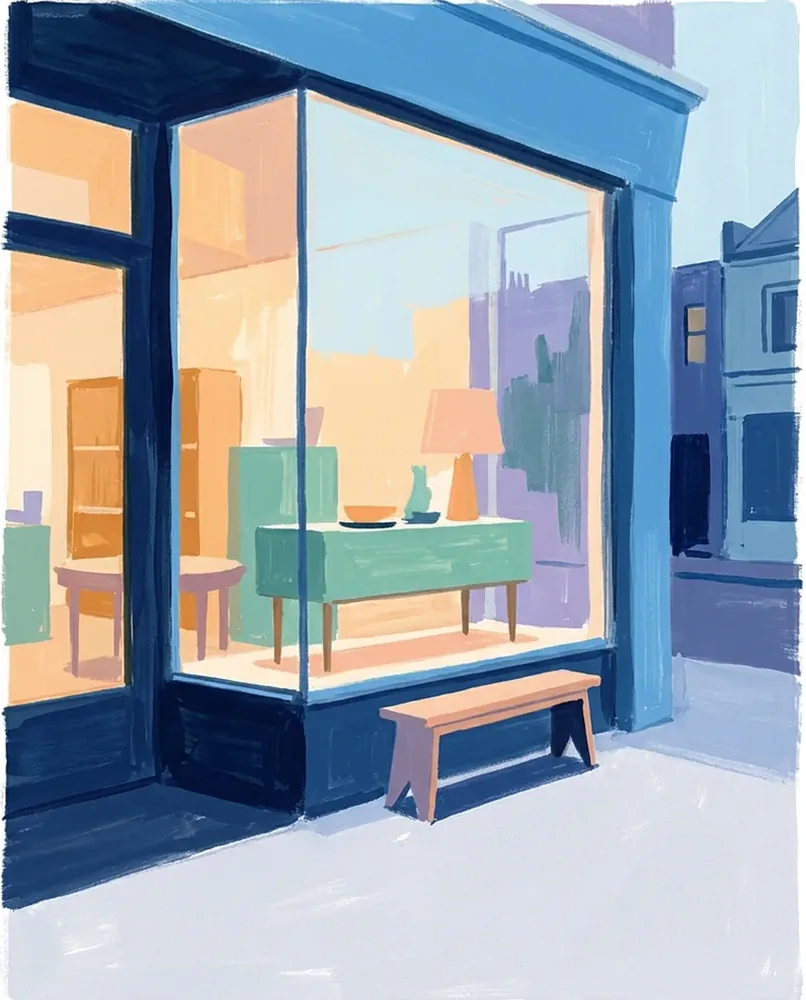
A shop window at dusk reflects the street across its glass, while the warm interior glows behind it.

A packed week can look easy from the outside, so the people around them may not know they are running low until they say so. They may be the last one to notice because each commitment has a person attached to it, and declining can feel more immediate than exhaustion. Eventually, the cost may appear as impatience, disappointment, or a sudden wish to disappear from everyone.

Rest is easier to protect when they treat it as a prior commitment rather than a reward for finishing every request. Other people cannot respect a limit they have never stated.

What sets them apart from neighboring types

1/4

One letter from ENFJ

The nearby differences
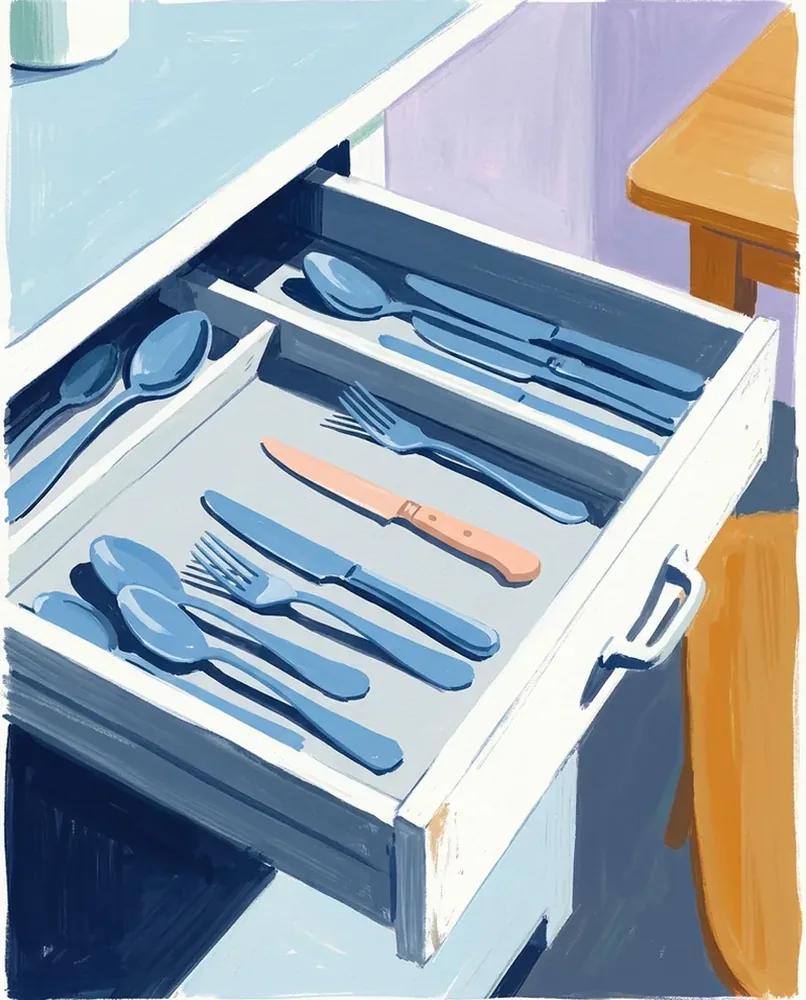
An open drawer of matching steel cutlery holds one bone-handled knife among the pieces.

Four types are one letter away from theirs, but the difference that matters most depends on the situation. The two easiest to confuse with ENFJ are The Optimist and The Host: both can look warm, socially engaged, and committed to helping people.

The other nearby patterns, The Beacon and The Captain, can share their vision or drive while differing in how broadly they engage or how much relational impact guides their decisions.

Optimist or Mentor

Five terracotta pots line a low wall, each holding a different plant.

The Optimist shares their Extraversion, Openness, and Agreeableness, but differs on Conscientiousness. They may both light up at a new idea for a group and want nobody left out. An ENFP tendency is to keep the plan open so a better possibility can arrive later. They are more likely to want the idea settled by Wednesday, so people can count on it.

The Optimist’s flexibility protects surprise and discovery; the Mentor’s structure protects the gathering from remaining only an exciting conversation. Under stress, the Optimist may feel their calendar closes possibilities too soon, while they may feel the Optimist’s openness leaves care unfinished.

Host or Mentor
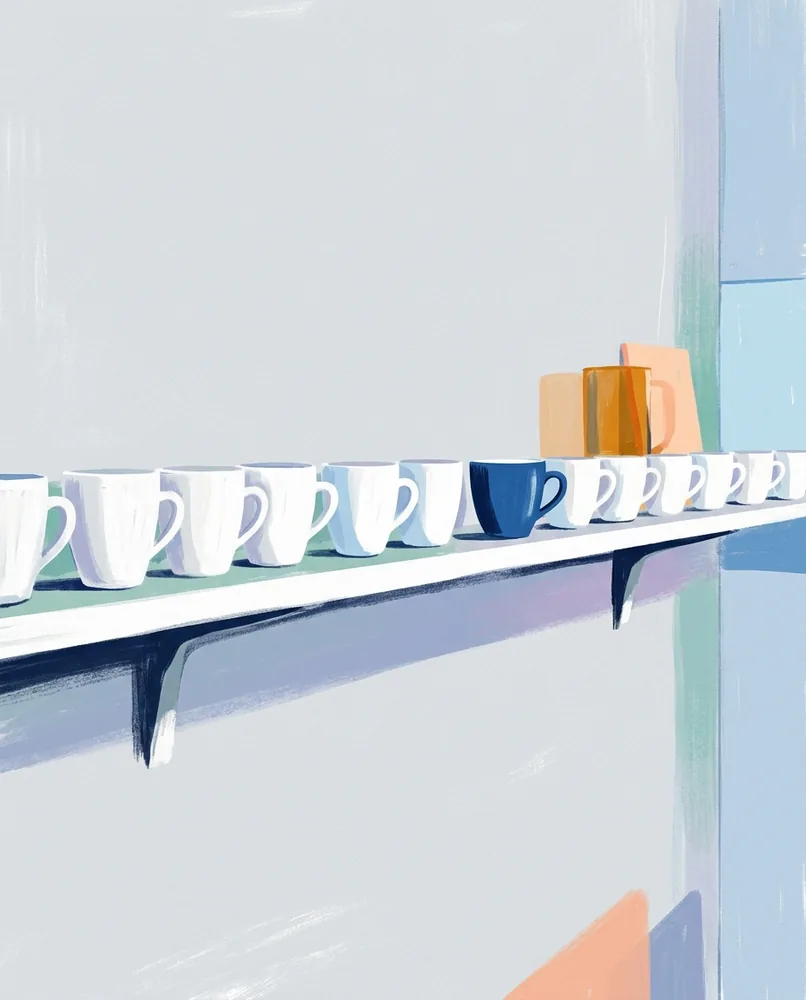
A shelf of white cups with one deep blue cup standing among them.

The Host shares their Extraversion, Agreeableness, and Conscientiousness, but differs on Openness. They may both host the block party and make sure the new family is introduced around. An ESFJ tendency is to preserve what works: the same grill, familiar games, and potato salad everyone expects. They are more likely to ask what the gathering could become this year and add a book exchange beside the grill.

The Host’s steadiness gives people continuity; their questions invite the tradition to grow. The difference is not caring versus not caring. It is whether care is expressed mainly by maintaining a trusted structure or by helping the group discover a new purpose. Either approach can become rigid: familiarity can turn into resistance, while reinvention can make people feel that what they built together is never quite enough.

Beacon, Captain, or Mentor

White sheets hang along a clothesline, with one bright amber sheet among them.

INFJ may give one friend, over a long coffee, the kind of concentrated attention they spread across a whole party. Shared imagination and care can make both of them perceptive, but their energy is more likely to move outward through a network of people, while INFJ’s may deepen through a smaller number of relationships.

ENTJ may push a large plan forward with comparable momentum and structure, while giving less automatic weight to how each person feels along the way. They can still be decisive, and ENTJs can still care deeply; the difference is the information each tends to notice first. They may ask whether people feel included and what the change will mean to them.

ENTJs may ask what the goal requires and what is slowing it down. If more than one description sounds like them, they can pay attention to the tendencies behind the letters, especially scores near the middle: a person can be socially energetic without needing a crowd, imaginative without being constantly novel, caring without avoiding hard decisions, and organized without wanting every moment planned.
The rest of the guide

The chapters below complete the guide, and the Personality Type report gives you the whole guide to your own type.

With other people

Our take The parts below are built from your letters. They describe what might feel easy, where one person’s good intention may land differently than intended, and what could make the difference easier to discuss. Treat them as conversation starters, not predictions.

In a relationship

What may feel easy

A partner who is open to plans, willing to talk through what matters, and dependable about follow-through can feel reassuring to you. You may especially value someone who cares about people or causes beyond the relationship, because shared purpose gives your energy somewhere to go. The useful balance is reciprocity: you do not have to be the one who supplies all the enthusiasm, emotional attention, and direction.

Where friction may show up

Friction may be strongest with someone quieter, more practical, and happier to decide in the moment. Their preference for less conversation, fewer plans, or more private time may feel like distance to you, while your color-coded weekend and frequent check-ins may feel like pressure to them. Neither person is necessarily less caring: you may express love by creating shared experiences, while they may express it by being present without needing to organize the experience.

What they might bring

A calmer pace, and permission to do less without treating rest as a failure of enthusiasm.

When you are much alike

Similarity can create a quieter kind of problem. Two people who are generous with time may keep saying yes until the relationship is crowded with obligations. Two people who value harmony may also edit their complaints so carefully that neither realizes resentment is building.

Research behind this panel

Researchers call the loop in which one person presses for a change and the other pulls back “demand/withdraw.” Across 74 studies, it was linked with unhappier relationships, and it mattered little which partner played which role[C11]. The pattern often looks like pursuit versus avoidance, but both people may be protecting something: one from being ignored, the other from feeling cornered. Who presses tends to depend on whose issue is on the table[C12]. Naming the cycle can help a couple stop arguing about who is the problem and start asking what the cycle is doing to both of them.

In one research program, giving something up to sidestep a conflict went with worse outcomes for couples, while giving to please a partner went with better ones[C17]. The difference is not the size of the sacrifice alone. It is whether the choice feels freely offered and connected to care, or whether resentment is accumulating because speaking honestly feels unsafe or pointless.

In one study of couples, feeling grateful toward a partner went with both partners feeling more connected the next day[C16]. Gratitude may matter partly because it makes ordinary contributions visible: the errand, patience, explanation, or small act of consideration that can otherwise disappear into routine.

People included in the research

Most of this research studied married, heterosexual couples in Western countries. One study of the push-pull loop included lesbian and gay couples and found the same link[C12]. Use these findings as useful but incomplete clues, not as a definition of what a relationship should look like.

As a friend

What may feel easy

A friend who shows up for your fundraiser, remembers the detail you mentioned weeks ago, and is willing to join a big plan can feel like good company. You often bring warmth, momentum, and a sense that friendship is something to actively tend. The best fit is not simply someone who accepts your invitations, but someone who also notices when you need care rather than another role to organize.

Where friction may show up

A quieter, practical friend who prefers loose plans may say “maybe” to the group trip and mean it, not as a hidden promise. They may also want a simple night in when you have arranged something larger. You may experience their low-key style as lack of investment; they may experience your effort as an obligation to match your pace.

What they might bring

A calmer kind of time together, plus a practical view of what is actually needed rather than what would make the best story.

When you are much alike

Being alike has its own snag. Two people who naturally look after everyone can both forget to ask for help, each assuming the other is fine because neither wants to add a burden. You may also reinforce each other’s busy schedules and call it connection. A friendship becomes more mutual when support can move in both directions, including in small, unpolished requests.

Research behind this panel

In one study of an MBA class, outgoing people collected more friends, and people tended to befriend others about as outgoing as they were[C55]. This may reflect opportunity as much as preference: people who initiate more often create more chances to connect, while quieter people may build fewer but no less important relationships. Visibility can affect who gets chosen without measuring who is worth knowing.

In two studies of new acquaintances, more hours together went with growing closer, and leisure time together went with closeness too[C23]. Familiarity creates opportunities for trust, but time alone is not magic: repeated contact is more likely to help when people feel welcomed rather than trapped, evaluated, or ignored.

People included in the research

Most friendship studies so far have looked at students. Friendships later in life can carry different pressures, histories, and choices about time, so treat these findings as a starting point rather than a complete picture.

At work

What may feel easy

Coworkers who care about the mission, arrive prepared, and like building something together may feel easiest to work with. You can bring energy to a shared purpose, help people understand why the work matters, and notice when a team is losing connection. The cost of that strength is that you may take responsibility for morale as well as results, even when the team needs clearer priorities, fewer meetings, or more ownership from others.

Where friction may show up

A teammate who is quieter, more practical, and happier to decide on the day might skip the team-building event and ask for fewer meetings. They may also see your big vision as extra work before the immediate task is finished. You may read their resistance as disengagement; they may be protecting focus from plans that have not yet become requirements. Translate the purpose into a concrete next step, define what is necessary, and do not mistake visible enthusiasm for commitment—or quietness for its absence.

What they might bring

A practical check on what is necessary, along with focused attention on the task in front of the team.

When you are much alike

Sameness can trip you up too. Two people who want everyone on board may keep refining the message, checking the temperature, and waiting for agreement after the decision is already good enough to make. Consensus can protect trust, but it can also blur accountability.

Research behind this panel

In one study of student teams, teammates saw outgoing members as having more effect on the group’s results than quieter members[C37]. Being noticed is not the same as contributing more. Speaking often can make influence easier to see, while careful preparation, listening, and private problem-solving may remain invisible unless the team actively makes room for them.

A meta-analysis of work groups found that conflict about each other, or about how the work gets done, went with worse group results, while disagreeing about the task itself was not strongly tied to worse performance[C22]. A team can challenge an idea without attacking a colleague. The distinction becomes harder to maintain when criticism is vague, personal, or tied to status.

People included in the research

Research on teams mixes real workplaces with student project groups, so treat it as a rough guide. A team is also influenced by its manager, incentives, workload, power differences, and whether people have room to work in their own way.

  • C1 Dyrenforth, Kashy, Donnellan & Lucas (2010). Journal of Personality and Social Psychology 99(4), 690–702. Abstract only DOI
  • C2 Malouff et al. (2010). Journal of Research in Personality 44(1), 124–127. Abstract only DOI
  • C3 Joel et al. (2020). Proceedings of the National Academy of Sciences 117(32), 19061–19071. Read the full article DOI
  • C5 Yang et al. (2026). Social Psychological and Personality Science. Abstract only DOI
  • C6 Körner & Altmann (2023). Journal of Research in Personality 107, 104436. Abstract only DOI
  • C7 Joel, Eastwick & Finkel (2017). Psychological Science 28(10). Abstract only DOI
  • C8 Kong (2010). Journal of Korean Academy of Nursing 40(3), 336. Abstract only DOI
  • C11 Schrodt, Witt & Shimkowski (2014). Communication Monographs 81(1), 28–58. Abstract only DOI
  • C12 Baucom, McFarland & Christensen (2010). Journal of Family Psychology 24(3), 233–242. Abstract only DOI
  • C16 Algoe, Gable & Maisel (2010). Personal Relationships 17(2), 217–233. Abstract only DOI
  • C17 Impett, Gable & Peplau (2005). Journal of Personality and Social Psychology 89(3), 327–344. Abstract only DOI
  • C22 de Wit, Greer & Jehn (2012). Journal of Applied Psychology 97(2), 360–390. Abstract only DOI
  • C23 Hall (2019). Journal of Social and Personal Relationships 36(4), 1278–1296. Abstract only DOI
  • C33 Neyer & Asendorpf (2001). Journal of Personality and Social Psychology 81(6). Abstract only DOI
  • C34 Lehnart, Neyer & Eccles (2010). Journal of Personality 78(2). Abstract only DOI
  • C37 Barry & Stewart (1997). Journal of Applied Psychology 82(1), 62–78. Abstract only DOI
  • C55 Feiler & Kleinbaum (2015). Psychological Science 26(5), 593–603. Abstract only DOI

Ready to find your own type?

Personality Type gives you your four letters and a page about your type.

Questions

Is this type rare?

We can’t say. Nomigram does not count how many people receive each type, and their letters are not a measure of how unusual they are. They describe the tendencies that stood out in their answers, not their rarity or importance. Because the letters come from continuous scores, people near a midpoint may resemble neighboring types, so neat population counts would suggest more precision than the assessment can support.

Does my type say how smart I am?

No. Their letters come from statements about what they enjoy and how they tend to act. They do not measure intelligence, education, talent, or how well they will perform in a particular role. An ENFJ can be brilliant or ordinary at a given task, just as people with any other letters can. Skill grows from many things their type does not capture, including practice, knowledge, opportunity, judgment, and health.

Can my type change?

Yes, especially when one or more letters are close to the middle. A Nearly a tie means the underlying score is within five percentile points of the midpoint, so a small change in answers—or a different season of life—can move it to the other side. A Strong letter, at least 25 points from the middle, would usually require a much larger shift. That does not make either result unreliable: the letters are shorthand for degrees on continuous traits, not permanent boxes. Personality can also develop gradually over the years, while your answers can vary more quickly with context, mood, or what has been happening in your life. If you retake the assessment, look for the pattern across results rather than treating one changed letter as a new identity.

Why do I relate to two types?

You may relate to two types because each letter represents a position on a continuous scale, not a separate kind of person. When a score is near the middle, both sides can describe real parts of your behavior, depending on the setting, your role, and what the moment requires. For The Mentor, the nearby guides are The Beacon, The Host, The Captain, and The Optimist. “Your results” shows which of your letters, if any, came out Nearly a tie. Read the neighboring guide as a useful comparison, not as evidence that one result must be the true one.

Where does this come from?

Your letters come from four of the five broad personality traits, using the same answers as your personality result, with no extra questions. E comes from Extraversion, N from Openness, F from Agreeableness, and J from Conscientiousness. Each score is shown as a percentile compared with a published reference sample, and each letter is assigned according to whether that score falls above or below the midpoint. This means the letters summarize degrees of a trait rather than placing you in a sealed category; a score near the midpoint can support either letter. Research by McCrae and Costa in 1989 examined how four letter-style scales correspond with broad personality traits. Nomigram uses that general connection as background, then writes its own descriptions of how the four traits can combine. The descriptions on this page are interpretations, not diagnoses or predictions of what you must do.

More about the method

  • McCrae, R. R., & Costa, P. T., Jr. (1989). Journal of Personality, 57(1), 17–40. DOI
See your own personality patternStart now