
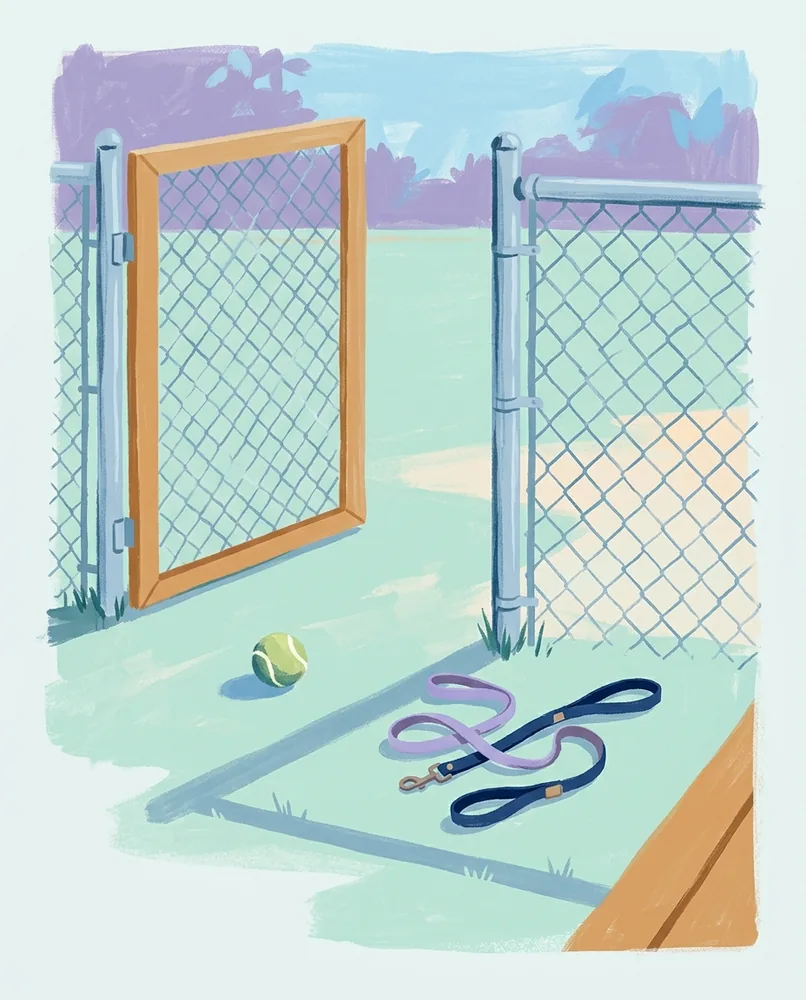
Rain cancels the zoo. They take in the disappointed faces, grab a flashlight and every blanket in the linen closet, and announce that the living room is now a cave, snacks included. By lunch there is a hand-drawn map on the fridge and a plan to visit a real cave “someday.” That is one version of The Optimist as a parent: turning a disappointment into a story, making room for individuality, and bringing energy to the people around them. Their children may experience them as someone who notices what could make life more vivid. They may also experience a parent who is wonderful at beginning the adventure and less naturally drawn to the repetition that keeps family life steady. The central parenting task is not to become a different person. It is to make their warmth dependable: to pair imagination with follow-through, openness with limits, and enthusiasm with enough routine that their children do not have to guess what holds.
The home they build
1/3Read
A home for curiosity
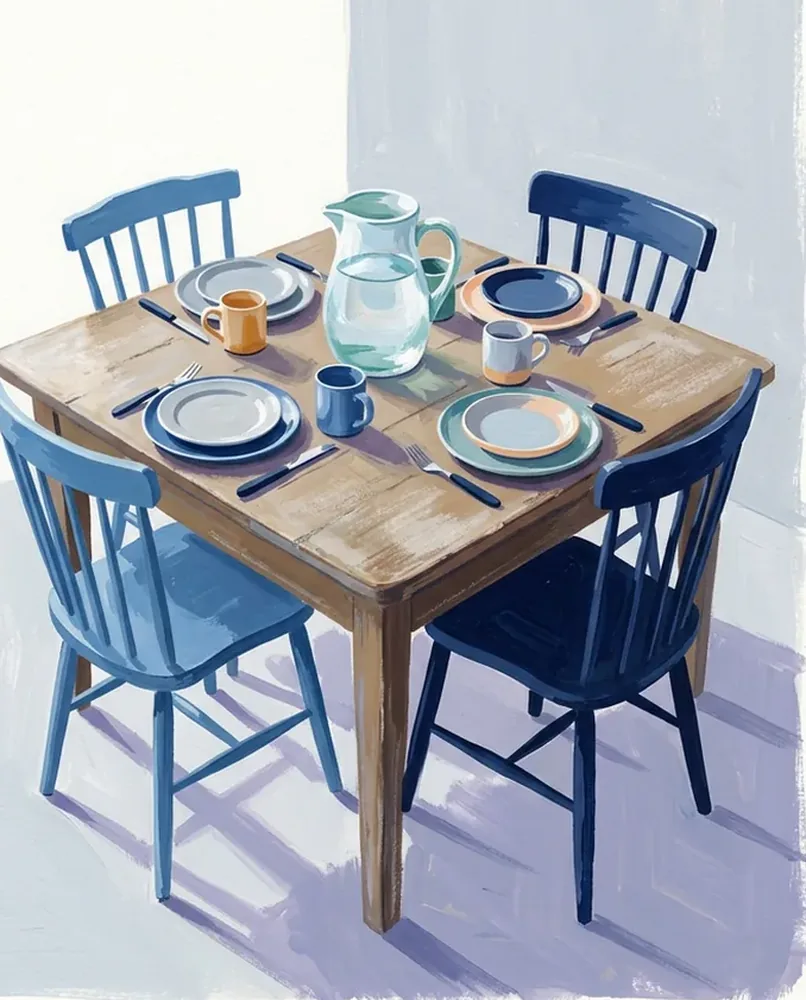
Their house may be the one neighborhood kids drift toward. There may be a costume bin, art supplies in more places than anyone can track, and a half-finished volcano on the kitchen table. Relatives and the kid from down the street can feel welcome, and dinner can grow by two plates without much fuss.
More deeply, they may give children permission to be specific people rather than polished versions of what adults expected. They notice the unusual interest, defend the emerging identity, and ask questions that let a child tell the truth about what matters to them. The gift is a home where curiosity is not treated as disobedience and difference is not treated as a problem.
When openness blurs rules
The cost of that openness is that the emotional atmosphere can matter more to them than the practical system underneath it. They may care intensely about kindness, honesty, and trying new things while caring much less about where shoes land or whether tomorrow’s form is signed. Bedtime can slide because the conversation is good. A rule may be softened because they can immediately imagine the child’s disappointment.
From their side, this can feel humane and responsive. From a child’s side, it can feel like the rules depend on their mood, the strength of their argument, or how interesting the evening becomes. Children often need fewer explanations than they need to know what will happen next.
Making structure feel freeing
Structure may feel like the opposite of freedom, especially when repetition makes them feel confined. But a few dependable routines can create the freedom they want their children to have: they do not have to spend their energy negotiating bedtime, meals, screens, or the next transition. Try separating nonnegotiable values from negotiable methods.
“We speak without cruelty” can be firm even if their child chooses whether to apologize immediately or after a few minutes. “School mornings start at seven” can stay steady while breakfast, clothes, and music remain flexible. Their warmth is not weakened by a boundary. It becomes easier for a child to trust when the boundary survives enthusiasm, guilt, and a persuasive speech.
Part of the Personality Type reportThe rest of this chapter is in the Personality Type report
When The Optimist turns disappointment into adventure, children may feel possibility everywhere, while the family still needs warmth expressed through reliable follow-through.
The Personality Type report gives you the whole guide to your own type, read alongside your own results, so you can see how your patterns affect work, relationships, and daily decisions.
Free interpretation of your answers when you sign in The full report is $30.
