
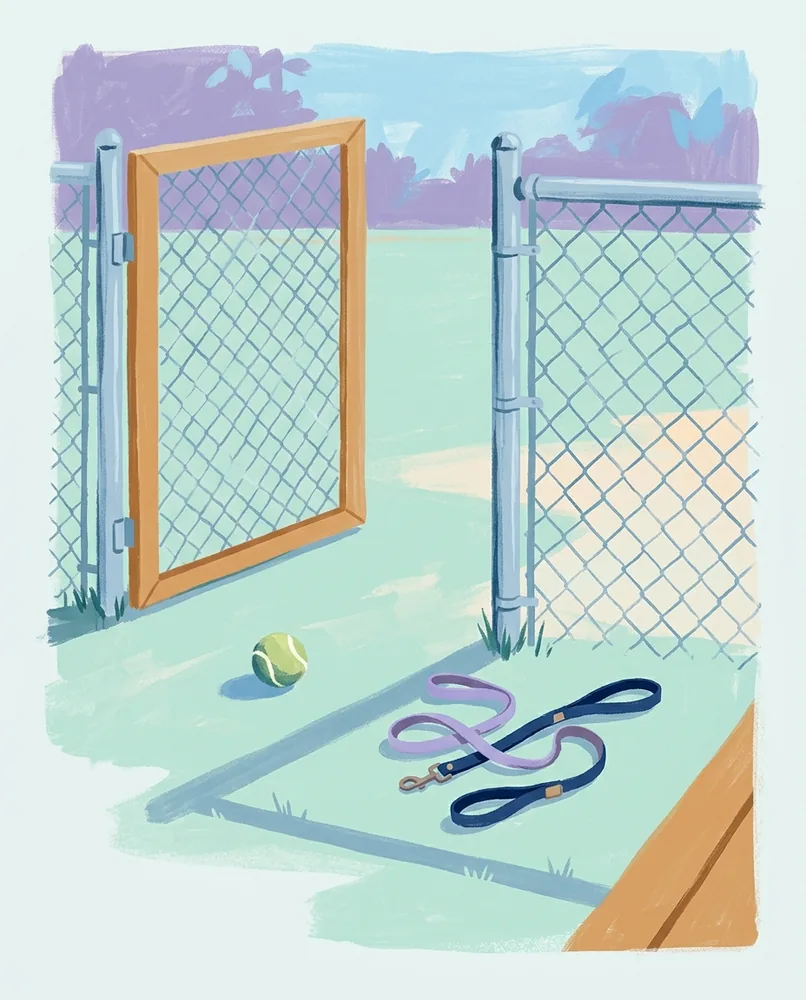
It’s week three of a project with no clear end date. The work is not especially difficult, but every day brings the same spreadsheets, the same quiet room, and the same narrow set of choices. Nothing is opening up. Nobody is there to exchange ideas with. For an ENFP, that kind of week can be more draining than a busy one full of conversation, movement, and worthwhile problems to solve. The important distinction is not simply busy versus restful. It is whether their effort feels connected to people, purpose, possibility, or genuine recovery.
What drains them
1/4Read
When contact feels too thin

Too little close contact can cost them more than they expect. A week of working alone, a move to a place where they do not know anyone, or several evenings with no real exchange may leave them flat even when they are accomplishing things.
They are often restored by interaction that feels alive: a candid conversation, collaborative problem-solving, humor, or the feeling that another person can see what they are trying to make happen. Mere company is not always enough. Being surrounded by people while staying on the surface can be lonely in its own way.
When sameness loses meaning
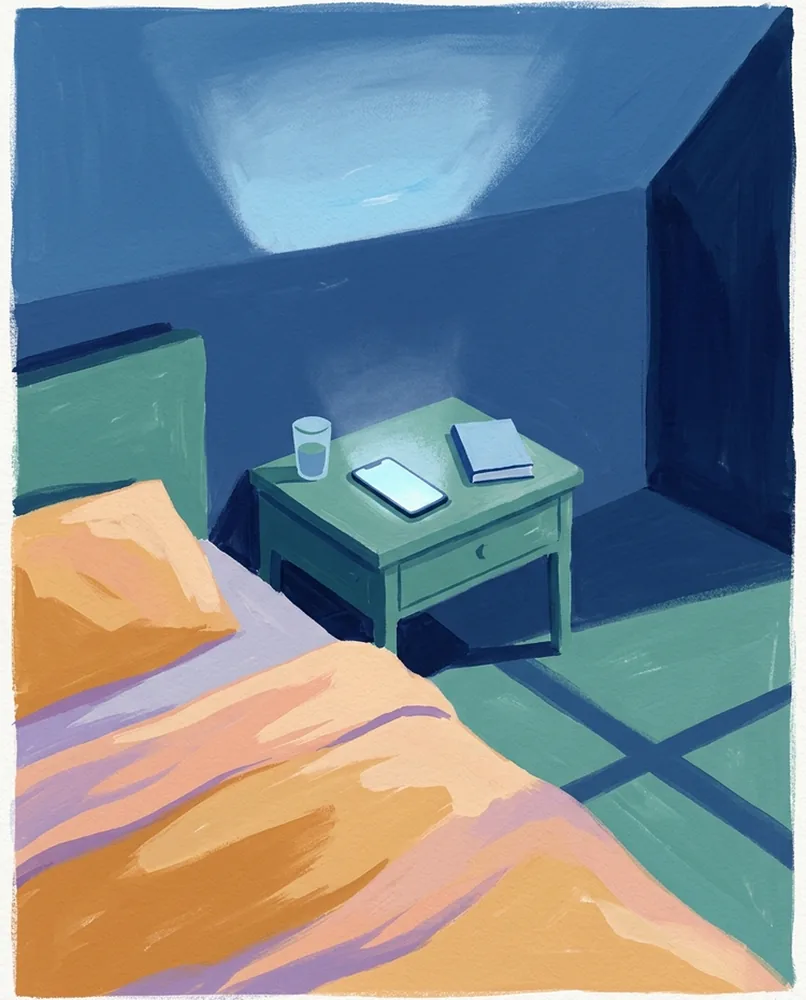
Sameness can have a similar effect. Repeating the same route, meal, conversation, and task may feel less like stability and more like their attention slowly losing oxygen. They tend to notice possibilities quickly, so a routine that helps someone else feel settled may make them restless and mentally elsewhere.
The cost of this appetite for novelty is that necessary repetition can start to look meaningless simply because it is familiar. Sometimes the task is not empty; their connection to its purpose has gone quiet.
When structure feels like a cage
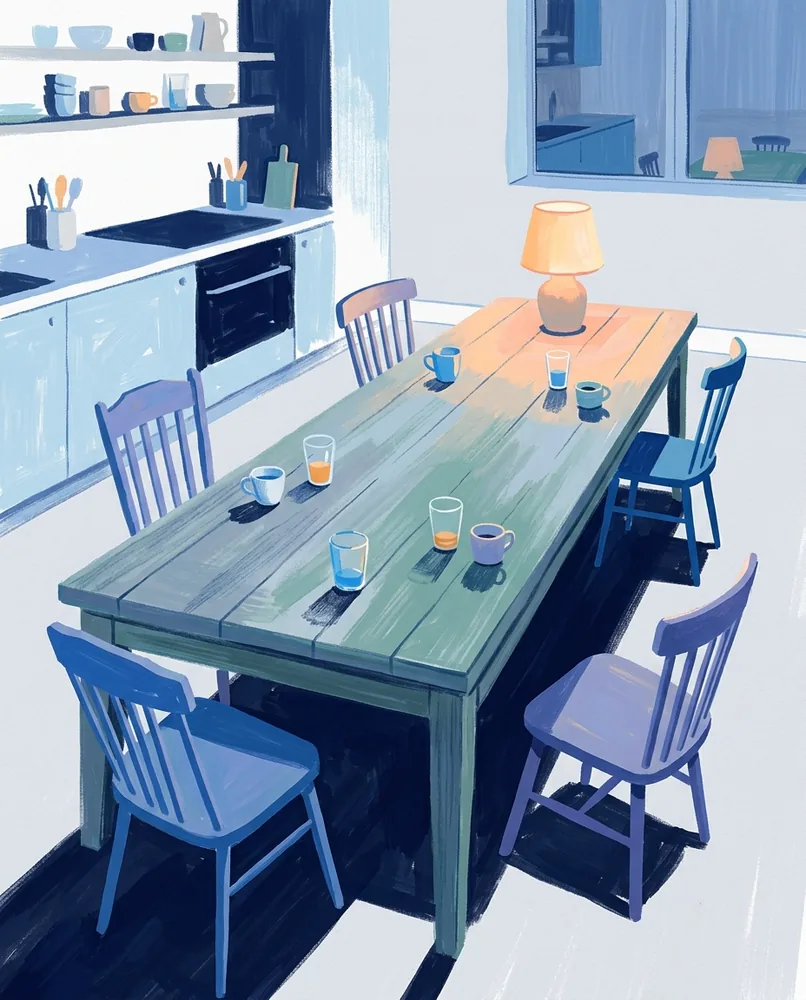
Tight control can drain them even when the schedule is not objectively demanding. A day divided into fifteen-minute blocks, a process that permits only one correct sequence, or a decision made before they have had time to explore alternatives can feel like wearing someone else’s shoes from morning to night.
Flexibility gives them room to respond to what they discover. But when every structure feels like a cage, they may underestimate how much a few chosen routines could protect their attention and keep good intentions from becoming unfinished obligations.
When everyone else gets inside
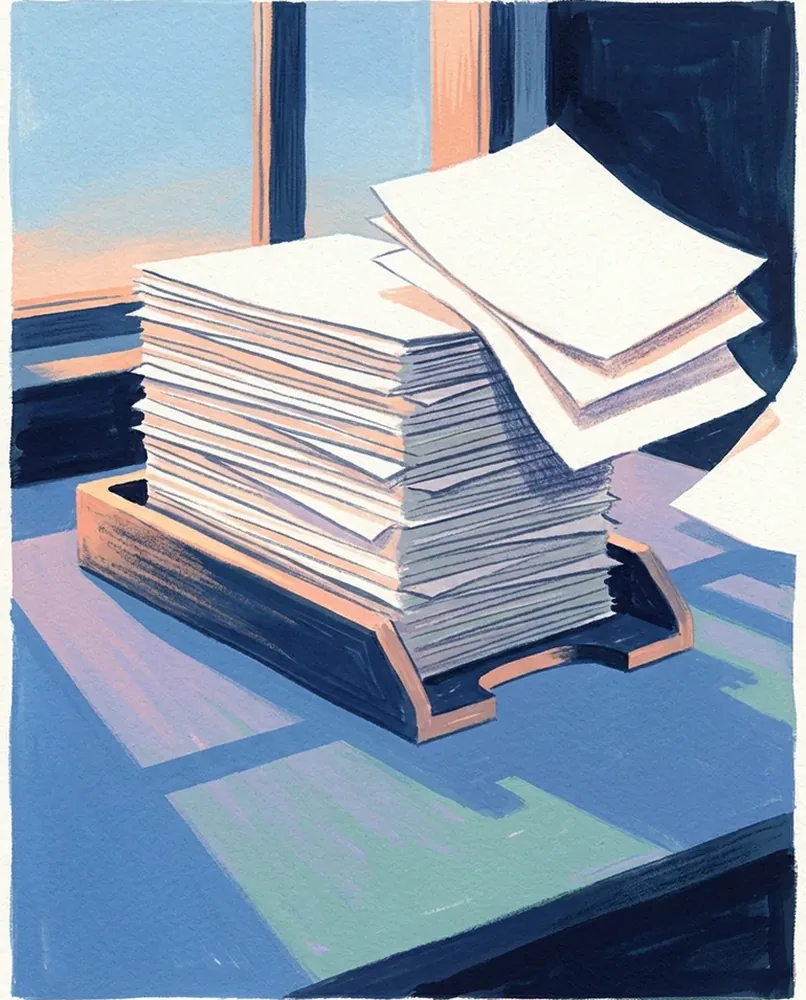
Other people’s troubles can also occupy more of their inner space than they realize. They may become the friend people call, the coworker who notices who is struggling, or the person who can imagine several sides of a conflict. That sensitivity can make them deeply supportive.
Its cost is porous boundaries: someone else’s disappointment begins to feel like their responsibility, and helping them can seem more urgent than noticing their own depletion. A week of carrying several people’s feelings may leave them unable to tell which demands actually belong to them.
Even what delights them has a cost. A day of brunch, a birthday gathering, and a late dinner may be the most vivid day of their month and still leave them exhausted by bedtime. Stimulation can lift their mood in the moment without restoring their reserves.
This is why an exciting calendar can conceal a slow buildup of fatigue. The question is not whether they enjoyed the day. It is whether they had any time afterward in which their body, attention, and choices could become their own again.
Part of the Personality Type reportThe rest of this chapter is in the Personality Type report
With The Optimist, repetition drains more than a full calendar when work offers no people, purpose, fresh possibility, or room to imagine.
The Personality Type report gives you the whole guide to your own type, read alongside your own results, so you can see how your patterns affect work, relationships, and daily decisions.
Free interpretation of your answers when you sign in The full report is $30.
