

“What if the couch cushions were a boat?” In an ENTP home, that question may lead to a bedsheet sail, a colander helmet, and a parent calling out a storm warning from the kitchen. The games, questions, and surprise outings are often the parts of parenting that feel most alive to them. The permission slips, packed lunches, and repeated bedtime steps are less naturally rewarding. Their gift is making a child’s world feel larger. The work is making it feel dependable too.
The home they build
1/4Read
A home full of possibility
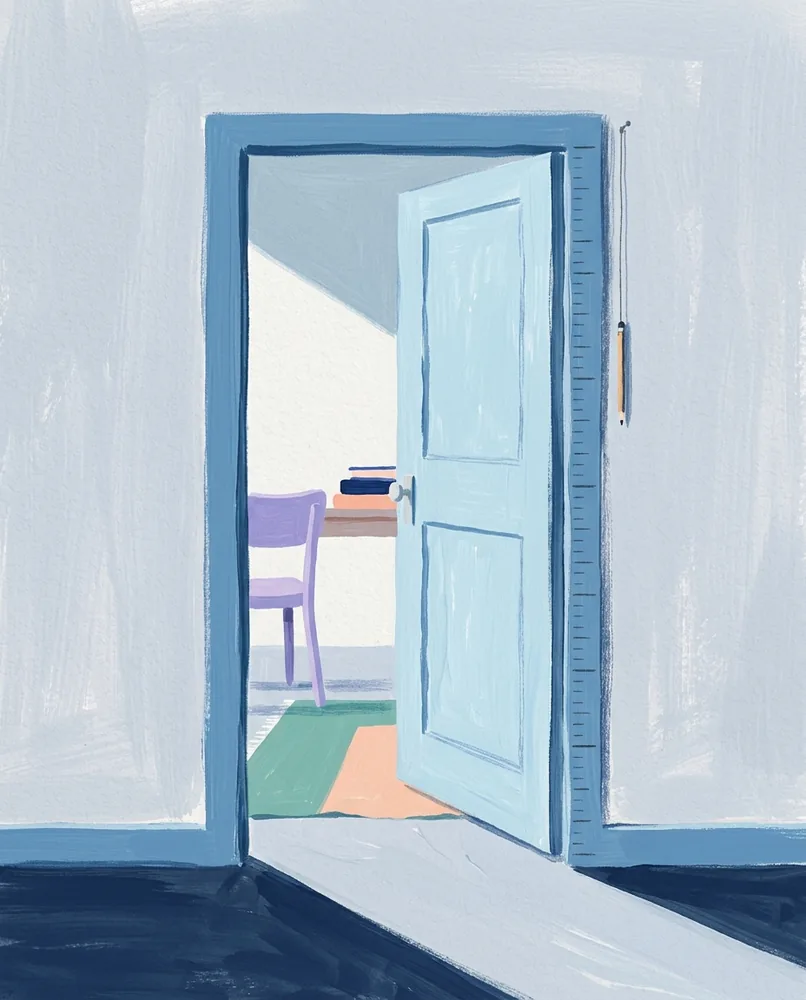
An ENTP’s home may have an open-door quality. Friends stop by, a neighbor’s child stays for dinner, and a rainy Sunday becomes a cardboard marble run stretching down the hallway. They bring humor, experimentation, and permission to question inherited rules. A child may learn from them that adults can be curious, that mistakes can become stories, and that an ordinary afternoon can turn into an investigation.
The cost of this energy is that home can become stimulating when a child needs recovery. What feels like welcome possibility to them may feel like noise, interruption, or one more demand to a more easily overwhelmed child.
Explaining the rules
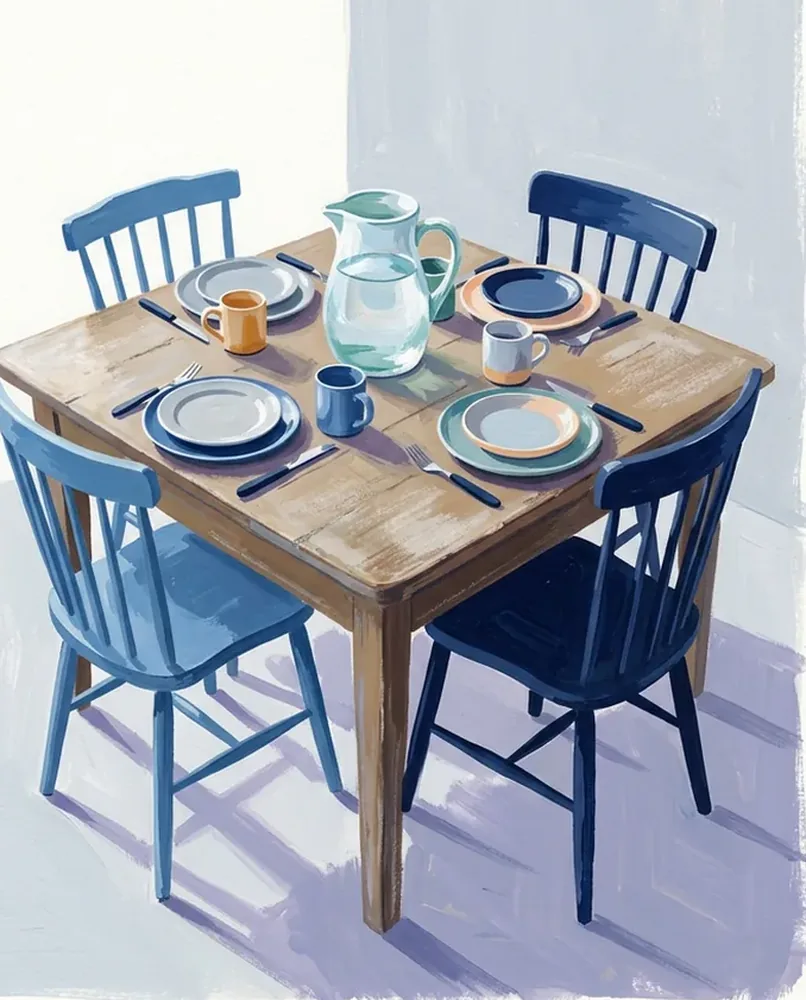
New things appear often: a board game nobody knows how to play yet, a recipe from a country your child just learned about, or a day trip to see the world’s largest something. They may be excellent at explaining why a rule exists rather than asking for obedience without understanding. That can help a child develop judgment instead of merely performing compliance.
But a convincing explanation is not always a reason to change the decision. Children need to discover that “That is an interesting argument” and “The answer is yes” are separate responses.
Making flexibility dependable
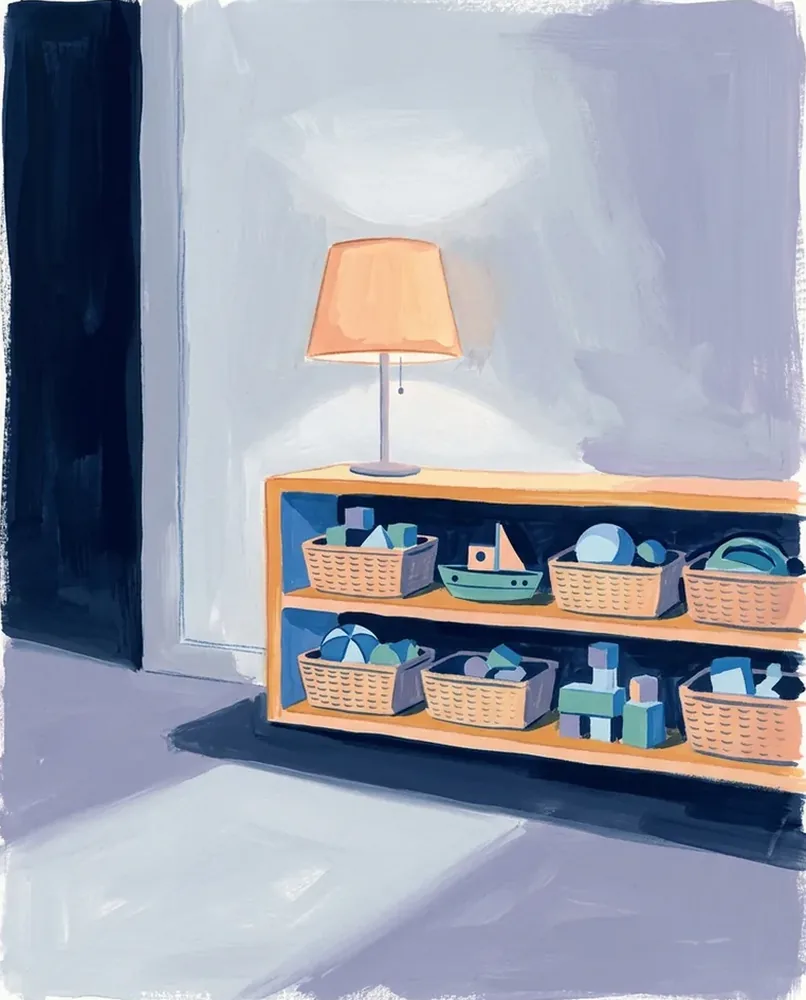
Flexibility is one of their strengths, but it can make consistency feel like an unnecessary restriction. Bedtime may move for a meteor shower, and a child with a creative case for staying up may receive a fair hearing. Meanwhile, library books, dentist appointments, clean clothes, and tomorrow’s permission slip can become invisible until they are urgent.
A whiteboard by the door, calendar reminders, or a co-parent who enjoys routines can protect the household from relying on their memory and goodwill. Structure does not have to replace spontaneity. It can be the quiet scaffolding that lets spontaneity stay fun instead of becoming someone else’s administrative burden.
Sharing the invisible work
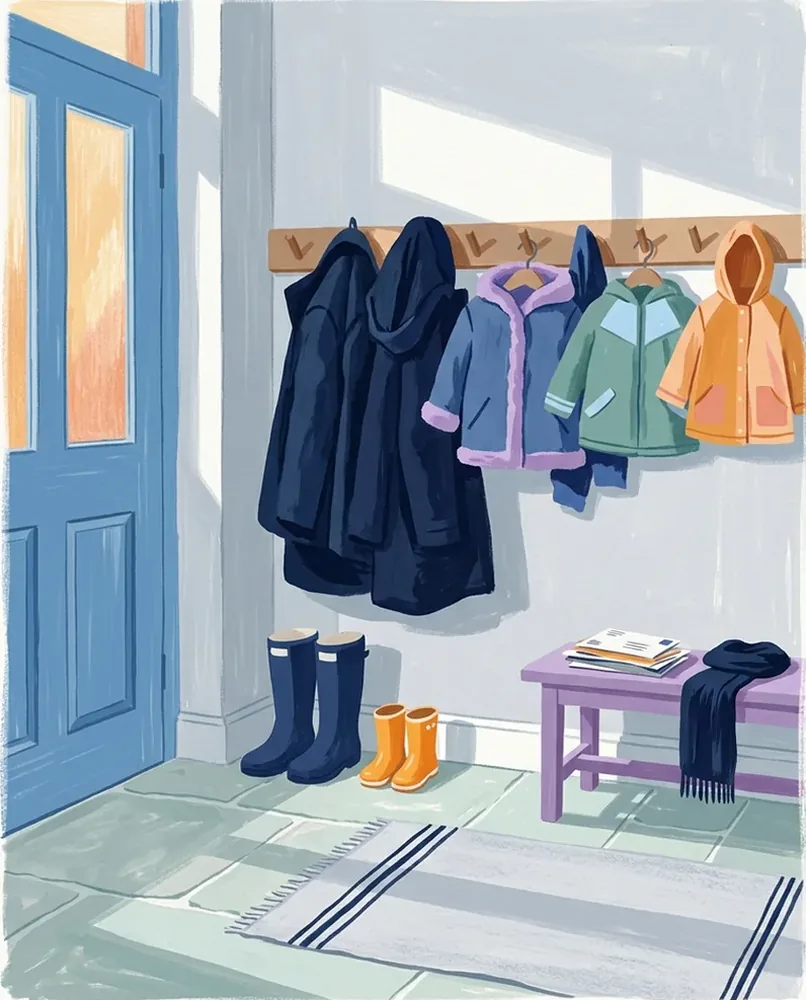
Notice the difference between being the family’s imaginative spark and being a fully shared participant in family life. It is easy to receive recognition for the elaborate project while someone else repeatedly handles the dishes, forms, appointments, or emotional follow-up. A child also notices who makes promises and who remembers them.
If they want to teach independence, they can make responsibility visible: assign tasks, write them down, finish the uninteresting parts, and let children see them keep commitments they did not feel like keeping. The lesson is not that life should be dull. It is that freedom works better when people can rely on one another.
Part of the Personality Type reportThe rest of this chapter is in the Personality Type report
The Innovator makes family life inventive and expansive, then meets the harder task of making daily care dependable when novelty fades.
The Personality Type report gives you the whole guide to your own type, read alongside your own results, so you can see how your patterns affect work, relationships, and daily decisions.
Free interpretation of your answers when you sign in The full report is $30.
