

Stress for The Innovator can look surprisingly energetic. When life becomes narrow, repetitive, or stuck, they may respond by creating motion: starting a conversation, proposing a new plan, researching an escape route, or turning a problem into a challenge. From the outside, this can look like confidence or even fun. Inside, it may be an attempt to recover room to think. Their natural curiosity is a source of energy, but under pressure it can also keep them moving long after they need rest. The useful question is not simply whether they are busy. It is whether their activity is restoring their sense of possibility or helping them avoid the one necessary thing that feels limiting.
What drains them
1/4Read
When exchange disappears
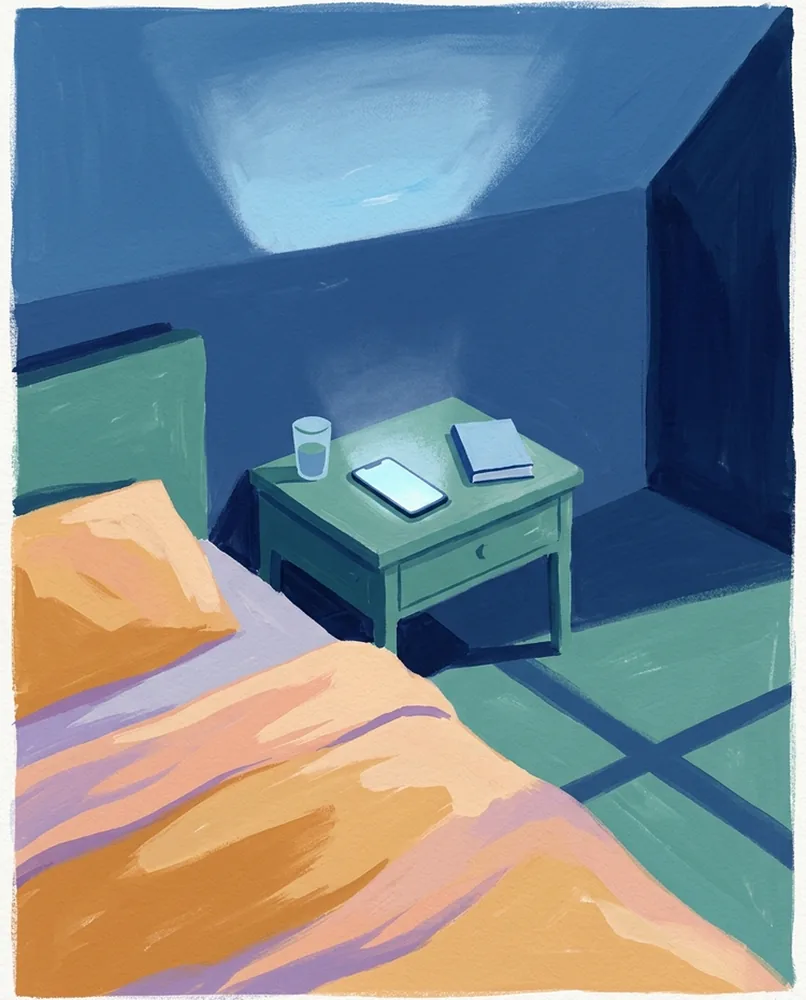
A week with nobody to bounce ideas off can leave them flat, even when the work itself is going fine. An empty house, a solo project, or several evenings where the television does all the talking may deprive them of the friction that helps their mind come alive.
They may not need constant attention, but they often benefit from exchange: someone who asks a sharp question, challenges an assumption, or gives an idea somewhere to go. The cost is that quiet can start to feel like stagnation, even when quiet is exactly what their tired mind needs.
Why sameness gets heavy

Sameness drains them in its own way. The same task in the same order, a project deep in its sixth month of identical spreadsheets, or a weekend that looks exactly like the last one can make effort feel heavier than it objectively is.
They are often energized by discovering what could be different, so a job that asks them only to preserve the existing process may feel like a refusal of their best contribution. The other side is easy to miss: not every familiar task is a dead end. Some repetition is the quiet cost of turning a promising idea into something dependable.
When flexibility feels blocked

Rules that cannot bend can wear them down too. A sign-off for every small decision, a plan that must stay fixed after new information arrives, or a culture where questioning the process is treated as disloyalty can make them feel trapped inside someone else’s assumptions.
They may experience flexibility as intelligence: the willingness to update when reality changes. Others may experience their revisions as unreliability if they were counting on the original agreement. Under stress, the conflict is not only between freedom and control. It is between their need to keep thinking and other people’s need to know what will remain settled.
The cost of too much motion

Stalled things can exhaust them as much as difficult things. A decision stuck in approvals for weeks, a trip that is still months away, or a project paused until next quarter leaves their mental energy with nowhere to go. They may keep reopening the question, generating alternatives and imagining ways to force movement.
That can preserve hope, but it can also turn waiting into a full-time occupation. Sometimes the most restorative move is to name what cannot move yet, choose one useful action that can, and stop treating uncertainty as a problem they must solve tonight.
Company has a cost of its own, even when people usually recharge them. They may have a wonderful dinner, work the room at a wedding, or say yes to one more spontaneous drink and feel more alive in the moment. Then the conversations continue in their head, their attention stays outward, and the next day arrives before they have recovered.
Stimulation and restoration are not the same thing. A crowded week of fascinating people can still require a quiet interval afterward. If they keep mistaking enjoyment for recovery, they may call themselves restless when they are actually depleted.
Part of the Personality Type reportThe rest of this chapter is in the Personality Type report
Under pressure, The Innovator may create motion to regain possibility, yet that same inventiveness can postpone the one necessary pause.
The Personality Type report gives you the whole guide to your own type, read alongside your own results, so you can see how your patterns affect work, relationships, and daily decisions.
Free interpretation of your answers when you sign in The full report is $30.
