
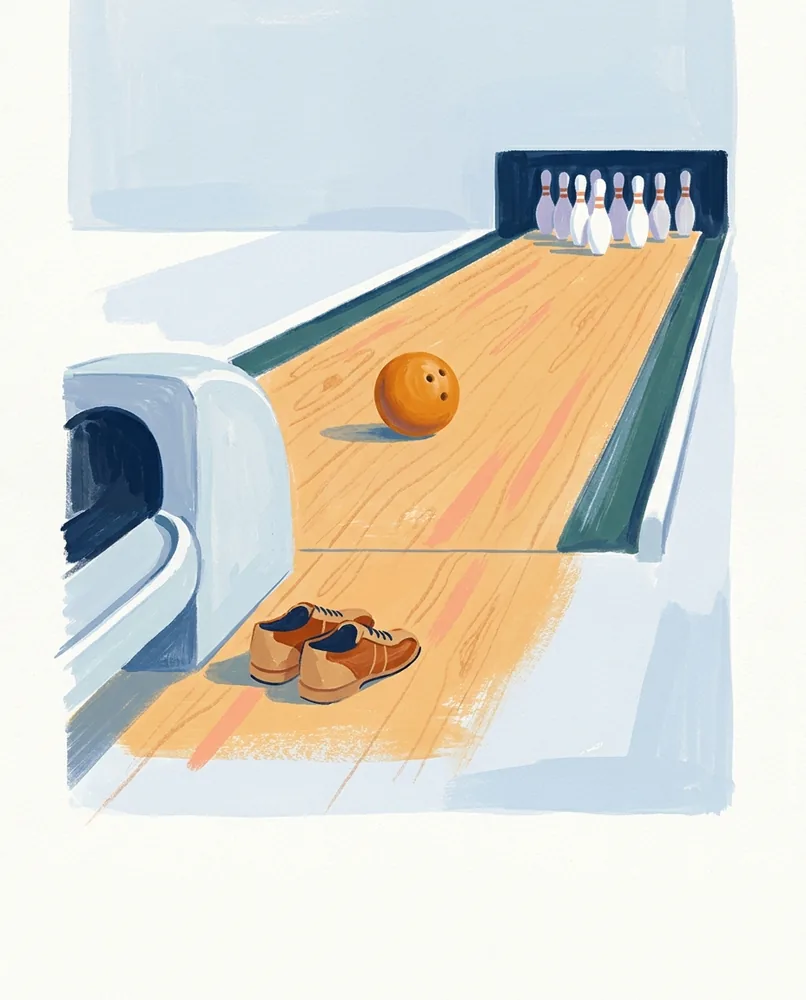
Their best qualities and their trickiest ones often come from the same short list of habits. They notice people, respond to what is happening now, trust what they can see and experience, and prefer keeping their options open. These tendencies can make them warm, lively, adaptable, and unusually good at turning a flat moment into a memorable one. They can also make the future’s quiet demands easier to postpone.
The central tension is not between caring and not caring. They often care through action: inviting someone in, changing the mood, making the plan happen, or showing up when help is needed. But what feels like generous responsiveness to them may feel like distraction, pressure, or inconsistency to someone who needs more predictability or more one-on-one attention.
None of this makes The Charmer a box. Their letters describe tendencies, not a complete person. The useful question is not whether every pattern fits, but where a strength helps—and where it starts asking other people or their future self to absorb its costs.
Strengths
1/6Read
Room for one more

When someone is hovering at the edge of a group, they often notice before anyone else does. They may hand the new neighbor a plate, introduce them to the person with the best stories, or make space beside them without turning the gesture into a ceremony. Their social energy is not only about being seen; it can be a practical way of making other people feel less exposed.
The cost of the same strength is that inclusion can become their reflex even when someone is asking for intimacy, quiet, or undivided attention. A partner who wanted dinner for two may experience the added guests not as generosity, but as evidence that private connection keeps losing to the larger room.
Fun that actually happens
Many people enjoy imagining a good time. They are often willing to make one concrete: send the text, gather the people, choose the place, and get everyone out the door. They do not need perfect conditions before beginning. That makes them valuable when a group is stuck in discussion and needs someone to turn possibility into experience.
The cost of the same strength is that immediate enjoyment can outvote important work that has no applause attached to it. A friend’s show, a cookout, or a last-minute outing can feel like a real choice while a résumé, budget, repair, or application feels abstract. Over time, “not now” can become a decision their future self has to make under pressure.
Rolling with the change
When the weather changes, a reservation falls through, or the original plan stops making sense, they can often move before disappointment takes over the room. They improvise with the materials available and keep people from treating a setback as the end of the day. Their flexibility is especially useful when others are too attached to the first version of the plan to see the next one.
The cost of the same strength is that they may underestimate the security other people get from preparation. “We’ll figure it out” can sound reassuring to them and careless to someone who needs to know whether there is a reservation, a backup, or enough time. Adaptability works best when it leaves a few important facts settled in advance.
Reading the room

They tend to notice the edge in a friend’s voice, the coworker who laughed a beat too late, or the relative who has gone quiet. Because they pay attention to what is happening in front of them and care about its human meaning, they may offer a seat, change the subject, bring someone into the conversation, or ask what is wrong before they have to announce it. This is a form of social intelligence grounded in observation rather than theory.
The cost of the same strength is that they may react to discomfort before understanding what it is asking for. A joke can lower the temperature, but it can also interrupt a necessary conversation. Some people want comfort; others want to be heard without having the mood repaired. Checking which one they need can make their instinctive care easier to receive.
Knowing the good spots
They often build a living map of what works: the reliable booth, the food truck worth the line, the park that suits children, the place where a visiting friend will feel welcome. Their knowledge is practical and tested. They remember not only the location, but the atmosphere, the timing, and which people will enjoy it. That lets them create good experiences without turning every outing into a research project.
The cost of the same strength is that a proven favorite can become a gate around novelty. When someone suggests a new restaurant, class, or route, they may steer everyone back toward the sure thing. They mean to protect the group from a disappointing night; others may hear that their curiosity does not get a vote.
Letting it go
They may recover quickly from a slight, an awkward exchange, or a disappointing day. Higher Agreeableness—the trait behind their F—can make forgiveness and goodwill more natural, while their flexible style may keep them from maintaining a detailed ledger of who owes what. This can give relationships room to breathe. Not every imperfect moment has to become a permanent verdict.
The cost of the same strength is that release can happen before repair. If a roommate pays late every month, a coworker repeatedly takes their effort for granted, or a friend keeps canceling, their willingness to move on may protect the relationship from one uncomfortable conversation while leaving the pattern untouched. Forgiveness is not the same as pretending the arrangement works.
Part of the Personality Type reportThe rest of this chapter is in the Personality Type report
Connection is The Charmer’s gift, bringing energy and ease to the moment while activity can eclipse preparation, privacy, or difficult conversations.
The Personality Type report gives you the whole guide to your own type, read alongside your own results, so you can see how your patterns affect work, relationships, and daily decisions.
Free interpretation of your answers when you sign in The full report is $30.
