The Charmer at a glance
Nothing ever becomes real till it is experienced…
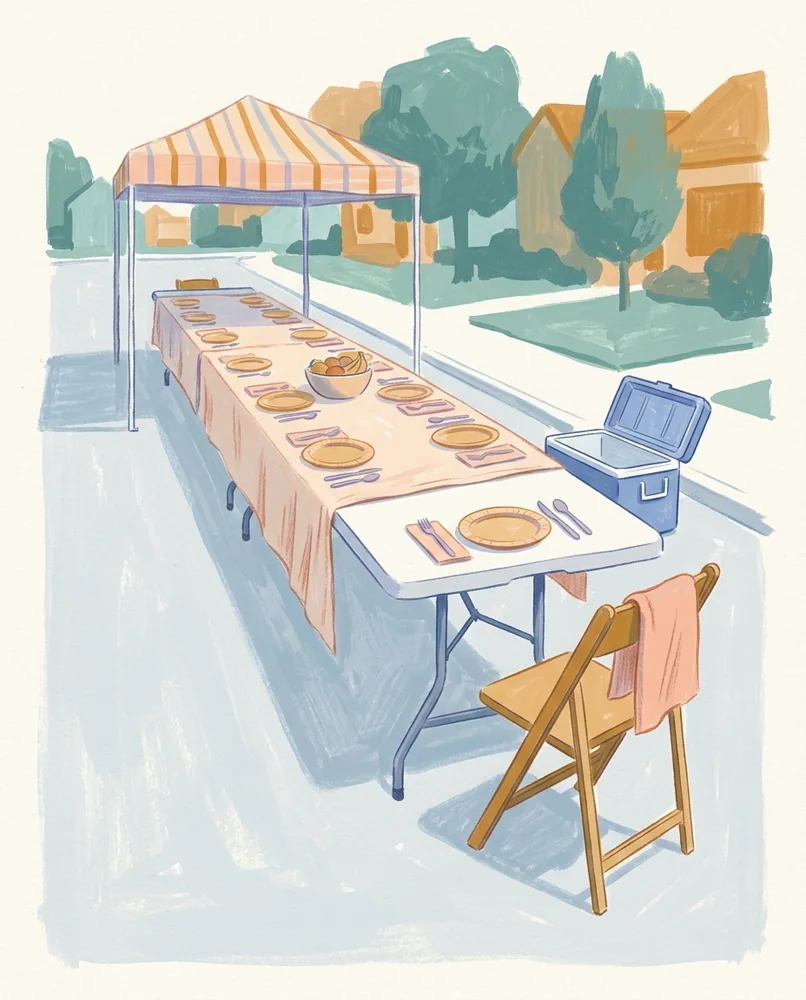
A summer thunderstorm knocks out the power on the whole street right at dinnertime. One neighbor brings a cooler of ice cream sandwiches to the curb before they melt, finds the older man next door a comfortable chair, and turns a problem into an evening people will remember. That is the spirit of The Charmer. They tend to find energy in people, trust what they can experience for themselves, and notice the opening inside an unexpected moment. If the plan falls apart, they may not see a ruined evening. They may see the part that can still become fun.
What gets them going
1/4Read
People bring energy

People often come first. A quiet night can be restorative, but after a while they may want to text someone, hear a voice, or find out what is happening nearby. They think with other people as much as they think about them. Conversation gives their attention somewhere to move, and laughter, movement, music, food, and shared reactions can make an experience feel more real.
Knowledge with texture

They are also drawn to a life they can touch. An actual band may interest them more than a history of music; a meal shared at a crowded table may teach them more than a dozen reviews.
This is not a lack of curiosity. It is a preference for knowledge that has entered the world and acquired texture. They often trust what they have witnessed, tried, repaired, tasted, or felt in the company of other people.
Room for plans to shift

They may prefer plans that leave room for the evening to answer back. A schedule can be useful when it protects something important, but a tightly managed sequence of times and obligations can make an experience feel overdetermined before it begins. Their flexibility lets them notice opportunities other people miss.
The cost is that a future commitment can feel less vivid than the interesting possibility in front of them, even when someone else is already relying on their promise.
Making room for people
Underneath the spontaneity is often a strong instinct for inclusion. They notice who is standing at the edge of the group, whose energy has changed, who needs an introduction, or which small adjustment would make a gathering easier. They may express care by creating a good moment rather than by explaining their feelings. People can feel welcomed around them before they understand exactly how they did it.
How their letters work together
1/4Read
ESFP on four scales
ESFP sits on the Extraversion, Sensing, Feeling, and Perceiving side of its four scales.
What each letter points to

Start with the pieces. E means they scored higher on Extraversion, the scale connected with social energy and enjoyment of company. S means lower Openness, which is about interest in unfamiliar ideas, possibilities, and experiences. F means higher Agreeableness, connected with warmth, cooperation, and attention to other people. P means lower Conscientiousness, connected with advance planning, structure, and follow-through.
These are continuous scores, not fixed boxes: a result within five percentile points of the middle is nearly a tie, while a result 25 points or more from the middle is strong. The combination is an interpretation of how the tendencies may reinforce one another, not a separate measurement.
When yes comes quickly
E and P together can make them the person who says yes while everyone else is still checking the details. An invitation has emotional weight because it is not only an event; it is a chance to be part of something unfolding.
They may change plans quickly when the new option feels more alive. That openness keeps their life responsive, but it can also make people wonder whether an agreement still matters once a more immediate possibility appears.
Turning company into action
E and S tend to aim their social energy toward shared activity. Some outgoing people come alive through extended debate or speculation. They may come alive when there is a game to play, a song to sing, a place to explore, or a problem that needs an immediate human response.
They help turn passive company into participation. The cost is that quiet, abstract, or delayed forms of progress may feel less rewarding even when they are building something important.
S and F can make their care practical and immediate. When someone receives bad news, they may not begin with an analysis of what it means.
They may bring food, make the call, walk beside them, or get them out of the room for a while. This kind of care respects the body and the moment. It can be deeply reassuring, although someone who wants help naming the larger pattern may eventually need more reflection than their first response naturally provides.
Warmth and promises

F and P can make them generous with second chances and casual with their own promises. They may forgive a late friend quickly because preserving the connection matters more than proving a point. They may also offer help sincerely in March and fail to picture the inconvenience when the commitment arrives in June.
Their intention was real; the other person still has to organize around what they said. Warmth becomes more trustworthy when it is paired with a realistic promise and a reminder system.
How other people see them
1/4Read
The energy people notice

Their E may be the first thing people notice. They often make contact easily, respond visibly, and give a conversation momentum. A new neighbor, a cashier, and an old friend may all recognize their social energy, even though each knows a different version of them. Being approachable can open doors quickly. It can also expose them to more people than they have the time or desire to know deeply.
When lightness looks careless

Their lightness may be mistaken for a lack of seriousness. They may joke in a tense room, bring ordinary comforts into a painful situation, or keep looking for the human moment inside a difficult day. From the outside, that can look like avoidance.
From the inside, humor and presence may be how they stay close to what is happening without letting it swallow everyone. People who know them well may understand that the person making others laugh can also be the one who stays until the end.
When friendliness is misread
Their friendliness can be misread as a special invitation. They may give a cashier, a coworker, or a stranger in line the same lively attention they give a friend because they enjoy making contact with people.
Someone else may experience that warmth as romantic interest, a promise of friendship, or a level of availability they did not mean to offer. Clearer signals are not a betrayal of their natural openness; they help other people place the moment accurately.
The intention-impact gap

P can create the largest gap between intention and impact. When they forget to reply, leave a plan undated, or shift toward whatever is happening tonight, someone may conclude that they lost interest. Often they are responding to the present rather than making a deliberate judgment about them.
But impact still accumulates. The friend they drove to an emergency appointment at midnight may know how dependable they can be, while the friend waiting three weeks for an answer experiences only the silence.
What sets them apart from neighboring types
1/4Read
One letter from ESFP
Why neighboring types help
Change any one of their four letters and the emphasis shifts. The closest comparisons are useful because they show what their pattern is doing, not because they define a boundary around them. Their actual scores may fall near a midpoint, and their work, culture, age, or circumstances may draw out a neighboring style in certain settings.
The Host plans the care

The Host (ESFJ) shares their warmth, social energy, and instinct to make people feel included. The difference is J: higher Conscientiousness tends to make the Host more comfortable turning care into a coordinated plan. Before a surprise party, they may build the guest list, assign tasks, and schedule the reveal.
They may arrive with ice, notice that the guest of honor is early, and keep them happily occupied on the porch. The Host’s preparation and their responsiveness can solve different parts of the same problem.
The Optimist follows potential

The Optimist (ENFP) shares their energy, warmth, and openness to an unplanned direction. The difference is N: higher Openness often pulls the Optimist toward possibilities, meanings, and what a situation might become. On a road trip, they may want to take an unfamiliar exit and imagine what life in the town could be like.
They may remember the barbecue place that made last summer memorable and want to give everyone a chance to enjoy it again. The Optimist is often excited by potential; they are often skilled at making the present experience worthwhile.
The Poet keeps it close

The Poet (ISFP) shares their warmth, sensory awareness, and preference for responding to life as it arrives, but brings more inward energy. They may express care through a quiet shared activity or close attention to a few people, while the ESFP is more likely to widen the circle and animate the room.
The Daredevil (ESTP) shares their social energy, practical focus, and taste for action, but tends to bring lower Agreeableness: more distance from other people’s feelings can make their response sharper, more competitive, or less concerned with preserving harmony. In each comparison, the shared letters matter as much as the difference.