
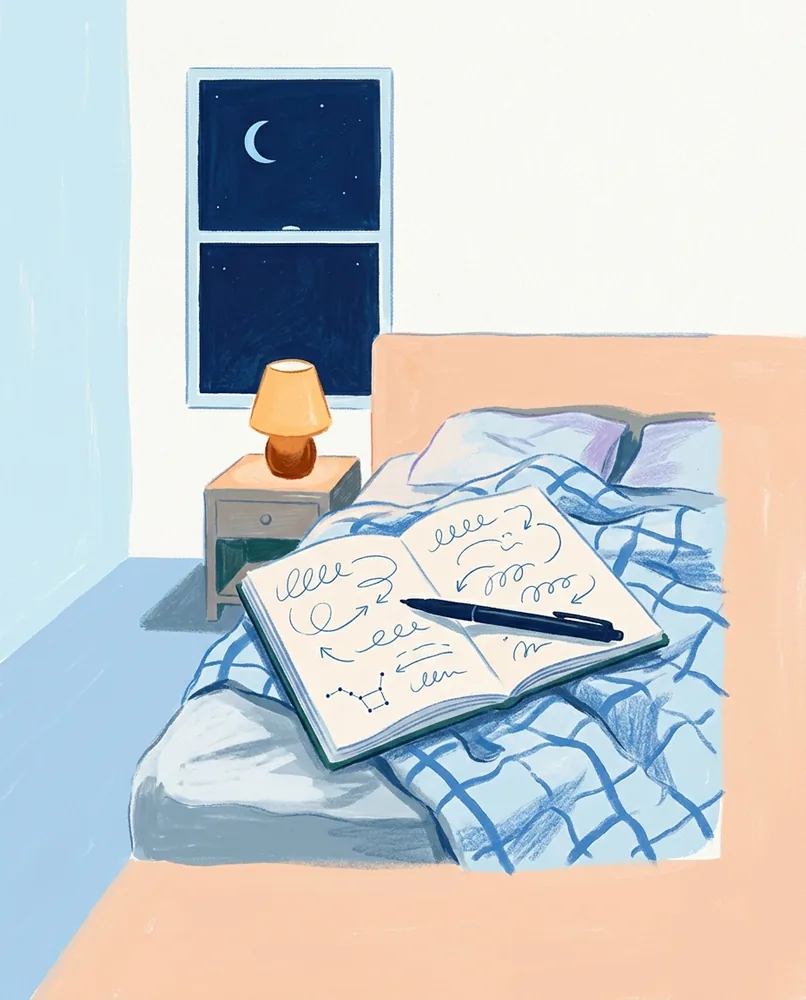
It’s 7:40 on a school night, and their child has announced that the spider in the bathtub can’t go down the drain because it probably has a family. They may reach for a cup and a postcard instead, carry the spider to the porch, and help choose its name. Bedtime was 7:30. But something alive and vulnerable needed a little room, and making room can feel more important than obeying the clock. As a parent with The Dreamer tendencies, they may bring that instinct into family life: protect the inner world, look for the meaning beneath the behavior, and help each person become more fully themselves. The gift is a home where children feel known rather than managed. The challenge is that love still has to arrive as routines, limits, and follow-through—not only as understanding.
The home they build
1/3Read
Making room for imagination
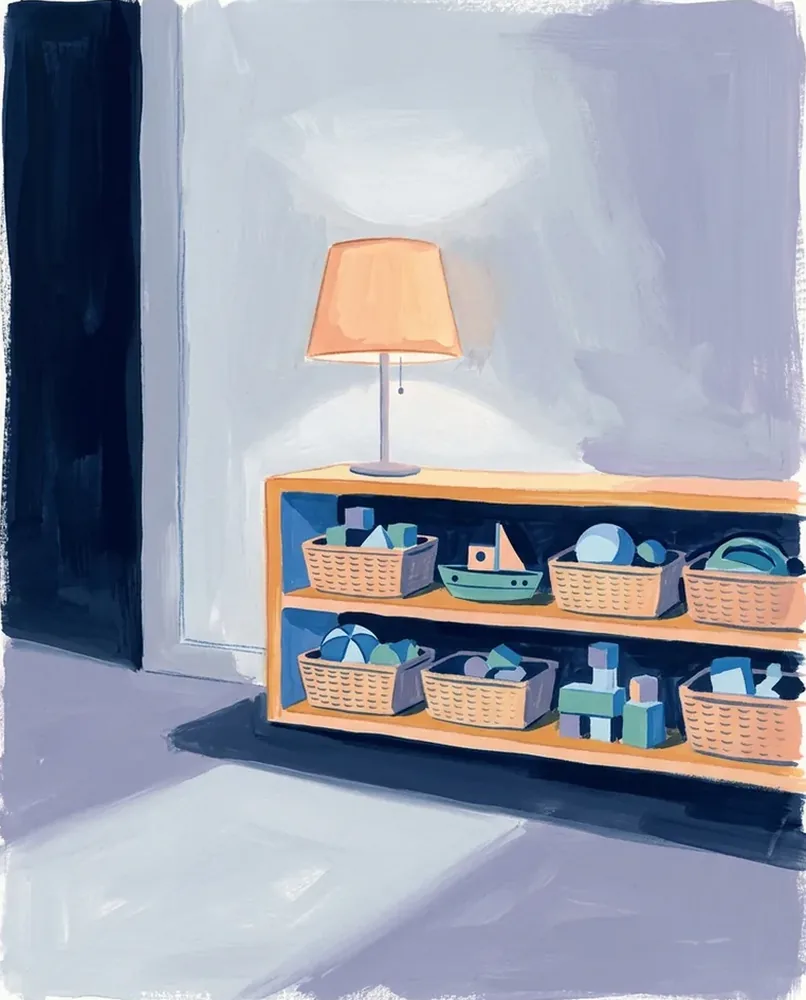
They may create a home where crayons outnumber rules and curiosity is not treated as a nuisance. A blanket fort can stay up for a week. A made-up language can become part of dinner. A child can ask why the moon follows the car without being hurried toward a simpler question.
Their attention often goes to the person behind the behavior: the child who is being left out, the sibling who is acting difficult because something feels unfair, or the quiet one whose preferences keep disappearing in the group. This can give children permission to develop a conscience and imagination of their own.
Where openness needs walls
The cost is that an open door can become a house without enough walls. Children also need to know when play ends, what happens next, and which expectations remain steady even when the story is compelling.
Rules may feel most legitimate to an INFP when they have a human reason behind them. Instead of stopping at “because I said so,” they may explain that hitting frightens people, that returning something matters because it belongs to someone else, or that thanking the bus driver recognizes another person’s effort. They may make room for difficult feelings rather than demanding that a child become cheerful before being welcome.
Making limits dependable
That kind of explanation teaches more than obedience; it helps a child connect choices with values. But explaining a limit is not the same as negotiating it. If every tear reopens the discussion, a child may learn that distress changes the rule rather than teaches them how to live with disappointment. Warmth becomes more dependable when they acknowledge the child’s upset while keeping the answer no.
The less poetic parts of family life may ask more of them. Permission slips surface the morning they are due. A form stays on the fridge until the event has passed. Laundry, meals, medication schedules, school calendars, and transportation do not become less real because they are less significant.
They may be excellent at responding to what feels urgent or alive while underestimating the quiet burden of preventing small problems. A practical system can protect, rather than suppress, their values: one visible place for forms, a weekly ten-minute planning ritual, automatic reminders, and a clear division of household work. If they need help, they can name it plainly. Family members may mistake their patience for agreement and their silence for capacity. Kindness is strongest when it is chosen, not extracted through guilt—and when the people they love do not have to guess what they need.
Part of the Personality Type reportThe rest of this chapter is in the Personality Type report
The Dreamer may protect a child’s inner world with tenderness, then face the practical work of turning understanding into consistent limits.
The Personality Type report gives you the whole guide to your own type, read alongside your own results, so you can see how your patterns affect work, relationships, and daily decisions.
Free interpretation of your answers when you sign in The full report is $30.
