

Stress for The Dreamer is often less about the number of people around them than about how much of themselves they must keep available to them. They may listen closely, notice what is left unsaid, imagine what someone else is going through, and quietly postpone their own needs. After enough of that, even a peaceful drive home can feel like recovery. At the same time, solitude is not automatically restoration. Their inner world can comfort them, but it can also become a place to delay a difficult reply, a practical decision, or an imperfect beginning. The useful question is not whether they should withdraw or push through. It is whether their retreat is helping them return to their life with more choice.
What drains them
1/4Read
When empathy follows them home
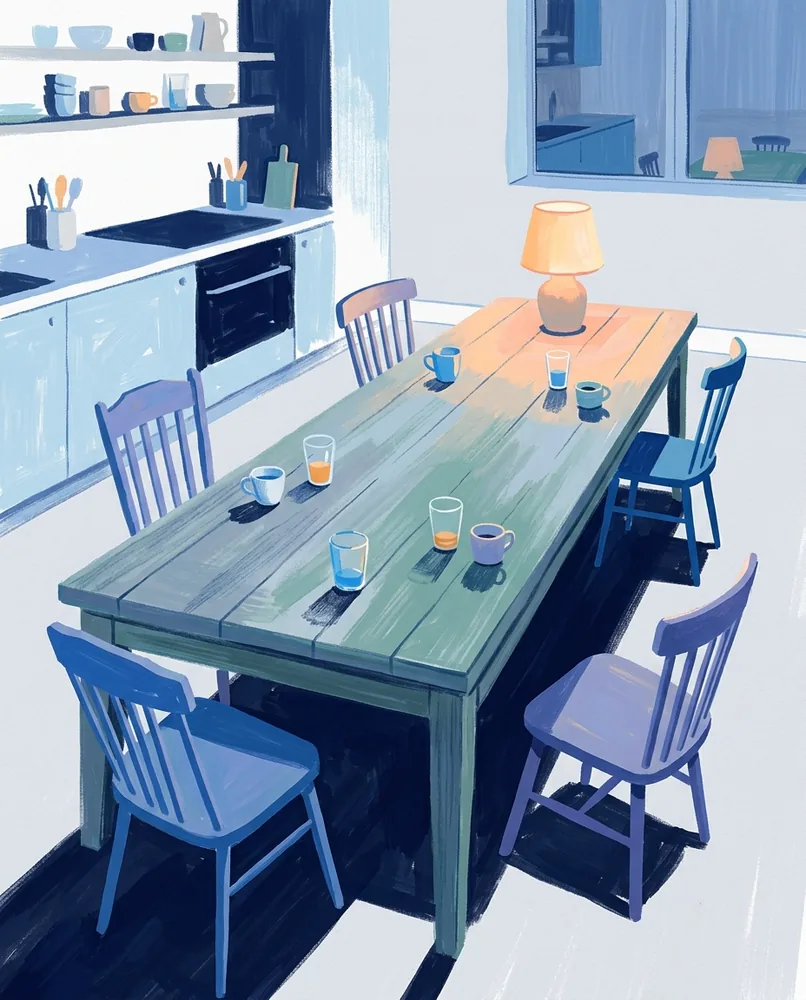
Other people’s troubles can take a great deal out of them because they do not simply hear them; they enter the emotional world around them. A friend’s breakup may arrive with the quiet apartment, the shared lease, the text they are afraid to send, and the future they thought they were building.
Their imagination gives the story depth, while their concern gives it weight. That can make them an unusually understanding person to confide in. It can also leave their own evening crowded with a problem that belongs, at least in part, to someone else. Caring does not require carrying every possible outcome.
The work of being receptive
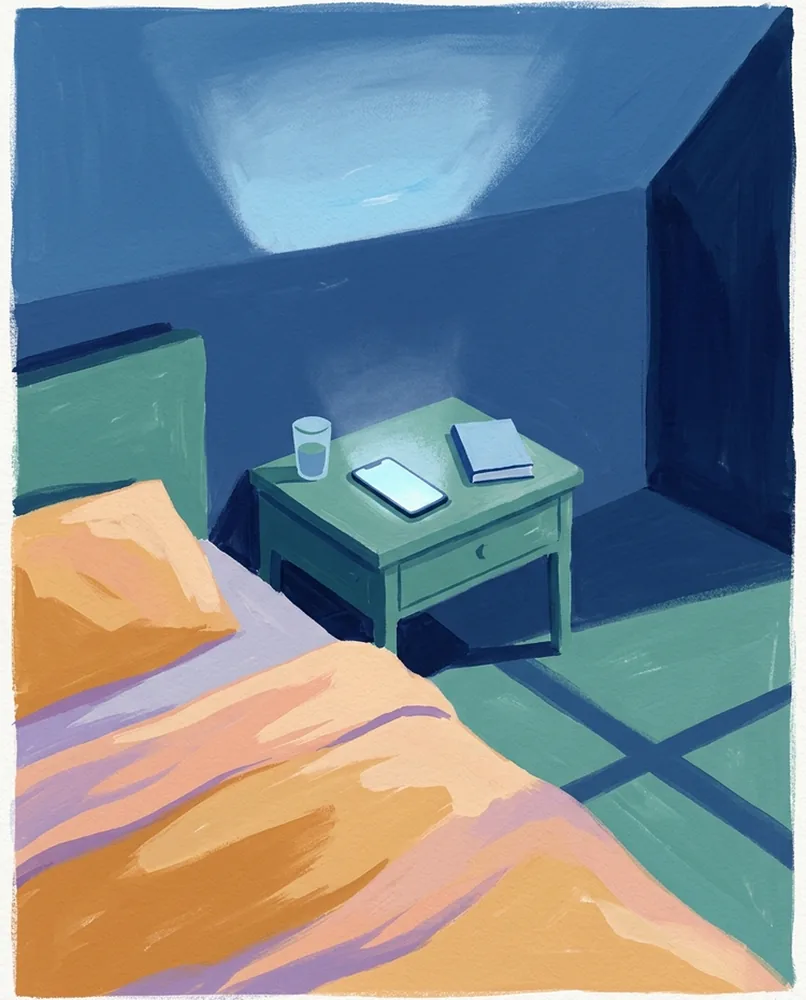
Company can drain them even when they really enjoy the people there. At a family gathering, they may be tracking who feels excluded, what a relative meant by a comment, and whether someone needs rescuing from an awkward conversation. Their attention is outward, but their inner life never gets a turn.
This is the cost of being receptive: others may experience them as present and easy to talk to, while they experience the same interaction as a long period of quiet emotional work. They can like everyone in the room and still need a door to close.
The cost of prolonged performance

A brief social stretch may be manageable, especially when the setting feels sincere and they can participate in their own way. Sustained performance is different. Acting more outgoing, agreeable, or available than they really feel can gradually create a split between the self they are presenting and the self that needs attention.
The cost may not appear until later, when they are unusually tired, irritable, or unable to decide what they want. This does not mean every invitation is a threat or that they must protect themselves from ordinary effort. It means recovery is part of the price of prolonged performance, not proof that they failed at it.
When freedom has no shape

Sameness and tight scheduling can wear on them in a different way. Repeating the same kind of task for hours can make their attention search for a larger meaning or a more interesting possibility. A day divided into fifteen-minute slots may feel less like support than like a series of small claims on their freedom.
Flexibility helps them follow curiosity, respond to what matters, and work in the order their mind finds natural. The cost is that too little structure can leave basic needs and obligations floating out of reach. A loose plan with a few firm anchors often works better than either total control or total openness.
Part of the Personality Type reportThe rest of this chapter is in the Personality Type report
The Dreamer may lose energy by staying emotionally available, then mistake retreat for recovery when it postpones choices that would reopen their life.
The Personality Type report gives you the whole guide to your own type, read alongside your own results, so you can see how your patterns affect work, relationships, and daily decisions.
Free interpretation of your answers when you sign in The full report is $30.
