
INTJs often approach love as something to understand, choose, and build—not as a performance to maintain. They are usually drawn to substance: intellectual honesty, self-direction, curiosity, and the ability to discuss difficult subjects without treating disagreement as rejection. Attraction may deepen through respect for how someone thinks, handles responsibility, and brings stated values into everyday life. The same seriousness can create a gap, though. An INTJ may feel devoted while a partner experiences distance, because private commitment does not always look like visible affection. Strong relationships grow when the INTJ translates what feels obvious internally into forms the other person can actually recognize.
Dating
1/4Read
Where they meet people
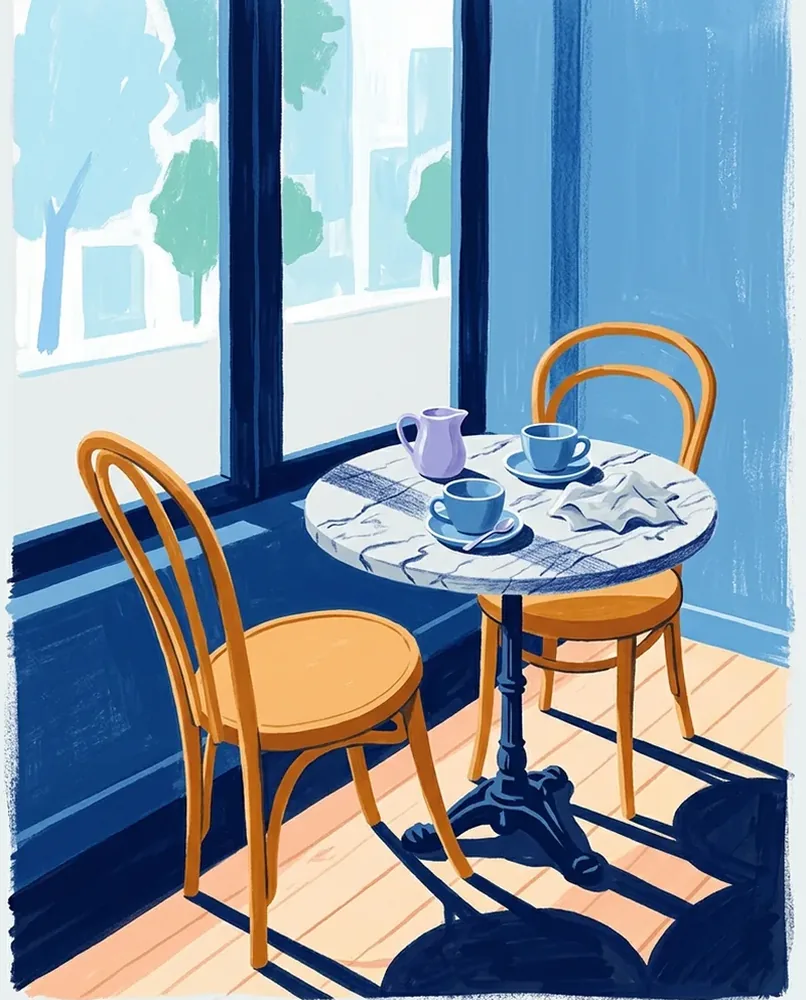
Dating can feel inefficient to INTJs when it relies on small talk, mixed signals, or carefully managed impressions. They often prefer meeting someone through a shared interest, a class, a project, or a mutual friend—somewhere they can observe how the person thinks and acts rather than guess from charm alone. This is not necessarily a dislike of romance. It is a preference for information that means something.
How they assess compatibility

They may evaluate compatibility earlier and more thoroughly than the other person realizes. Intelligence, honesty, curiosity, independence, and direction can matter more than conventional appeal.
An INTJ may pay attention to whether someone follows through, changes their mind when the evidence changes, and can tolerate being questioned without making the conversation personal. The strength is discernment; the cost is that a date can begin to feel like an assessment, leaving too little room for surprise, awkwardness, or a connection that develops slowly.
How they show interest

Early interest is often understated. An INTJ may remember the book someone mentioned, research a place they would enjoy, make a careful plan for the next meeting, or give undivided attention to a subject that matters to them. These actions can mean more to the INTJ than a polished declaration.
But a potential partner cannot always infer that meaning. They can make effort clearer by saying that they enjoy time together and want to see where the relationship goes.
When directness goes wrong

INTJs generally appreciate directness in return. They would often rather hear a direct no than remain inside an ambiguous situation, and they may offer that same clarity to others. The intention is respect; the experience can still feel abrupt if warmth and context are missing.
Directness works best when it communicates both the decision and the person’s dignity: clear enough not to create false hope, considerate enough not to turn a private preference into a verdict on their worth.
Part of the Personality Type reportThe rest of this chapter is in the Personality Type report
Respect and shared direction draw The Strategist closer, but inward devotion may still look distant when affection remains implied instead of visible.
The Personality Type report gives you the whole guide to your own type, read alongside your own results, so you can see how your patterns affect work, relationships, and daily decisions.
Free interpretation of your answers when you sign in The full report is $30.