
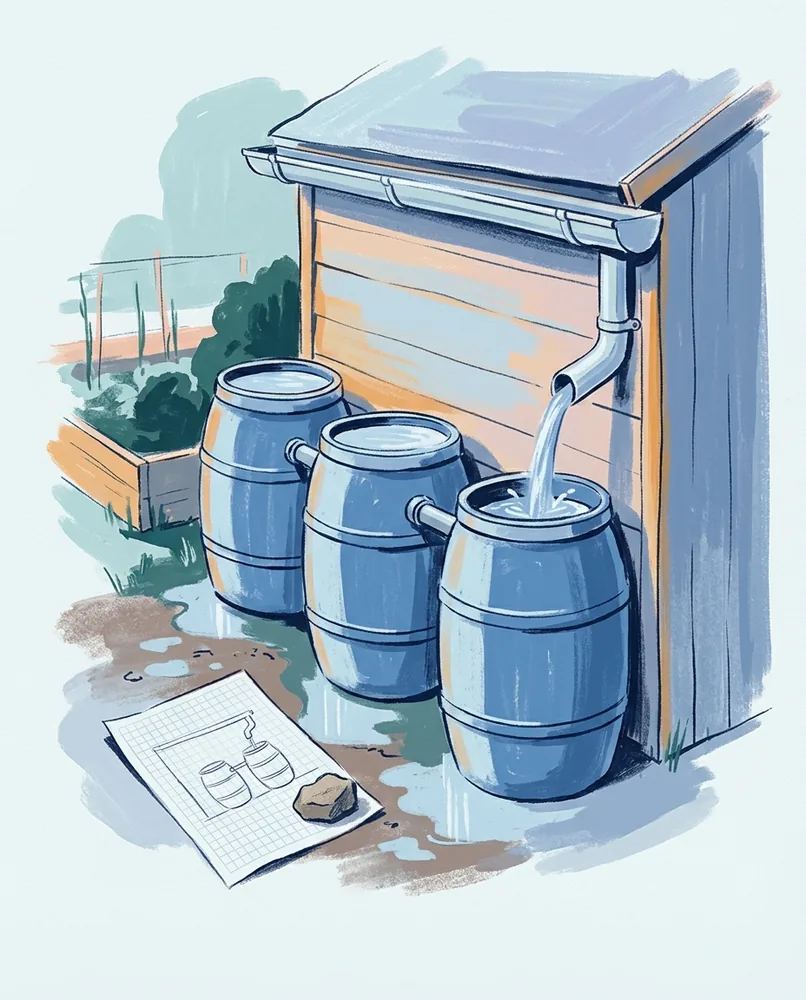
INTJs often spend a great deal of energy turning experience into an understandable model. That can make quiet concentration feel restorative and constant interruption feel unusually expensive. They may recover by reading, walking, researching, building, or simply having enough uninterrupted time for their thoughts to settle.
But the deeper issue is not that INTJs dislike people or cannot handle change. They usually tolerate difficulty better when they can see the reason for it, understand the constraints, and exercise some judgment about what happens next. What wears them down is pressure that feels senseless: avoidable confusion, repeated inefficiency, shifting priorities with no explanation, or demands to display a feeling they do not have.
This creates a two-way gap. An INTJ may intend to protect their attention so they can solve the real problem; other people may experience the same withdrawal as coldness, criticism, or abandonment. Understanding stress means noticing both sides: what the INTJ is trying to preserve, and what their coping strategy may be costing the people nearby.
What drains them
1/4Read
Why constant contact costs
Constant social contact can be draining even when the interactions are enjoyable. A crowded event, a full day of meetings, or a house full of guests may require continuous attention to voices, expectations, expressions, and unspoken rules. The INTJ may leave not because anyone did something wrong, but because there has been no private space in which to process what happened.
If they then cancel plans or go quiet, they may be trying to recover rather than send a message about the relationship. The cost is that other people cannot see the invisible processing behind the silence.
When disorder feels preventable
Disorder is especially tiring when it seems preventable. Last-minute changes, missed deadlines, broken processes, and requests that arrive without priorities force an INTJ to spend energy compensating for the system instead of doing the work itself. A high standard can be useful here: it notices weak links early and protects quality.
The same standard can turn every imperfect handoff into a personal offense, making collaboration feel like an endless exercise in correcting other people. The important distinction is between a problem that actually threatens the goal and one that merely violates a preferred way of doing things.
Why interruptions linger

Interruptions have a particular cost because deep focus is not an on-and-off switch. An INTJ may need time to build a structure in mind before useful work becomes visible. Being pulled out of that structure every few minutes can produce a day that felt busy but yielded little.
Decisions without reasons can have a similar effect. An INTJ may accept a difficult decision when its constraints are clear; an arbitrary-looking decision leaves an unresolved question running in the background. Asking for the rationale is not always resistance. Sometimes it is how they convert an imposed change into something they can work with.
The strain of emotional performance
Emotional performance can drain them too: showing enthusiasm they do not feel, offering reassurance they do not believe, or staying in a conversation that circles the same pain without moving toward understanding or action. Their preference for clarity may be intended as respect; someone else may need acknowledgment before solutions.
When the INTJ skips that human step, a direct response can land as dismissal. And when others demand warmth without allowing directness, the INTJ may feel trapped in a role. Both sides benefit when they say whether the moment calls for listening, comfort, analysis, or a decision.
Part of the Personality Type reportThe rest of this chapter is in the Personality Type report
For The Strategist, senseless demands can drain more than difficult work, while autonomy and uninterrupted thought help them recover without seeming absent.
The Personality Type report gives you the whole guide to your own type, read alongside your own results, so you can see how your patterns affect work, relationships, and daily decisions.
Free interpretation of your answers when you sign in The full report is $30.
