
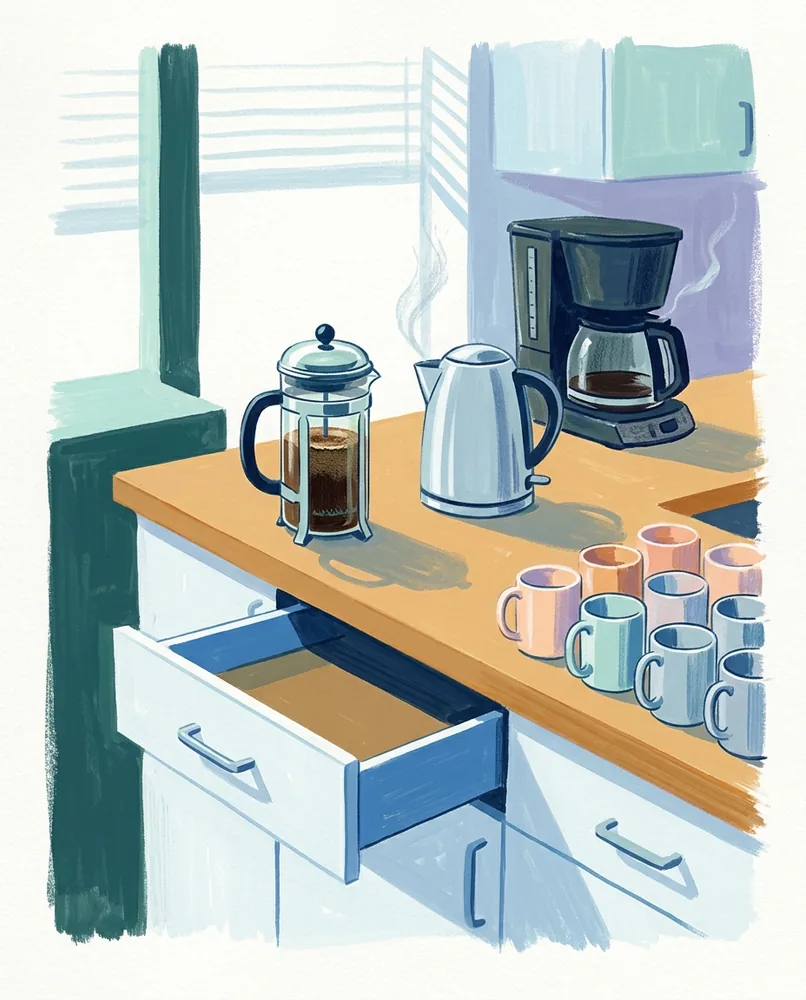
It is the night before the first day of school. The shoes are ready, the pickup time has been checked, and tomorrow’s route is already familiar. For an ISTJ with The Anchor tendencies, preparation is rarely just preparation. It is a way of making care visible: the child has what they need, the important details will not be forgotten, and the family can meet the day with fewer avoidable surprises.
Children may experience this steadiness as security. They know what happens next, what is expected, and who will show up when promised. The two-way street is that the same habits can feel different from the inside of the child. A routine that feels reassuring to an ISTJ may feel restrictive to a child who needs experimentation, spontaneity, or more room to discover their own way.
The ISTJ’s central parenting task may not be learning to care more. It may be learning to make room for care that does not look organized, efficient, or immediately sensible. A child is not a household project to complete. They are a person becoming themselves, sometimes through mistakes, detours, noise, and methods an ISTJ would never have chosen.
The home they build
1/3Read
Making daily life dependable
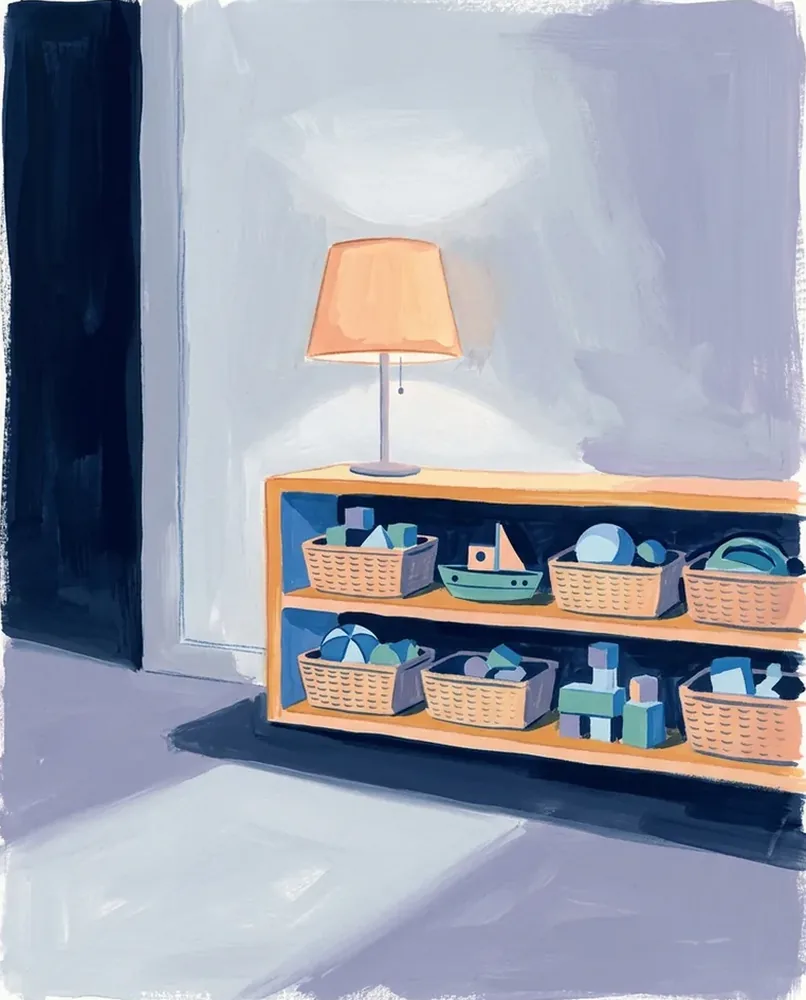
An ISTJ may naturally turn a home into a dependable system. Shoes have a place, backpacks have hooks, allowances are recorded, and the week’s commitments live somewhere everyone can find them. This is more than neatness. When daily life has a dependable shape, children can spend less energy guessing what adults expect and more energy learning, playing, and recovering from the ordinary frustrations of growing up.
ISTJs may also teach responsibility in concrete ways. A child can see that lunch has to be packed, promises have consequences, possessions need care, and competence is built by doing something repeatedly rather than waiting to feel ready. Their example can communicate a powerful message: ordinary work matters, and people can be trusted to do it.
When order hides distress

The cost of the same strength is that order can begin to stand in for safety. An ISTJ may notice the unfinished chore, the forgotten permission slip, or the careless use of money before they notice that their child is embarrassed, discouraged, or overwhelmed. Correcting the visible problem feels responsible; to the child, it may feel as though the problem matters more than they do.
A useful pause is to ask, “What does this moment need first?” Sometimes it needs a consequence or a clearer routine. Sometimes it needs comfort, curiosity, or a chance to try again without a lecture. Structure works best when it carries a child, not when it becomes evidence that the child is failing.
Making room for different energy
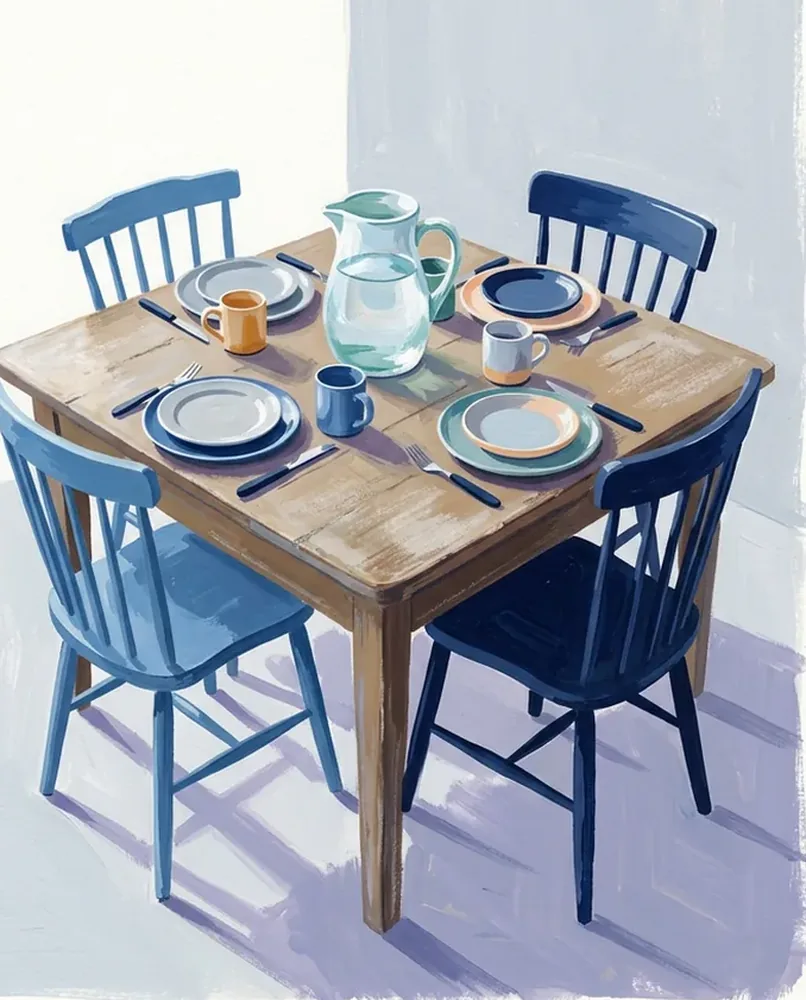
An ISTJ may prefer a home that is calm enough for everyone to hear themselves think: a few close friends rather than a constantly full house, a predictable dinner rather than an improvised one, and a quiet hour after bedtime when tomorrow can be made ready. None of this makes them less loving. But children may need a different amount of noise, novelty, or social energy than they do.
The answer is not to abandon their limits or pretend that constant activity feels good. It is to distinguish their need for recovery from a child’s need for expression. A family can make room for both: company in one part of the house, solitude in another; a planned gathering, followed by protected quiet; shared routines that leave some space for individual temperament.
Part of the Personality Type reportThe rest of this chapter is in the Personality Type report
For The Anchor, dependable routines can offer children security, yet parenting also asks them to trust messy, unfamiliar ways of growing.
The Personality Type report gives you the whole guide to your own type, read alongside your own results, so you can see how your patterns affect work, relationships, and daily decisions.
Free interpretation of your answers when you sign in The full report is $30.
