
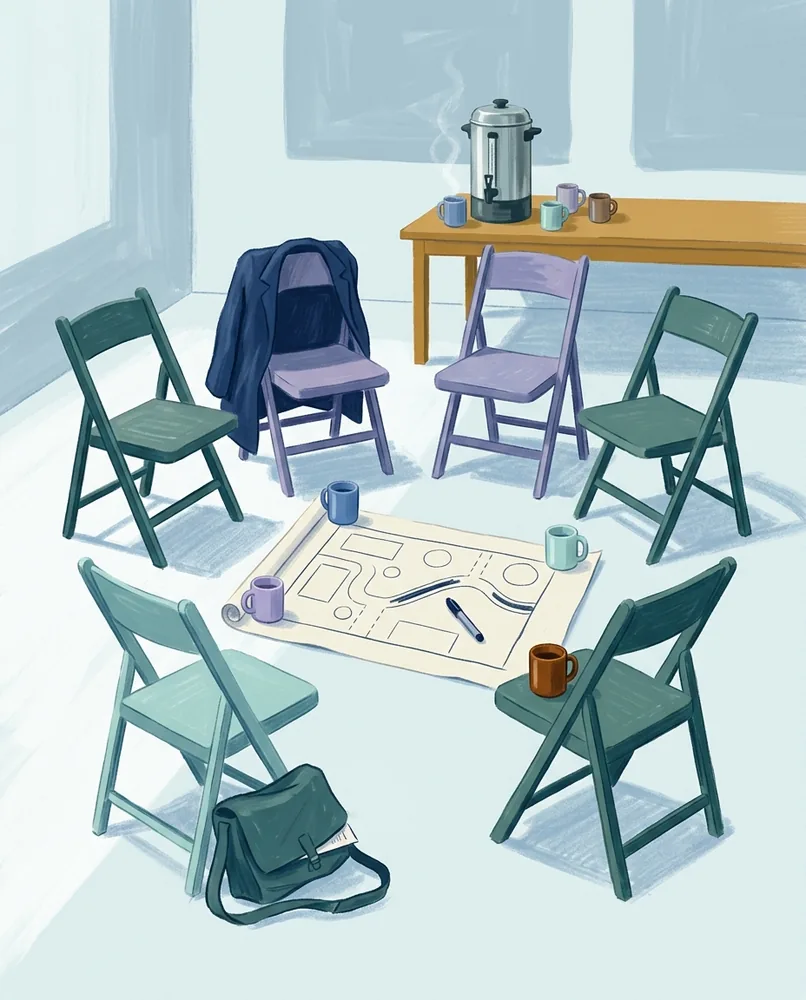
A seven-year-old announces at breakfast that she wants to sell lemonade. An ENTJ may already be imagining the pitcher, the table, the sign, the pricing, and the best place to catch Saturday traffic. Parenting with these letters can make ordinary moments feel full of possibility. A small idea becomes a project, then a lesson in planning, responsibility, and what might happen next.
That energy can give children a home with momentum. ENTJs are likely to organize what needs organizing, speak up when they need an advocate, and teach them how to recover when a plan fails. They may want to raise people who can think clearly, act bravely, and take responsibility for the lives they are building.
The two-way street is that a child may experience their investment as pressure. What feels to an ENTJ like preparation can feel to them like correction. What feels like an invitation to grow can sound like a verdict on who they are right now. The work is not to become less ambitious for their family. It is to make sure their love is unmistakable even when no one is improving, achieving, or moving toward a goal.
The home they build
1/4Read
Structure that feels supportive

An ENTJ’s home may run on a plan. There might be a family calendar, a chore system, and a Sunday conversation about the week ahead. Children in a house like that often know where they need to be, what is expected, and what happens when a responsibility is ignored. Clear structure can make the world feel safer, especially when it is explained as support rather than surveillance.
ENTJs may also be the parents who notice what could work better. The morning routine gets redesigned. The family trip has a backup plan. A forgotten permission slip becomes a new system for preventing forgotten permission slips. This is one way they show care: they reduce avoidable chaos so everyone has more room to live.
When activity feels different
An ENTJ’s home may be lively, too. Friends come for dinner, cousins stay the weekend, and a child’s team ends up in the kitchen after the game. They may enjoy creating a household with enough energy and resources for people to gather. A social child may experience that as abundance: there is always something happening, someone interesting to meet, or an adult willing to help turn an idea into an event.
But a child who needs quiet may experience the same home as permanently switched on. A full calendar can look like opportunity to an ENTJ and like a lack of escape to them. Building a strong family life includes noticing who is energized by the activity and who is enduring it.
When conversation needs less debate

Conversation may be one of an ENTJ’s favorite forms of connection. Why do cities have traffic jams? What would you change if you ran the school? How should the family spend its money? They may treat a child’s opinions as worth taking seriously, which can help them become articulate, informed, and willing to question weak ideas.
The cost of that strength is that every conversation can start to feel like a performance or a debate. A child who is upset may not yet have a position to defend. They may need an ENTJ to understand the feeling before they can examine the problem. Acknowledging the child’s disappointment can reach them more deeply than explaining the next step.
Teaching strength with presence

ENTJs are likely to teach competence directly: make a plan, ask for help, repair what you damaged, and take responsibility for an outcome. Those are valuable lessons. Still, children do not learn resilience only by being pushed toward the next solution. They also learn it when someone stays beside them while they are embarrassed, frightened, slow, or unsure.
A useful question is: “Does this moment need direction, or does it need company?” If a child has made a mess, direction may be appropriate. If they are grieving a friendship or feeling defeated, immediate strategy can make them feel alone inside the problem. Emotional availability is not indulgence. Sometimes sitting beside disappointment is part of teaching strength.
Part of the Personality Type reportThe rest of this chapter is in the Personality Type report
The Captain can turn a child’s small idea into a lesson in initiative and responsibility, while ambition risks sounding like correction.
The Personality Type report gives you the whole guide to your own type, read alongside your own results, so you can see how your patterns affect work, relationships, and daily decisions.
Free interpretation of your answers when you sign in The full report is $30.
