

Friendship for The Beacon often means more than having someone to make plans with. It means being known across time: having someone who remembers what they were trying to become, understands why a decision mattered, and can talk with them about what lies beneath the obvious story. They may enjoy people while still needing substantial stretches of solitude, and they may prefer one direct conversation to an entire evening of social activity. That combination can make their circle look small from the outside. It may feel full from within. The tension is that they can become so good at understanding other people that others assume they need little understanding in return. A lasting friendship asks them not only to offer depth, but to make themselves available to be met there.
Making friends
1/4Read
How friendships begin
Friendships may begin for INFJs through repeated, low-pressure contact: a class, a workplace, a shared project, a neighbor who lends them a book. They often need time to observe how someone treats people, whether their words match their choices, and whether conversation becomes more genuine when there is no audience.
The connection may feel ordinary at first. Then, after several longer conversations, they realize they have started carrying the person’s concerns in their mind and saving things to tell them. They are not necessarily slow to care. They are careful about where care goes.
Why their circle stays small

They may prefer a small number of substantial friendships to a wide network of low-intimacy connections. That is not the same as disliking people. They can enjoy groups, community, and shared causes while still wanting relationships where the conversation can move beyond updates and pleasantries.
A curious, sincere friend may become especially important because they give their inner life somewhere to go. The cost of this selectivity is that they may wait for exceptional chemistry before investing, when a good friendship might have grown through ordinary consistency. Not every promising relationship announces its importance at the beginning.
What makes someone a friend

What turns someone into a friend is often the conversation beneath the conversation. INFJs want to know what a person is trying to protect, what they are becoming, what they have not yet admitted to themselves. When a friend brings them a difficult decision, they may offer perspective rather than instant reassurance, helping them see the pattern and choose a next step.
That can feel deeply caring to them. But another person may sometimes need comfort before interpretation. Asking whether the other person wants listening, reassurance, or help thinking things through lets their insight serve the friendship instead of steering it.
Making room for lightness

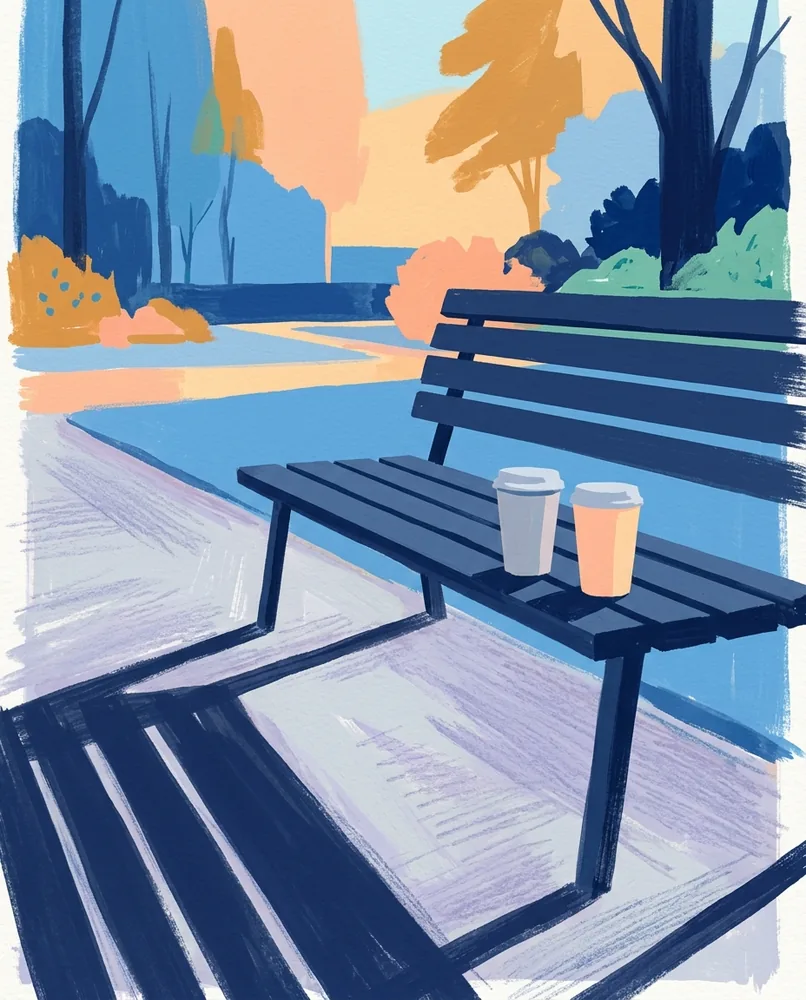
Because close contact can be energizing even when socializing is tiring, it is worth noticing which invitations they decline automatically. The coffee they nearly cancel may leave them feeling more connected, not less, especially when the meeting has room for an open exchange.
At the same time, they do not need to turn every social opportunity into personal growth. Some friendships are valuable because they are playful, practical, or uncomplicated. Depth can be a home, but lightness can be a doorway into it.
Part of the Personality Type reportThe rest of this chapter is in the Personality Type report
The Beacon seeks friendships with depth and room for solitude, yet understanding people well can leave their own inner life unseen.
The Personality Type report gives you the whole guide to your own type, read alongside your own results, so you can see how your patterns affect work, relationships, and daily decisions.
Free interpretation of your answers when you sign in The full report is $30.
