
The family reunion was lovely: a potluck, a long talk with an aunt about her new job, a game of cornhole, and a group photo that took forty minutes to arrange. On the drive home, they might go quiet. Nothing is necessarily wrong. They may simply have used up the day’s supply of listening, noticing, and responding. For The Beacon, stress is often less about disliking people than about having too little private space to turn a crowded stream of impressions into something clear. What follows is what tends to drain them, what gives their energy back, and what may happen when they stay stretched for too long.
What drains them
1/4Read
When company keeps taking

Company can wear them out even when they like everyone in the room. A week of back-to-back meetings, a houseguest who stays five days, or a vacation with no door to close can quietly consume more than the calendar shows.
They are not only participating; they may be tracking the mood, remembering what matters to each person, and adjusting their own response so the interaction stays considerate. Other people may see a pleasant, engaged presence. They may experience a second shift afterward, when all those impressions finally have somewhere to land.
The cost of carrying others
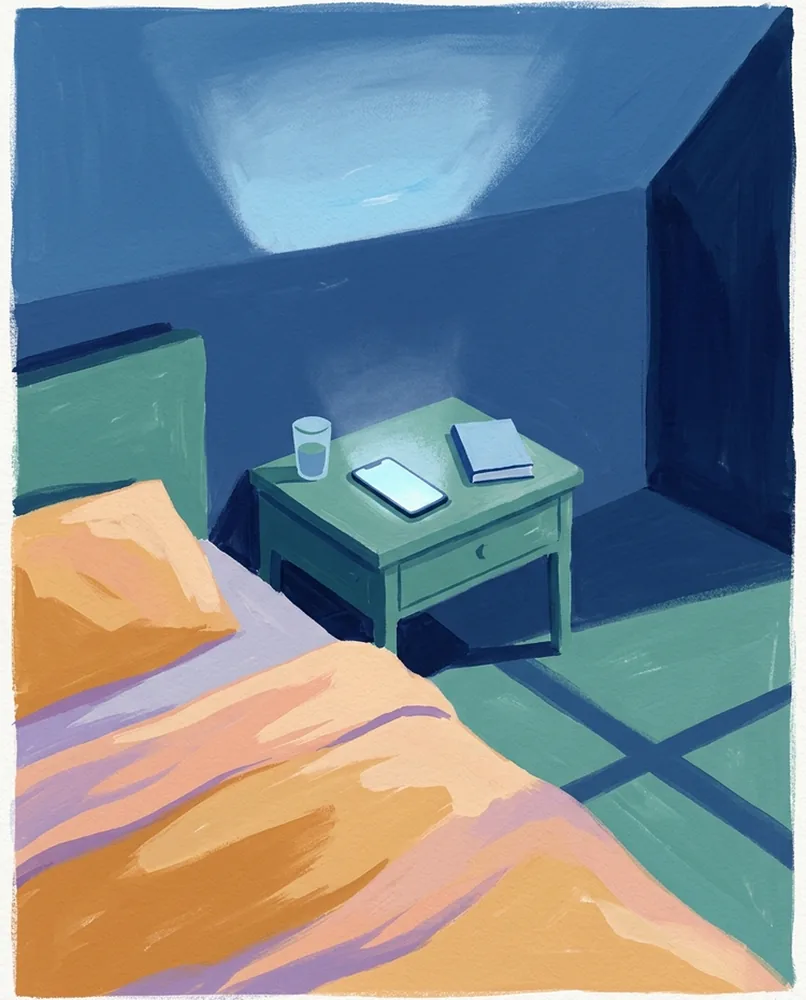
Other people’s troubles can pile up inside them, too. A friend’s dilemma or a coworker’s disappointment may continue as an unfinished conversation in their mind long after they have offered help. When several people need understanding at once, their ability to make room for them can become the very thing that leaves no room for them.
They intend to be caring; others may come to experience them as endlessly available. That is a costly bargain when their silence about their own limits is mistaken for capacity.
When worthwhile work goes missing

Sameness with no visible point can wear on their Openness. A month of producing the same weekly report that nobody reads may tire them more than a difficult project with a reason behind it. They often need to sense meaning, possibility, or a connection between today’s effort and something worth building.
The strength is their ability to invest deeply in purposeful work. The cost is that necessary maintenance can feel strangely exhausting when its value is hidden, repetitive, or disconnected from the larger picture.
Why control becomes tiring

Chaos can drain their Conscientiousness in a different way. Plans that fall apart on the day, a kitchen with no system, or a group trip where nobody booked anything can keep part of their attention on what might go wrong next. Structure is not merely a preference for neatness; it gives their mind a place to put its energy.
But the same strength can turn flexibility into a threat. When they try to prevent every disruption, the effort of controlling the day may become heavier than the disruption itself. The busy days they enjoy may send a bill later.
A worthwhile conversation, a demanding project, or an unusually social weekend can feel energizing in the moment and still leave them depleted afterward. This is easy to misread: because the experience was good, they may assume they should be ready for more of it.
Their body and attention may be telling a different story. Enjoyment and recovery are not opposites; sometimes the most worthwhile experiences require the most deliberate quiet afterward.
Part of the Personality Type reportThe rest of this chapter is in the Personality Type report
Constant social input can exhaust The Beacon’s private clarity, while quiet time lets accumulated impressions become usable thought.
The Personality Type report gives you the whole guide to your own type, read alongside your own results, so you can see how your patterns affect work, relationships, and daily decisions.
Free interpretation of your answers when you sign in The full report is $30.