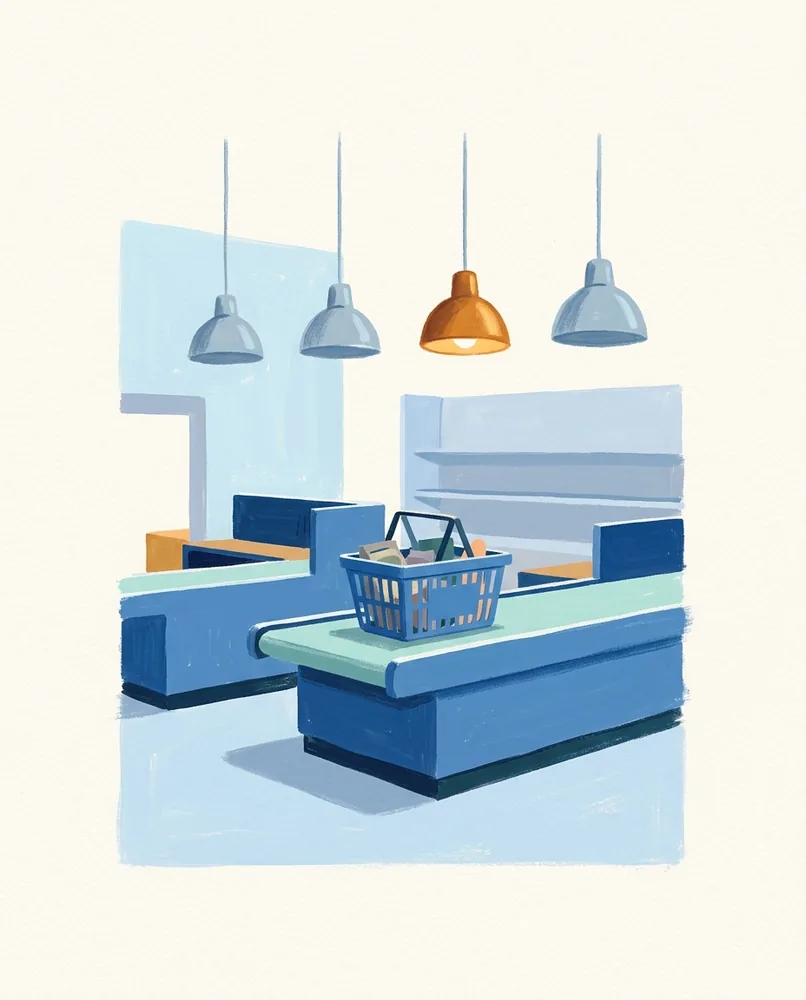
A week can look manageable on paper: a team lunch, a birthday dinner, a group activity, and a new system to learn at work. None of these demands is overwhelming by itself. But each one asks them to shift attention, respond on someone else’s timetable, or follow a structure they did not choose. By the end of the week, they may want a closed door and one problem that belongs entirely to them. For The Scholar, recovery often depends less on doing nothing than on getting back to self-directed thought.
What drains them
1/4Read
Why constant responsiveness tires them
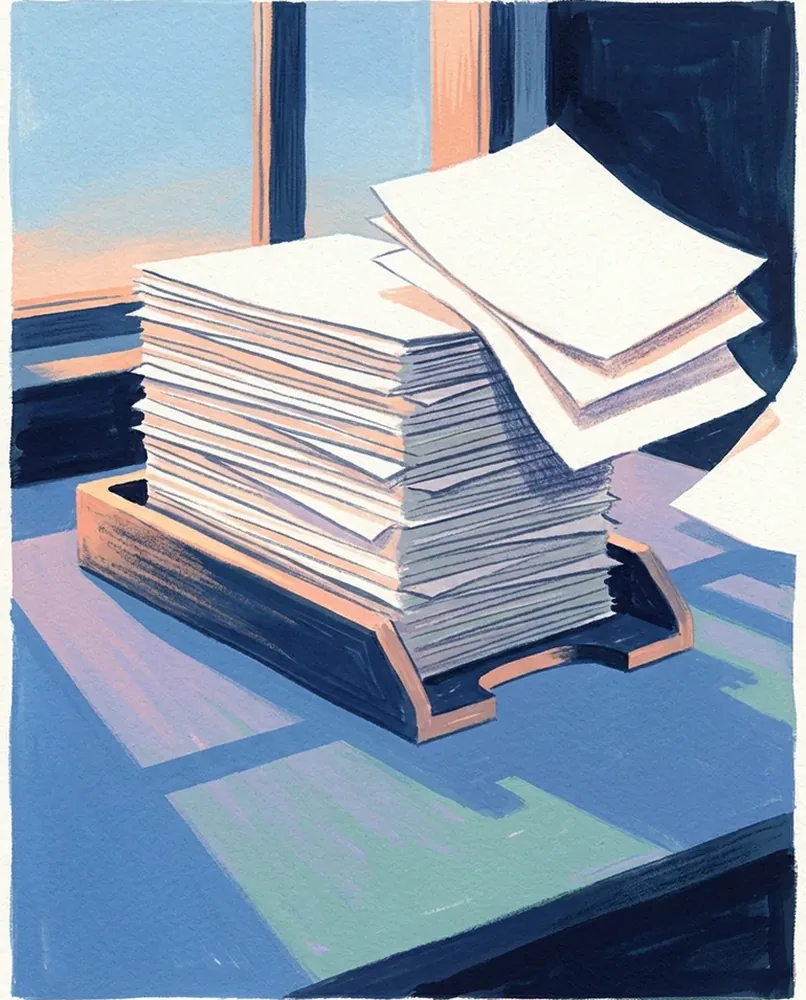
Sustained responsiveness can be more tiring than difficulty. Back-to-back meetings, a crowded workspace, constant messages, and frequent requests all divide their attention into small pieces. Even time with people they like may leave them depleted when there is no quiet space between interactions. Small talk can be especially tiring when it asks them to stay socially present without giving their mind anything substantial to examine.
Why withdrawal can be necessary

The issue is not that they lack interest in people. They may care deeply about them while still finding social performance demanding: reacting at the expected moment, maintaining the conversation, noticing every cue, and being available when their mind wants to follow an idea elsewhere.
Other people may experience their withdrawal as distance. They may experience it as the only way to recover enough attention to be present again.
When sameness removes meaning
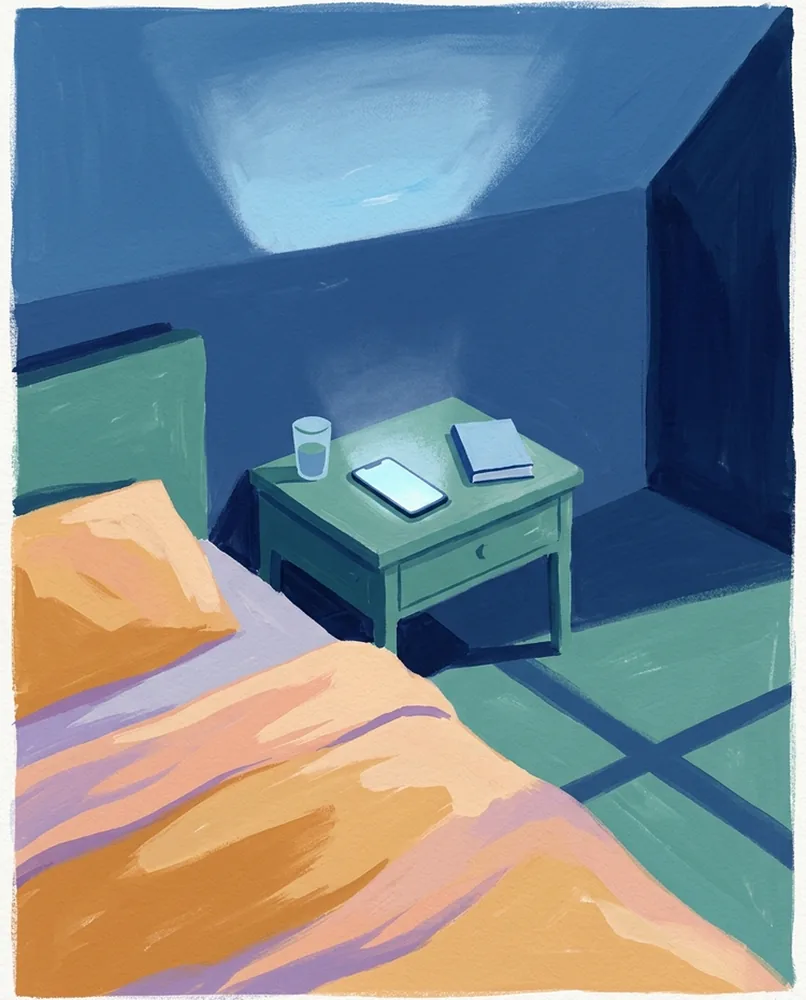
Sameness drains them from another direction. Work in which every question already has an approved answer, or a week of repeating the same task in the same order, can make them restless and flat.
Curiosity is not just entertainment for them; it is one of the ways their attention comes alive. Being told to stop asking why can feel like being asked to perform the motions of work after the meaning has been removed.
When structure feels like control
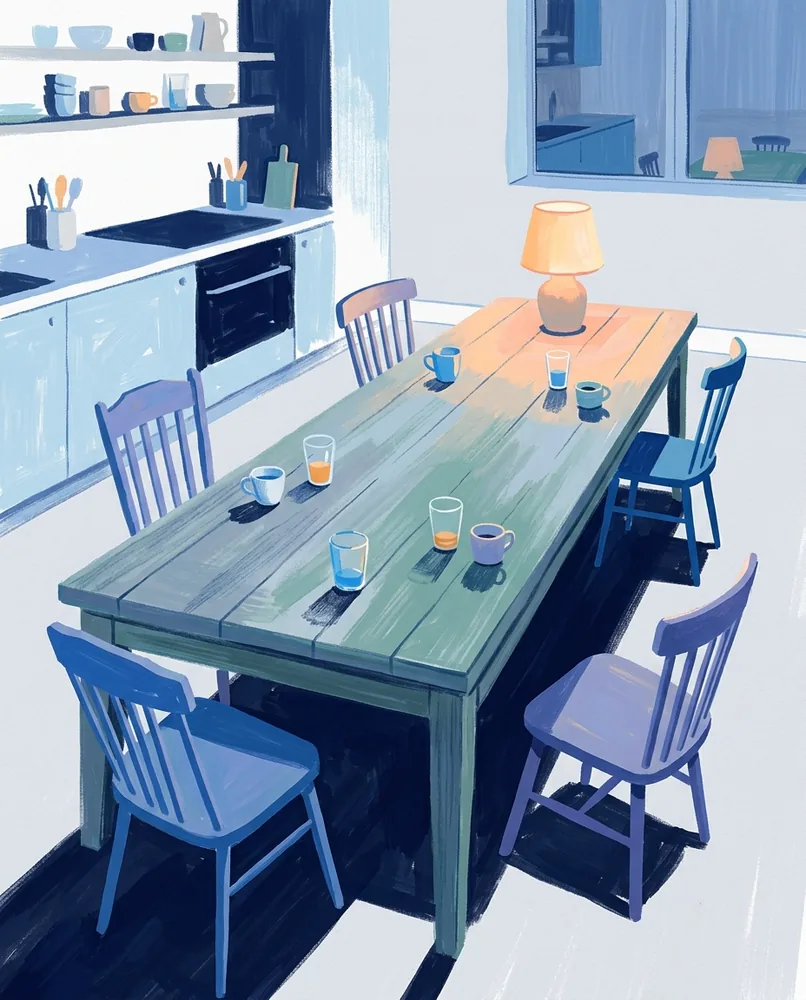
Rigid structure can have a similar effect. A carefully divided schedule, a daily status ritual, or a thick set of rules may feel less like support than a problem someone else has already solved badly. The cost of this reaction is that useful structure can become indistinguishable from control. A deadline, checklist, or routine may be protecting their future attention even when it feels like an interruption now.
Part of the Personality Type reportThe rest of this chapter is in the Personality Type report
The chapter follows how The Scholar tires from divided attention and imposed schedules, then regains energy through questions they can pursue alone.
The Personality Type report gives you the whole guide to your own type, read alongside your own results, so you can see how your patterns affect work, relationships, and daily decisions.
Free interpretation of your answers when you sign in The full report is $30.