Types / Personality types / Private Vision

Personality typeIN · Private Vision

The Scholar.

Ideas are invitations, not obligations. You may enjoy following a question through several surprising turns, even when the best outcome is a sharper question rather than a finished answer.

INTP

Introversion, Intuition, Thinking, Perceiving.

INTP · Personality typeThe Scholar
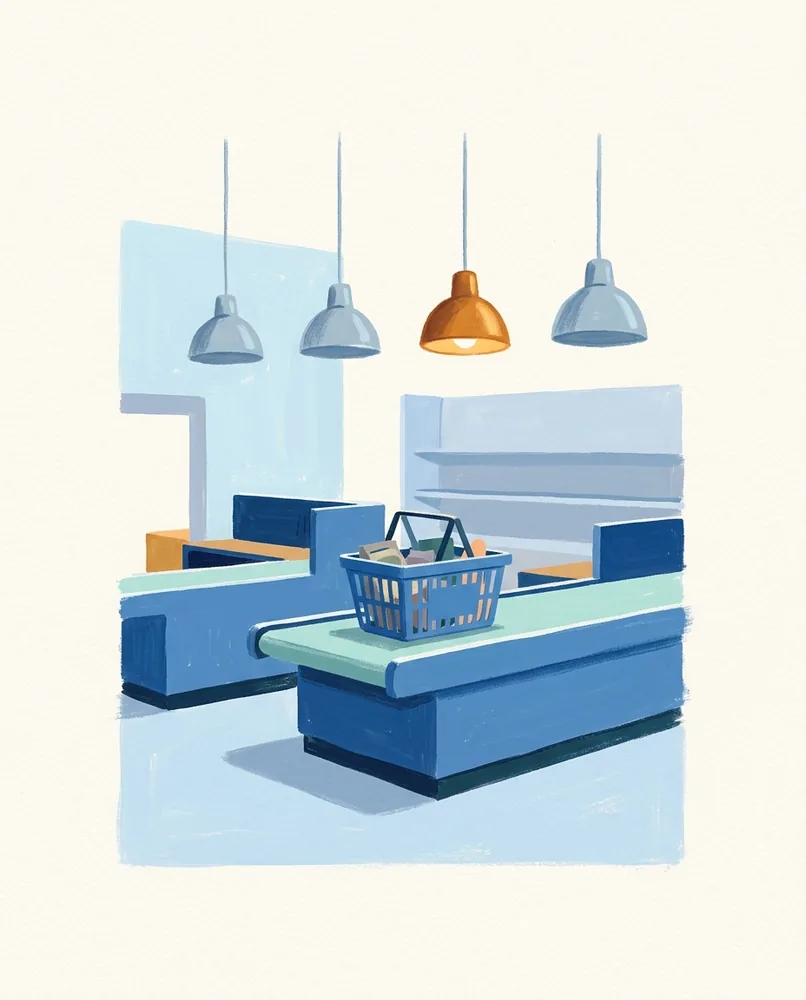
Four lamps hang above empty checkout lanes, with one glowing amber and a shopping basket resting on the nearest conveyor belt.

The Scholar at a glance

Who in the world am I? Ah, that’s the great puzzle!

Lewis Carroll, Alice’s Adventures in Wonderland

The dishwasher stopped draining on Tuesday. By Thursday, an INTP may be able to explain the float switch, the drain pump, and why older machines were built differently. There might even be a sketch of the plumbing on the back of an envelope. The dishwasher, meanwhile, could still be full of gray water. That is The Scholar: the question becomes absorbing long before the practical fix becomes urgent. If these are an INTP’s letters, they may enjoy following a thought wherever it leads, usually at their own pace and often without needing an audience. Thinking is not a retreat from life for them. It is one of the ways they participate in it. They test explanations, notice hidden assumptions, compare possibilities, and keep pulling on an idea until they understand what makes it work. The unfinished appliance is not necessarily evidence that they are careless; it may be evidence that their attention has been captured by a more interesting problem. But other people cannot see the intricate model taking shape in their head. They see the gray water, the delayed promise, or the question that seems to have replaced the task. Much of their growth may come from learning when an idea deserves more exploration—and when understanding has become a way to postpone choosing, finishing, or being present.

What drives them

1/4

When mechanisms capture them

A coiled hose lies beside a thriving vegetable bed at dusk, with dark, watered soil between the rows.

Understanding often comes first. A new app on an INTP’s phone may stop being an app and become a question about how it decides what to show them next. Half an hour later, they could be reading about how those systems are built, with no memory of what they originally opened the app to do.

This is not random distraction so much as attention being captured by an unexplained mechanism. Knowing how something works usually feels better than being told that it works. A rule nobody can explain may bother them more than a strict rule with a clear purpose.

Why unsupported rules bother them

A brass desk lamp shines in a dark room, casting a pool of light across a bare wooden desk.

Why is the form due on the 15th? Who chose that date? If the answer is “we have always done it this way,” an INTP may experience it not as an explanation but as a second question. Their skepticism is often aimed less at authority than at unsupported certainty.

Curiosity versus maintenance

A wooden spinning top turns on a bare tabletop, with a blurred rim and a long shadow beside it.

An INTP may also value time that is not pointed at anything. Give an INTP an unscheduled Saturday and a puzzle, and they might not notice it getting dark. The puzzle does not need to be useful. Working out why the wind chime next door plays the same four notes can make a satisfying afternoon, even if nobody ever asks what they found. Curiosity gives the day its own momentum.

Sameness, by contrast, can feel like attention without a subject. Running a monthly report may be fine the first time, while there is still something to discover. By month four, an INTP may start rebuilding the template simply to create a new problem to solve. This can produce valuable improvements, but it can also make maintenance look like wasted time when maintenance is what keeps the interesting work possible.

Loyalty to the question

A cast-iron woodstove burns with its door open, beside a basket of split logs on the hearth.

An INTP usually wants the freedom to change their mind when better evidence appears. A theory they loved last week can go straight into the recycling bin if a stronger one replaces it. What they stay loyal to is the question, not necessarily the first answer.

That intellectual flexibility is a strength, but people who are attached to continuity may experience it as inconsistency. They may need to hear what changed, not merely hear the INTP’s new conclusion.

How their letters work together

1/4

INTP on four scales

INTP sits on the Introversion, Intuition, Thinking, and Perceiving side of its four scales.

The shaded half of each scale shows where every INTP falls. Take the personality assessment and your own dots will appear too.

The pattern behind the letters

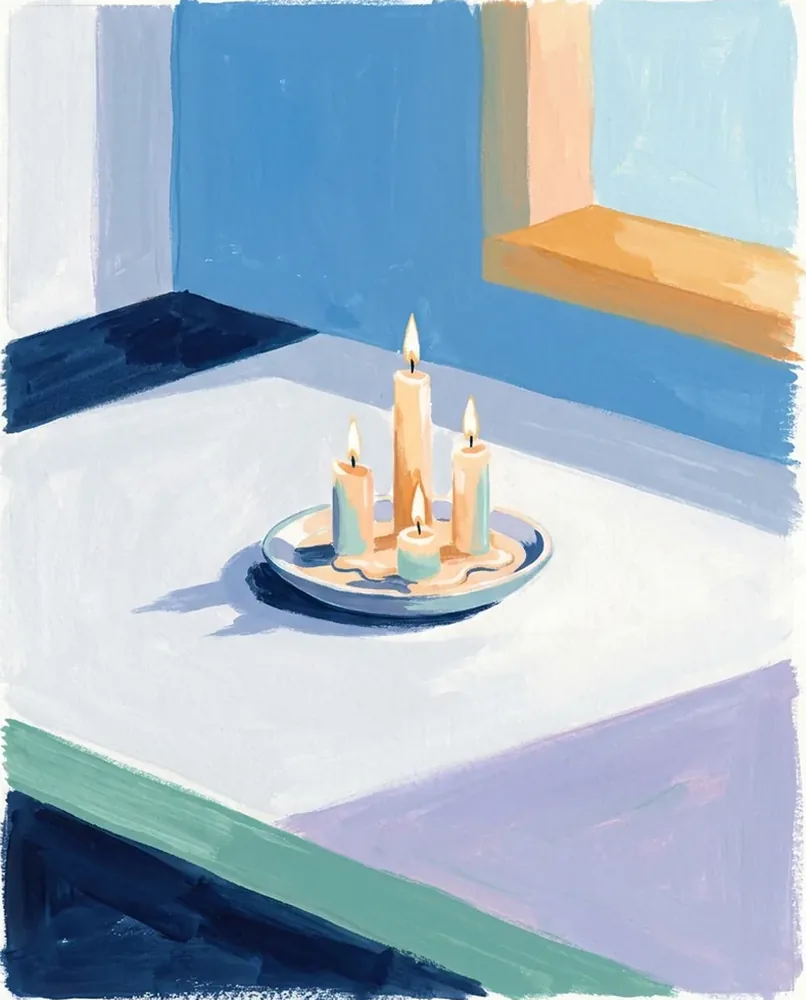
Four candles of different heights burn together on a shallow dish, with wax pooled between them.

An INTP’s result is based on continuous scores, so a letter near the middle may be a light preference rather than a defining feature. The combination can still be useful because one tendency changes how another is expressed.

How N and P move their ideas
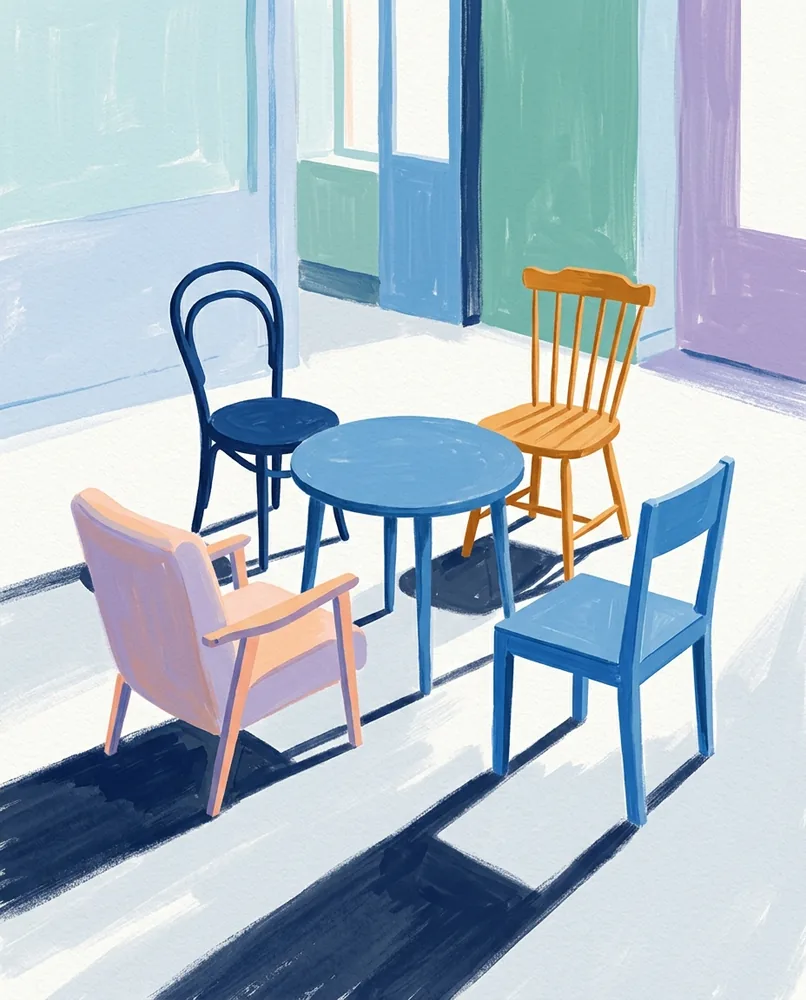
Four chairs with different designs are pulled around a small round table.

An INTP’s N and P together tend to keep an idea moving. The N comes from higher Openness, or greater interest in possibilities, abstractions, and questions without settled answers. The P comes from lower Conscientiousness, which usually means less pressure to organize life around plans, schedules, and closure. Together, they can turn a small mystery into an open-ended investigation. A broken dishwasher becomes a study of drain pumps; a question about bread becomes a comparison of storage conditions. The same openness can make a deadline feel like an interruption to thinking rather than part of the thinking.

How I and N build inward
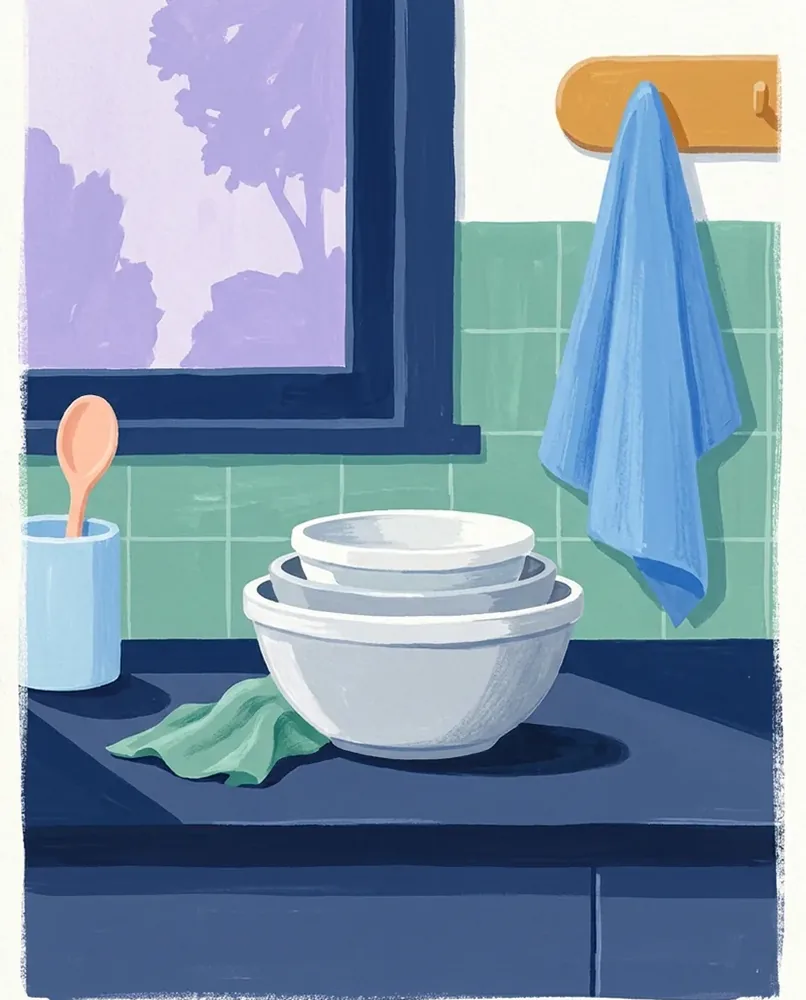
Nested mixing bowls in graduated sizes are stacked on a kitchen counter in clear morning light.

An INTP’s I and N together can build a busy inner world. They may prefer to work an idea out alone, where it can be explored, challenged, and revised without having to explain each unfinished step. A whole debate can happen in their head on the drive home, with them arguing both sides and changing their mind twice. This protects the quality of their thinking, but it also hides the process from everyone else.

By the time an INTP shares the conclusion, other people may not know what they are agreeing with—or how much work went into it. Their I and P can also create an unhurried pace. Without a group waiting for them and without a strong inner checklist, a Sunday may go wherever it goes. That freedom can help them notice connections that a tightly scheduled person misses. It can also leave ordinary obligations floating: a text unanswered until Wednesday, a form nearly finished, or an important idea still being refined after the moment for using it has passed. Flexibility serves them best when they add just enough structure to protect what matters.

When models meet completion
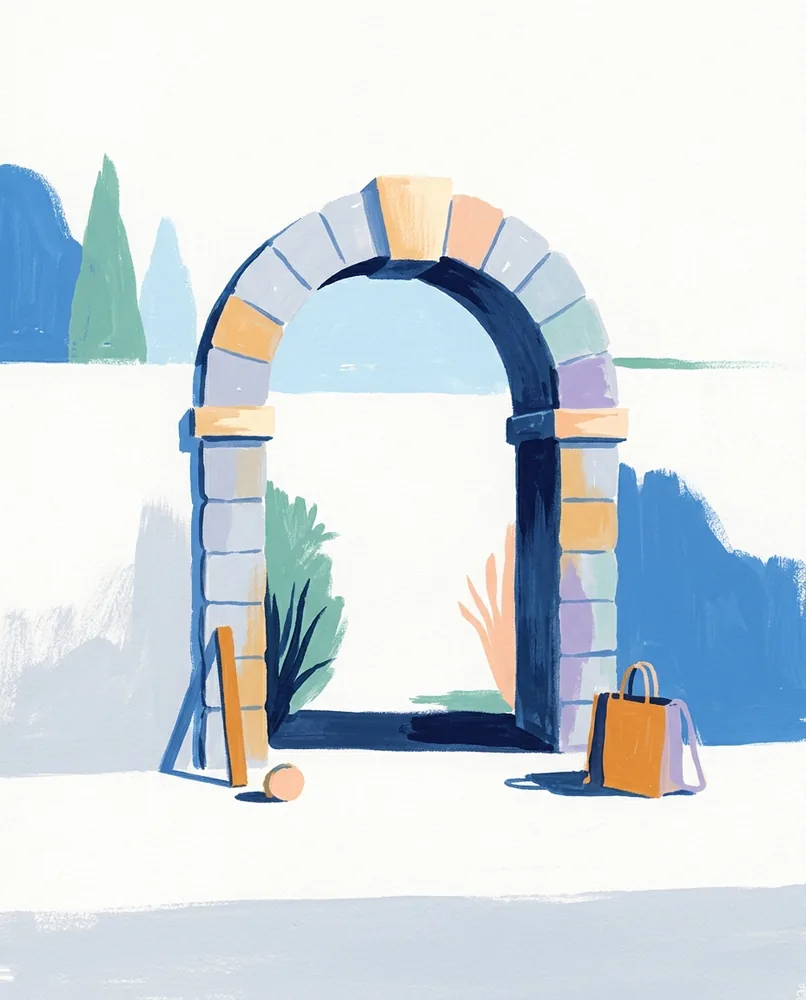
A stone arch set into a garden wall has a keystone at the top catching the sunlight.

All three tendencies together might look like a Tuesday evening that begins with one question about why bread goes stale. By bedtime, there could be a spreadsheet comparing two loaves, one in the refrigerator and one in the bread box, with a plan to check them every morning. The delight is in building the model. The practical question is whether the observations will continue after the model is built. An INTP can be captivated by the architecture of a project and less captivated by the repetition that proves whether it works.

The fourth letter, T, concerns the way an INTP tends to weigh decisions and communicate, especially when accuracy and interpersonal impact pull in different directions. That part of their pattern is explored more fully in the communication chapter. It does not mean they lack care. It means their care may first appear as analysis, honesty, problem-solving, or an effort to make the underlying logic clear.

How other people see them

1/3

The first impression

A picture frame faces the wall on a mantelpiece, with a clock and vase standing on either side.

At a party, an INTP might spend the first hour near the chips, saying very little. Then someone mentions that they inspect bridges, repair antique radios, or study animal behavior, and suddenly the INTP has questions—many of them.

A guest who met an INTP near the chips and a guest who met them in the middle of the conversation could leave with very different impressions. One saw reserve. The other saw an entire inquiry come to life.

What their quiet can hide

A hallway mirror reflects an empty room and a vase of flowers on the table opposite.

The quiet version is often the one people meet first, and it is easy to misread. Quiet can look like boredom or distance when an INTP is busy thinking. A project they set down can look like proof that they stopped caring, when a more interesting question may simply have redirected their attention.

A reply that takes three days can look careless even if an INTP spent those days deciding what they actually meant. Their inner engagement is real, but it is not automatically visible. People can usually recognize visible behavior more easily than invisible complexity.

How persistence becomes visible
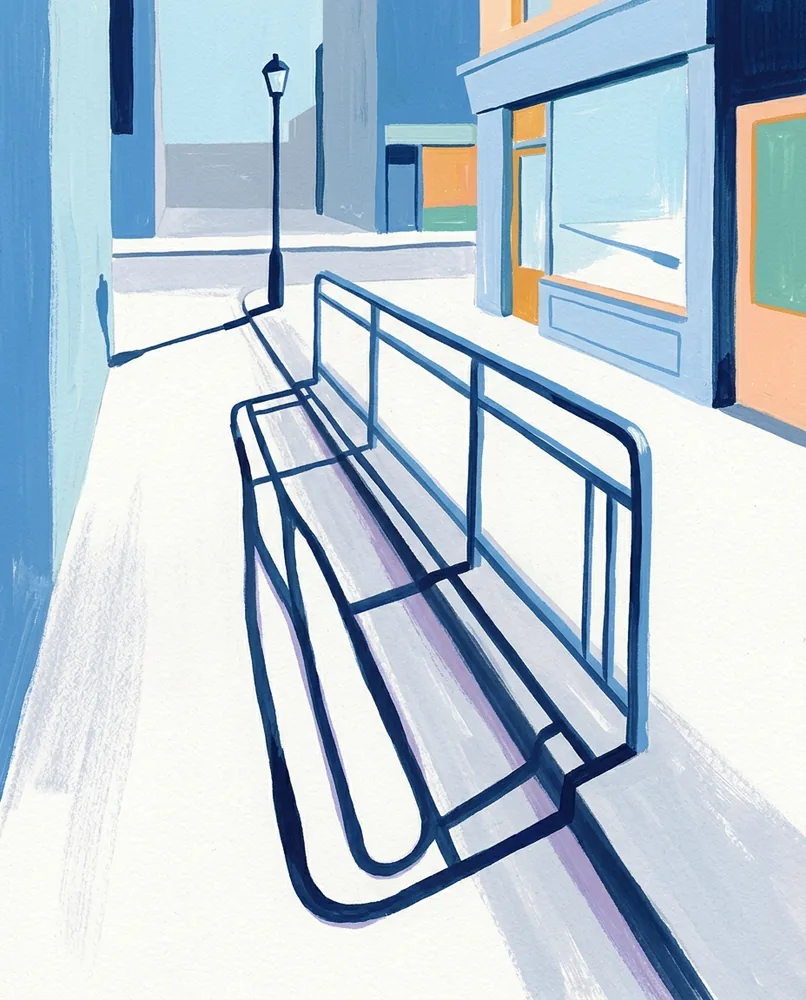
A sidewalk railing casts a shadow far longer and more irregular than the railing itself.

Someone may correctly notice that an INTP is quiet, independent, or reluctant to commit to a plan. They may not recognize how much analysis is happening underneath, especially if the INTP shares only the polished conclusion.

This is why close relationships often reveal a different INTP: not necessarily a more social person, but a person whose questions, theories, revisions, and long-running investigations have become familiar. Someone who knows them well may understand that silence is not always absence.

They may have heard an INTP’s full theory of why the bus runs late on Mondays, watched them revise it when new evidence appeared, and learned that a practical problem can remain alive in their mind long after everyone else has forgotten asking about it. They see the continuity behind what can look, from the outside, like scattered attention.

Bring an INTP a real puzzle—a budget that will not balance, a strange rattle in the car, or a process nobody can explain—and they may keep thinking about it for days. That persistence can become loyalty in a form other people do not immediately recognize. They may not offer constant reassurance or frequent updates; they may show that something matters by continuing to investigate it. The other person may still need them to make this visible by saying they have not dropped it and are still working it out.

What sets them apart from neighboring types

1/4

One letter from INTP

Why nearby types feel similar

Five terracotta pots line a low wall, each holding a different plant.

Change one letter and you land near a neighboring pattern. Because the letters come from continuous scores, the difference may be small—especially when one score is close to the midpoint. Yet that one contrast can change what happens to an idea: whether it is organized into a plan, tested through direct experience, or developed aloud with other people.

The Strategist’s finished plans
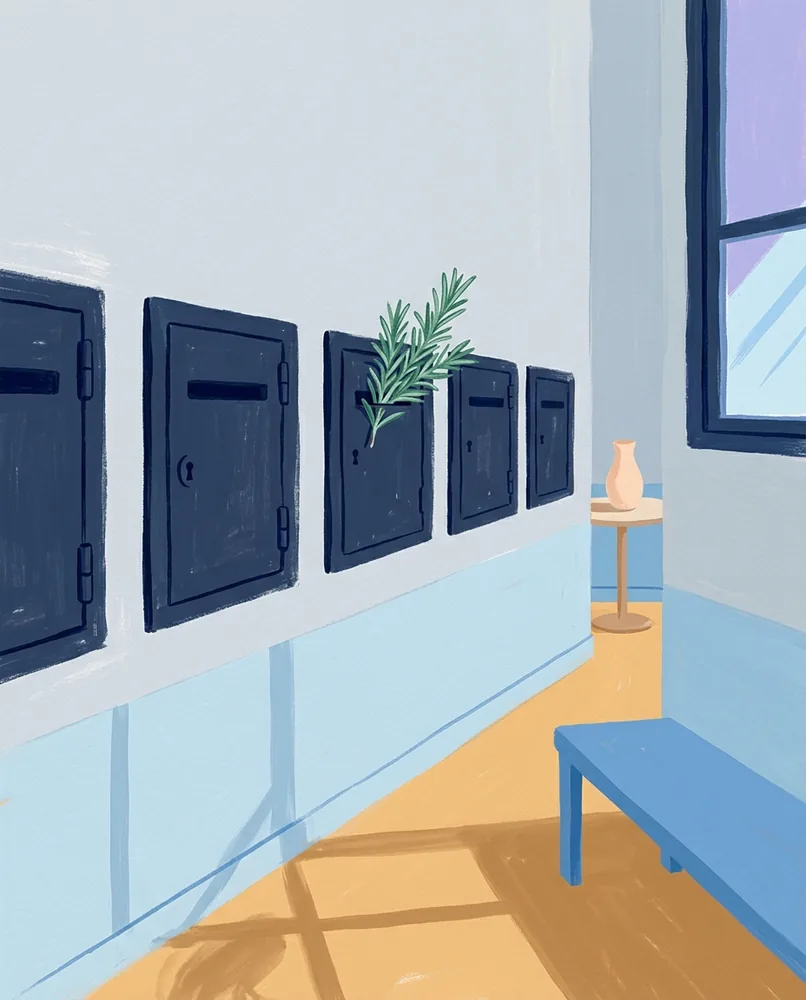
Small iron mailbox doors line a hallway, with rosemary tucked into one slot.

The Strategist (INTJ) shares an INTP’s love of ideas and taste for working independently. The difference is the last letter. An INTJ’s idea is more likely to become a plan, a deadline, and a finished first version, then a second one.

An INTP’s is more likely to remain open while they explore its implications and follow the next question. The INTJ may finish more of what they start; the INTP may cover more conceptual ground and abandon a dead end sooner. Each approach pays a price: their structure can close inquiry too early, while the INTP’s openness can postpone the moment when an idea becomes useful.

The Fixer’s hands-on solution

An open drawer of matching steel cutlery holds one bone-handled knife among the pieces.

The Fixer (ISTP) may also be quiet and loose with plans. The letter between them is the N. Give a broken dishwasher to someone with that pattern, and it may be draining by dinner, with no envelope sketch required. They tend to trust what is directly in front of them and work the problem out through their hands.

An INTP tends to want the theory first: what the parts are doing, why the failure happened, and whether the same principle explains other machines. Their fix may come sooner. The INTP’s explanation may travel farther.

The Innovator’s social thinking

A shelf of white cups with one deep blue cup standing among them.

The Innovator (ENTP) chases ideas much as an INTP does, but more visibly and in company. They may discover what they think by throwing possibilities into the room, while an INTP may prefer to refine them privately before sharing. A crowded conversation can energize them where an INTP is looking for a quiet corner.

Their questions become social movement; an INTP’s may become an intricate private map. Neither is more curious. The difference is where the thinking happens and who gets to watch it change.

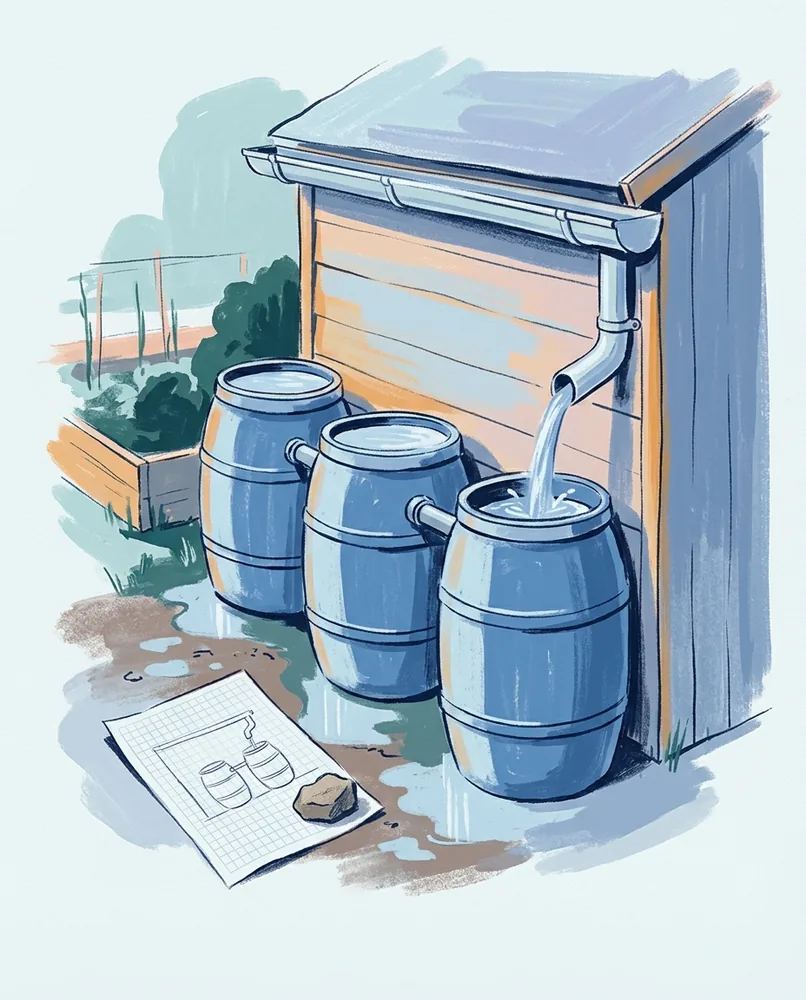
The rest of the guide

The chapters below complete the guide, and the Personality Type report gives you the whole guide to your own type.

With other people

Our take The parts below are built from your letters. They describe what might feel easy, where one person’s good intention may land differently than intended, and what could make the difference easier to discuss. Treat them as conversation starters, not predictions.

In a relationship

What may feel easy

A partner who enjoys following an idea wherever it leads—and who does not mistake a quiet evening for a problem—may feel easy for you. You can feel close through curiosity, playful debate, shared discoveries, and the freedom to be absorbed in your own interests. The cost of that freedom is that affection can become too implicit: what feels like comfortable trust to you may feel like distance to someone who looks for frequent reassurance or visible enthusiasm.

Where friction may show up

Someone more outgoing, practical, or eager to define the relationship may experience your pauses as avoidance rather than thoughtfulness. You may be trying to understand what you really want before making a promise; they may be waiting for evidence that they matter to you. They could also prefer decisions made in advance—when and where you will meet, what happens next, what the relationship means—while you are still enjoying the possibilities. Neither pace is automatically wiser. The useful bridge is to offer a clear temporary answer instead of silence: say what you know, what you do not know yet, and when you will revisit it.

What they might bring

Bring curiosity, intellectual play, and the ability to see a problem from an angle neither of you had considered. Also bring visible commitment: a reply, a plan, a completed errand, or a simple statement of affection. Your partner should not have to infer your devotion from the quality of your thoughts.

When you are much alike

With someone much like you, the friction may hide inside mutual understanding. Two people can respect each other’s need for space so completely that neither asks for more closeness, raises a practical concern, or turns an interesting idea into a shared plan. You may have wonderful conversations while ordinary maintenance—chores, scheduling, difficult feelings—waits for a more convenient moment. Similarity reduces some misunderstandings, but it can also remove the person who supplies momentum.

Research behind this panel

Researchers call the loop in which one person presses for a change and the other pulls back “demand/withdraw.” Across 74 studies, it was linked with unhappier relationships, and it mattered little which partner played which role[C11]. The pattern often looks like pursuit versus avoidance, but both people may be protecting something: one from being ignored, the other from feeling cornered. Who presses tends to depend on whose issue is on the table[C12]. Naming the cycle can help a couple stop arguing about who is the problem and start asking what the cycle is doing to both of them.

In a set of studies on couples, responding with real enthusiasm when a partner shared good news went with closer relationships[C15]. Support is not only comfort during a hard day. It is also joining someone in a moment of pride, relief, or excitement instead of minimizing it, redirecting attention, or treating their success as ordinary.

People included in the research

Most of this research studied married, heterosexual couples in Western countries. One study of the push-pull loop included lesbian and gay couples and found the same link[C12]. Use these findings as useful but incomplete clues, not as a definition of what a relationship should look like.

As a friend

What may feel easy

A friend who is happy to wander through a late-night argument about a movie’s plot holes, a strange question, or an unexpected connection may suit you well. You may value friendships that can pause and resume without ceremony, where silence is not treated as rejection and disagreement is a form of interest. The cost is that a low-maintenance friendship can become a low-visibility one: both people may care deeply while neither gives the other much evidence.

Where friction may show up

A friend who plans everything may want you at the reunion, barbecue, and Friday dinner, all confirmed ahead of time. A friend who loves a crowd may keep inviting you into the social current when you would rather have one deep conversation or stay home with a question. They may experience your uncertainty as unreliability; you may experience their invitations as pressure. The relationship works better when you distinguish “I need time to decide” from “I do not want to see you,” and when you give a real answer before they have to guess.

What they might bring

Bring unusual questions, honest disagreement, and room for people to be themselves without constant performance. Also bring invitations and follow-up. Friendship can survive a slow reply more easily than it survives never knowing whether you meant to stay connected.

When you are much alike

Being alike can bring its own trouble. Two people who both value independence may wait for the other to initiate, assume a delayed reply is fine, and let months pass while still considering the friendship active. Two people who both enjoy ideas may also keep the conversation in analysis and miss a friend’s quieter request for company, encouragement, or practical help. Shared preferences do not create momentum by themselves. Someone still has to send the message and ask what is actually going on.

Research behind this panel

In two studies of new acquaintances, more hours together went with growing closer, and leisure time together went with closeness too[C23]. Familiarity creates opportunities for trust, but time alone is not magic: repeated contact is more likely to help when people feel welcomed rather than trapped, evaluated, or ignored.

In a study of friendship networks, sharing humor, hobbies and interests, and moral beliefs were among the best predictors of feeling close[C24]. Friends do not need identical personalities. They often need enough shared ground to feel understood, enough room for difference to stay interesting, and enough trust that disagreement does not threaten the bond.

People included in the research

Most friendship studies so far have looked at students. Friendships later in life can carry different pressures, histories, and choices about time, so treat these findings as a starting point rather than a complete picture.

At work

What may feel easy

Coworkers who bring you an interesting problem and give you room to take it apart may feel easiest. You can be absorbed by the hidden structure of a question: the assumption beneath the request, the exception that breaks the process, or the simpler system no one has considered. A workplace with some freedom to explore can draw out original thinking and careful solutions. The cost of that freedom is that your attention may follow the most interesting question rather than the most urgent commitment, leaving others unsure whether the work is moving.

Where friction may show up

A teammate who is more outgoing, practical, or eager to settle plans may want a timeline before you have decided whether the question is worth pursuing. They may check in daily because coordination reassures them; you may hear those check-ins as interruption or distrust. They may value a workable answer delivered on time, while you are still improving an answer that could be more elegant. You do not have to choose between rigor and reliability. State the next useful version, name the questions still open, and give updates at an agreed rhythm rather than waiting until the whole model is complete.

What they might bring

Bring original analysis, intellectual honesty, and the courage to question a process that no longer makes sense. Also bring a finished product and a translation of your reasoning for people who were not inside the problem with you. An insight becomes useful at work when others can act on it.

When you are much alike

A teammate much like you could bring a different version of the same catch. Two people chasing the most interesting part of the problem may keep refining the approach while the routine work, handoff, or final explanation remains undone. Both may assume the other will handle the practical details because neither wants to claim them. Similar minds can produce remarkable depth, but they need an explicit owner, a definition of done, and a date when exploration ends.

Research behind this panel

In a meta-analysis of work teams, teams whose members differed a lot in conscientiousness—meaning how much each person plans and follows through—tended to perform worse[C19]. Differences can be useful when roles are clear, but large gaps in follow-through create a hidden contract: the most organized people begin carrying reminders, checking details, and rescuing deadlines.

In one study of student teams, teammates saw outgoing members as having more effect on the group’s results than quieter members[C37]. Being noticed is not the same as contributing more. Speaking often can make influence easier to see, while careful preparation, listening, and private problem-solving may remain invisible unless the team actively makes room for them.

People included in the research

Research on teams mixes real workplaces with student project groups, so treat it as a rough guide. A team is also influenced by its manager, incentives, workload, power differences, and whether people have room to work in their own way.

  • C1 Dyrenforth, Kashy, Donnellan & Lucas (2010). Journal of Personality and Social Psychology 99(4), 690–702. Abstract only DOI
  • C2 Malouff et al. (2010). Journal of Research in Personality 44(1), 124–127. Abstract only DOI
  • C3 Joel et al. (2020). Proceedings of the National Academy of Sciences 117(32), 19061–19071. Read the full article DOI
  • C5 Yang et al. (2026). Social Psychological and Personality Science. Abstract only DOI
  • C6 Körner & Altmann (2023). Journal of Research in Personality 107, 104436. Abstract only DOI
  • C7 Joel, Eastwick & Finkel (2017). Psychological Science 28(10). Abstract only DOI
  • C8 Kong (2010). Journal of Korean Academy of Nursing 40(3), 336. Abstract only DOI
  • C11 Schrodt, Witt & Shimkowski (2014). Communication Monographs 81(1), 28–58. Abstract only DOI
  • C12 Baucom, McFarland & Christensen (2010). Journal of Family Psychology 24(3), 233–242. Abstract only DOI
  • C15 Gable, Reis, Impett & Asher (2004). Journal of Personality and Social Psychology 87(2), 228–245. Abstract only DOI
  • C19 Peeters, van Tuijl, Rutte & Reymen (2006). European Journal of Personality 20(5), 377–396. Abstract only DOI
  • C23 Hall (2019). Journal of Social and Personal Relationships 36(4), 1278–1296. Abstract only DOI
  • C24 Curry & Dunbar (2013). Human Nature 24(3), 336–347. Abstract only DOI
  • C33 Neyer & Asendorpf (2001). Journal of Personality and Social Psychology 81(6). Abstract only DOI
  • C34 Lehnart, Neyer & Eccles (2010). Journal of Personality 78(2). Abstract only DOI
  • C37 Barry & Stewart (1997). Journal of Applied Psychology 82(1), 62–78. Abstract only DOI

Ready to find your own type?

Personality Type gives you your four letters and a page about your type.

Questions

Does an INTP’s type say how smart they are?

No. An INTP’s letters describe preferences and tendencies, not intelligence, knowledge, creativity, or skill. Enjoying complex questions is different from being good at solving them, and being highly capable does not require an INTP pattern. Their type may help explain why they learn by taking ideas apart, testing assumptions, or following a question past the point of practical usefulness. It cannot tell them what they will accomplish. Experience, training, effort, opportunity, and the decision to finish the work matter just as much.

Is this type rare?

We do not count how many people receive each type, so we cannot say how rare it is. More importantly, rarity is not the same as value. A type describes a pattern in how an INTP tends to direct attention, make decisions, and handle structure. It does not make them more interesting, more capable, or more misunderstood than anyone else. Their exact pattern may be unusual in one setting and common in another.

Can my type change?

A letter that came out Nearly a tie could flip if you answer on a different day, because a small change in your answers can move it across the middle. In Nomigram, a result within 5 percentile points of the middle counts as nearly a tie; a Strong letter is at least 25 points from the middle and would take a much bigger change to reverse. Traits can also shift somewhat over the years as your habits, responsibilities, and circumstances change. The growth chapter’s questions explore some of that development. A changed letter is not necessarily a changed identity—it may show that a tendency has moved, that a context is bringing out another side, or that the result was close to the midpoint all along.

Why do I relate to two types?

You relate to two types because the letters describe degrees, not sealed categories. The four types one letter away from yours are The Strategist, The Dreamer, The Fixer, and The Innovator. If one of your letters landed near the middle, the type on the other side of it can sound like you too. You may also recognize yourself in a neighboring type because a shared letter describes a familiar habit, even though the full combination points somewhere else. “Your results” shows which letters came out close. Compare the trade-offs, not just the flattering descriptions: ask which pattern appears when you are deciding, under pressure, collaborating, and recovering.

Where does this come from?

Your letters come from four of the five traits, using the same answers as your personality result, with no extra questions. Extraversion supplies E or I, Openness supplies N or S, Agreeableness supplies F or T, and Conscientiousness supplies J or P. The letter cut is the 50th percentile, so each one is a shorthand for which side of a continuous scale your result falls on—not a separate kind of person. The underlying personality statements come from a public-domain item pool, and your percentiles are compared with a published open data set of several hundred thousand people. McCrae and Costa (1989) found that these letter scales line up with four of the five traits. The descriptions are Nomigram’s interpretation of your four traits together. Emotional stability is reported separately rather than included in the four letters.

More about the method

  • McCrae, R. R., & Costa, P. T., Jr. (1989). Journal of Personality, 57(1), 17–40. DOI
  • Vazire (2010). Journal of Personality and Social Psychology 98(2), 281–300. DOI
See your own personality patternStart now