
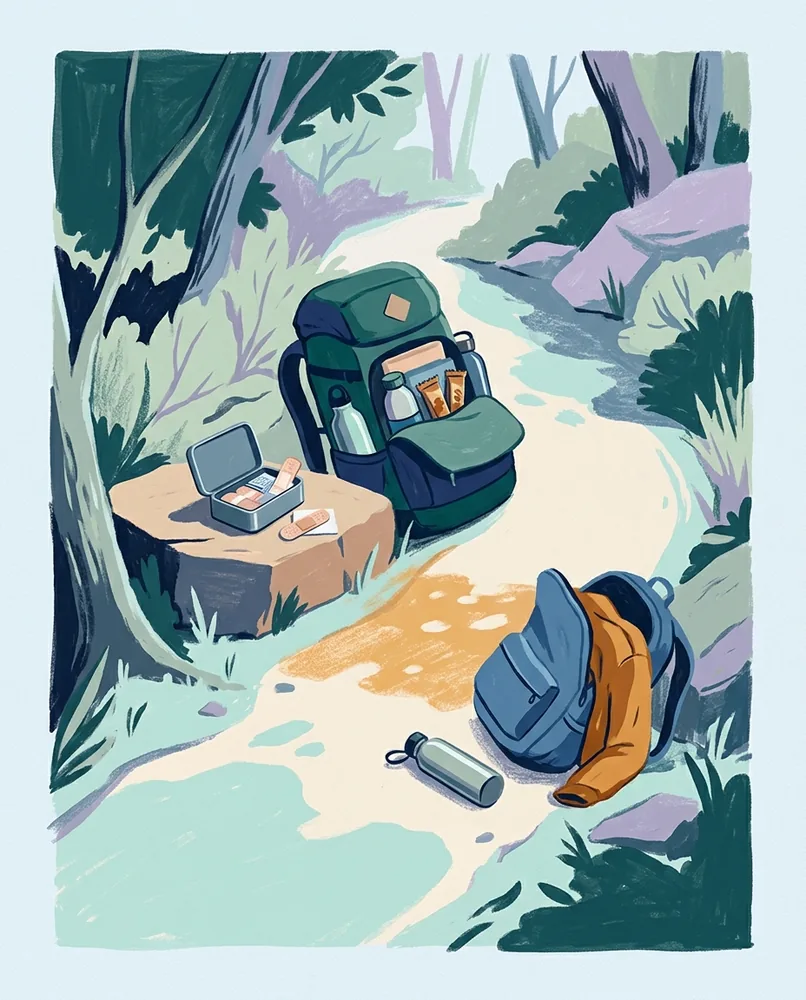
It’s a snowy Sunday evening in February, and a friend’s car won’t start in a grocery store parking lot. She has other friends. She calls the one who’s likely to pick up on the second ring, arrive with jumper cables and a thermos, and not say a word about the headlights she left on. If an ISFJ is often the one who gets that call, the rest of this will probably sound familiar.
The Caretaker friendships often grow through accumulated evidence. They remember the story behind a friend’s decision, check in after a difficult appointment, keep a tradition alive, and notice when someone has gone unusually quiet. They may not need constant contact to feel close, but they tend to treat shared history as important. The friendship is not only what happened today; it is everything they have shown one another over time.
That steadiness is a gift, but it can create a quiet misunderstanding. They may experience care as showing up, anticipating needs, and making life easier. A friend may appreciate all of that and still wonder what is happening inside them. The more capable and undemanding they appear, the easier it is for people to assume they need nothing in return. Healthy friendship asks both people to close that gap.
Making friends
1/4Read
How friendship begins slowly

ISFJ friendships often begin slowly, in places they return to: the coworker at the next desk, the parent at Saturday soccer, the neighbor whose packages they bring inside. Repetition gives them a chance to observe character without forcing intimacy. They notice whether someone keeps their word, remembers what matters to others, and treats people with consideration when there is nothing to gain.
One day, after enough ordinary moments, they may realize they would drive this person to the airport at dawn. This pace can be misread in both directions. Someone may overlook them because they are not competing for attention, while they may mistake unfamiliarity for lack of possibility.
What makes trust feel natural

A low-pressure invitation—a regular walk, coffee after work, a shared errand—often suits an ISFJ better than trying to perform instant openness. They build trust by giving a little, seeing how it is received, and giving a little more. Their higher Agreeableness, the trait behind their F, may make them attentive to the small signals that help people feel safe.
They remember preferences, ask the follow-up question, and make room for someone who is quieter or new. People may seek them out even when they do not initiate widely, because their presence can communicate that they will not have to fight to be understood.
Being known, not just welcoming

The cost of this welcome is that they can become the easy person to approach without becoming equally known. They may learn a great deal about other people while offering only the edited version of themselves. Friendship needs more than being a comfortable landing place for someone else.
Letting a person see their uncertainty, opinions, disappointments, and ordinary news gives them a chance to care for them rather than merely benefit from their care.
Keeping a circle that fits

Their circle may stay small: a few close friends and a wider ring of friendly faces. Someone more outgoing may host the large game night, while they would rather have two friends over with good snacks and enough time for everyone to finish a thought. That is not a smaller version of friendship. It is a different allocation of attention.
A larger network can create more contact without creating more closeness. A small circle can run deep, especially when the relationships include both reliability and room to change.
The danger is not having too few friends by some outside standard. It is allowing a small circle to become so important that they tolerate one-sidedness, avoid making new connections, or feel responsible for preserving every relationship by themselves.
Part of the Personality Type reportThe rest of this chapter is in the Personality Type report
The Caretaker often builds friendship through steady acts and shared history, while being dependable can conceal their own need for care.
The Personality Type report gives you the whole guide to your own type, read alongside your own results, so you can see how your patterns affect work, relationships, and daily decisions.
Free interpretation of your answers when you sign in The full report is $30.
