

How can someone tell when The Caretaker has fallen for someone? Look for the small evidence. Their favorite snack appears in the pantry. The details of their week are remembered. A difficult errand gets handled before they have to ask. Love may feel less like a declaration than a porch light left on: steady, practical, and there when they need it.
That way of caring is easy to underestimate, including by the person offering it. They may be saying “they matter” through preparation, loyalty, and attention to ordinary needs. Someone else may be waiting to hear it in words, affection, spontaneity, or visible enthusiasm. Neither person is necessarily missing the love. They may simply be speaking it in a form the other person has not learned to recognize.
Dating
1/4Read
Where they meet people
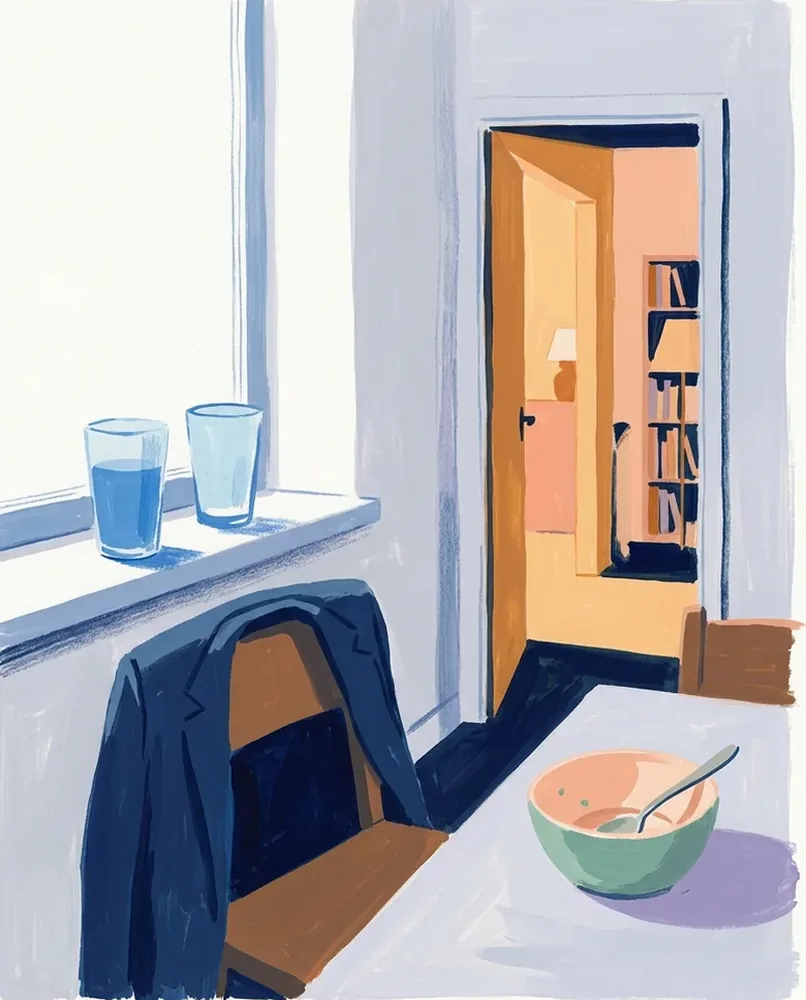
Meeting someone new may not feel like their favorite sport. Loud bars and dating apps that reward a clever opening line can ask them to perform before they have enough information to feel interested.
They may prefer meeting through a friend, a volunteer shift, a familiar café, or a gathering where they can notice how someone treats people when there is nothing to gain. This preference is not necessarily shyness. It may be a wish for context. They want to see whether a person is considerate, dependable, and comfortable being ordinary—not only whether they can make a strong first impression.
What first dates reveal
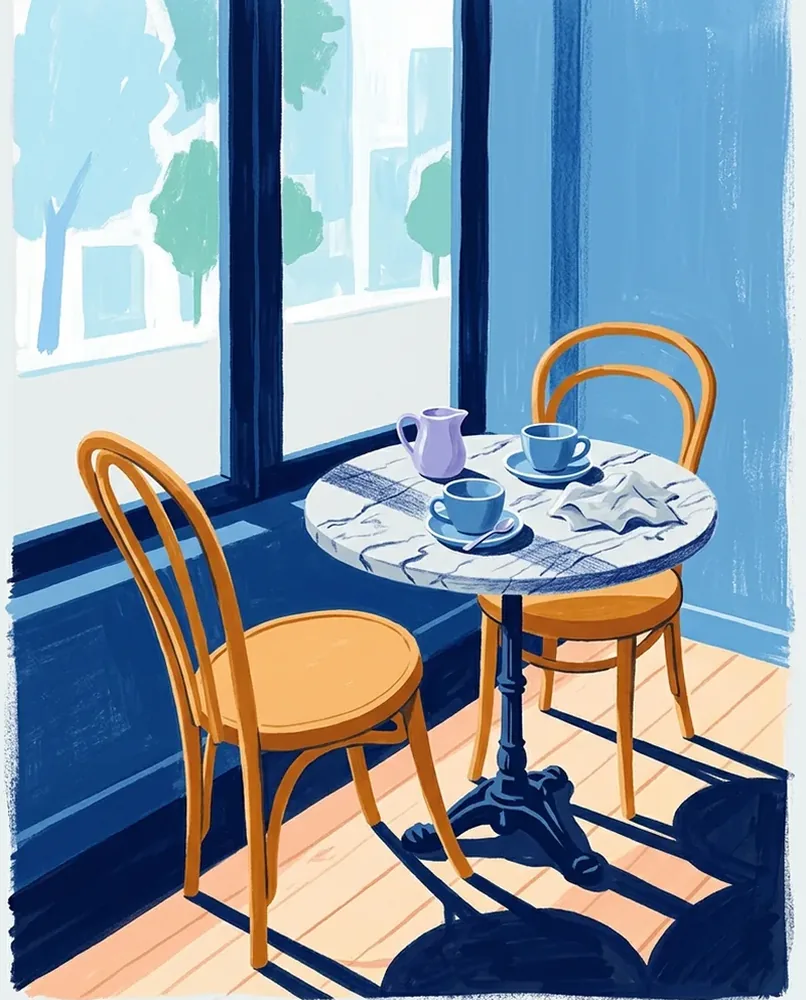
A good first date is often simple and real: coffee somewhere quiet, a walk through a market, or a meal in a place where the setting will not compete with the conversation. They may learn more from what someone’s Sundays look like than from their grand theory about life. How do they handle a delay? Do they listen when the topic is not about them? Do their stories match their behavior?
Their attention to practical details can help them notice compatibility early. The cost is that they may judge the possibility too quickly by whether the evening felt smooth. A person can be nervous and still be good for them; a polished date can conceal unreliability. Let patterns matter more than one imperfect performance.
When plans matter

They may also arrive with a plan: checking the parking, knowing when the place closes, and keeping a backup in case the weather changes. Planning creates room for connection because they do not have to spend the evening solving avoidable problems. But when a date is half an hour late without a message, it may bother them more than they show.
The issue may not be the lost time alone. It can feel like evidence that the other person did not consider the time and effort they set aside. Naming that plainly is more useful than pretending it did not matter. Stating that a quick text would have helped gives the other person a chance to understand the meaning behind the preference.
How trust develops

The early months may move slowly, and often on purpose. They are watching whether this person does what they say, follows through when the excitement fades, and treats small agreements as real agreements. They may be drawn to someone more outgoing or spontaneous than they are; different social energy does not automatically create a problem.
What matters is whether the difference can be negotiated. A lively partner may bring them into new experiences, while they may give the relationship steadiness and continuity. The danger is mistaking chemistry for evidence. Attraction can open the door, but trust is built from repeated behavior.
Part of the Personality Type reportThe rest of this chapter is in the Personality Type report
The Caretaker often gives love through remembered details and practical devotion, while a partner may miss feelings that remain unspoken.
The Personality Type report gives you the whole guide to your own type, read alongside your own results, so you can see how your patterns affect work, relationships, and daily decisions.
Free interpretation of your answers when you sign in The full report is $30.
