

It’s the night before the first day of kindergarten. The backpack has been by the door since dinner, the new jacket has a name label sewn in, and someone is drawing the family cat on a napkin for the lunchbox because their child mentioned being nervous about eating with strangers. If that scene feels familiar, an ISFJ may recognize the particular mix these letters can bring to parenting: warmth made visible through preparation. They do not only love their child in the abstract. They remember what comforts them, notice what they forgot, and try to make tomorrow gentler before tomorrow arrives.
That care can give a child an unusually strong sense of being known. But every strength has a second edge. Protection can become overmanagement. Keeping the peace can make honest disagreement harder to learn. A dependable routine can quietly turn into a message that the family is safest when everyone stays predictable. The work is not to become a different kind of parent. It is to let their care keep changing as their child does.
The home they build
1/4Read
Routines that hold life together

An ISFJ’s home may run on patterns that make life feel held together: dinner around six, bath, book, bed, in that order; permission slips in one place; tomorrow’s clothes chosen before the morning rush. Children often know where they stand in a home like this. The rules are not invented afresh with every mood, and ordinary days have a reassuring shape.
That consistency is more than efficiency. It tells a child that someone is paying attention and that the future is reasonably navigable. The cost of the same strength is that disruption can feel like irresponsibility, even when it is simply part of growing. A child who resists the schedule may not be rejecting their care. They may be showing the ISFJ that the routine now needs to include more choice.
Care they can see
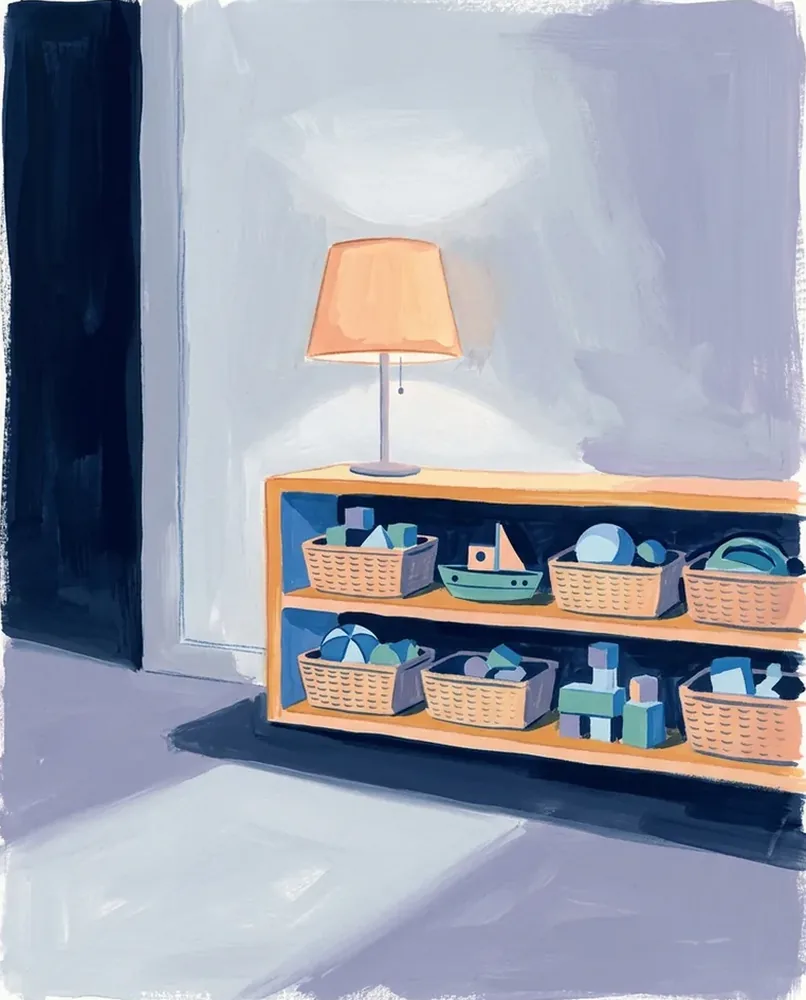
The Caretaker’s affection may arrive in practical form: spare mittens in the glove box, favorite pajamas washed in time for the sleepover, a snack packed for the long ride, the bandage with the cartoon dog because that is the one that works.
Their child may not realize for years how many small problems were handled before they could become frightening or inconvenient. This is one of an ISFJ’s quiet gifts: turning love into conditions in which another person can feel safe enough to explore.
But practical care is easiest for them to measure because it has a visible result. Emotional care sometimes asks for something less tidy: sitting beside a disappointed child without fixing the disappointment, or saying “I understand” before offering a solution. If every painful feeling is quickly managed, their child may learn that distress is a problem to hide rather than an experience they can bring to them.
Traditions that can change

An ISFJ may also become the keeper of family continuity. They remember rituals, recipes, milestones, school requirements, the story behind an ordinary object, and exactly which traditions make each person feel included. This can make family life feel rooted rather than accidental. It can also make change feel personally disloyal, as if altering a tradition means diminishing the people who began it.
A useful question is whether a practice still expresses the value it was meant to protect. If the old Sunday meal was about belonging, perhaps belonging can survive a different menu, a rotating host, or a shorter gathering. Sometimes the most faithful way to preserve care is to change its form.
Peace without silence

The Caretaker may be especially sensitive to tension in the household and quick to absorb it. They smooth the exchange, adjust the plan, or take on an extra task so the day can continue pleasantly. That can be generous, but peace is not the same as health.
Children learn not only from whether conflict happens, but from whether adults can disagree without withdrawing love, state a boundary without humiliation, and repair what went wrong. A calm household is not one in which nobody has difficult feelings. It is one in which difficult feelings can be spoken without threatening belonging.
Letting their child see a respectful disagreement may feel less protective than preventing one, but it teaches a deeper form of safety: relationships can bend, be honest, and still hold.
Part of the Personality Type reportThe rest of this chapter is in the Personality Type report
The Caretaker often turns care into preparation, while learning when protection helps a child grow and when it begins to limit independence.
The Personality Type report gives you the whole guide to your own type, read alongside your own results, so you can see how your patterns affect work, relationships, and daily decisions.
Free interpretation of your answers when you sign in The full report is $30.
