

Field Day, 8:15 a.m. The cones are out, the relay stations are numbered, and every class has a card with its rotation times on it. The parent volunteer behind all of it is now showing a row of second graders how to hop in a burlap sack without tipping over. For a parent with The Organizer letters, a morning like that can feel less like a chore than a satisfying problem: make the day work, make sure everyone is included, and leave the children with a good memory of what they did together.
That instinct can give a family dependable ground. It can also create a quiet misunderstanding. They may experience routines, reminders, and practical help as love in action. Their child may experience the same things as pressure, especially when they need time to be messy, uncertain, slow, or different from them. Parenting well is not choosing between standards and warmth. It is learning how to make their standards feel like support rather than a verdict.
The home they build
1/4Read
Make expectations visible
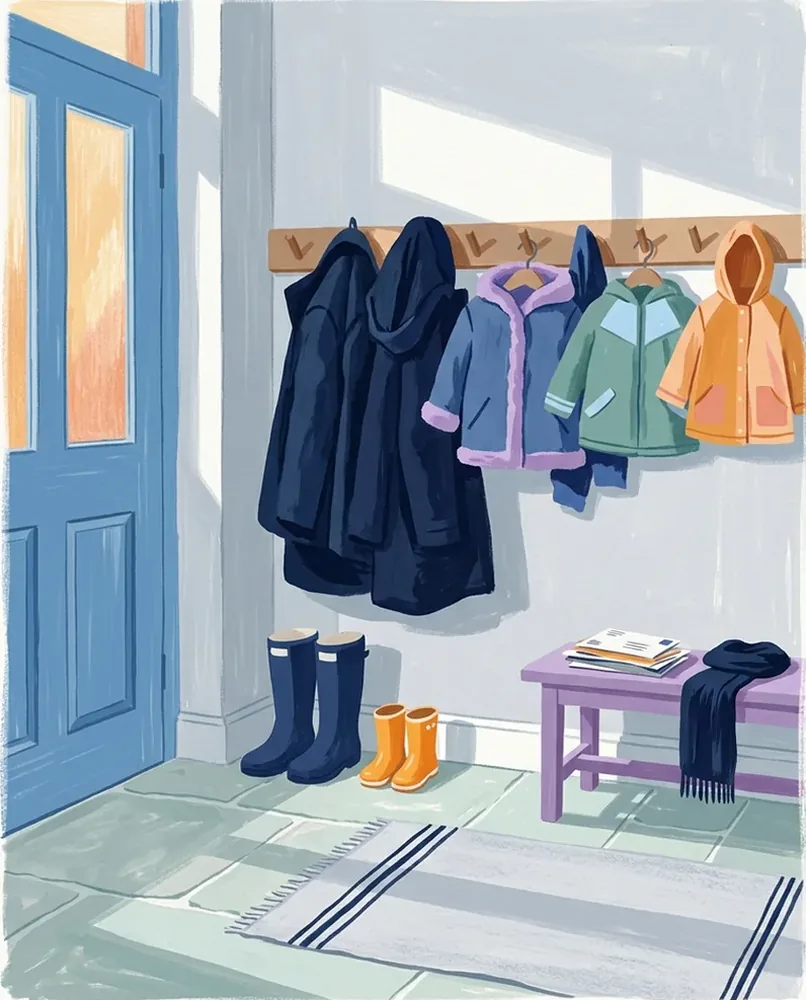
Their home may run on a rhythm: dinner around 6, homework before screens, and a chore chart on the fridge whose boxes actually get checked. Expectations are likely to be visible and concrete.
Children do not have to guess what “be responsible” means when the next step is written down and the rule is mostly the same on Tuesday as on Saturday. That predictability can be especially reassuring when the rest of a child’s world feels large and changeable.
Leave room for mistakes
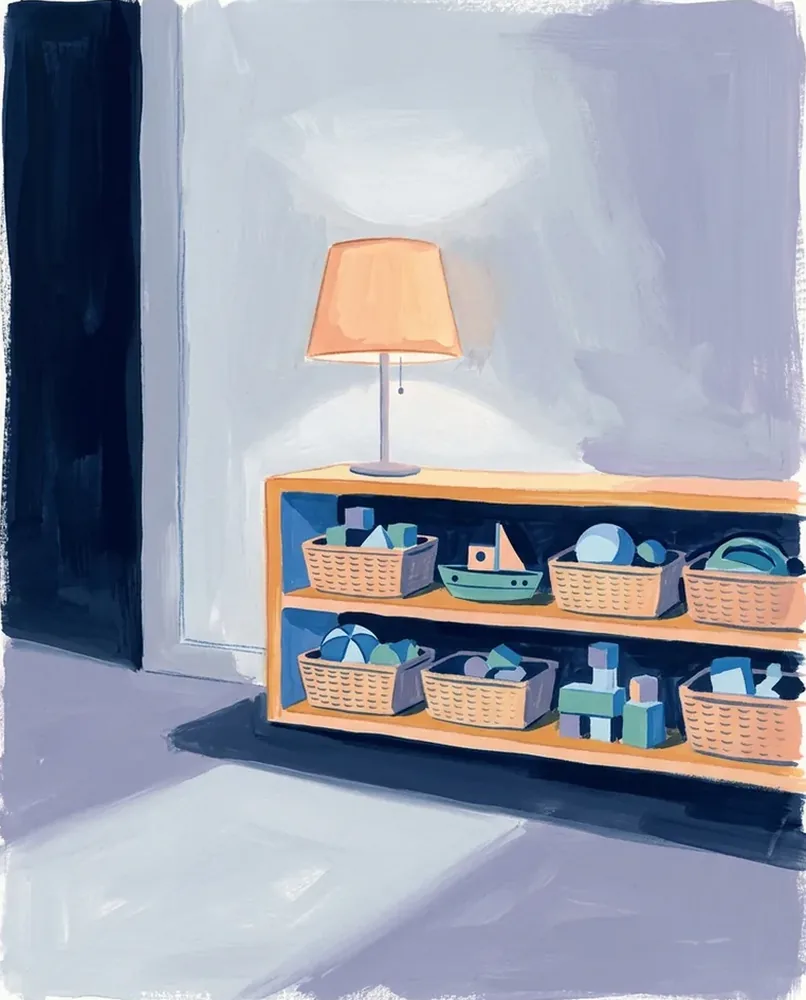
The cost of the same strength is that a household can begin to feel like a performance review. If every untidy room, forgotten task, or inefficient choice receives immediate correction, a child may learn to hide mistakes instead of learning from them.
Before correcting, it can help to ask: Is this unsafe, unfair, or important today—or is it simply not how they would do it?
Participation without pressure
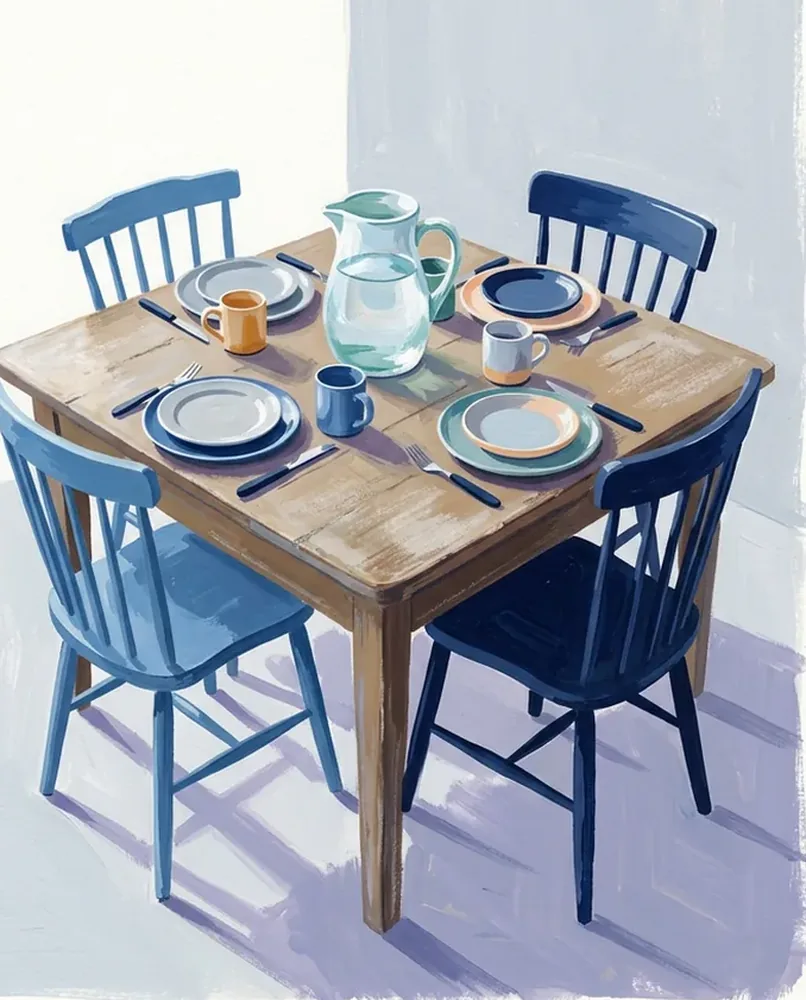
It probably is not a quiet house, either. The driveway may fill up on a holiday, the kitchen may host the team dinner, and their children may be brought along to the park cleanup with work gloves in their size. They often show care by making family life participatory: everyone has a role, practical work becomes shared pride, and a child learns that belonging includes contributing.
That is a powerful lesson, but not every child experiences a crowd as connection. Some need an invitation without an obligation, or a smaller role before they are ready for the main event. They can invite the child to help set up and then decide whether to stay, preserving participation while giving the child control over their energy.
Keep competence from becoming proof
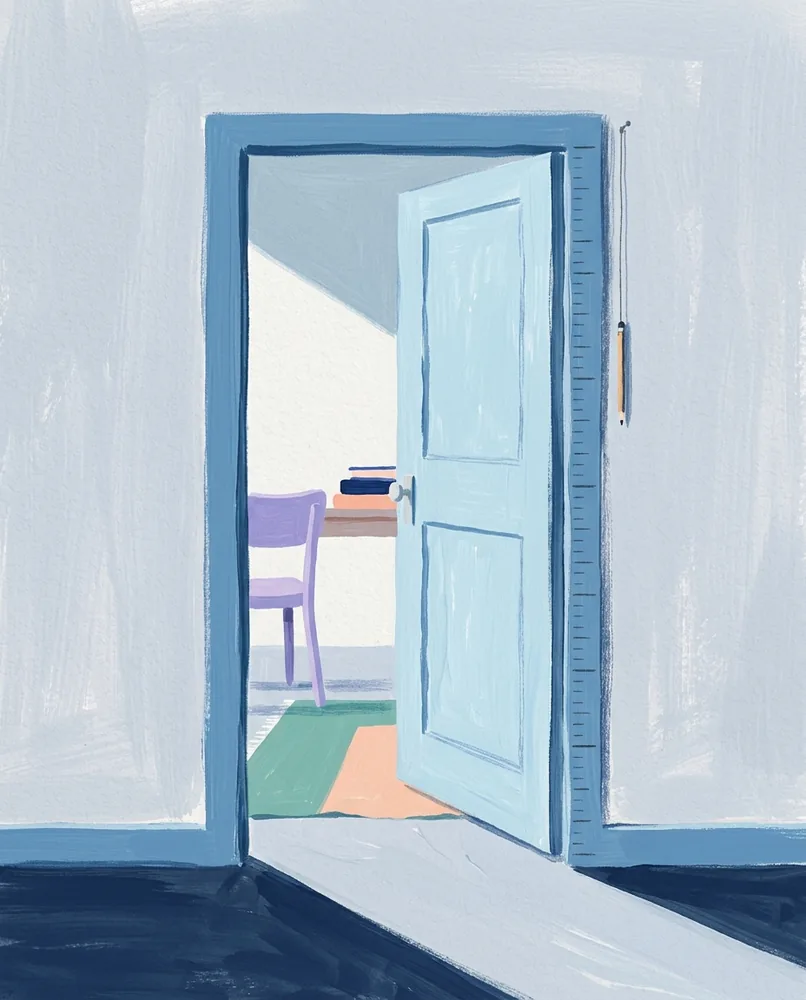
Their standards may come from a generous place. They want children to become capable, reliable people who can keep promises, notice what needs doing, and recover when life gets inconvenient. The danger is allowing competence to become the main evidence that everything is going well.
A child can be loved and still be learning. They can be responsible in one setting and overwhelmed in another. They can need a reminder without needing a lesson about their character. They can describe the behavior without turning it into a judgment about the child’s character, such as noting that the permission slip remains unsigned instead of calling the child careless.
Warmth does not weaken accountability. It gives a child enough safety to admit what went wrong, repair it, and try again.
Part of the Personality Type reportThe rest of this chapter is in the Personality Type report
With The Organizer, family standards can become practical support, unless reminders and expectations leave a child feeling judged instead of guided.
The Personality Type report gives you the whole guide to your own type, read alongside your own results, so you can see how your patterns affect work, relationships, and daily decisions.
Free interpretation of your answers when you sign in The full report is $30.
