

The contractor said the kitchen would take two weeks. It is week five. The sink is in the garage, the schedule on the fridge has been crossed out so many times it is mostly ink, and dinner has come on paper plates since the Fourth of July. For someone with The Organizer letters, the mess may be irritating. But a plan that no longer means anything can be more draining than the mess itself. Stress often arrives when effort stops producing dependable results: when authority is unclear, commitments cannot be trusted, or every finished task may need to be done again. Understanding that pattern can help them distinguish between the activity that restores them and the activity they use to avoid stopping.
What drains them
1/3Read
When plans stop holding
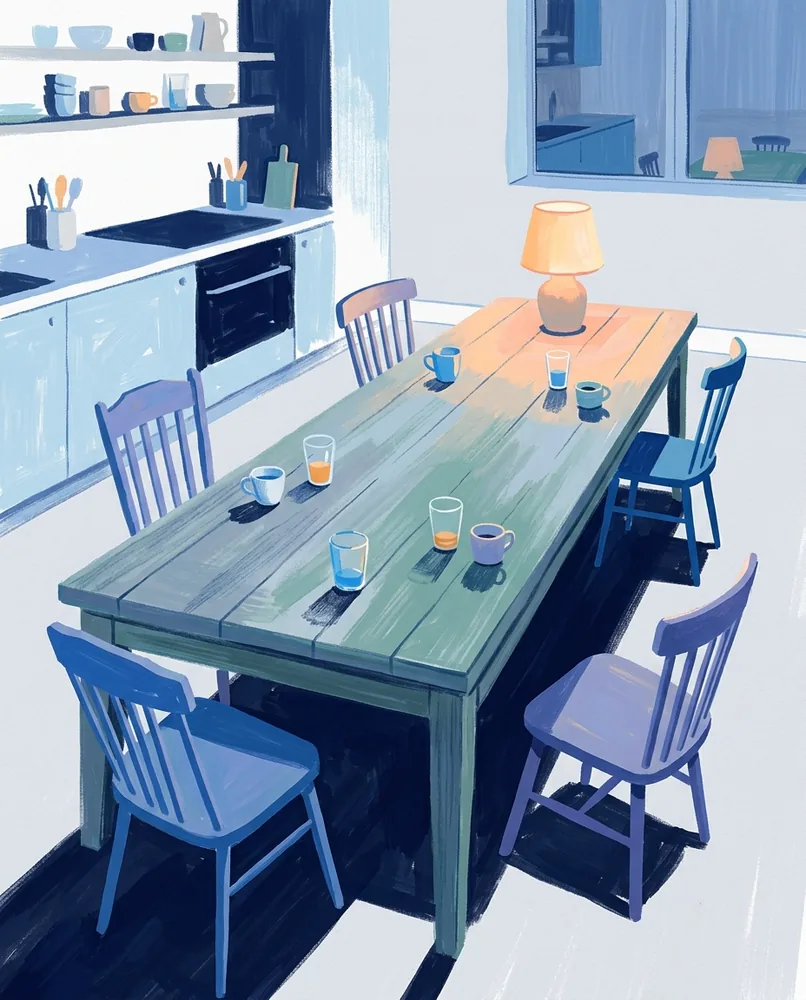
Plans that fall apart without warning tend to use up their energy. A closing date on the house slides three times. A teammate says “done” about work that is not done. A trip is rebooked by someone else without telling them. Each event creates more than a new inconvenience: it forces them to redo work they had already completed in their head.
They may have pictured the sequence, assigned the responsibility, and mentally moved on. When the sequence breaks, their mind has to reopen decisions that felt settled.
Solitude without purpose
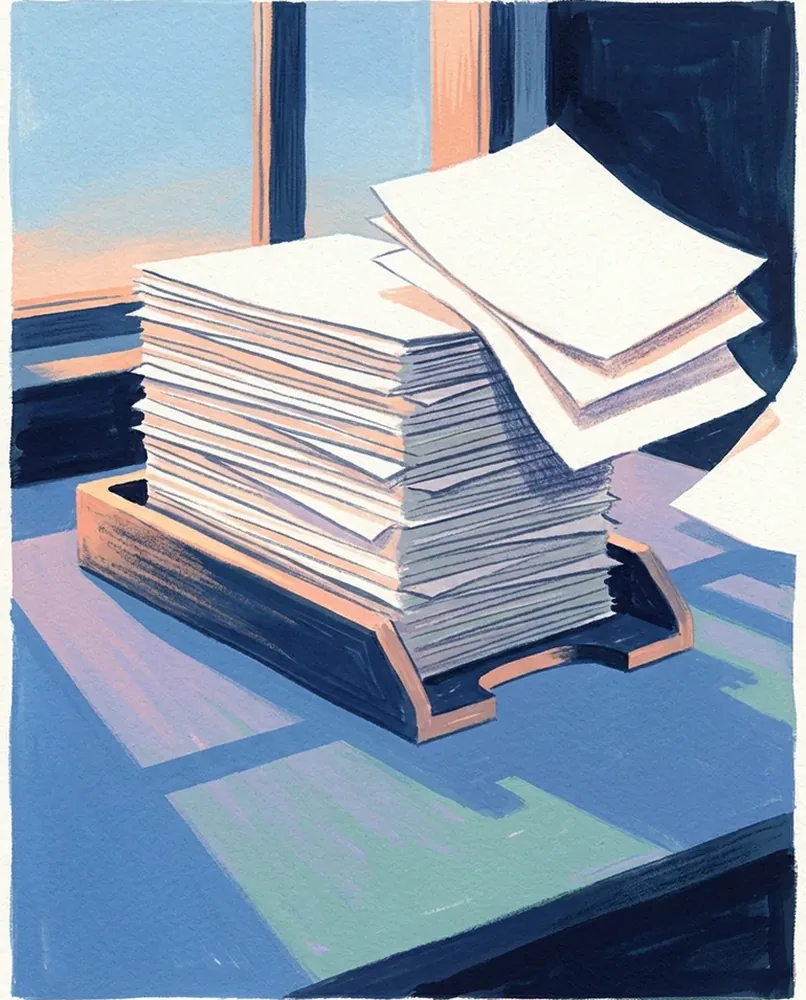
Too much time alone can drain them too, especially when it has no purpose attached to it. A week at home with a sprained ankle, the calendar cleared and the phone quiet, may leave them reorganizing the spice rack by Wednesday simply to have something to run.
This does not mean they cannot enjoy solitude. Solitude with a project, a clear question, or a useful recovery goal may feel very different from being cut off from movement, contribution, and ordinary contact.
Change and suspended decisions
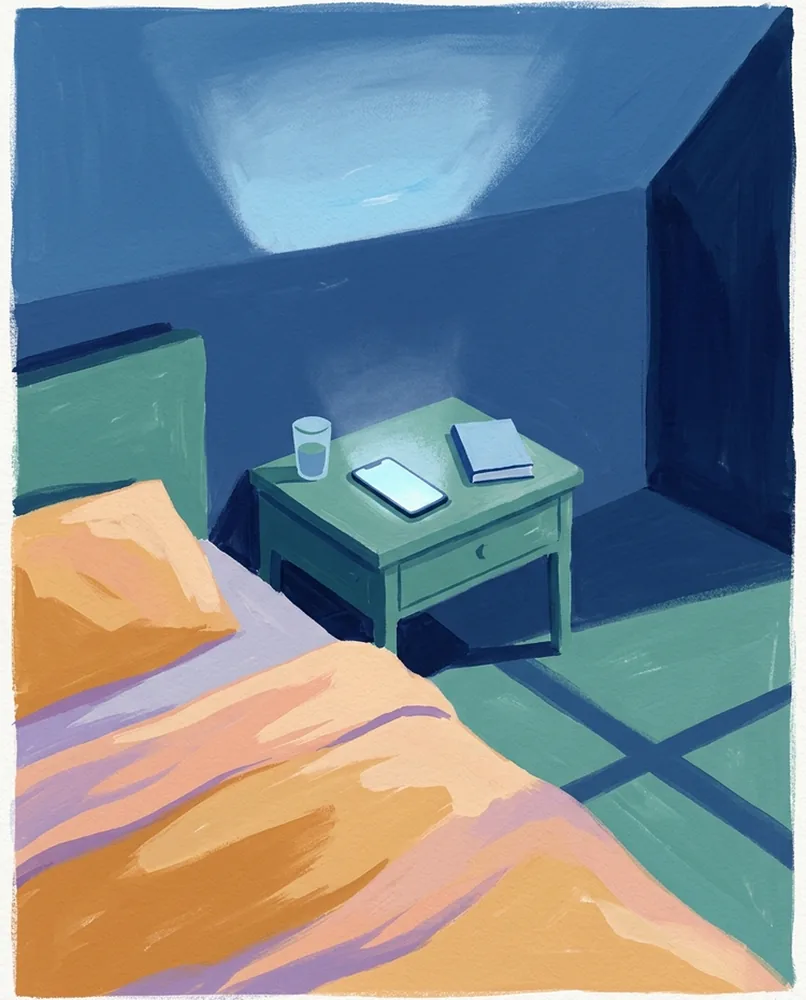
Too much change at once can be tiring even when each change is reasonable. After a move, the grocery store, route to work, dentist, and gym may all be unfamiliar in the same month. When nothing runs the way it used to, even a Tuesday errand requires planning.
Familiar routines are not necessarily rigidity; they are stored decisions. They free their attention for the people and problems that actually need them. Remove too many of them at once and ordinary life becomes a series of small negotiations.
A group that will not decide can be its own kind of exhausting. A week of family messages about where to hold their mother’s birthday, with nobody willing to choose a place, may take more out of them than a long day of actual work.
They may feel the unfinished decision sitting in the background, generating more messages and narrowing the time available to act. Others may experience their eventual decision as controlling. From their side, it may feel like taking responsibility for a process everyone else has left suspended.
Part of the Personality Type reportThe rest of this chapter is in the Personality Type report
The Organizer may feel most strained when effort produces no dependable result, then mistake constant activity for the recovery that order could provide.
The Personality Type report gives you the whole guide to your own type, read alongside your own results, so you can see how your patterns affect work, relationships, and daily decisions.
Free interpretation of your answers when you sign in The full report is $30.
