

For some people, a second date is a maybe. With The Organizer tendencies, it might already have a day, a time, and a backup restaurant in case the first one is full. That does not mean romance runs on a spreadsheet. They may show interest by making plans, arriving when they said they would, and turning good intentions into something another person can rely on.
They often experience affection as movement toward a shared life. A plan is not necessarily an attempt to control the future; it may be their way of saying, “I am taking this seriously enough to make room for it.” The important relationship question is whether the other person experiences that structure as an invitation—or as a decision they were expected to join.
Dating
1/4Read
Where plans begin

They may meet people where people are already gathering: a friend’s backyard birthday, a neighborhood event, a recreational league, or a coworker’s wedding where they somehow end up organizing the music. Dating apps can work too, especially once the conversation turns into an actual plan.
They may be the person who suggests a place, names a day and time, and checks the practical details before the other person has decided whether the date is even happening. That decisiveness can be attractive. It reduces the vague back-and-forth that makes interest difficult to read.
Making and assessing dates
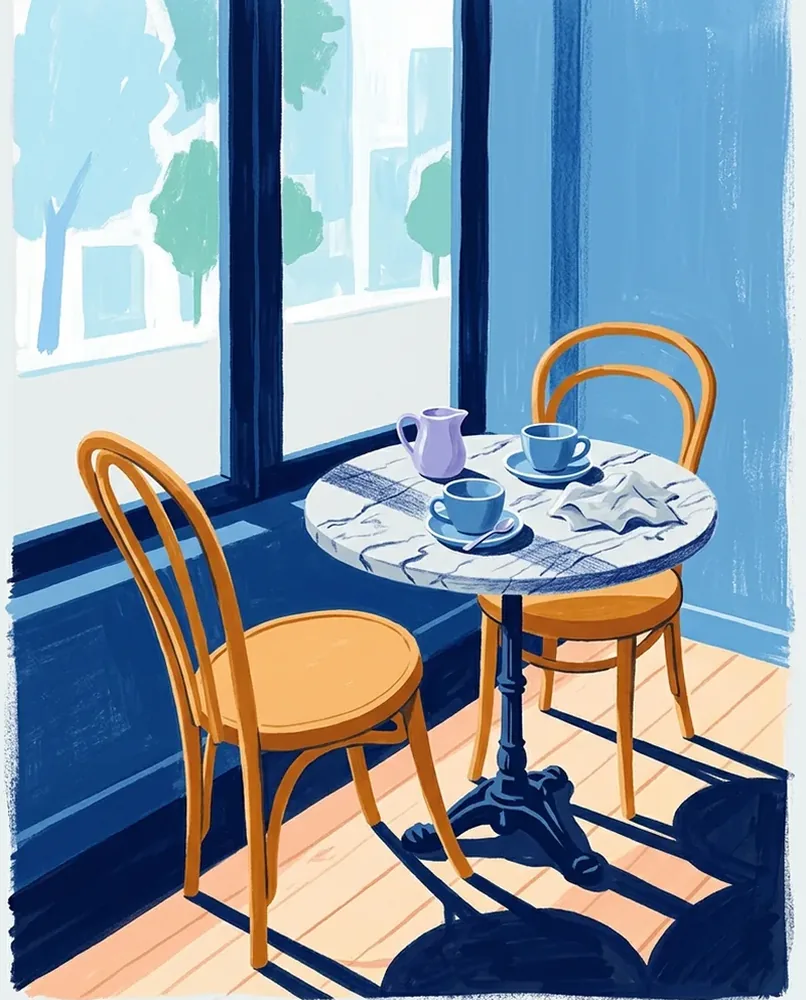
The cost of the same strength is that another person may need more room to discover what they want. A clear invitation is helpful; a fully designed evening can leave little space for their preferences to shape it.
A good first date may come with something to do: a ballgame, a farmers market, a familiar restaurant, or an activity that gives the conversation somewhere to go. They may prefer a place with a menu, reliable reviews, and a reasonable way to get there over a pop-up experience built around surprise.
Shared activity can make it easier to observe how someone handles small frustrations, decisions, delays, and other people. This is useful information, but it is not the whole person. Someone who is quiet in an unfamiliar setting may become lively once trust develops.
What clarity requires

Someone who seems easygoing may simply be avoiding conflict. Their instinct to assess whether something works can make dating efficient, but intimacy eventually asks a different question: not only “Is this a good fit?” but also “What does this person need so they can be fully themselves with me?”
Planning is part of how they show up. They may check the parking, make the reservation, know when the event ends, and want to understand where things stand after a few dates. Is this becoming a relationship? Are you seeing other people? To them, asking may feel like ordinary courtesy: clear information lets both people make honest choices.
Someone who prefers to let things unfold may experience the same question as pressure. Neither response is automatically more mature. They are asking for clarity because uncertainty consumes energy; the other person may be protecting a slower process that helps them notice their feelings. They can state that they are interested in seeing where the relationship goes while making clear they want to know if the other person seeks something different.
Different social appetites

They may also be more socially energized than the person they are dating. They could work the room while the other person makes friends with the host’s dog, or want a full Saturday of plans while that person needs an evening at home afterward. Differences in Extraversion are common and do not by themselves predict whether a relationship will work.
The more important issue is interpretation. They may read the other person’s quietness as disinterest, while that person reads their social momentum as a refusal to slow down. Ask what restores each of you, how much social time feels good, and whether time apart is being treated as rejection. A relationship does not require identical appetites; it requires enough respect that neither person has to apologize for theirs.
Part of the Personality Type reportThe rest of this chapter is in the Personality Type report
Planning often means commitment to The Organizer, although clear direction can feel like a decision made before a partner has joined it.
The Personality Type report gives you the whole guide to your own type, read alongside your own results, so you can see how your patterns affect work, relationships, and daily decisions.
Free interpretation of your answers when you sign in The full report is $30.
