
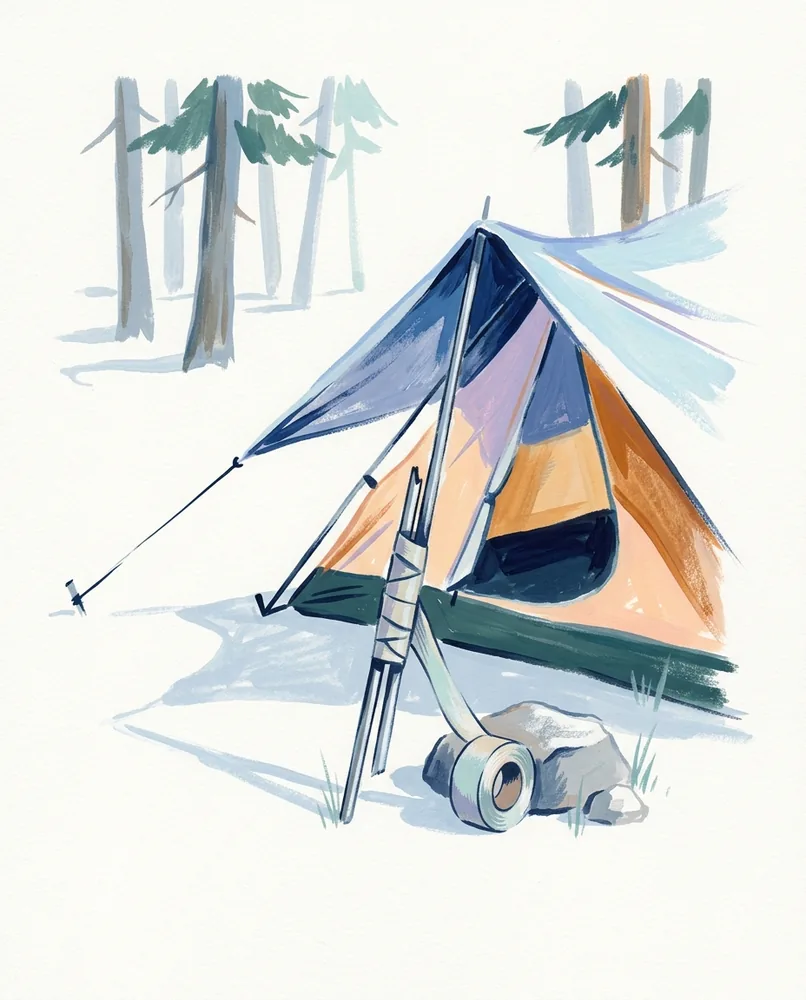
At 11 p.m. on a Sunday, a message lands in the group chat: a friend’s car has died two hours from home. Before anyone has finished discussing the problem, you have found a tow strap, called someone to ride along, and started the engine. If you are an ESTP, friendship may feel most natural when it becomes something you do together. You show up, make the call, bring the solution, or turn a dull night into a story worth telling. That is a real form of care. The important question is whether the people close to you can recognize it—and whether you can recognize the kinds of care they are offering back.
Making friends
1/4Read
Friendship through shared activity
Their friendships often begin side by side, doing something. It might be another volunteer who ends up directing traffic with them, a coworker who gets paired with them on a difficult shift, or a neighbor who comes over to watch them fix something and stays for dinner.
Shared activity gives them useful information quickly: Can this person keep their word? Can they laugh when plans go wrong? Do they contribute, or only watch? Shared activity tends to be the doorway, and the talk comes through it later.
A wide social world
They may also build a wide social world without experiencing it as superficial. Different people can belong to different parts of their life: the person for live music, the person for a project, the person who always answers when something goes sideways, and the small number they trust with the parts of themselves that are less entertaining.
Their ease with people makes new connections feel available. It does not obligate them to give every connection the same depth.
When momentum creates distance
The cost of this ease is that friendship can become too dependent on proximity and momentum. They may assume that someone is still close because the chemistry is unchanged whenever they meet, while that person experiences the long silence between meetings as distance.
A friend may also mistake their ability to be lively with almost anyone for a promise of personal loyalty. It helps to distinguish liking having a friend in their life from reliably making room for that friendship.
Spontaneity with continuity

Their practical, present-focused style can make friendship refreshingly uncomplicated. They may not need identical beliefs, matching habits, or a carefully planned path to closeness. Someone who says, “Want to get tacos after the game?” can become important faster than someone who schedules a conversation about becoming friends next month.
The best friendships give them room for spontaneity while also creating enough continuity that the relationship does not disappear whenever the next activity ends.
Part of the Personality Type reportThe rest of this chapter is in the Personality Type report
The Daredevil shows loyalty through action, quick solutions, and shared adventure, yet may miss care that arrives without a visible problem to solve.
The Personality Type report gives you the whole guide to your own type, read alongside your own results, so you can see how your patterns affect work, relationships, and daily decisions.
Free interpretation of your answers when you sign in The full report is $30.
