The Daredevil at a glance
One half of the world cannot understand the pleasures of the other.
The power goes out at a packed diner on a Friday night. The grill falls silent, the music cuts off, and every table looks up at once. Before anyone has finished asking what happened, someone is propping open the door, finding flashlights, checking what food can still be served, and giving the room a workable choice: cold sandwiches, pie, or wait it out. That is the instinct behind The Daredevil—not necessarily being loud or reckless, but meeting reality directly and getting something moving.
An ESTP may trust contact with the situation more than speculation about it. Try it, test it, adjust it. They notice what people are actually doing, what resources are available, and where a small decision could change the outcome. To someone watching from the outside, their speed may look impulsive. From the inside, they may have already taken in the road, the mood, the timing, and the likely consequences.
An ESTP’s central challenge may not be learning to act. It may be making enough of their judgment visible that other people can coordinate with them. They can experience themselves as adaptable when others experience them as unpredictable. They may see a plan as a useful draft; someone else may hear their willingness to change it as a sign that their time or trust is not secure.
What drives them
1/4Read
Problems that pull them in

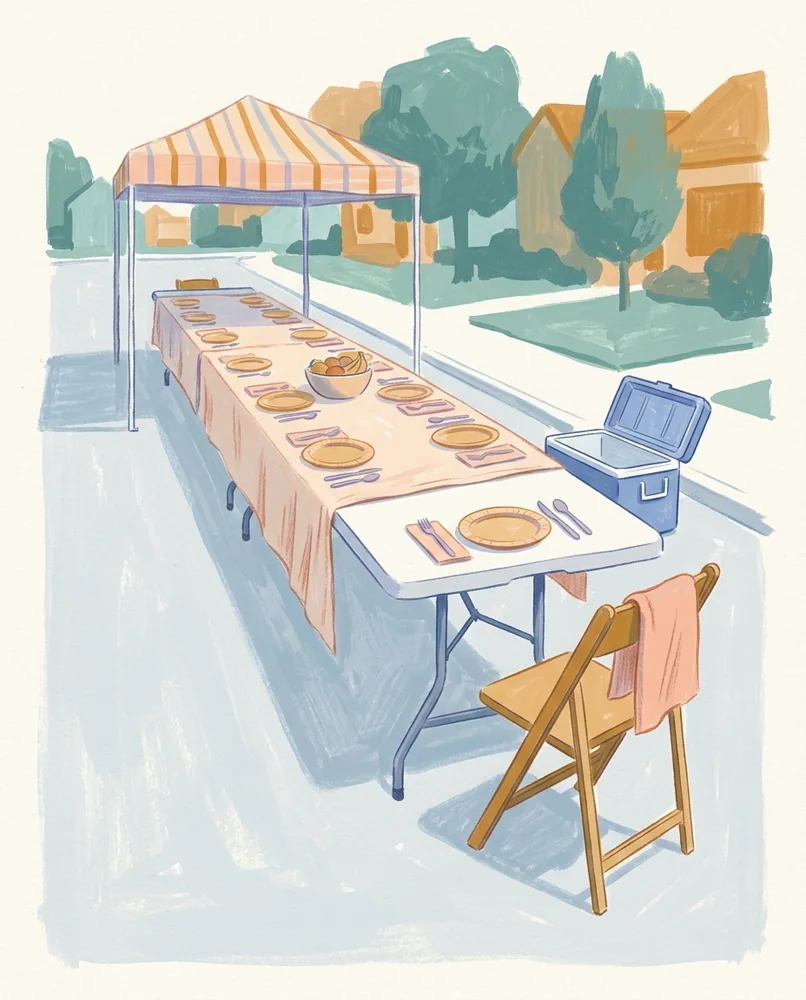
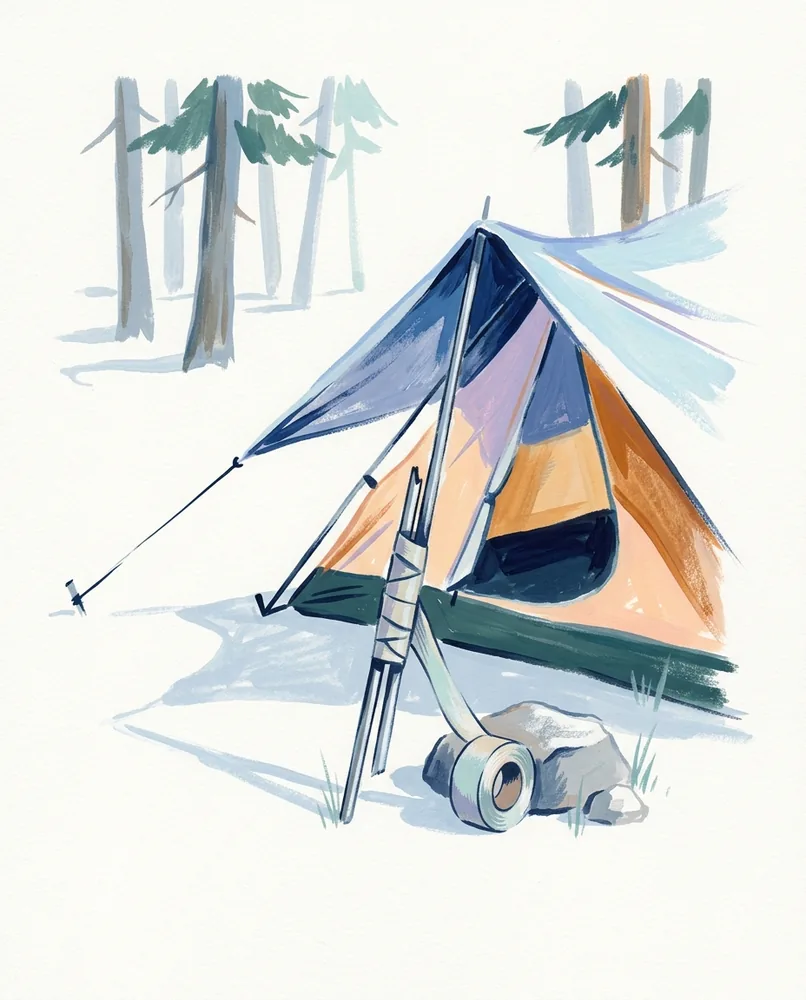
Two things often pull an ESTP’s attention at once: something happening now, and people around while it happens. A day that goes sideways—the canopy arrives without its poles, the grill refuses to light, the event loses its main speaker—may feel more engaging to an ESTP than a day that follows the schedule perfectly. There is a concrete problem, visible information, and an immediate chance to help.
They do not have to imagine usefulness; they can see where to put it.
Energy through shared action

The people part matters as much as the activity. A drive to the coast alone may be pleasant, but add two friends, a cooler, and a wrong turn onto a gravel road, and the mistake can become the story everyone retells. Shared action gives an ESTP’s energy somewhere to go.
An ESTP may think best while talking, moving, bargaining, repairing, competing, or making a decision with other people close enough to respond.
Information they can test

An ESTP’s attention tends to settle on the tangible world: what happened, what works, what is available, and what someone is doing rather than merely saying. They may learn faster by test-driving the car than reading a long review, or by watching someone make the dish than studying the recipe.
This is not a lack of imagination. It is a preference for information that can be checked against experience. A real result gives them something to work with.
Room to change course

An ESTP probably also values room to move. Plans are useful until the conditions change; then continuing to follow them can feel less responsible than revising them. They would usually rather fix the day they have than mourn the day they expected.
The cost is that people who prepared around the original plan may need more explanation than an ESTP thinks. When they change course, they should name the new fact, the decision it led to, and what remains dependable.
How their letters work together
1/4Read
ESTP on four scales
ESTP sits on the Extraversion, Sensing, Thinking, and Perceiving side of its four scales.
The Daredevil pattern

Together, the letters can create a recognizable way of moving through a day: outward attention, practical information, direct judgment, and openness to what develops next. The result is often The Daredevil pattern—a person who prefers to discover the best move through contact with the situation rather than settle every possibility in advance.
Social and immediate decisions

An ESTP’s E and P together may make decisions feel naturally social and immediate. Walking downtown with friends and no dinner plan, they might read the menus, call suggestions over their shoulder, and hold open the door of the third place before anyone has formally voted.
Friends who like a plan may feel swept along. They may also feel relieved that somebody turned a group of preferences into an actual evening. An ESTP’s invitation to act can feel like freedom to one person and pressure to another.
Improvising with what is present

An ESTP’s S and P together often make them an improviser who works with what is present. A planner asks what the plan was; an ESTP is more likely to ask what can be done now. If the caterer is an hour late, chips can come out early and burgers can go on the neighbor’s grill.
Sideways days may be where an ESTP feels most useful because the situation is no longer theoretical. It has exposed its real constraints, and they can respond to those.
Momentum before agreement

An ESTP’s E and S together point their energy toward hands-on things done with other people: a busy restaurant floor, a job site with a radio going, a yard sale where the negotiation is half the fun. They may bond through shared activity more readily than through extended self-disclosure.
Talking about the repair, the deal, or the shortcut that almost worked can be their way of saying, “I was there with you.” Someone who looks for emotional language may not immediately recognize that as closeness. Put the pattern together and you often get a person who sees what is real, decides before every detail is settled, and brings other people into the motion. A stuck situation may start moving soon after an ESTP arrives. The strength is practical momentum.
The cost is that momentum can outrun agreement: they may solve the problem while leaving others unsure why that solution was chosen, what changed, or whether they were part of the decision.
How other people see them
1/4Read
The energy others notice

People may notice an ESTP’s outgoing energy first. They can make a room feel more active simply by responding to it: asking the direct question, starting the game, greeting the stranger, or turning an awkward pause into a joke.
Others may experience an ESTP as confident and unbothered because they are willing to engage before they have complete certainty. Others may not see that they are using the interaction itself to gather information.
The scan behind speed

What people see less easily is the rapid practical scan behind a fast decision. Which road is backed up? What is still in the fridge? How much daylight is left? Who is losing patience?
A quick call can look like no thought at all when the looking happened silently. An ESTP may not experience themselves as rushing; they may feel that the relevant facts have already become obvious.
The experience behind judgment

An ESTP’s judgment may also draw on a library of lived examples that they do not consciously explain. They have seen a similar negotiation stall, a similar machine jam, a similar group hesitate. That pattern recognition lets them move quickly, but it can create a communication gap.
Someone deciding more slowly may need the evidence an ESTP absorbed at a glance. If they say only “Trust me,” others may hear carelessness where they meant competence.
Why loose plans confuse

An ESTP’s loose plans can be misread too. When they say, “Let’s see how the day goes,” they may mean that they want the day to fit the people and conditions actually present. A planner may hear, “This does not matter enough to prepare for.”
Their playfulness can create the same misunderstanding: people may assume they are not taking something seriously until the moment action is needed and they are the first one on their feet. It helps to say what they care about even when they do not yet know the exact plan.
What sets them apart from neighboring types
1/3Read
One letter from ESTP
The neighbors worth comparing

Every type has four neighbors, one letter away. Comparing the ESTP with two of its neighbors can show where the pattern changes. The Fixer and The Organizer are especially useful contrasts: one shares the ESTP’s practical flexibility, and the other shares its outward energy and trust in what works. If one of the scores is close to the middle, parts of either description may feel familiar.
The Fixer’s quiet focus

The Fixer (ISTP) shares an ESTP’s practical eye and easy relationship with changing plans. The difference is often where the energy goes. When the garage door jams at 6 a.m., an ISTP may enjoy lining up the track in quiet concentration before anyone else is awake. An ESTP may want a neighbor steadying the ladder, a cousin on speakerphone, and a running commentary while the same repair unfolds.
Neither approach is more capable. An ESTP’s turns the fix into a shared event; an ISTP’s may protect the concentration that makes the fix satisfying.
The Organizer’s visible structure

The Organizer (ESTJ) shares an ESTP’s outgoing energy and trust in concrete results. Where they often split is timing and structure. An ESTJ may settle the reunion months ahead, assign responsibilities, and keep a backup room available. An ESTP may pull the reunion together that week, read the group as it forms, and enjoy the openings that preparation could not predict.
The Organizer’s way reduces surprises and makes commitments visible. An ESTP’s preserves responsiveness and leaves room for the good surprises. The useful compromise is often to agree early on the essentials, then leave the edges flexible.