
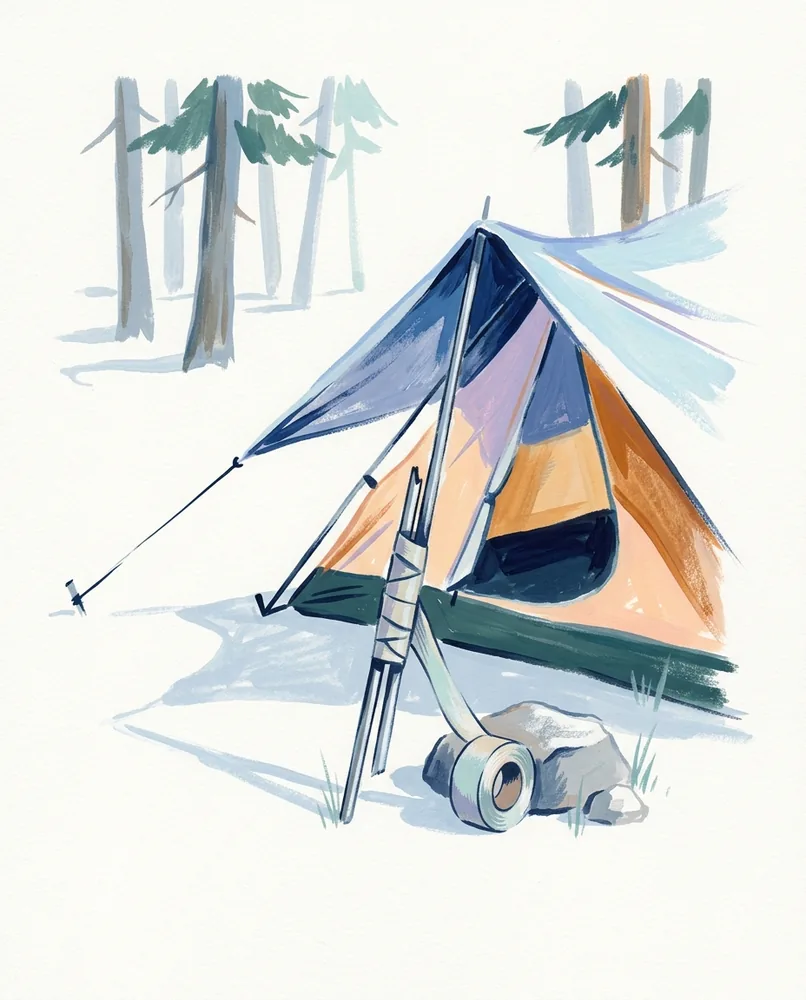
“Can we build a bike ramp?” may be one of the easiest yeses in an ESTP’s house. A sheet of plywood comes out of the garage, helmets appear, and the afternoon becomes a small adventure. Parenting with these letters often feels hands-on, energetic, protective, and open to whatever the day brings.
Their instinct is usually to make life vivid and manageable at the same time. They teach by showing, solve problems without much ceremony, and help children discover that mistakes are often recoverable. The tension is that children do not always need a solution or an exciting experience. Sometimes they need a calm adult who will stay with a feeling, repeat a limit, or do the same ordinary thing tomorrow.
The home they build
1/4Read
A home that gathers people
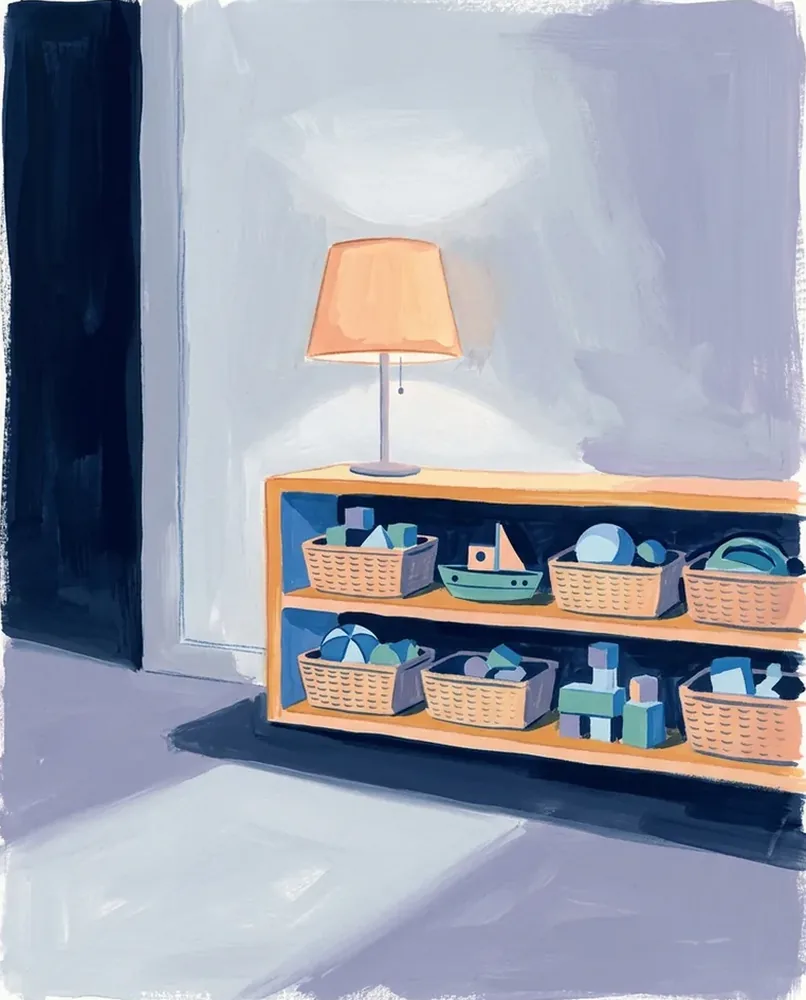
An ESTP’s home may become a place where people gather almost by accident. The garage door stays open, a half-built project sits on sawhorses, and dinner stretches to include whoever has arrived. They may be good at making children feel welcome without making belonging feel formal.
There is room for noise, movement, experimentation, and the kind of learning that happens when everyone is allowed to participate.
Freedom with a dependable frame
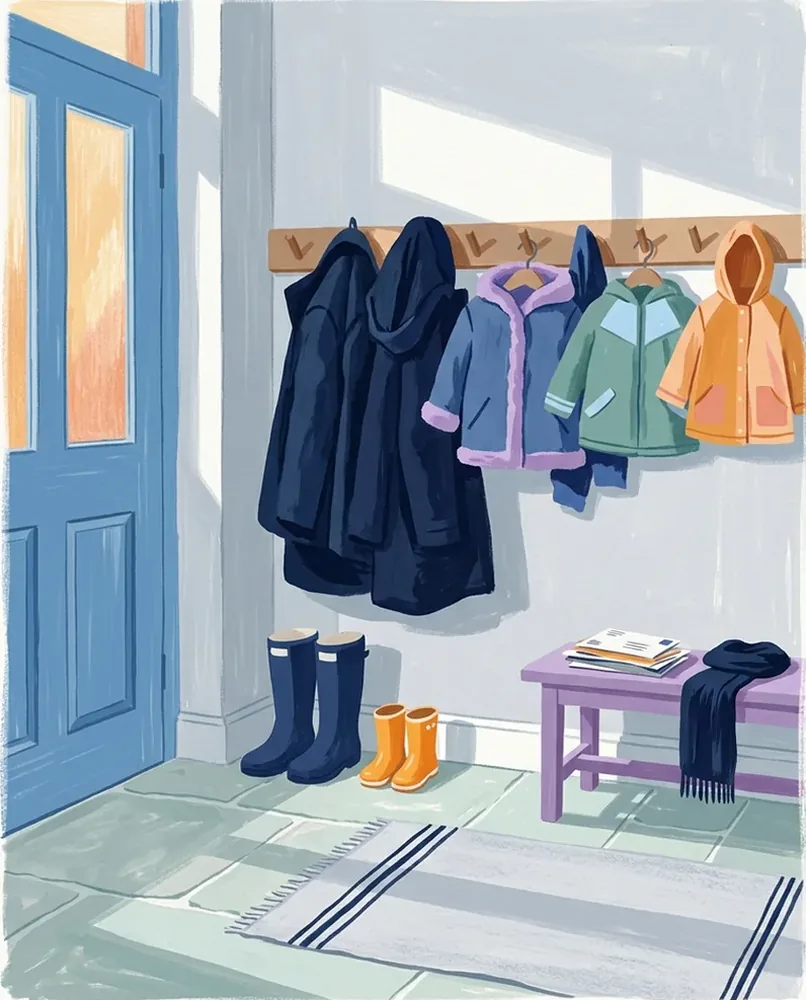
An ESTP’s rules are likely to be practical rather than elaborate: wear a helmet, do not throw balls in the kitchen, come home when the streetlights come on. They may prefer judgment and real-world consequences to a long list of restrictions. That can build confidence and resourcefulness.
The cost is that children may not always know which expectations are firm and which ones depend on the ESTP’s mood, energy, or how interesting the day has become. A few clearly stated rules, applied consistently, give their freedom a dependable frame.
Teaching through shared activity
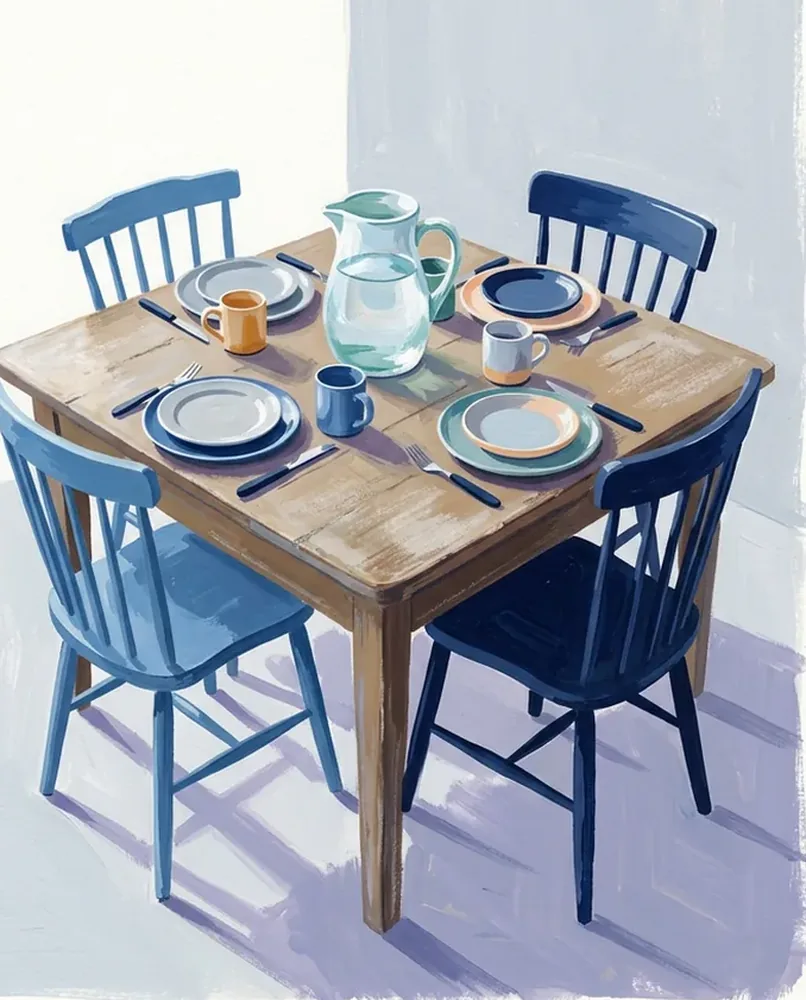
An ESTP’s Extraversion and practical focus can make teaching feel like a shared activity rather than a lecture. A child may pass them a wrench while they repair a mower, help make change at a yard sale, or learn to cook beside them at a crowded block party.
They tend to let them try before they feel completely ready, which can teach courage more effectively than reassurance alone. But demonstration is not always enough. After the activity, a few words about what they noticed, what went wrong, and what the child felt can turn an exciting event into lasting understanding.
When competence shows love

They may also bring a valuable realism to family life. When plans fail, an ESTP is often the person who looks around, uses what is available, and gets everyone moving again. Children can experience that as protection: problems are not proof that the world has ended.
Still, competence can become a hiding place from tenderness. Providing, fixing, defending, or arranging an activity may be how they mean “I love you,” while a child may be waiting for them to sit down and ask what the experience was like for them.
Part of the Personality Type reportThe rest of this chapter is in the Personality Type report
The Daredevil teaches through action and recovery, yet parenting also asks for calm repetition when a child needs comfort instead of solutions.
The Personality Type report gives you the whole guide to your own type, read alongside your own results, so you can see how your patterns affect work, relationships, and daily decisions.
Free interpretation of your answers when you sign in The full report is $30.
