
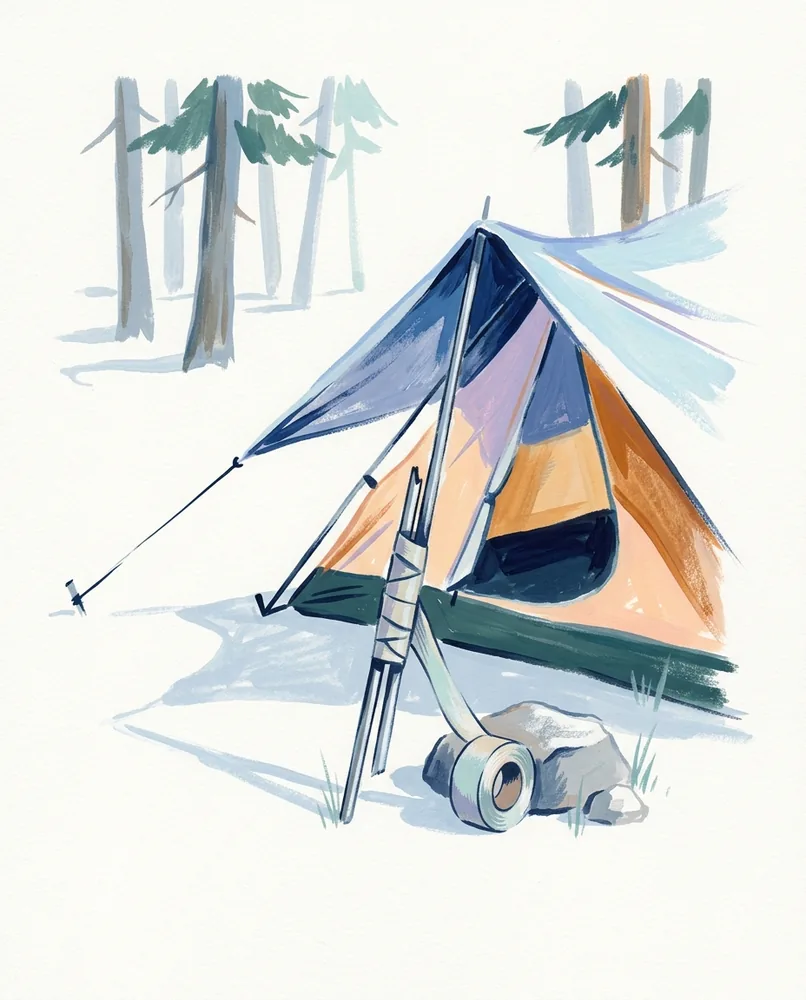
Stress can feel especially restrictive when their energy usually comes from contact, movement, and something real to respond to. A changing day gives them information and options; a stalled day gives them neither. After too much waiting, isolation, abstraction, or routine, they may not simply feel tired. They may feel trapped, underused, or cut off from the part of themselves that knows what to do next. The useful question is not only “How do they calm down?” but “What kind of pressure is this, and what kind of recovery will actually restore them?”
What drains them
1/4Read
When contact disappears

Long stretches of stillness and isolation can wear them down. A quiet evening may be welcome; several days alone, unable to go anywhere or do much, can make the world feel strangely flat.
They often recover through exchange—with people, places, objects, and immediate problems. When nothing answers back, their energy may have nowhere to land. That can look like restlessness from the outside, even when what they are missing is not excitement but contact.
When work stays abstract
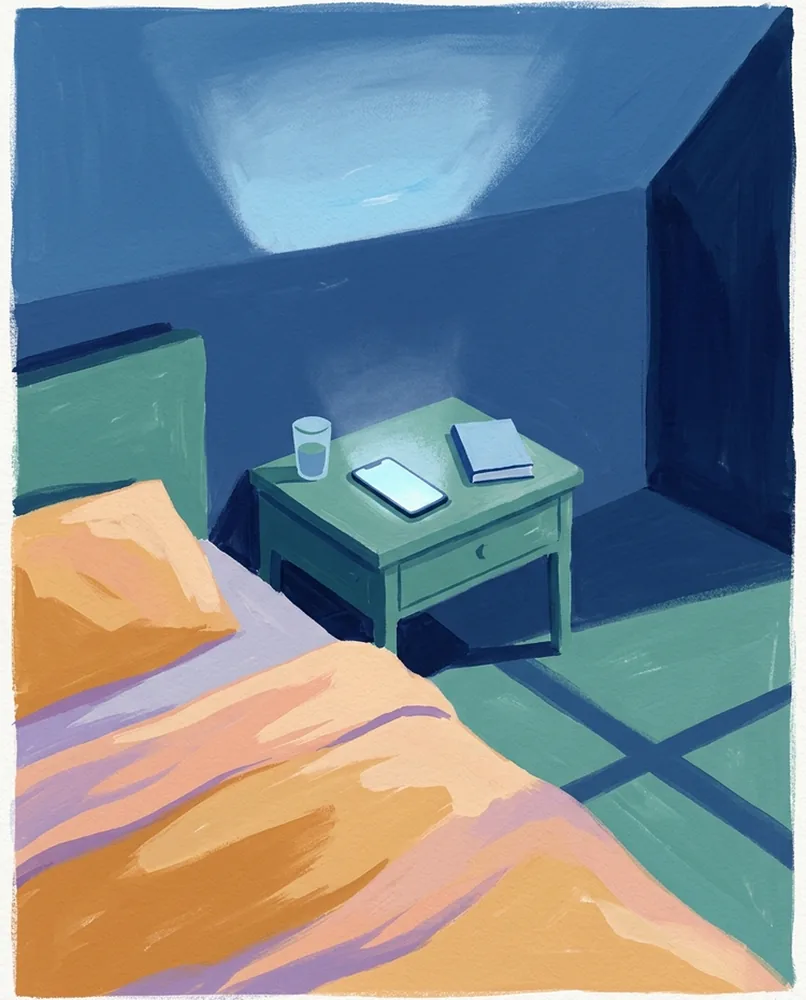
Work becomes draining when it stays abstract for too long. A day of strategy language, theories, distant targets, or documents about what might happen next can leave them more depleted than a demanding hands-on task.
They tend to understand by engaging with the situation itself: trying something, seeing what changes, and adjusting. When there is nothing concrete to test, they may feel as though they are being asked to spend energy without receiving useful information in return.
When plans override reality
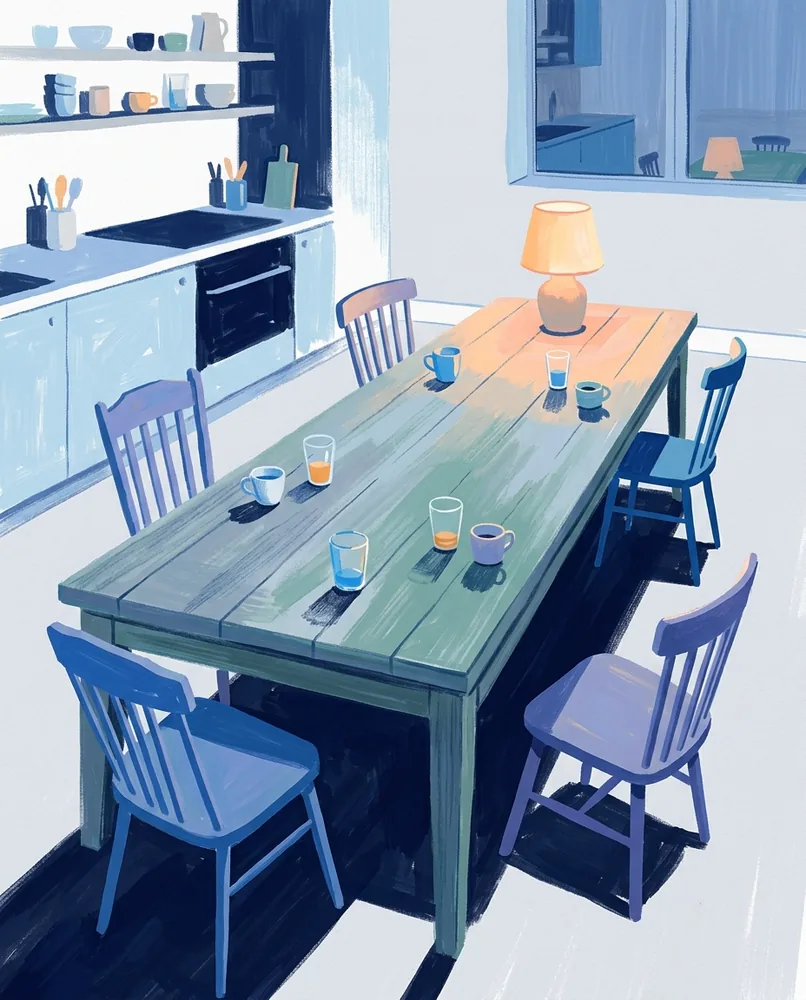
Rigid plans can become stressful when they prevent them from responding to what is actually happening. A fixed schedule may be fine when it serves a clear purpose. It becomes harder when a better opportunity appears, conditions change, or the plan keeps people committed to an outcome that no longer makes sense.
Others may experience their resistance as unreliability. They may experience others’ insistence as choosing the schedule over reality. The same flexibility that helps them adapt can make imposed structure feel personal.
When waiting has no outlet
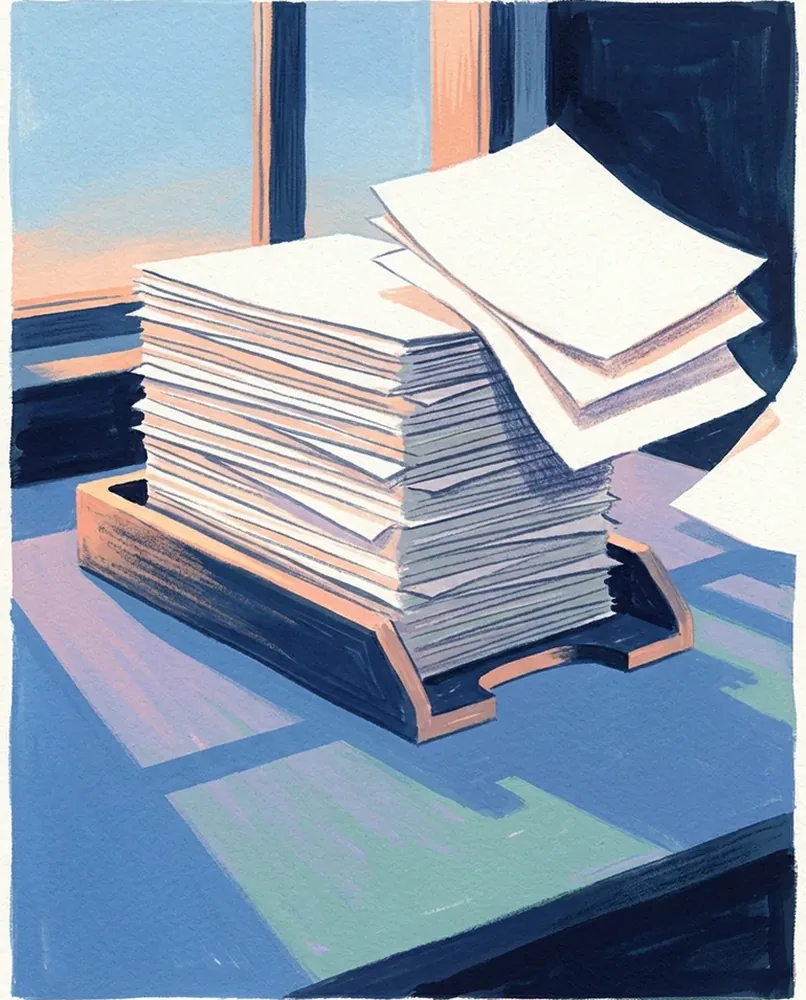
Waiting is its own kind of pressure. A decision stuck with someone else, a project on hold, a long line, or a conversation that never reaches the point can leave them with energy but no useful outlet. They may be tempted to force movement simply to end the helplessness.
Sometimes that produces progress. Sometimes it creates a second problem because the situation needed patience, not more force. Naming the difference—“There is nothing to do yet” versus “They are avoiding the next thing”—can prevent impatience from making the choice for them.
Part of the Personality Type reportThe rest of this chapter is in the Personality Type report
The Daredevil may need more than rest when pressure feels like confinement, finding renewal through movement, contact, and a problem with immediate stakes.
The Personality Type report gives you the whole guide to your own type, read alongside your own results, so you can see how your patterns affect work, relationships, and daily decisions.
Free interpretation of your answers when you sign in The full report is $30.
