Types / Personality types / Grounded Quiet

Personality typeIS · Grounded Quiet

The Fixer.

Happiest when you can work things out in real time, on your own terms—and change course as soon as reality proves the plan wrong.

ISTP

Introversion, Sensing, Thinking, Perceiving.

ISTP · Personality typeThe Fixer
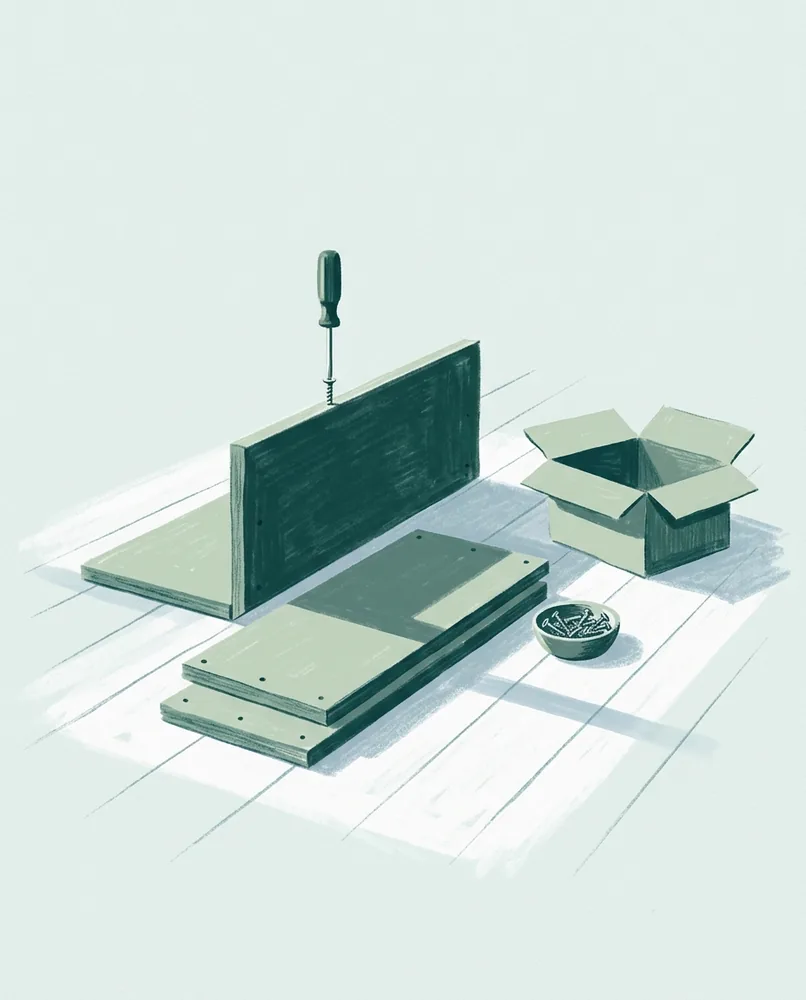
Shelf panels, a screwdriver, screws, and an open box lie across a sunny wooden floor, crossed by a long window shadow.

The Fixer at a glance

The greatest thing in the world is for a man to know that he is his own.

Michel de Montaigne, tr. Charles Cotton, Of Solitude, Essays

On the second morning of a family weekend at a rented lake house, the pull cord on the old rowboat’s motor snaps. Two uncles debate whether the marina opens on Sundays. An aunt goes looking for the owner’s phone number. One cousin, who has not said much all weekend, wanders down to the dock with a pocketknife and the drawstring from a hoodie. By the time anyone finds the number, the motor might be running, and The Fixer might be halfway across the lake, alone and pleased about it. If that sounds like an ISTP, they may prefer learning by contact: look closely, test something, notice what changes, and adjust from there. They often trust a working solution more than an impressive explanation. That can make them resourceful and calm when conditions shift. It can also make fixed plans, long explanations, and emotional guesswork feel like obstacles between them and the thing that actually needs doing.

What drives them

1/4

Why open time matters

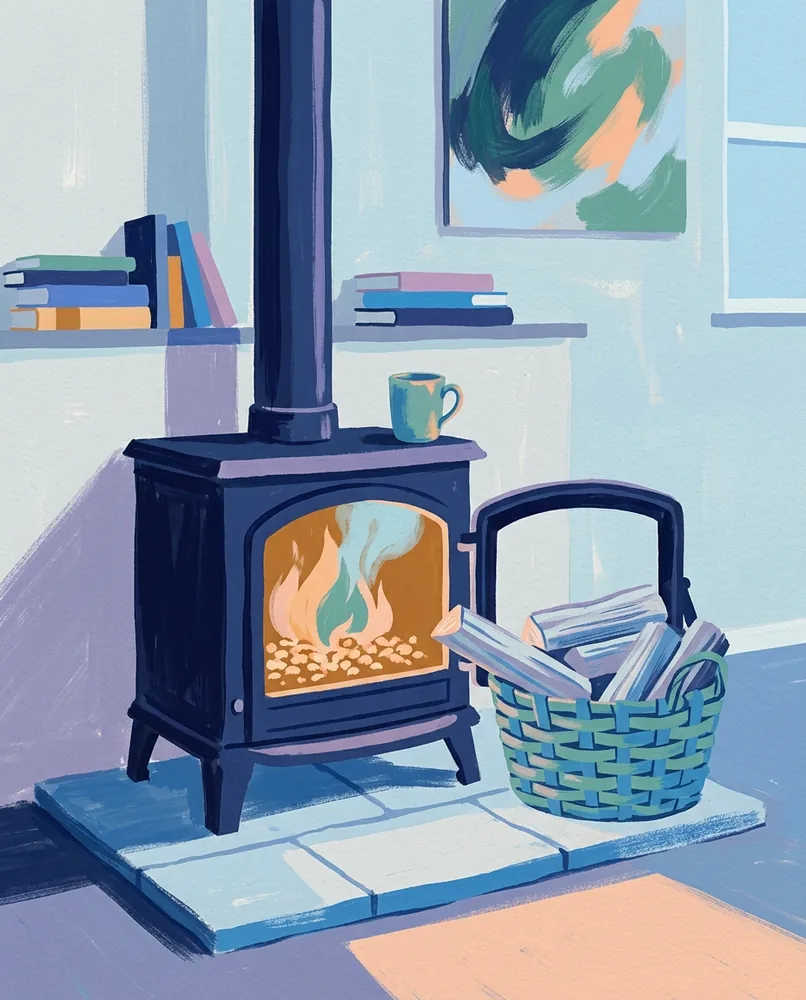
A cast-iron woodstove burns with its door open, beside a basket of split logs on the hearth.

Room to do things their own way tends to come first. A Saturday with nothing on the calendar may feel like a gift to an ISTP: coffee, a loose possibility, and no need to defend how they use the hours.

Even when they care about Sunday, they may resist promising it too early. The hesitation is not necessarily lack of interest. They are protecting the chance to meet the day as it actually arrives.

How freedom stays practical

A wooden spinning top turns on a bare tabletop, with a blurred rim and a long shadow beside it.

That freedom does not have to be dramatic. It might be taking the side door at work so they can think without being pulled into conversation, choosing the route home based on the weather, or leaving an afternoon open for a project that has not announced itself yet.

Small choices that remain theirs can matter more than they look. They preserve a sense that their time belongs to them rather than to an invisible queue of expectations.

What holds their attention

A brass desk lamp shines in a dark room, casting a pool of light across a bare wooden desk.

Then something real to work on often captures them. Their practical, detail-aware side draws attention toward problems with edges they can inspect: a bike chain that slips, a faucet that drips, a laptop someone has given up on, a process that wastes three steps every time.

They may lose interest in a discussion that stays abstract for too long, yet become completely absorbed once there is a mechanism to examine or a result to improve. They may learn by making contact with the problem rather than by collecting instructions about it.

How independence gets read

A coiled hose lies beside a thriving vegetable bed at dusk, with dark, watered soil between the rows.

Try the switch. Remove the panel. Watch what moves. Notice the sound that changed. Failure is often information, not a verdict. The satisfying moment is when the thing responds: the engine turns over, the leak stops, the code runs, the technique finally feels natural.

Recognition may be welcome, but it is rarely the main proof. The working result is. This independence can look like indifference to people who show care through involvement, updates, or shared planning. They may experience it as respect: give them enough room to investigate, and they will take responsibility for what they find.

The cost is that others cannot always see the care inside their autonomy. They may need a brief explanation, an invitation to join them, or a promise about what they will communicate before they can experience their freedom as trust rather than distance.

How their letters work together

1/4

ISTP on four scales

ISTP sits on the Introversion, Sensing, Thinking, and Perceiving side of its four scales.

The shaded half of each scale shows where every ISTP falls. Take the personality assessment and your own dots will appear too.

The pattern beneath the letters

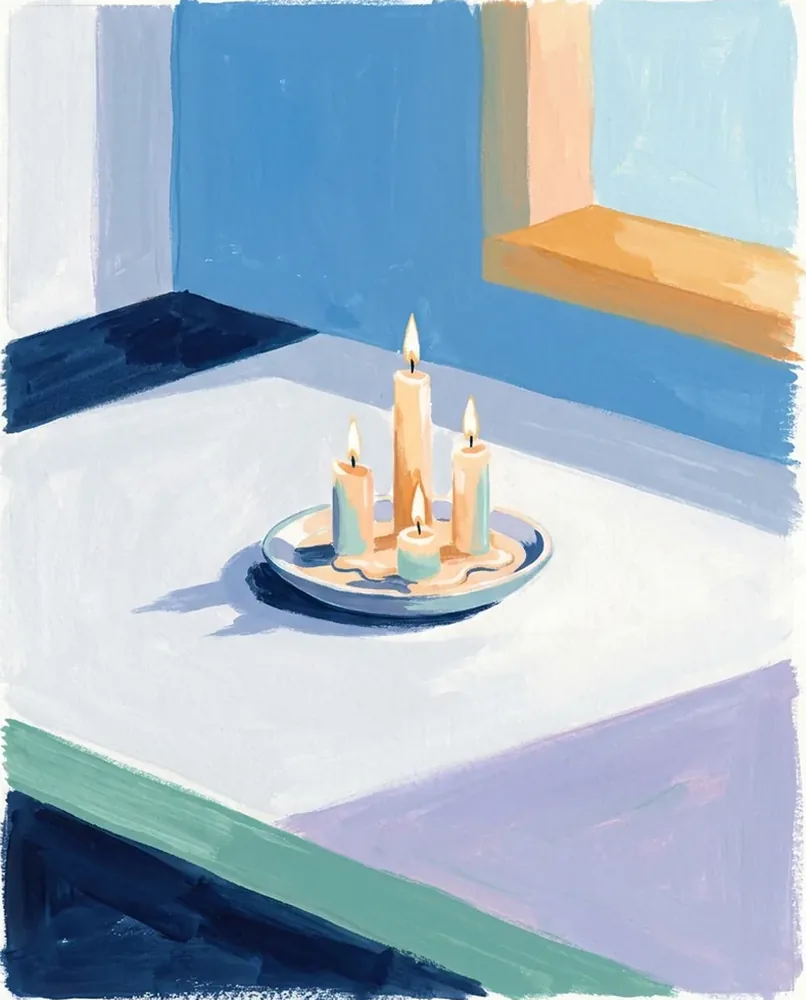
Four candles of different heights burn together on a shallow dish, with wax pooled between them.

The four letters are not four separate boxes. Their combination creates a particular way of meeting the world. For an ISTP, the pattern often centers on three linked preferences: staying close to what is observable, keeping enough freedom to respond, and solving problems without needing an audience.

Their practical and flexible sides together create a strong improvisational intelligence. They look at what is actually available, not only at what the original plan assumed would be available.

Why adaptation comes first
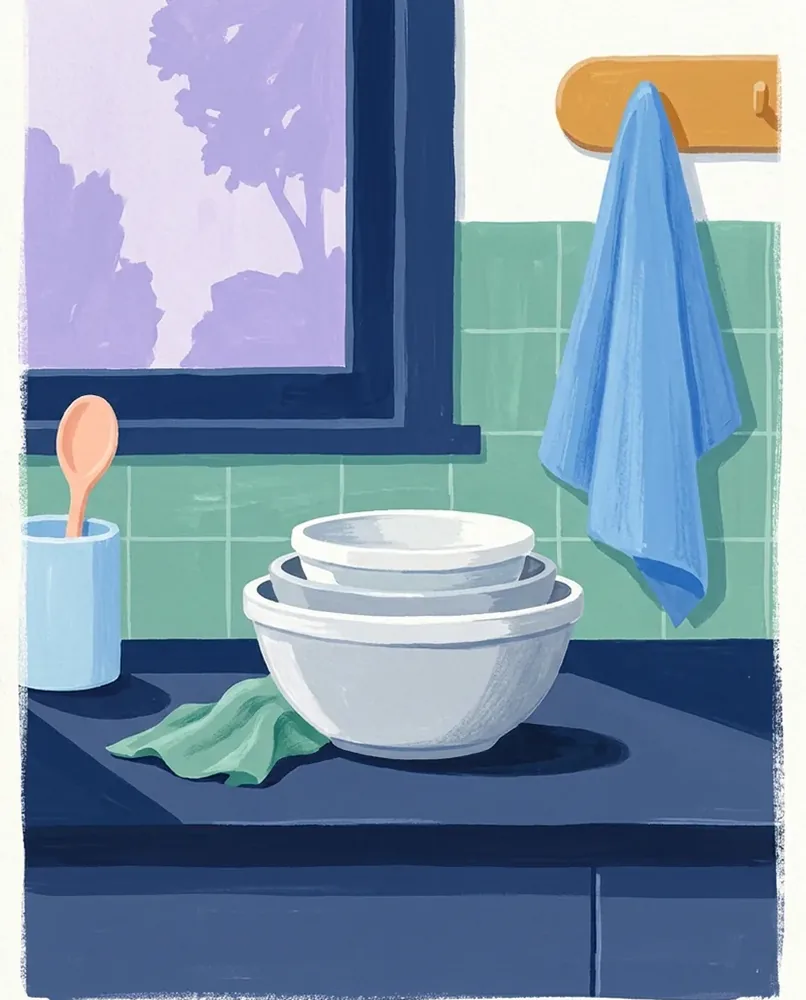
Nested mixing bowls in graduated sizes are stacked on a kitchen counter in clear morning light.

The recipe calls for buttermilk and there is none? Regular milk and lemon juice may be worth trying. The replacement part is the wrong size? They inspect the connection before declaring the project over. This is not random spontaneity.

It is an ongoing comparison between the situation in front of them and the options still open. The cost is that preparation can feel less real than the problem itself, so others may experience them as underprepared even when they are quietly confident in their ability to adapt.

How flexibility protects time
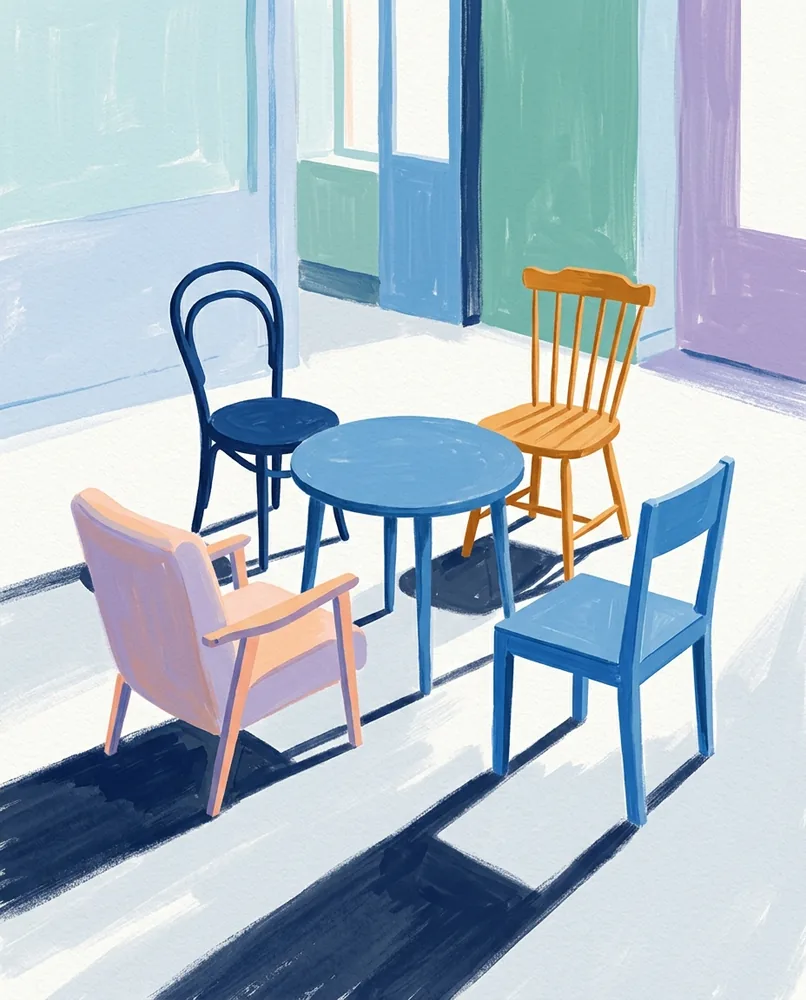
Four chairs with different designs are pulled around a small round table.

Their inward, flexible sides also protect their time. A week packed with other people’s plans can feel crowded before it begins, especially when each commitment seems to claim not only an hour but the freedom around that hour.

They may delay saying yes even when they would probably enjoy the event. The interest is there; they are keeping an exit from a future that has become too fully assigned. The cost is that people may stop inviting them, or mistake their need for flexibility for uncertainty about them.

Where competence becomes visible

A stone arch set into a garden wall has a keystone at the top catching the sunlight.

Their inward, practical sides often make competence a private, hands-on process. They may prefer to show someone how a thing works rather than explain their thinking in a meeting. Skills grow at the workbench, the kitchen table, the garage, the trail, or inside a problem no one else finds interesting.

They watch, try, notice, and try again. The cost is that their knowledge can remain invisible. If they do not narrate what they have learned, people may see only a quiet person doing something quickly and miss the judgment underneath it. Put these tendencies together and they often become the person who appears when something breaks, studies the situation without much ceremony, and makes a workable path out of limited materials.

They may not want to manage the whole group or receive credit for saving the day. They want the interference removed so the real activity can continue. That is a powerful form of usefulness. It becomes a limitation when they solve every problem alone, leave others unable to repeat the fix, or disappear before anyone understands what they contributed.

How other people see them

1/4

What quietness looks like

A hallway mirror reflects an empty room and a vase of flowers on the table opposite.

Their inward-facing energy may be the easiest part for strangers to notice. In a new group, they may listen before entering, speak when they have something useful to add, and leave a conversation without feeling that anything was missing.

They can be socially capable without wanting constant access to people. Solitude is not necessarily withdrawal; it can be the space where their attention returns to itself. What other people cannot see is what their quietness may contain.

Why silence gets misread
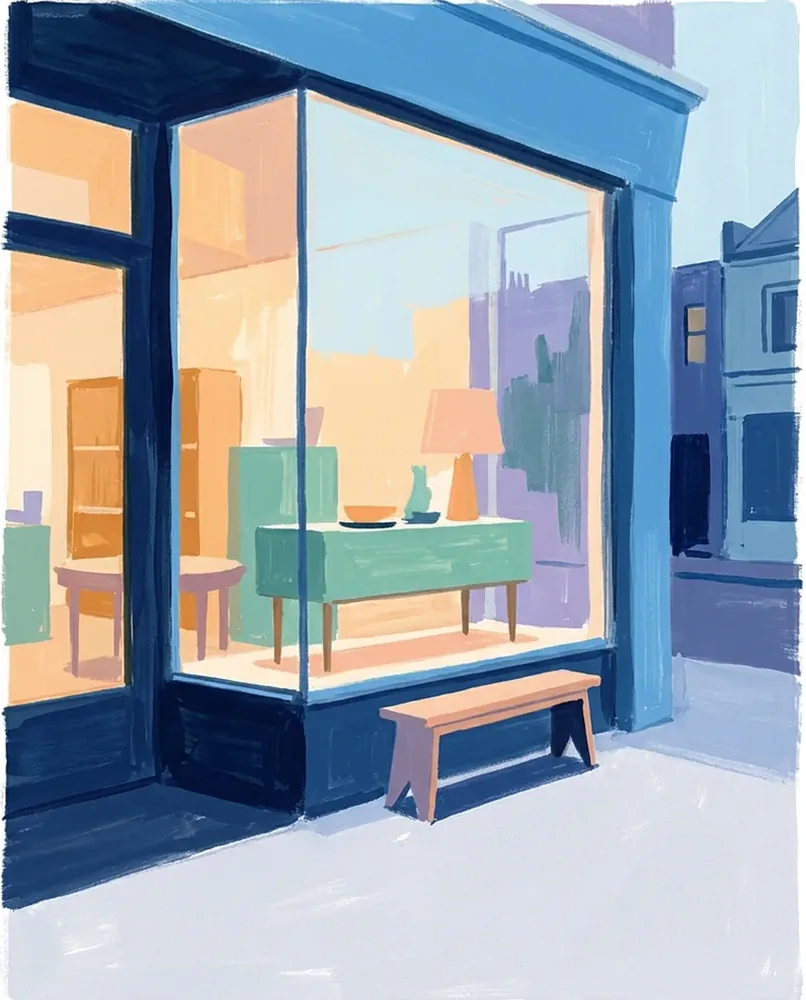
A shop window at dusk reflects the street across its glass, while the warm interior glows behind it.

A slow reply in the group chat can look like they do not care about the plan. A shrug when someone asks about the holidays can look like they have not thought about them. They may simply be waiting for more concrete information before committing their attention.

Internally, they are leaving options open. Externally, the empty space can feel like rejection, uncertainty, or a lack of consideration. Their loose grip on plans can be a relief to people who hate being trapped by a failed arrangement.

When flexibility needs context
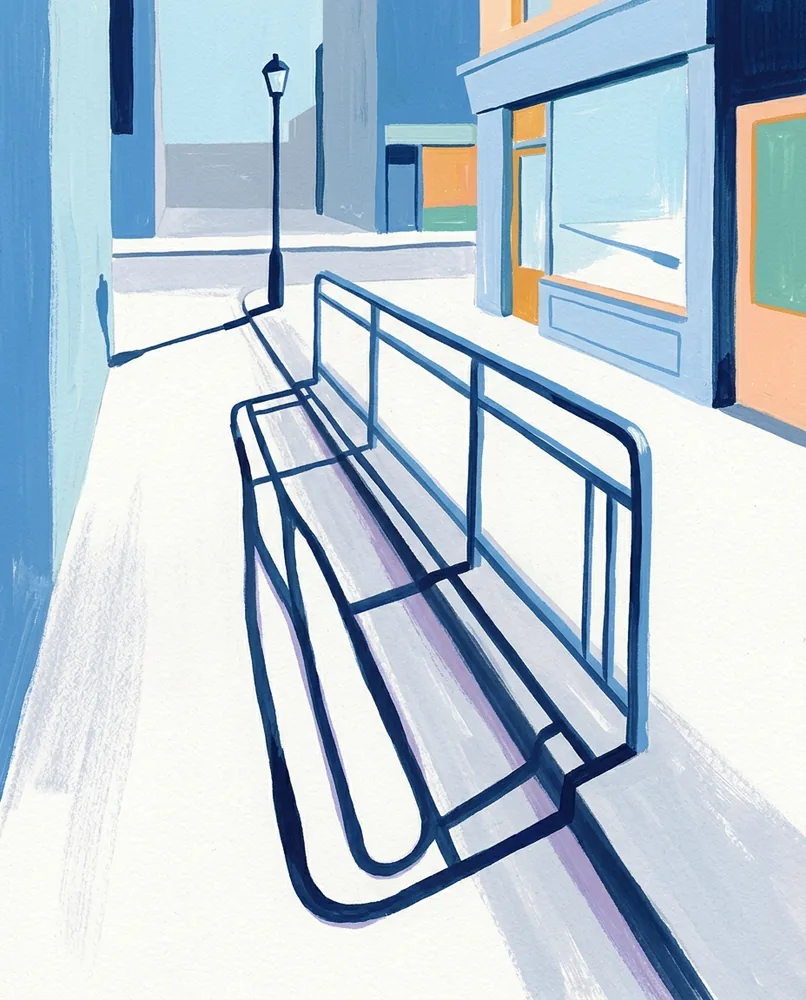
A sidewalk railing casts a shadow far longer and more irregular than the railing itself.

When the restaurant loses the reservation, they may already be looking at the taco truck across the street. They are less likely to treat a changed plan as a personal insult or a disaster that needs extensive discussion.

The cost appears beside the strength: someone who planned carefully may experience their flexibility as a refusal to take the shared future seriously. A quick message can show that they remain committed while wanting to settle the details closer to the day.

How practical care lands
A picture frame faces the wall on a mantelpiece, with a clock and vase standing on either side.

Their practical way of caring can be misread too. For a friend’s birthday, they might skip the card and give them a good flashlight because they noticed theirs keeps dying. They mean, I pay attention to your actual life. The friend may hear, You did not make an emotional effort.

Neither interpretation is imaginary. The object is useful, and the missing words may matter. Their task is not to become sentimental on command; it is to recognize that people receive care through different evidence. Sometimes the repair is a sentence alongside the repaired thing.

Explaining themselves does not require a speech or a confession. A one-line update can show interest while leaving uncertainty about Saturday visible. So does naming the reason behind a practical gesture, asking whether someone wants help or listening, and telling a teammate when they will return with an answer.

These small signals preserve their privacy while reducing the amount of meaning others have to invent. Independence works better when it includes enough visibility for trust to keep up.

How they differ from neighboring types

1/5

One letter from ISTP

What the comparisons reveal
An open drawer of matching steel cutlery holds one bone-handled knife among the pieces.

The types closest to theirs show how much a single preference can change the same basic situation. The comparison is not a ranking. It is a way to notice which part of their approach is doing the most work: preparation, possibility, privacy, or practical action.

Responsive judgment or preparation
Five terracotta pots line a low wall, each holding a different plant.

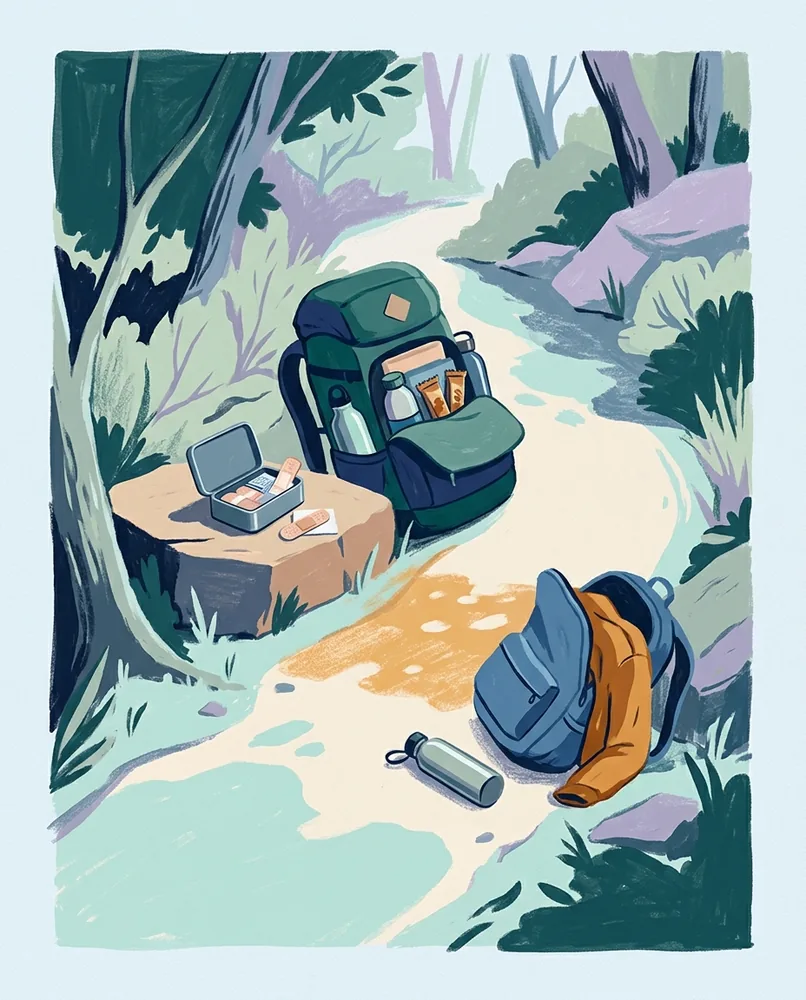
The Anchor shares their quiet, practical side but is more likely to invest effort before the problem arrives. When a tire goes flat on a road trip, they may get the spare on and make the rest of the trip up as they go.

Someone with that neighboring pattern may have checked the tire pressure, located the jack, and stored a plan for the next two exits. Their strength is responsive judgment; theirs is dependable preparation. The tension is familiar: they may see the other person’s planning as unnecessary until conditions change, while the other person may see their improvisation as a cost they could have prevented. Both approaches can get the car moving.

Concrete fixes or wider questions
Small iron mailbox doors line a hallway, with rosemary tucked into one slot.

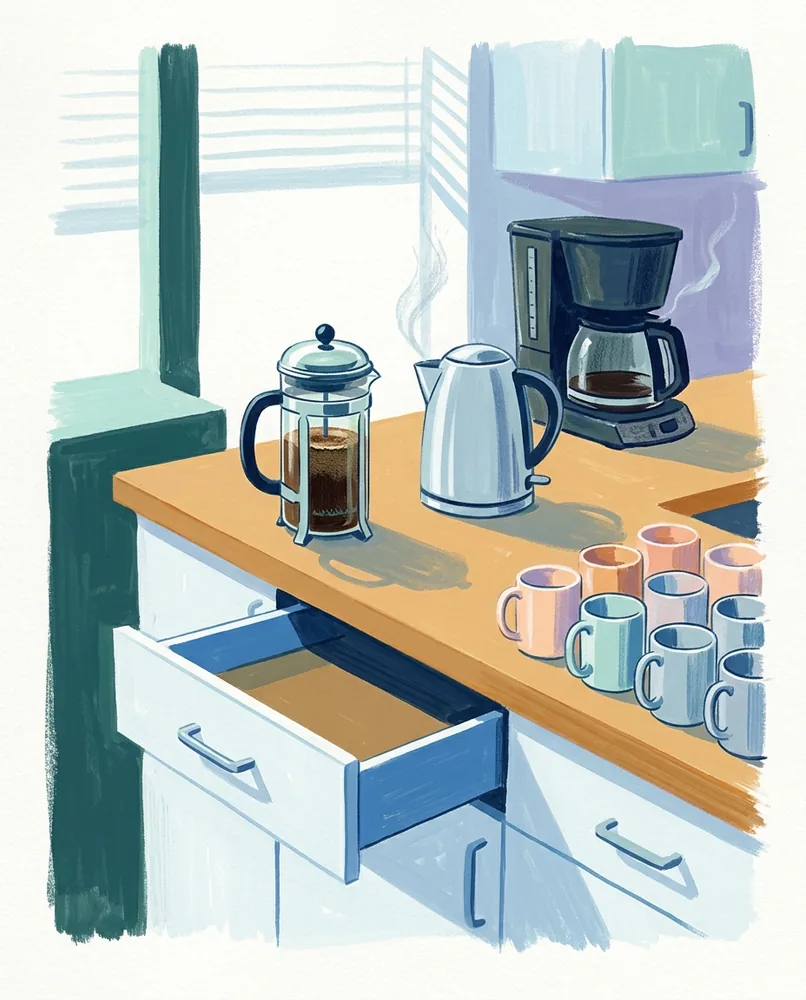
The Scholar shares their independence and flexible plans but is more drawn toward possibilities and abstract connections. When a dishwasher starts making a new grinding noise, they may remove the bottom rack and look for the fork caught in the pump.

Someone with that neighboring pattern may begin researching how pumps work, follow the question through several related ideas, and only later return to the machine. Both are curious. Their curiosity often ends when the mechanism works again; the other person’s may keep expanding after the original problem is solved.

Private action or shared momentum
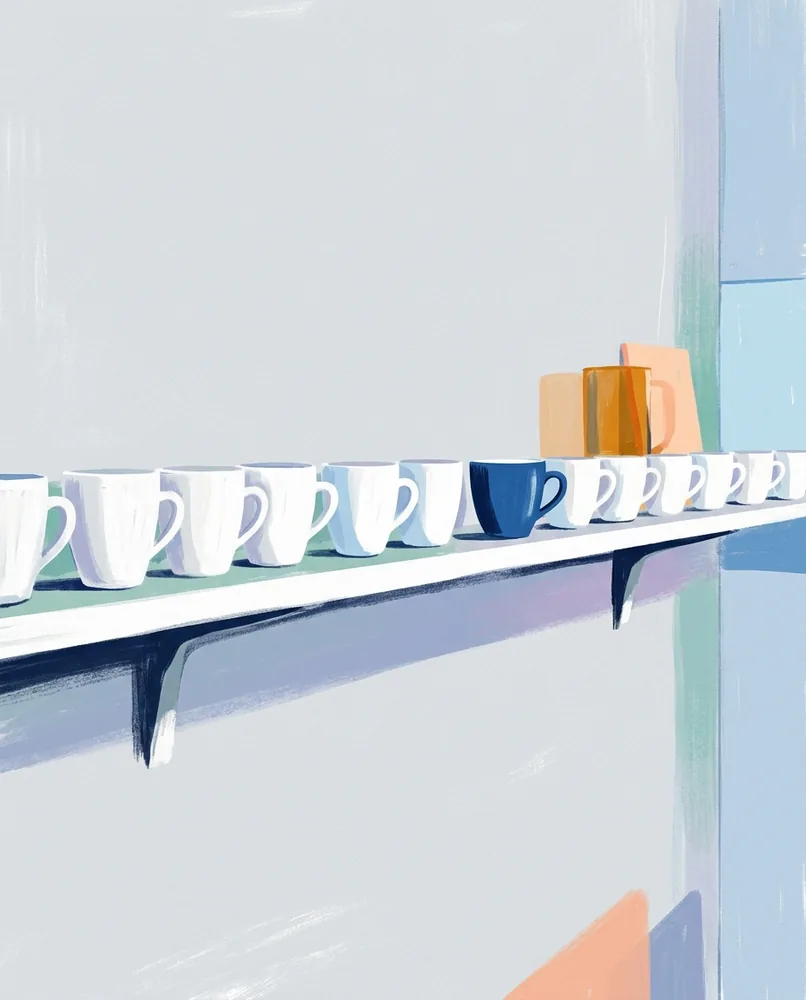
A shelf of white cups with one deep blue cup standing among them.

The Daredevil shares their practical responsiveness but is more likely to process the situation out loud and with other people around. When the lake house motor quits, they may slip to the side with the tools and return when it is handled.

Someone with that neighboring pattern may gather cousins on the dock, assign tasks, narrate the attempt, and enjoy the energy of solving it together. Neither approach is inherently more confident. They conserve attention by working privately; the other person may create momentum by making the problem social.

Effectiveness and human impact

White sheets hang along a clothesline, with one bright amber sheet among them.

The Poet shares their privacy, flexibility, and attention to the immediate world, but tends to place more weight on personal feeling and human impact when deciding what to do. They may ask which option works best; the other person may also ask which option feels most true to the people involved.

This difference can be subtle because both of them may dislike rigid rules and unnecessary explanation. Their practical directness can seem cold to the other person, while the other person’s sensitivity can seem indirect to them. Each can learn from the other: effectiveness is not the only thing people experience, and emotion is not the only way to understand what matters.
The rest of the guide

The chapters below complete the guide, and the Personality Type report gives you the whole guide to your own type.

With other people

Our take The parts below are built from your letters. They describe what might feel easy, where one person’s good intention may land differently than intended, and what could make the difference easier to discuss. Treat them as conversation starters, not predictions.

In a relationship

What may feel easy

You may feel most at ease with someone who does not treat every pause as a message. A partner who can enjoy repairing something together, taking an unplanned drive, or spending a quiet Saturday without deciding Sunday in advance may give you room to be present rather than perform closeness. The important distinction is that they do not need constant reassurance to feel secure—but they still notice and value the ways you show up.

Where friction may show up

Friction may grow with someone who is more socially expressive, more eager to keep exploring, or more comfortable when plans are settled early. They might experience your “I’ll figure it out” as freedom; you might mean it as confidence that you will handle the practical details. To them, though, an unspoken plan can feel like a forgotten promise. You may not need to plan everything, but naming what you do know—and when you will decide the rest—can turn uncertainty into trust.

What they might bring

Bring practical follow-through that makes spontaneity possible: plans that actually happen, dates people can rely on, and a reason to talk things through before a small mismatch becomes a larger surprise.

When you are much alike

Someone very much like you can create a different kind of problem. If both of you prefer responding to the moment, neither may reserve the campsite, raise the difficult topic, or say that the relationship needs attention until an opportunity has already passed. Shared ease is valuable, but a relationship still needs someone to convert good intentions into a date, a decision, or a direct conversation.

Research behind this panel

In lab experiments, couples who did something new and exciting together rated their relationship higher right after the task, though how long that lasts was not tested[C56]. Novelty may briefly interrupt autopilot and let partners see each other as curious, capable people again; it is not proof that a relationship needs constant excitement to be healthy.

People included in the research

Most of this research studied married, heterosexual couples in Western countries. One study of the push-pull loop included lesbian and gay couples and found the same link[C12]. Use these findings as useful but incomplete clues, not as a definition of what a relationship should look like.

As a friend

What may feel easy

You may connect easily with a friend who can shoot hoops, work on a car, cook, or play a game without needing constant conversation. You may also appreciate the friend who says “sure, when?” and leaves room for the plan to take shape later. In both cases, the friendship can feel real without being heavily managed: shared activity becomes a natural way to stay close.

Where friction may show up

A friend who plans the birthday trip in January may experience your flexible approach as disinterest, especially if they have sent a spreadsheet and asked for your dates by Friday. You may be perfectly willing to go but reluctant to perform enthusiasm through long planning calls. They may also be trying to maintain the friendship through conversation, while you are waiting for a chance to spend actual time together. Both forms of effort count, but they are not equally visible.

What they might bring

Bring a dependable way to get together, plus an invitation into a friend group or activity you might not have found on your own. Your openness to trying something practical and new can widen both people’s worlds.

When you are much alike

Being alike has its own snag. If both of you assume the other will reach out when something interesting comes up, weeks can pass without either person making a plan. Neither intended to withdraw; the friendship simply had no mechanism for overcoming inertia. A low-effort standing plan can protect the connection without making it feel formal.

Research behind this panel

In two studies of new acquaintances, more hours together went with growing closer, and leisure time together went with closeness too[C23]. Familiarity creates opportunities for trust, but time alone is not magic: repeated contact is more likely to help when people feel welcomed rather than trapped, evaluated, or ignored.

In a study of friendship networks, sharing humor, hobbies and interests, and moral beliefs were among the best predictors of feeling close[C24]. Friends do not need identical personalities. They often need enough shared ground to feel understood, enough room for difference to stay interesting, and enough trust that disagreement does not threaten the bond.

People included in the research

Most friendship studies so far have looked at students. Friendships later in life can carry different pressures, histories, and choices about time, so treat these findings as a starting point rather than a complete picture.

At work

What may feel easy

You may work best with coworkers who hand you a real problem and trust you to solve it without supervising every step. Clear goals, short updates, and freedom to change the method can let your practical judgment do its work. You often notice what is failing in the real situation, not just what the process says should be happening, and you may find a clean fix before others have finished discussing the problem.

Where friction may show up

A teammate who is more outgoing, more drawn to new possibilities, or more eager to settle the plan may want a kickoff meeting, a written outline, and weekly updates. You may experience that as unnecessary overhead because you are already working on the solution. They may experience your silence as a lack of progress, alignment, or ownership. Fixing the problem is only part of the work in a shared system; making the fix visible is what allows others to build on it.

What they might bring

Bring a clear record of what got done, what changed, and what still needs attention—along with deadlines people can plan around. Documentation is not bureaucracy when it prevents the next person from having to rediscover your work.

When you are much alike

Sameness can trip you up too. Two people who both trust improvisation may each investigate the same issue, assume the other handled the handoff, or solve a symptom without telling the team. Independence speeds up local decisions, but without a visible record it can create duplicated effort and invisible dependencies.

Research behind this panel

In a meta-analysis of work teams, teams whose members differed a lot in conscientiousness—meaning how much each person plans and follows through—tended to perform worse[C19]. Differences can be useful when roles are clear, but large gaps in follow-through create a hidden contract: the most organized people begin carrying reminders, checking details, and rescuing deadlines.

Support from coworkers matters in its own right—not merely as an extension of support from a manager[C54]. A compatible teammate can make work feel more workable through practical help, shared context, and the sense that responsibility is not being carried alone. That does not mean matching personalities are required; it means the way two people communicate, divide effort, and respond under pressure can either reduce friction or quietly add to it.

People included in the research

Research on teams mixes real workplaces with student project groups, so treat it as a rough guide. A team is also influenced by its manager, incentives, workload, power differences, and whether people have room to work in their own way.

  • C1 Dyrenforth, Kashy, Donnellan & Lucas (2010). Journal of Personality and Social Psychology 99(4), 690–702. Abstract only DOI
  • C2 Malouff et al. (2010). Journal of Research in Personality 44(1), 124–127. Abstract only DOI
  • C3 Joel et al. (2020). Proceedings of the National Academy of Sciences 117(32), 19061–19071. Read the full article DOI
  • C5 Yang et al. (2026). Social Psychological and Personality Science. Abstract only DOI
  • C6 Körner & Altmann (2023). Journal of Research in Personality 107, 104436. Abstract only DOI
  • C7 Joel, Eastwick & Finkel (2017). Psychological Science 28(10). Abstract only DOI
  • C8 Kong (2010). Journal of Korean Academy of Nursing 40(3), 336. Abstract only DOI
  • C12 Baucom, McFarland & Christensen (2010). Journal of Family Psychology 24(3), 233–242. Abstract only DOI
  • C19 Peeters, van Tuijl, Rutte & Reymen (2006). European Journal of Personality 20(5), 377–396. Abstract only DOI
  • C23 Hall (2019). Journal of Social and Personal Relationships 36(4), 1278–1296. Abstract only DOI
  • C24 Curry & Dunbar (2013). Human Nature 24(3), 336–347. Abstract only DOI
  • C33 Neyer & Asendorpf (2001). Journal of Personality and Social Psychology 81(6). Abstract only DOI
  • C34 Lehnart, Neyer & Eccles (2010). Journal of Personality 78(2). Abstract only DOI
  • C54 Chiaburu & Harrison (2008). Journal of Applied Psychology 93(5), 1082–1103. Abstract only DOI
  • C56 Aron, Norman, Aron, McKenna & Heyman (2000). Journal of Personality and Social Psychology 78(2), 273–284. Abstract only DOI

Ready to find your own type?

Personality Type gives you your four letters and a page about your type.

Questions

Is this type rare?

Nomigram does not count how many people receive each type, so it cannot tell you whether this type is rare. More important, a type is not a measure of how unusual, talented, or valuable you are. It describes patterns in how you tend to approach information, decisions, energy, and plans. Those patterns can look different depending on your work, relationships, culture, and responsibilities.

Does my type say how handy I am?

No. The letters do not measure mechanical ability, craftsmanship, coordination, or practical skill. They describe tendencies in how you take in information, make decisions, use your energy, and respond to plans. An ISTP may enjoy tools and troubleshooting, but another may apply the same hands-on curiosity to software, cooking, sports, design, research, or everyday problem-solving. Your interest results are the better place to explore what kinds of work actually hold your attention.

Can my type change?

A letter that came out Nearly a tie could flip if you answered on a different day, because a small change in your answers can move a score across the middle. That does not mean the result was meaningless; it means that this part of your personality is balanced enough for either side to describe you in some situations. A Strong letter would take a much bigger change to cross the midpoint. Your habits can also shift with age, responsibilities, relationships, and work. Research that followed people over time has found that people tend to become more organized on average, especially between 20 and 40, so your P could look different later on. Other letters may move too, but there is no guaranteed timetable and no requirement to become a different kind of person. Treat the result as a current pattern to examine, not a permanent verdict.

Why do I relate to two types?

Each letter is a degree along a scale, not a sealed category. ISTP’s neighbors, each one step away, are ESTP, INTP, ISFP, and ISTJ. If one of your letters landed near the middle, the type on the other side of it can sound like you too. The “Your results” box on this page shows which of your letters, if any, came out Nearly a tie. You may also recognize yourself in a neighboring type because context brings out different sides of you: a hands-on problem at work, a close relationship, and an unstructured weekend can each call for different responses. Look for the pattern that appears most often, while using the neighboring descriptions to notice the flexibility around it.

Where does this come from?

Your letters come from four of the five traits, using the same answers as your personality result, with no extra questions. The personality statements come from the public-domain International Personality Item Pool, and your percentiles compare your answers with a published open data set of several hundred thousand people. A 1989 study by McCrae and Costa found that the letter scales line up with four of the five traits. The descriptions here are our interpretation of those four traits together, not a diagnosis or a claim that four letters capture your whole personality. The sentences about studies come from the sources listed below.

More about the method

  • McCrae, R. R., & Costa, P. T., Jr. (1989). Journal of Personality, 57(1), 17–40. DOI
  • Mehl, Gosling & Pennebaker (2006). Journal of Personality and Social Psychology 90(5), 862–877. DOI
See your own personality patternStart now