

Plenty of career advice starts with where they want to be in ten years. For people with these letters, a better first question may be what an ordinary Tuesday at the job feels like. Is the work concrete enough for them to see, hear, touch, or improve? Do people treat one another with basic decency? Is there room for them to respond to what is actually happening, or must every day follow a script? Those details can matter more than the title on the door. A prestigious role may leave them depleted if it keeps them performing, competing, or planning at a distance from any visible result. A less glamorous role may feel substantial when it gives them trust, autonomy, and a direct way to make someone’s day, space, or situation better. The useful question is not whether a job sounds like an ISFP job. It is whether the job’s real daily demands match the way they naturally notice and contribute.
Work that tends to fit
1/4Read
Visible results

Work with a result they can see often has a particular appeal. They may notice the small difference their work makes: a haircut that helps someone stand a little straighter, a garden bed that is finally healthy, a repaired object returned to its owner, or an animal that leaves care calmer than it arrived.
This kind of feedback is immediate and human. It tells them not only that a task is complete, but why it mattered. Work that lives mostly in slide decks, abstract forecasts, or decisions whose consequences remain far away may be harder for them to stay connected to. That does not mean they cannot handle abstract thinking.
Contribution over performance
It means motivation may weaken when the path from their effort to a real-world effect becomes difficult to feel. They may also prefer contribution over performance. A quiet room with one client, patient, customer, student, or colleague can give them space to observe carefully and respond to the person in front of them.
In a large group, the work may reward projection, speed, and constant visibility instead. They can still be attentive and capable in public, but being watched all day is different from being useful.
The cost of this preference is that valuable work can remain hidden if they wait for the result to speak for itself. Many workplaces reward people who explain what they did, promote their contribution, and ask directly for opportunities. Making their value visible is not a betrayal of their quiet style; it is part of protecting the work they want to keep doing.
Autonomy with structure
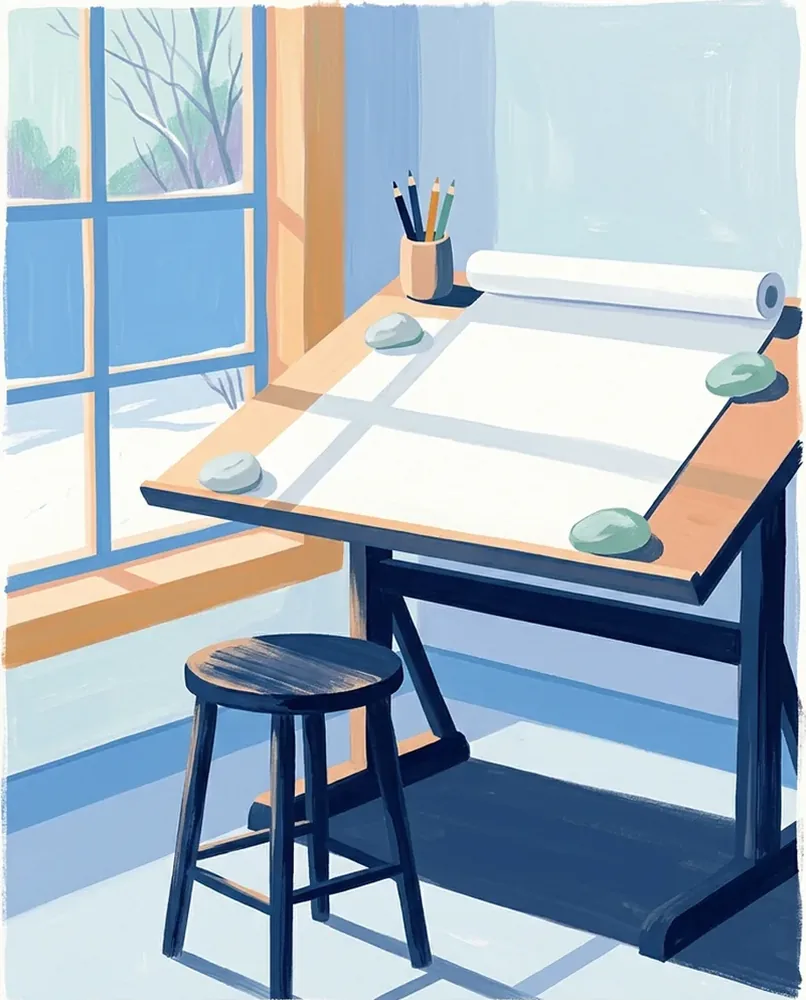
They may want enough say over how and when work gets done to use their judgment. A good day might have a few important responsibilities but leave room to decide what needs attention first, adjust to a surprise, or follow an unexpected detail to a better result. A schedule that controls every minute can feel less like support and more like distrust.
Yet freedom has a cost: self-directed work still requires deadlines, follow-through, paperwork, and the ability to begin before inspiration arrives. The most satisfying autonomy is usually not the absence of structure. It is structure that clarifies the destination without dictating every step.
Steady flexibility

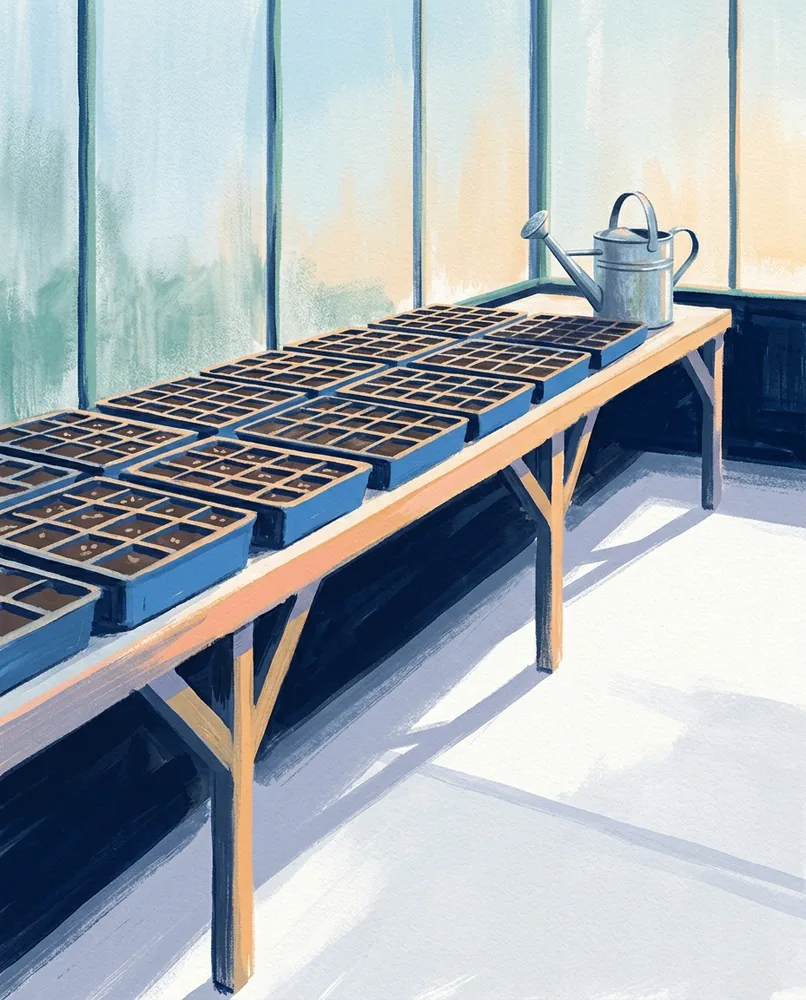
That combination can create a steady sort of flexibility. They may like familiar tools, standards, and surroundings while welcoming the individual problem each day brings. The shop, studio, clinic, kitchen, trail, or classroom has a recognizable shape; the people and situations inside it do not. This is different from wanting constant novelty. A brand-new system every few months may feel disruptive, while a regular setting with changing human needs can keep the work alive.
The strength is practical responsiveness. The risk is that they may tolerate an unclear process for too long because they can keep improvising around it. Sometimes the most helpful act of craftsmanship is to create a repeatable method before the next problem arrives.
Fit counts for more than comfort. When their everyday way of working matches what the job actually demands, effort is less likely to be spent fighting the environment before they can do the work itself. But fit should not be confused with ease.
A good role can still ask them to learn, negotiate, tolerate repetition, or do things that do not come naturally. Before choosing a path, they should look past its appealing moments. They should ask how much of the week involves the part they love, how quality is judged, how much self-management is expected, and whether they can accept the less appealing tasks that support the parts they love.
Part of the Personality Type reportThe rest of this chapter is in the Personality Type report
The Poet may need work that feels tangible and humane, where autonomy matters more than status and daily demands match how they notice.
The Personality Type report gives you the whole guide to your own type, read alongside your own results, so you can see how your patterns affect work, relationships, and daily decisions.
Free interpretation of your answers when you sign in The full report is $30.
