
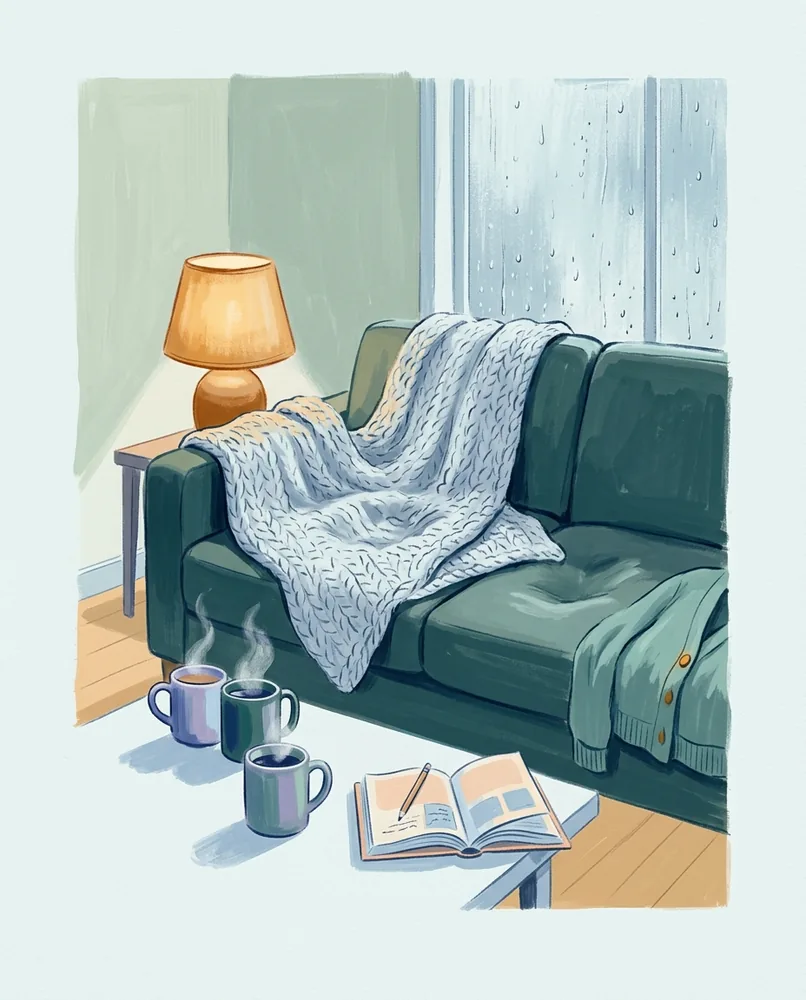
Parenting as The Poet often means responding to the child who is actually in front of them rather than enforcing an ideal version of childhood. A swimsuit may become nonnegotiable on a school morning, a walk may turn into an hour watching ants, and a difficult conversation may go better while they are both driving somewhere. They tend to bring warmth, flexibility, and respect for individuality. The same qualities can also make schedules, repeated rules, and firm limits feel strangely unimportant until a missed deadline or recurring conflict makes their importance impossible to ignore. Their central parenting task is not to become rigid. It is to make their flexibility predictable enough that their child experiences freedom as security, not uncertainty.
The home they build
1/3Read
A flexible emotional atmosphere
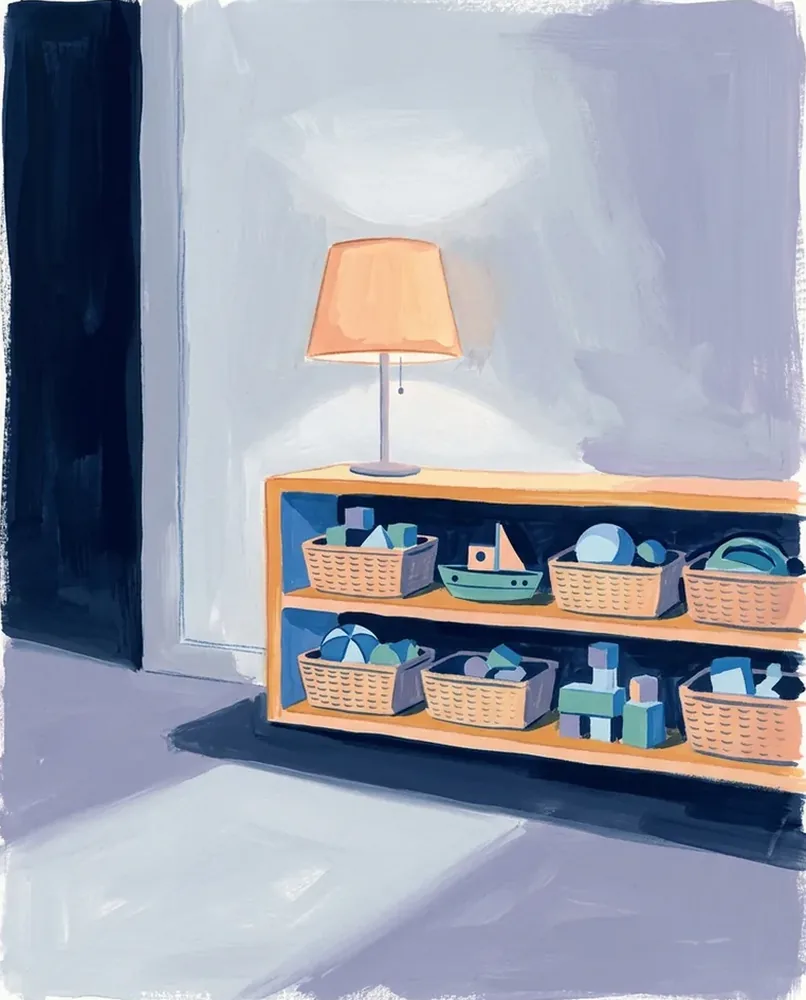
They may build a home that feels lived in rather than tightly managed. Rules exist, but they can bend around the real situation: bedtime shifts because the story matters, dinner returns to the few meals everyone will actually eat, and an ordinary Saturday becomes a long afternoon by the creek.
They are often sensitive to the emotional and sensory atmosphere of a room, so they may notice that a child is overtired, embarrassed, overstimulated, or quietly left out before they can explain it themselves. That attention can make home feel accepting. The cost is that children may not always know which parts of family life are flexible and which parts are simply waiting for them to remember them.
Making room for individuality
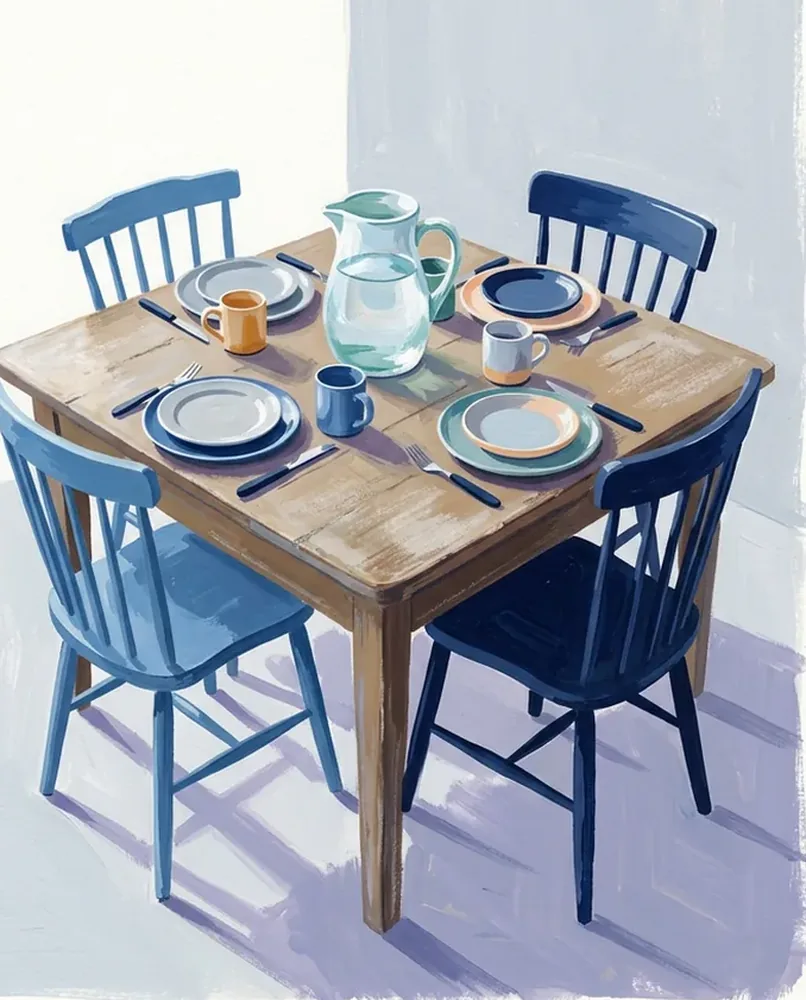
They are also likely to give children room to become themselves. The mismatched outfit, unusual sandwich, intense hobby, or carefully arranged bedroom may look less like defiance to them than evidence of a person discovering what feels right. They may prefer invitation to pressure and firsthand experience to long explanations.
That can help a child develop taste, confidence, and a sense that their inner life matters. But respecting individuality does not require treating every preference as a decision with equal weight. A child can choose the shirt and still wear a coat, choose the hobby and still practice, or disagree with a family rule and still follow it. Freedom works best when the boundaries around it are clear.
Giving tenderness a shape
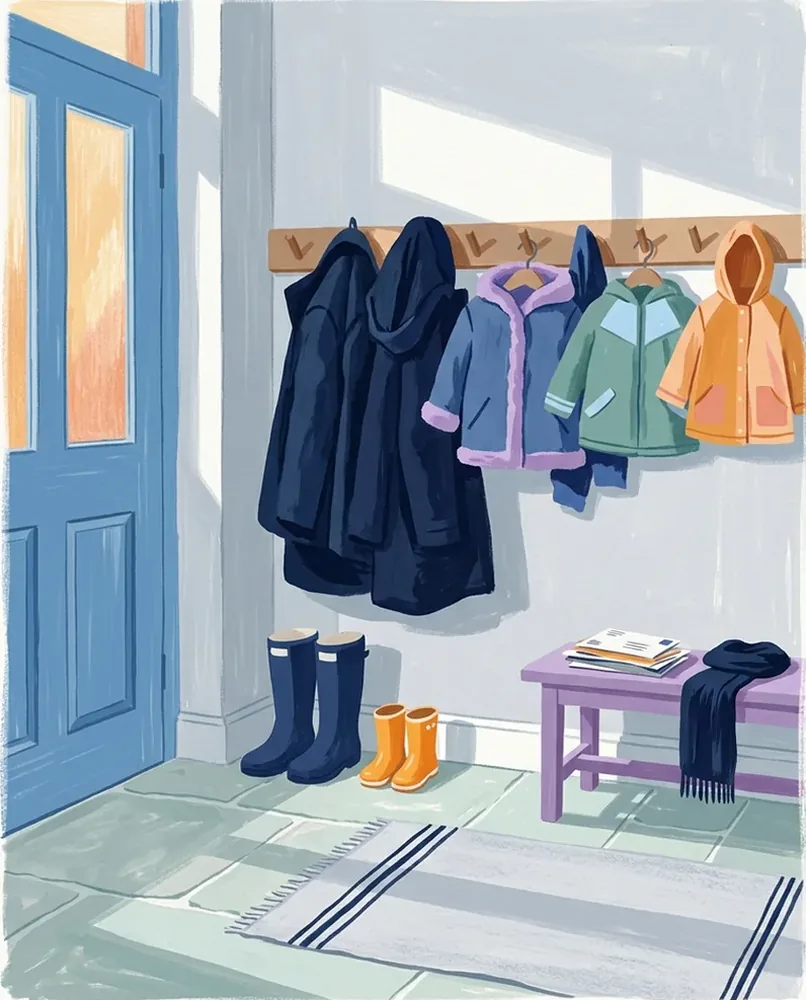
Their warmth may be quiet and practical rather than theatrical. They might offer a favorite snack, sit nearby without demanding disclosure, repair something that broke, or make a difficult day gentler through a small ritual. A child may feel deeply known by this kind of care. At the same time, they may not always recognize what they are giving if they rarely name it or if their support changes with their energy.
Consistent signals can pair love with a limit, allow upset alongside responsibility, and offer listening without taking over decisions. Calm structure does not cancel tenderness. It gives tenderness a reliable shape.
Part of the Personality Type reportThe rest of this chapter is in the Personality Type report
The Poet may give children room to follow their interests, while discovering that freedom feels safer when limits and routines remain dependable.
The Personality Type report gives you the whole guide to your own type, read alongside your own results, so you can see how your patterns affect work, relationships, and daily decisions.
Free interpretation of your answers when you sign in The full report is $30.
