The Poet at a glance
What do we live for, if it is not to make life less difficult to each other?
A friend’s moving day was supposed to take three hours. Around noon, she sits down on a box in the empty kitchen where she lived for nine years and goes quiet. One helper does not try to say anything wise. They put down the tape gun, walk to the gas station for two popsicles, and sit on the floor with her until she is ready. The rental truck is due back at five. They may still make it. That is the instinct behind The Poet: noticing what a person needs in this particular moment and doing something real about it. If those are their letters, care may come more naturally through presence, practical help, and attention than through a speech about how much they care. They may also experience life through its immediate details—the texture of a room, the mood beneath a conversation, the comfort of a familiar place.
What matters most to them
1/3Read
Care through particular details

The people close to an ISFP often come first, though not in a showy way. When a friend texts that their week has been awful, they may not write a long message. They may turn up at their door with fries from the place they like because they remembered their order.
This is one of their quiet forms of attention: they track the particular person, not just the general category of “someone who needs support.” They notice what would make this situation a little easier, warmer, or less lonely.
The life inside small moments

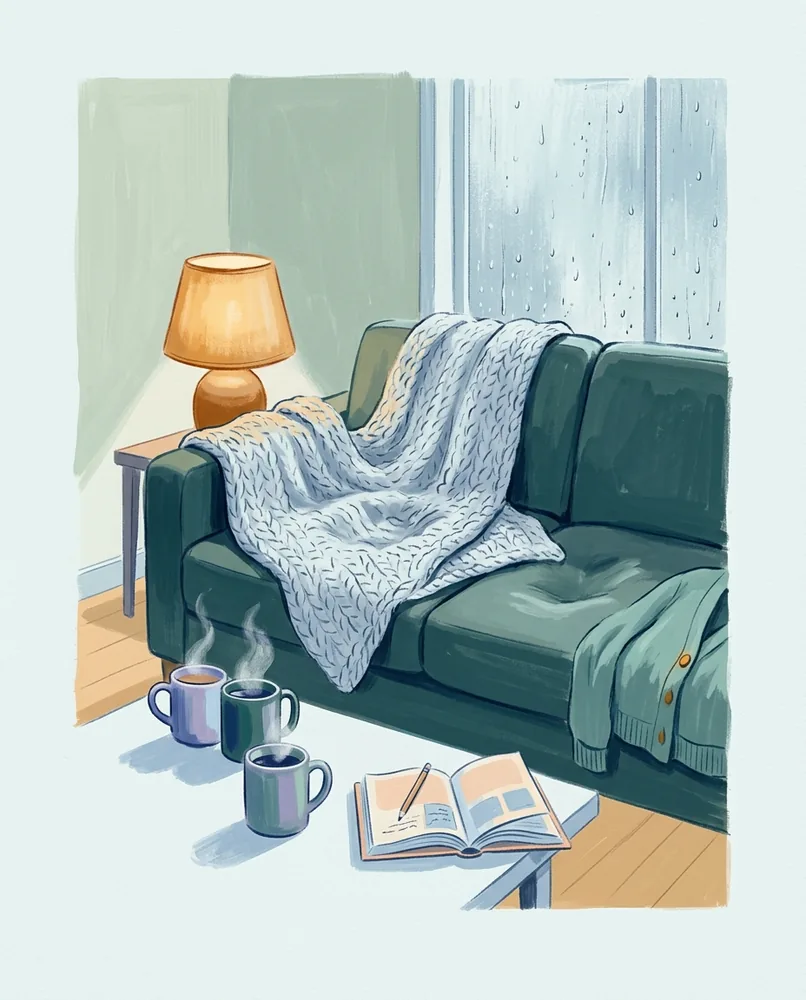
They may also care about how a day feels while they are inside it. The first cold morning when the flannel shirt comes back out. Rain drumming on the car roof while they wait for it to let up. A peach so ripe they have to eat it over the sink.
These details are not distractions from real life; they are part of the life they are trying to inhabit. Ask an ISFP about a five-year plan and they may need a moment. Ask about the best thing they ate this week and their answer may arrive immediately.
Room to change their mind

And they often want room to move. A calendar packed hour by hour can feel like a jacket one size too small, especially when the best part of an evening is the possibility of changing their mind. Some of their favorite plans may begin with “Want to grab food?” at six o’clock.
Flexibility lets them respond to what is actually happening rather than obeying a plan made before anyone knew how the day would feel. Its cost is that people may need more certainty from them than they naturally think to provide.
How their letters work together
1/4Read
ISFP on four scales
ISFP sits on the Introversion, Sensing, Feeling, and Perceiving side of its four scales.
What each letter contributes
Each letter points to a measurable tendency. An ISFP’s I comes from lower Extraversion, which concerns how much social energy and stimulation they tend to seek. Their S comes from lower Openness, which concerns their attraction to novelty, abstraction, and unfamiliar possibilities.
The F comes from higher Agreeableness, associated with warmth, cooperation, and attention to other people’s needs. The P comes from lower Conscientiousness, associated with flexibility, open options, and less reliance on advance structure. These are continuous scores rather than switches: someone near the 50th percentile may be close to the other letter, while someone farther from the midpoint is more likely to experience the tendency strongly.
When care becomes practical

Their S and F together can make care practical and sharply observant. They may not find the perfect words when someone is hurting, but they can see that the person has not eaten, the sink is full, and their child still needs a ride to practice. So they handle what is in front of them.
Help they can hold in their hands is often the kind that comes most easily to them. The strength is responsiveness; the cost is that their own needs may disappear behind the next concrete problem.
Loyalty within a small circle

Their I and F may aim that care at a few people rather than a whole room. They might skip the big party and spend three hours on the phone with the one friend who could not go either. People inside their circle may receive extraordinary loyalty, patience, and attention.
People outside it may see only their quietness and assume there is not much more to know. A private inner life can protect what matters to them, but it can also leave good intentions invisible.
Flexibility and self-erasure

Their F and P may put care on the moment’s schedule instead of the calendar’s. They might forget a friend’s birthday until the afternoon of it, then drive across town that evening because their voice sounded low on the phone. The same flexibility can make them easy to be with: they care whether everyone is comfortable, and they do not grip a plan too tightly.
But “Whatever you want” can come out before they have checked what they want. Generosity becomes harder to sustain when it repeatedly requires self-erasure. Their S and P may keep them grounded in the familiar while leaving the door open to whatever happens next.
The same noodle place can be appealing because they know the booth, the server, and the quality of the meal—not because they lack curiosity. A reservation may feel like unnecessary commitment when the evening could unfold more naturally. This preference helps them notice what is actually present. Its cost is that distant possibilities, maintenance tasks, and long-range promises can feel less emotionally real than the person or problem directly in front of them.
How other people see them
1/4Read
Affection without display

People can read an ISFP differently than they intend. At a birthday party, they might slip out at nine without a round of goodbyes because those goodbyes could take another forty minutes. The next morning, they text the host a blurry photo from the night and “That was so fun.” To them, the message confirms that the evening mattered.
To the host, their quiet exit may have raised a question: did they actually enjoy being here? They may feel affection intensely while expressing it in ways that do not look demonstrative from the outside.
Making preferences visible

Their easygoing side can be misread too. When they say “I’m fine with anything,” they often mean it kindly: they do not want to make a group decision harder than it needs to be. Say it often enough, though, and friends may stop asking. Then, on the one night they had their heart set on the Thai place, nobody thinks to check.
Making a preference visible is not selfishness. It gives other people the information they need to include them rather than asking them to guess.
The richness of the familiar

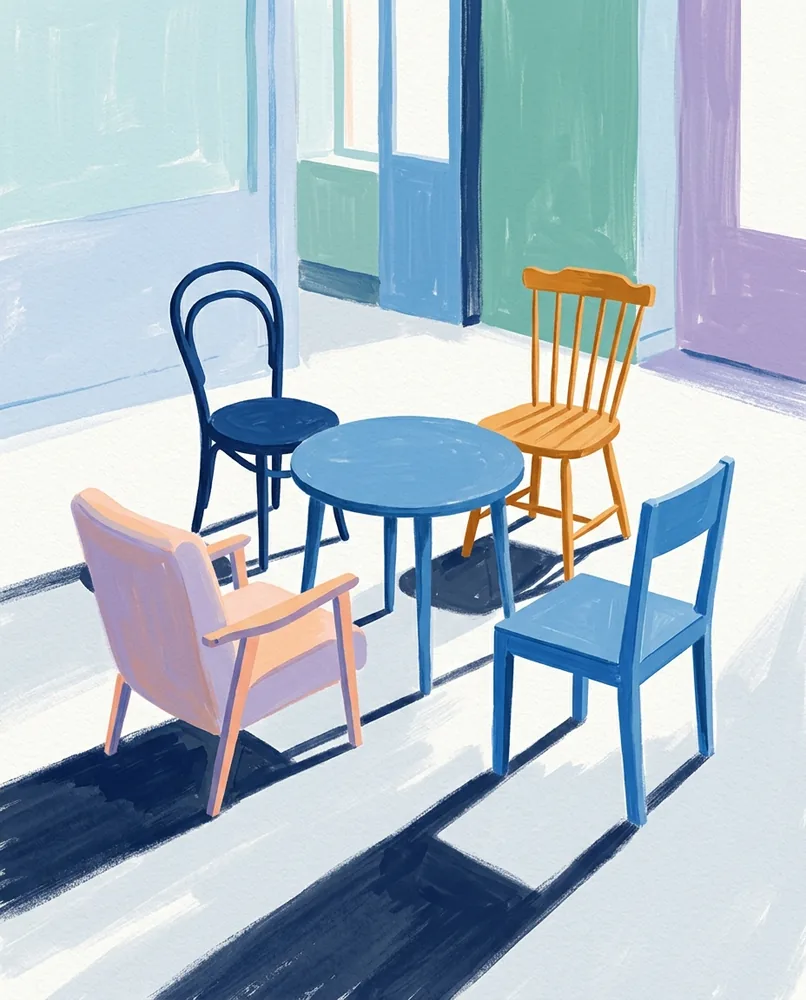
Their love of the familiar may look like resistance to trying anything new. A friend suggests a new restaurant, they recommend the usual one, and the friend teases them about being predictable. What the friend may miss is the richness inside their familiarity: the booth by the window is free on Thursdays, the server remembers them, and they already know dinner will be good.
They are not choosing a blank routine; they are choosing a place with accumulated feeling. Still, a familiar choice can become a shield against the awkwardness of being a beginner, and sometimes a new experience deserves that awkwardness.
When loose plans send signals
Loose plans can send a signal they do not intend. Does a late reply or a forgotten date mean they do not care? From the outside, it might look that way. From the inside, it is often the opposite: they would drop everything if that same person called with a flat tire.
The catch is that emergencies do not arrive every week, while an unanswered text sits there every day. People usually experience care through repeated signals, not only through the exceptional moment. A short reply, a stated preference, or a reminder on their calendar can translate their reliable heart into a form others can recognize.
What sets them apart from neighboring types
1/4Read
One letter from ISFP
Reading the neighboring types

An ISFP has four close neighbors, each one letter away. They may share the ISFP’s warmth, practicality, quietness, or flexibility, so the differences are not rules about who they are. They are clues about which tendency changes the way the whole pattern usually comes across. If one of their scores is near the middle, they may recognize themselves in more than one description.
The Caretaker’s preparation

The Caretaker (ISFJ) shares an ISFP’s quiet, practical warmth. The difference is the J, which comes from higher Conscientiousness. When a friend has surgery, the ISFJ may set up the meal sign-up sheet a week ahead and bring the first lasagna right on schedule. An ISFP might hear about the surgery the day before, show up that evening with soup, and stay to watch a game show.
Both kinds of help can land deeply. One arrives through preparation; the other arrives through responsiveness. The strength of the ISFP’s approach is human timing. The risk is that people may need support before a crisis makes the need obvious.
The Dreamer’s wider meanings

The Dreamer (INFP) shares an ISFP’s warmth, quietness, and loose plans. The difference is the N, from higher Openness. On a long drive, the INFP may want to talk about what makes a place feel like home. An ISFP may be happier pointing out the diner from last year’s trip and suggesting that they eat there again.
They tend to reach toward ideas, meanings, and possible worlds; an ISFP tends to stay close to the day being lived and the people in it. Their attention to the real moment can make care tangible. The INFP’s attention to meaning can reveal possibilities the moment alone does not show.
The Charmer and Fixer

The other two neighbors are The Charmer (ESFP), who brings similar warmth to a much bigger social field, and The Fixer (ISTP), who shares an ISFP’s quiet, hands-on, go-with-it style. The T in ISTP comes from lower Agreeableness, so other people’s feelings may pull less strongly on their attention.
An ISFP may pause to ask how a decision will affect someone; the ISTP may move straight to what works. That can make the ISTP useful in a practical crisis and the ISFP especially alert to the human one.