
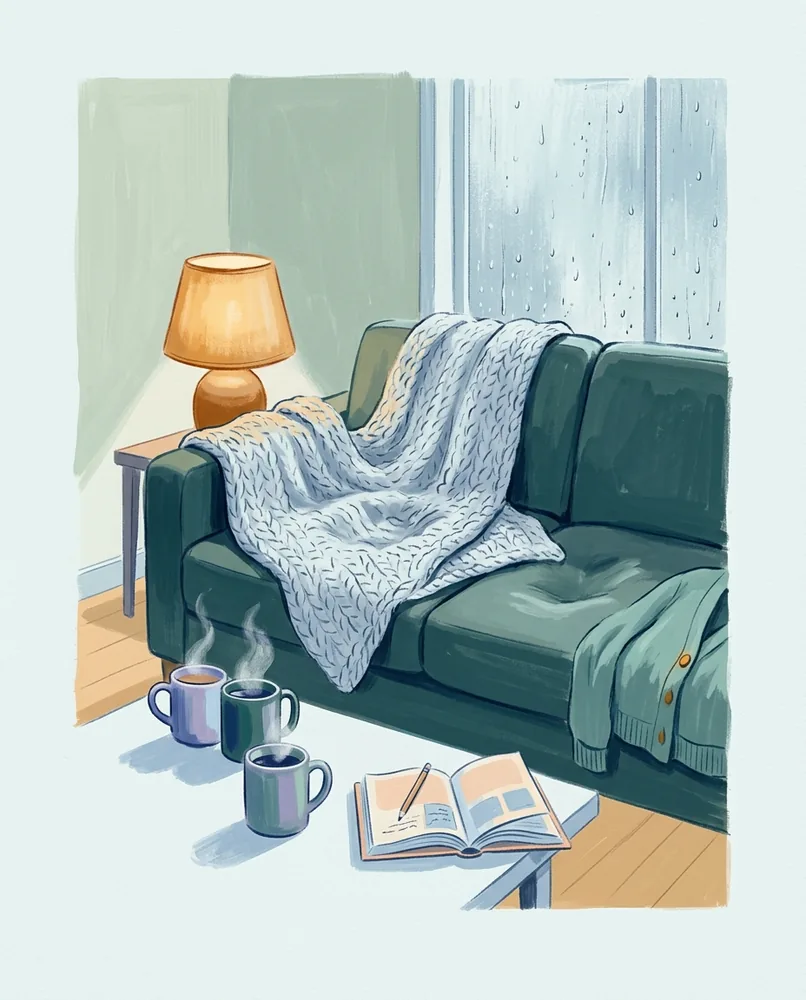
It was supposed to be a quiet weekend. Then a cousin needed a place to crash, a friend’s dog needed watching, and Saturday’s barbecue somehow moved to their backyard. They said yes to all of it, and everyone had a nice time. By Sunday night, the best thing in the world might be a closed door, a grilled cheese, and a show they’ve seen before.
For The Poet, stress often builds through accumulation: too much company, too little privacy, too many fixed demands, and too much emotional responsibility carried without complaint. They may not notice the cost while they are responding to each request. They notice it later, when their inner room is suddenly full. Here is what tends to drain their energy, what restores it, and what can happen when they keep giving after their reserves are gone.
What drains them
1/4Read
When company accumulates
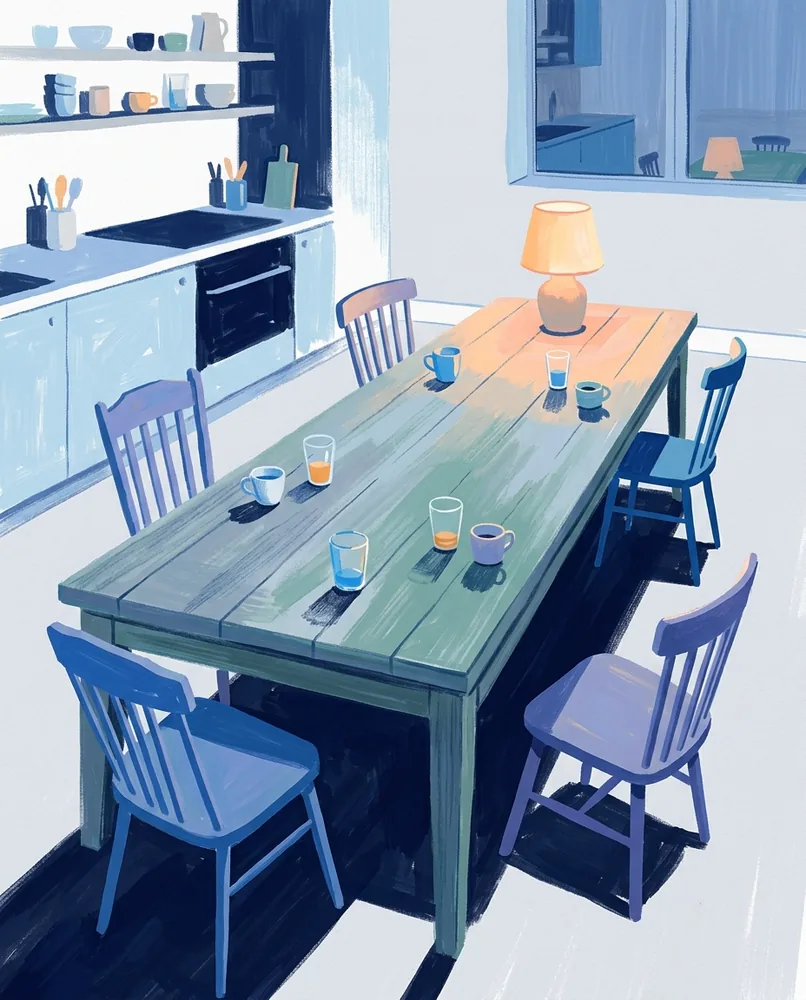
Too much company, even the good kind, can be a major drain. A week of back-to-back plans, an open office with no corner to duck into, or a networking event where they are expected to introduce themselves to strangers can leave them feeling as if their attention belongs to everyone else.
The issue is not necessarily dislike of people. They may enjoy being present, helpful, and responsive—especially when the interaction feels genuine. The cost is the ongoing performance of availability: listening closely, reading the room, adjusting to each person, and staying pleasant when their own energy is dropping.
Why social ease costs them
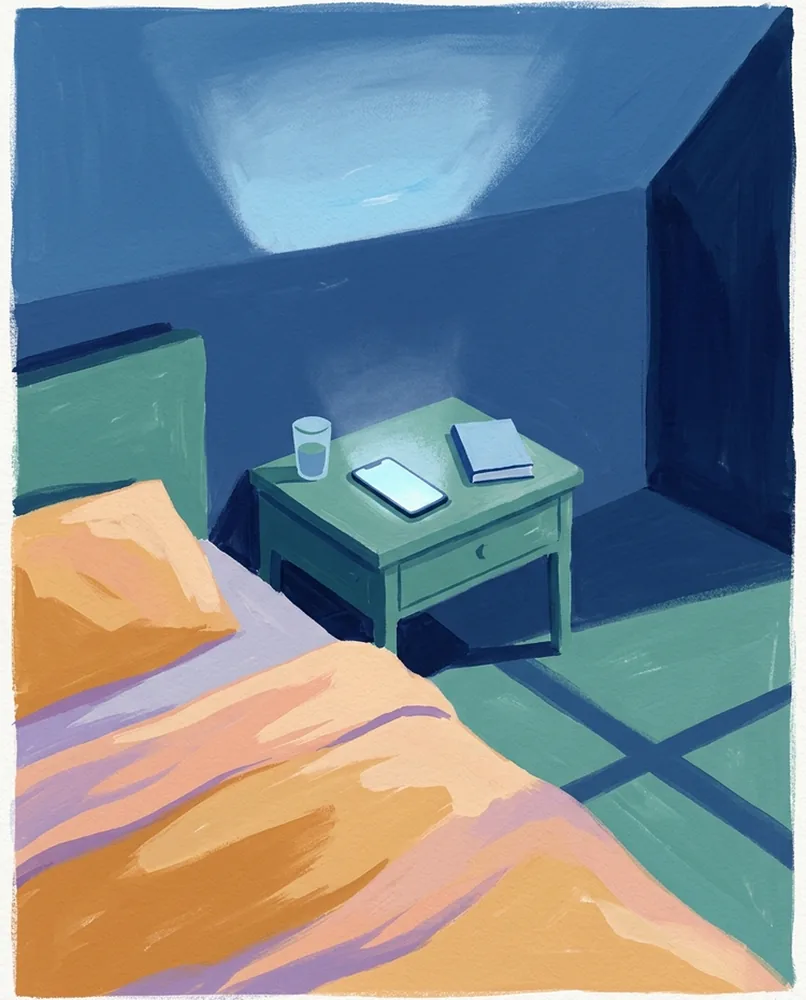
From the outside, they may look engaged. Inside, they may be quietly counting the minutes until they can stop receiving new demands. One evening out may go better than they expect, especially when they choose the setting and the people.
But a short burst of outgoing behavior is not the same as making constant access to them a way of life. They can be warm, funny, adventurous, and socially capable while still needing substantial privacy afterward.
When adaptability hides limits
This is one reason their limits can be misunderstood—even by them. Because they can rise to the occasion, they may assume they should be able to keep doing so. Other people see the successful dinner, the helpful conversation, or the lively weekend.
They may not see the recovery time that makes those moments possible. The strength is adaptability; the cost is treating adaptability as proof that they have no limits. Too much change can wear on their preference for what is tangible and familiar.
Why tension becomes exhausting
A reorganized supply closet at work, a new app for everything every few months, or a move to a neighborhood where nothing is where they expect it can each seem minor. A pile of them can make an ordinary day feel like hard work.
They may not need life to stay frozen. They may simply need enough continuity to feel oriented—to know where things are, what a place feels like, and which routines help them move through the day without solving a new puzzle at every turn.
When constant novelty is praised as growth, their need for familiarity can look like resistance. Often it is a request for a stable surface from which they can respond creatively.
Rigid schedules can drain their preference for openness. A vacation planned to the half hour or a weekend where every slot is already claimed leaves little room to follow their energy, respond to what is actually happening, or notice an unexpected pleasure.
Other people’s troubles can pile up too. If they are the friend everyone calls or the relative who keeps the peace, they may absorb emotional work without anyone explicitly assigning it to them. Tension in a room can be especially tiring: two coworkers who are not speaking, a family dinner where everyone is being careful, or a disagreement that nobody will name.
They may sense the atmosphere before anyone explains it. The strength is sensitivity to the human texture of a situation; the cost is feeling responsible for repairing a mood they did not create.
Part of the Personality Type reportThe rest of this chapter is in the Personality Type report
Crowded days and unspoken obligations can exhaust The Poet, while privacy and familiar comforts help restore their inner room.
The Personality Type report gives you the whole guide to your own type, read alongside your own results, so you can see how your patterns affect work, relationships, and daily decisions.
Free interpretation of your answers when you sign in The full report is $30.
