
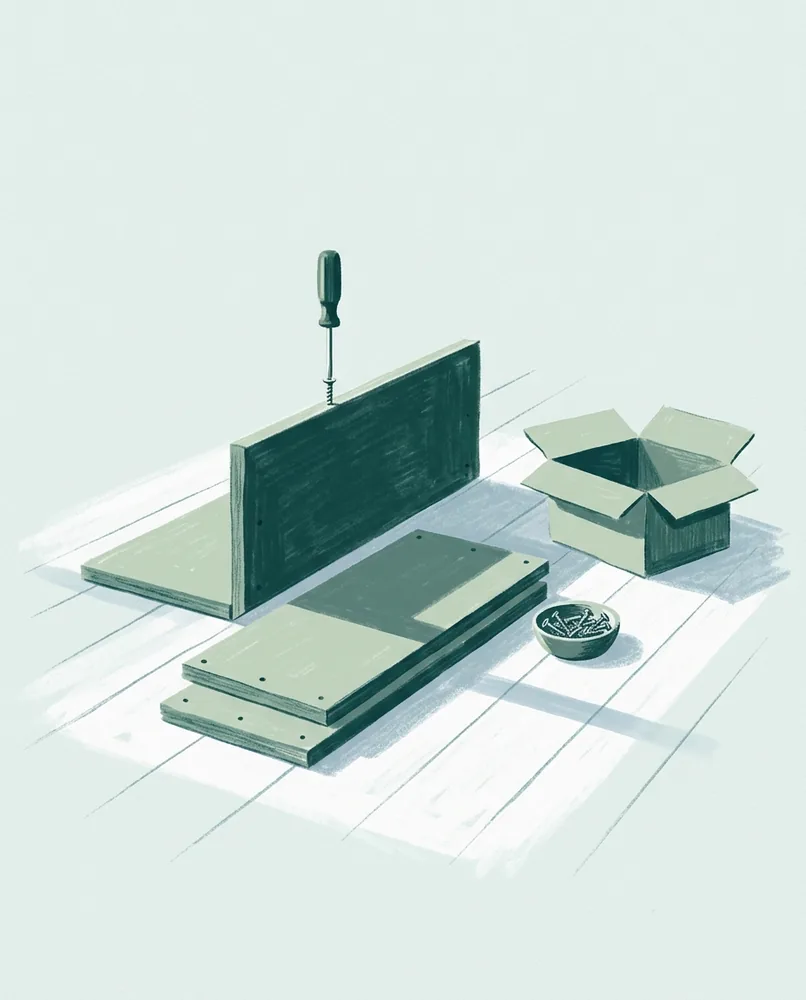
The birthday party gets canceled at the last minute, and there’s a pile of scrap wood by the garage. By noon, an ISTP and their seven-year-old may be deep into a birdhouse with a slightly crooked roof, and nobody is thinking about the party anymore. If someone’s an ISTP parent, this kind of pivot may feel natural. They are often at their best when something real is happening: a wheel needs fixing, a child wants to know how something works, or an ordinary afternoon suddenly offers a chance to explore. Their family may experience them as calm, capable, and hard to rattle. They may also sometimes experience their quiet adaptability as uncertainty, or their practical care as harder to recognize than spoken reassurance. Parenting asks them to keep both sides in view: the freedom they want to give and the emotional signals their child may need them to make visible.
The home they build
1/4Read
Rules that protect freedom

Rules in an ISTP’s home may be few, concrete, and connected to consequences they can explain. Helmets matter. Nobody touches the table saw. If a child can understand the reason and handle the responsibility, they may be willing to give them room.
Other rules may bend with the day: dinner can be pancakes, bedtime can move a little, and a carefully planned schedule may lose to an interesting problem. This can teach children that judgment matters more than blind obedience.
The cost of the same flexibility is that a child who relies on predictability may experience their reasonable exceptions as shifting ground. A short list of nonnegotiables, stated clearly and repeated consistently, can protect freedom without making the household feel arbitrary.
Connection beyond usefulness
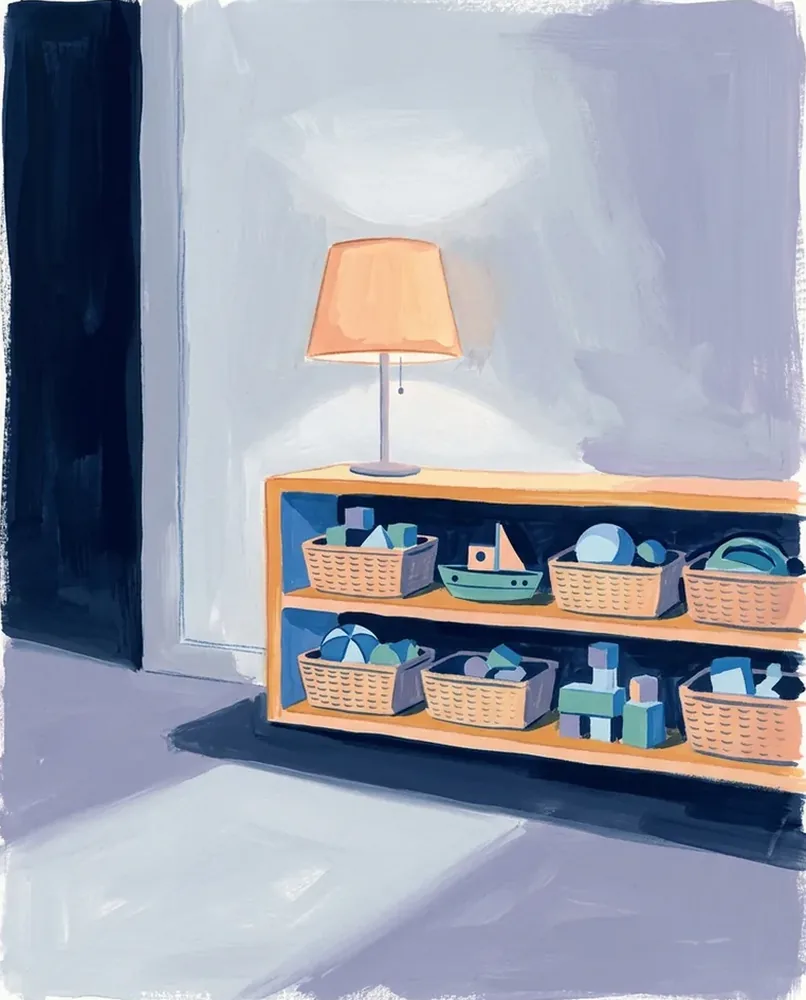
An ISTP may create a family culture organized around capability rather than performance. Weekends stay open enough for a trip to the salvage yard, an afternoon in a creek, or taking apart a broken vacuum to see what is inside. They show children that problems are usually made of parts, and that understanding those parts makes a problem less intimidating. That is a powerful form of confidence.
It can also quietly communicate that useful activity is the easiest route to connection. A child may conclude that an ISTP is most interested when they are building, fixing, or learning something. Letting an unproductive afternoon remain valuable—and joining a game, story, or conversation simply because it matters to them—broadens the message of their care.
Teaching through real attempts
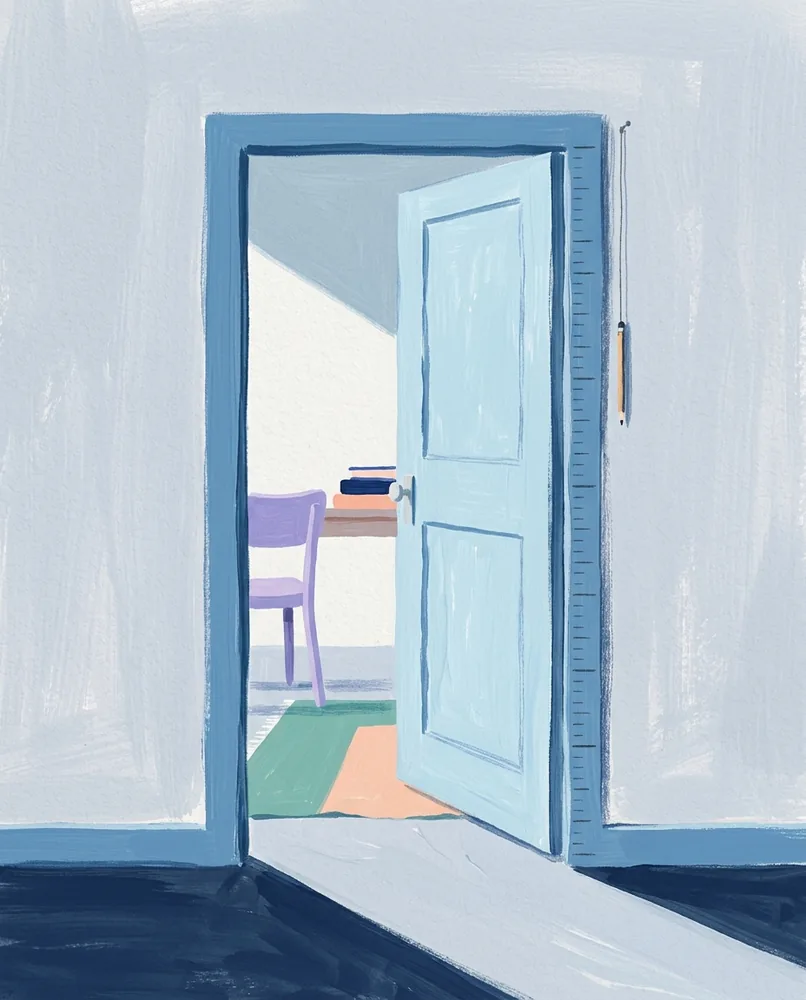
An ISTP’s instinct may be to teach by demonstration: hold the board steady, let the child try the drill, and step in only when safety requires it. Mistakes become information rather than moral failures. They respect a child’s agency because they remember that competence cannot be handed over as an explanation; it has to be felt in the hands. That respect can become a child’s inner sturdiness.
The blind spot is assuming every difficulty is ready for a practical response. A child who is hurt, ashamed, or frightened may need an ISTP to stay with the feeling before they can use any advice. They can name what they see to the child, staying with the feeling without rushing to repair it and showing they are there even without a fix.
Making room for rituals
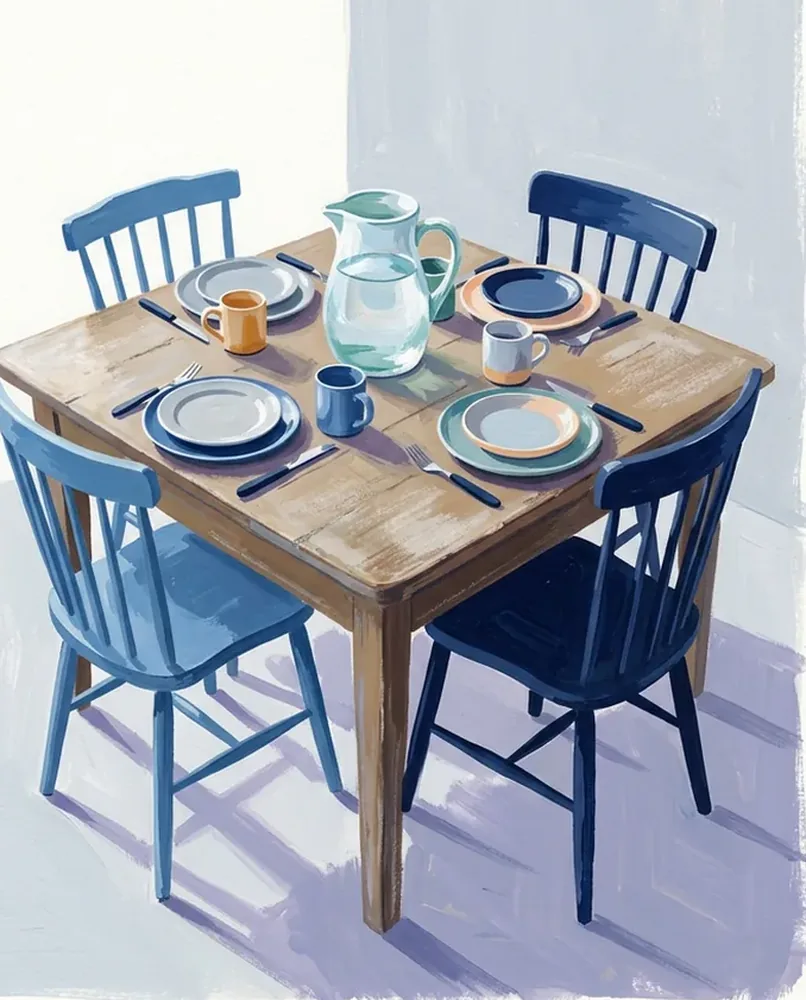
In extended family life, an ISTP may resist traditions that feel arbitrary, performative, or disconnected from anyone’s actual needs. That skepticism can protect their household from obligations maintained only because nobody questions them. But a ritual can matter even when its practical purpose is invisible. A yearly meal, a familiar holiday routine, or showing up for a relative’s milestone may function as a language of belonging.
Participating does not require an ISTP to endorse every assumption behind it. Sometimes it means recognizing what the activity communicates to someone else. The same principle applies to family stories and celebrations: they can keep their honesty while making room for the symbolic parts of family life that cannot be measured by usefulness.
Part of the Personality Type reportThe rest of this chapter is in the Personality Type report
Through The Fixer’s eyes, parenting becomes practical, flexible care, with a quiet challenge to make affection as visible as problem-solving.
The Personality Type report gives you the whole guide to your own type, read alongside your own results, so you can see how your patterns affect work, relationships, and daily decisions.
Free interpretation of your answers when you sign in The full report is $30.
