
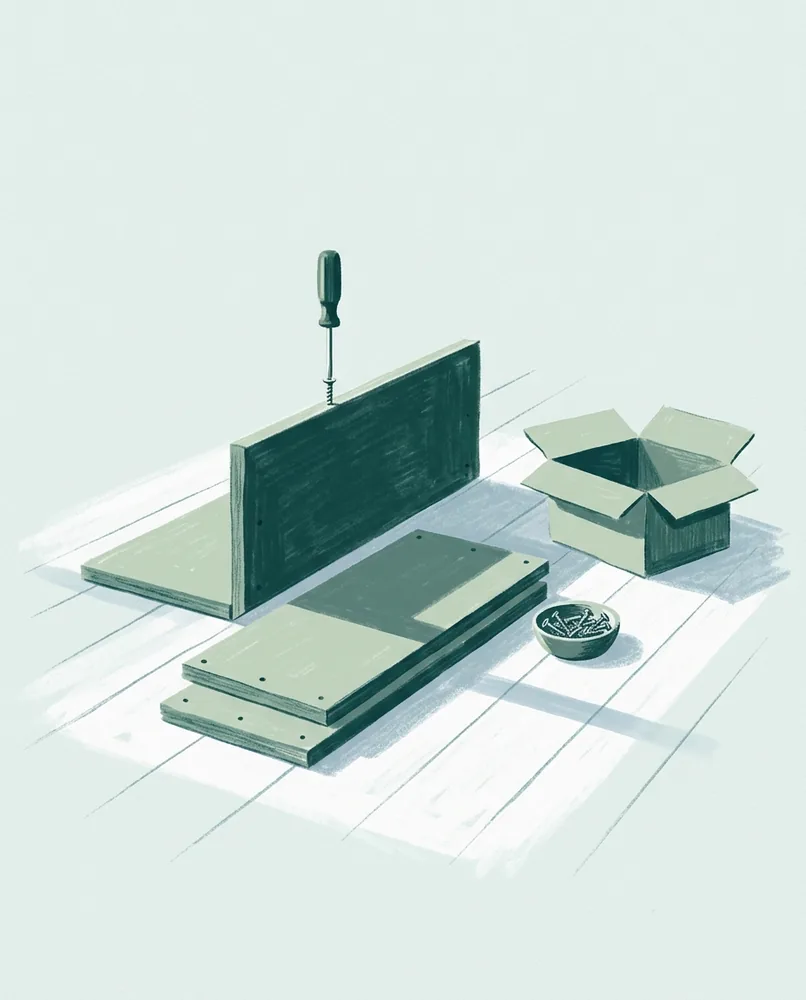
Most of what follows grows from a useful way of meeting the world: they notice what is actually happening, work with the materials and information available, keep their options open, and prefer to solve things without unnecessary supervision. That combination can make them calm and capable when conditions change. It can also make preparation, explanation, and coordination feel like obstacles rather than part of the task.
The important tension is not between being practical and being caring, or between independence and commitment. It is between what makes sense from their side and what other people can reasonably see from theirs. A quick fix may feel like responsible action to them and like postponement to someone relying on them. Silence may feel like comfortable space while a friend experiences it as distance.
So each strength below is paired with the cost of the same strength. The habit itself is not the problem. The useful question is whether it is still serving the situation—and whether the people around them have enough information to understand what they mean.
Strengths
1/6Read
Working with what’s there
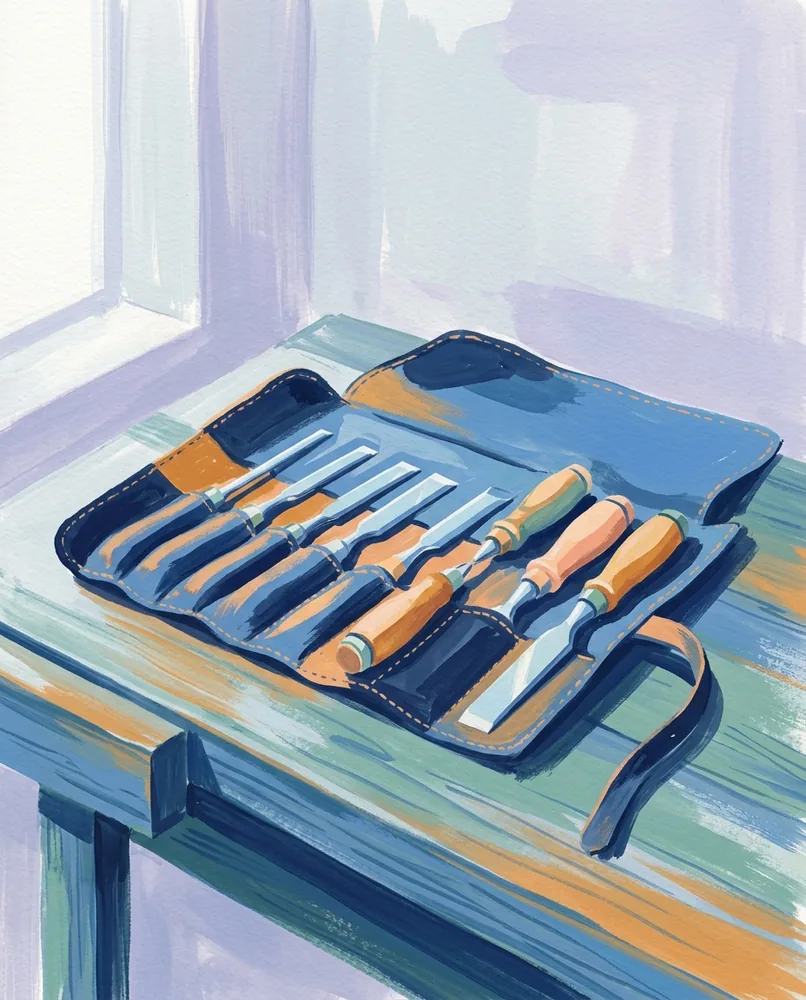
When something breaks, they tend to start with the real conditions rather than the ideal ones. The hardware store is closed, the proper part is expensive, and the cabinet door is hanging by one hinge. They look at the screws, the wood, the weight of the door, and what can be done before dinner. This is not carelessness. It is a practical form of attention: they trust what is observable and make the next workable move.
That ability is valuable in emergencies, repairs, fieldwork, and any situation where a polished plan has met an uncooperative reality. They can often separate the central problem from the surrounding drama, identify what is under their control, and improvise without needing perfect conditions. People may bring them problems because they make them feel less mysterious and more solvable.
Dropping a plan that stopped working

They are often willing to abandon a plan when new information shows that it no longer deserves their time. If the stain looks wrong in daylight, the route is unsafe, or the first repair is making the problem worse, sunk effort does not automatically earn the next hour. Changing course can feel less like failure than a direct response to what they can now see.
This gives them a useful freedom from pride and momentum. They may be able to admit that an idea was wrong, change methods halfway through, or walk away from an arrangement that has stopped working. In a world where people sometimes defend an old choice simply because they have already invested in it, their willingness to reset can save time and prevent a small mistake from becoming a large one.
Learning through contact

They tend to learn by contact with the thing itself. A manual or explanation may give them a starting point, but understanding often arrives when they take the object apart, test a setting, feel the resistance, or see what changes when one piece moves. Experimentation turns an abstract instruction into personal knowledge.
Working this way can produce unusually durable skill. They remember what failed, where the hidden constraint was, and which small adjustment made the difference. They also get the satisfaction of competence that is earned rather than borrowed. When a subject offers real feedback and room to improve, they can stay with it longer than people expect—quietly refining their technique until the result speaks for itself.
Keeping the fix simple

Their first instinct is often to ask what the simplest effective fix would be. A wobbly table may need a folded coaster, not a new table. A process may need one clear change, not a meeting about every possible improvement. They can cut through elaborate solutions and notice when people are solving a larger, more impressive problem than the one that actually exists.
That practicality can protect money, time, and attention. It also makes their solutions easy to use: fewer steps, fewer assumptions, less ceremony. They are often good at finding the small adjustment that restores function without turning an ordinary problem into a project.
Their own pace, their own way

Give them a problem and room to solve it, and they may become more effective rather than less. They usually prefer to decide the sequence, test possibilities, and ask for input when it is useful—not because someone is checking every step. Trust can feel concrete to them when it takes the form of autonomy.
This makes them a strong fit for work that rewards judgment in the moment. They can stay focused without needing constant recognition or direction, and they may notice details that a heavily managed process would bury. A good manager does not have to motivate them with continual attention; they can define the outcome, provide the necessary constraints, and let them get on with it.
Comfortable in quiet stretches

Quiet is not necessarily emptiness for them. A long drive with the radio off, an afternoon repairing something, or time spent outdoors can let their attention settle without requiring conversation or stimulation. Their hands may be occupied while their mind sorts itself out in the background.
This comfort with solitude can make them steady when other people become reactive. They do not always need an audience, a group decision, or immediate reassurance to keep moving. They may also offer others a valuable kind of companionship: being present without forcing them to fill every silence.
Part of the Personality Type reportThe rest of this chapter is in the Personality Type report
When conditions shift, The Fixer tends to find the workable fix, even as minimal preparation or explanation can burden the people involved.
The Personality Type report gives you the whole guide to your own type, read alongside your own results, so you can see how your patterns affect work, relationships, and daily decisions.
Free interpretation of your answers when you sign in The full report is $30.
